REVIEW · TOKYO
Tokyo: Sushi and Ramen Cooking Class with Sake Pairing Set
Book on GetYourGuide →Operated by Sushi Making Japan | Cooking Class in Japan · Bookable on GetYourGuide
Sushi and ramen, taught like a local art. I love the small-group setup in Tsukishima, where you get real attention from instructors such as Sato, Haruko, and Risa, not just a demo and a clipboard. It’s a friendly, practical class that turns famous foods into repeatable skills.
I also love the focus on hands-on technique, especially ramen broth plus chashu, alongside making nigiri sushi by hand. One consideration: it’s not suitable for vegans or vegetarians, since the class centers on classic seafood and pork components.
In 3 hours, you’ll cook, taste, and learn why these dishes look and taste the way they do, with a curated sake tasting set and take-home materials. Bring comfortable clothes you do not mind getting a little messy, and show up about 5 minutes early so you can start on time.
In This Review
- Key things to know before you go
- Tsukishima location: a practical base for Japanese food craft
- The 3-hour flow: how ramen and nigiri fit together
- Ramen broth and chashu: the skill that scales to your kitchen
- Nigiri sushi: learning the why, not just the how
- Sake tasting set: what you’re drinking while you learn
- Take-home value: recipe booklet and chopsticks
- Price and value in Tokyo: why $129 can make sense
- Who should book (and who should skip)
- Practical tips so you get the best class
- Should you book this Tokyo sushi and ramen class?
- FAQ
- How long is the cooking class?
- How many people are in the group?
- Is the instruction available in English?
- What will I learn to make?
- Is sake tasting included?
- Where is the meeting point in Tokyo?
- Is this class suitable for vegans or vegetarians?
Key things to know before you go
- Small group attention (up to 8) so you can actually practice, not just watch
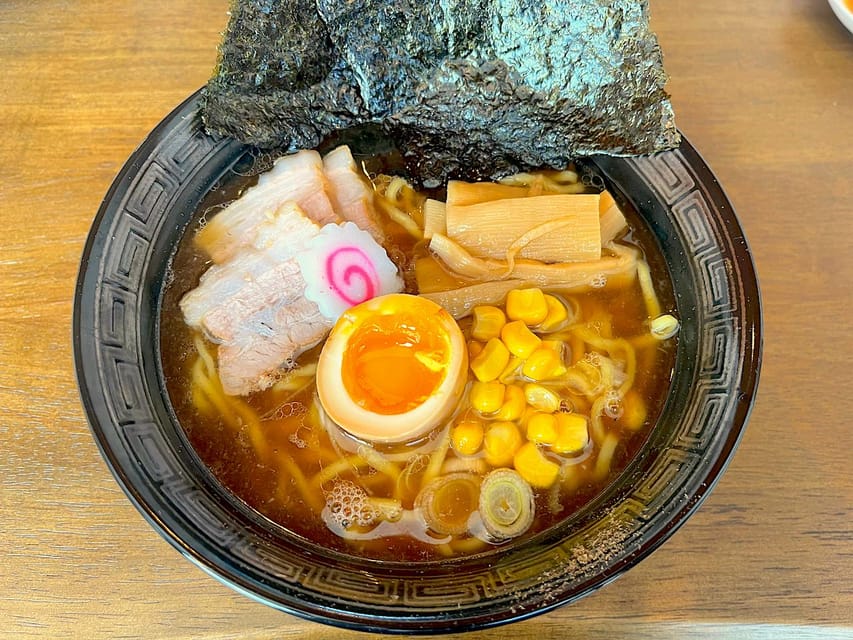
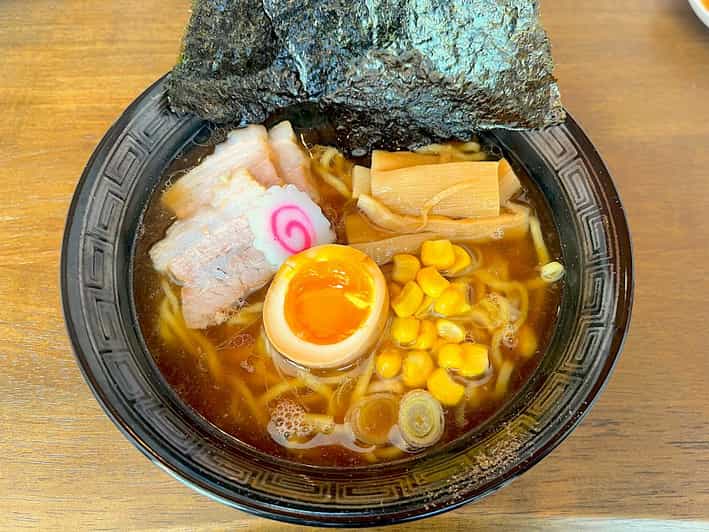
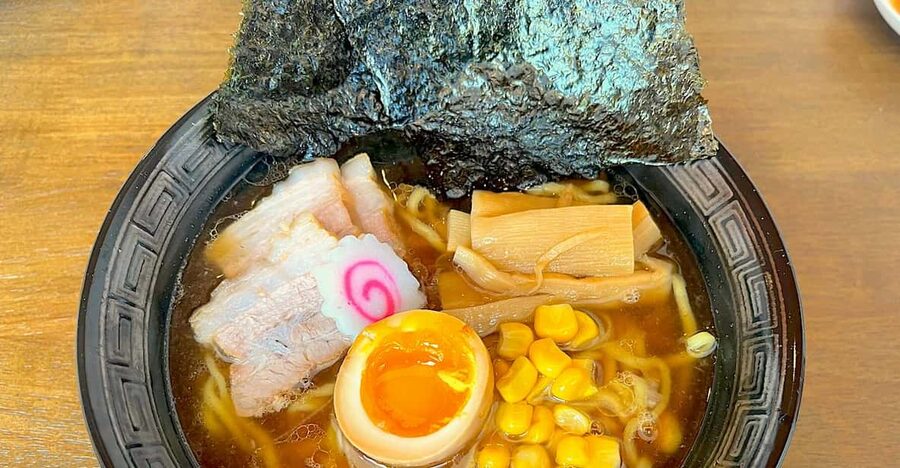
- Ramen from scratch, with a special focus on broth and chashu (pork belly)
- Nigiri sushi by hand, with guidance that makes technique feel achievable
- Three premium sake tastings paired with what you’re making and eating
- A detailed recipe booklet plus souvenir chopsticks to keep the momentum at home
Tsukishima location: a practical base for Japanese food craft
This class meets in Tsukishima, at HAUS Tsukishima (2nd Floor), just a short walk from Tsukishima Station. It’s not the kind of area where you need to cross Tokyo’s biggest landmarks maze just to get started. If you’re already doing a Tokyo day of food, Tsukishima is a smooth, low-stress add-on.
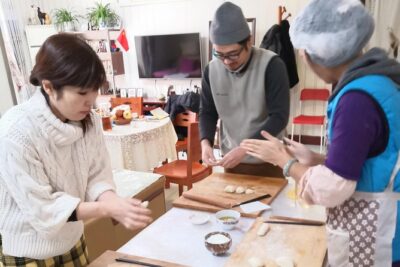
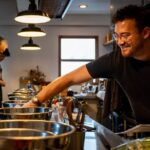
The venue is described as cozy and welcoming, which matters more than it sounds. When a kitchen space feels comfortable, you’re more likely to ask questions and actually get your hands working the whole time. That’s the heart of why a class like this works.
Also, the meeting point is easy to find: about a 5-minute walk from Exit 4 of Tsukishima Station. If you’re arriving by taxi, you’ll want the Japanese address on hand: 東京都中央区佃2-13-5 HAUS Tsukishima 2階.
You can also read our reviews of more tours and experiences in Tokyo.


The 3-hour flow: how ramen and nigiri fit together
In a 3-hour cooking class, timing is everything. What makes this one feel good is that ramen and sushi aren’t treated as two separate worlds. Instead, the instruction is paced so you can learn the process, then turn around and eat what you make.
Expect a hands-on workshop where you work with provided ingredients and tools. You’re not doing a complicated silent cooking challenge; you’re cooking with guidance, plus enough downtime to breathe after the effort. Past participants specifically called out that the class stayed organized without feeling rushed.
The overall rhythm looks like this: you get technique and cultural context up front, then you move into active prep and cooking for ramen and nigiri. Toward the end, you enjoy the meal you created, with sake as part of the experience rather than an afterthought.
Ramen broth and chashu: the skill that scales to your kitchen
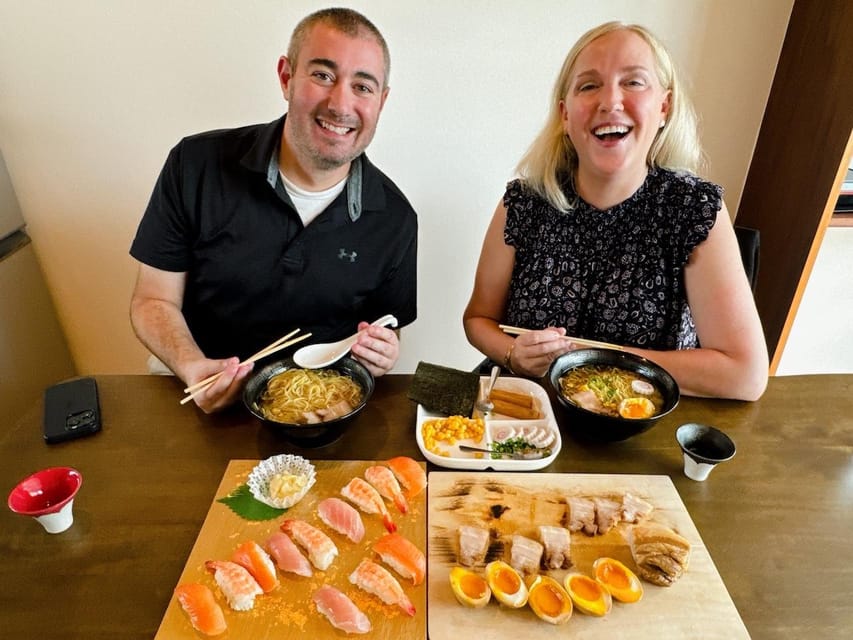
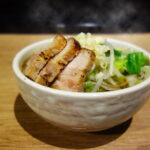
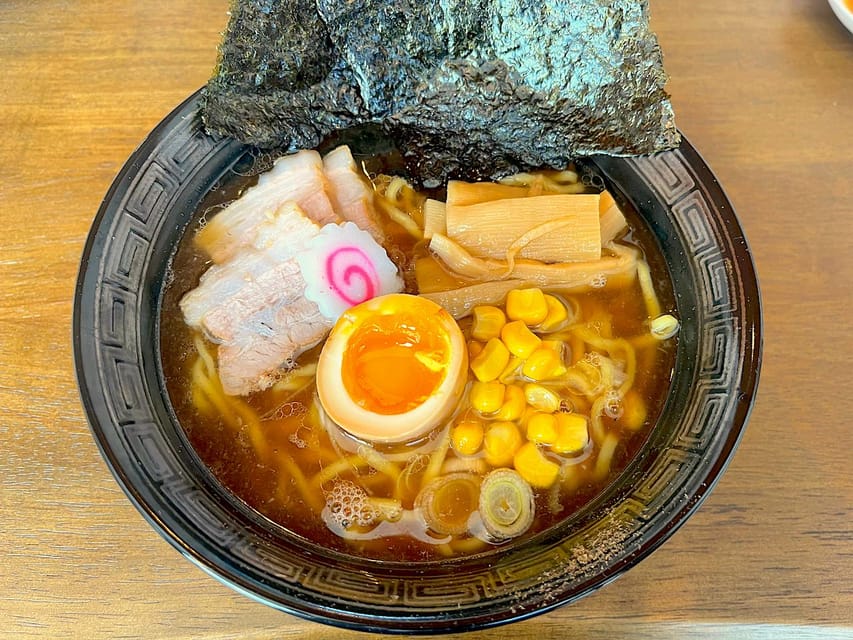
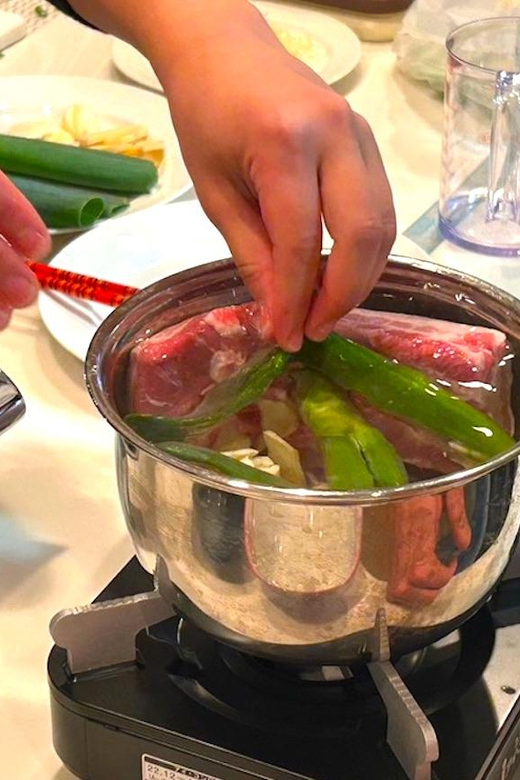
Ramen is one of those dishes people think they either can or cannot make. This class goes straight at the parts that make ramen taste like ramen: flavorful broth and chashu, the pork belly component.
The big value here isn’t only that you get to eat a great bowl in Tokyo. It’s that you learn the structure behind the flavor. Once you understand how broth is built and how chashu is handled, you can think bigger than one specific recipe. You’ll leave with confidence, not just a memory.
You’ll also get ingredient guidance designed for overseas cooking. That means they’re not pretending you have identical Japanese pantry options at home. This is where a recipe booklet becomes more than paper. It becomes a practical map for making something close to the real thing with what you can actually find where you live.
One more helpful point: the class is structured for learning, so even if you’re new to cooking, the process is broken down into doable steps. If you’ve ever felt nervous about knives, heat, or sticky food, this is the kind of class that gives you a safer on-ramp.
Nigiri sushi: learning the why, not just the how

Nigiri looks simple until you try it. That’s why hand-forming is the right focus. Here, you’ll use provided ingredients and tools to make nigiri sushi yourself, with instruction in English.
What I like about this approach is that it treats sushi as technique-based. You’re not just copying a finished picture; you’re practicing the method that gives nigiri its shape and balance. If you’ve got even a mild interest in food, you’ll probably notice how many small decisions go into what ends up on the plate.
The class also includes cultural context, including the origins of sushi and the history behind it, plus how it connects to modern nigiri. You don’t need a textbook to enjoy it, but you do get enough background to make your meal feel grounded instead of random.
If you’re cooking at home later, this is where that background helps. When you understand the logic behind the dish, substitutions and improvisation stop feeling like cheating. They start feeling like cooking.
Sake tasting set: what you’re drinking while you learn
This experience includes a curated sake tasting set: three premium Japanese sakes selected for you. The sakes are chosen by a certified sake sommelier, which matters because it turns tasting into learning instead of just sipping.
You’ll get the sense of how sake can complement food, especially when you’re alternating between ramen and sushi flavors. Even if you’re new to sake, the setup is designed to feel approachable, with explanations tied to what’s happening in your meal.
Some past groups also noted there’s an assortment of beer and sake choices available. I’d treat that as a “nice extra” rather than a guarantee, but the overall point stands: you’re not stuck with only one drink during what is, essentially, a food-focused cooking-and-eating afternoon.


Take-home value: recipe booklet and chopsticks
A good cooking class ends when the meal ends. This one keeps going through the materials you take with you.
You’ll receive a professionally designed recipe booklet with detailed instructions aimed at recreating ramen, sushi, and also gyoza at home. That matters because it’s not only about what you cooked once. It’s about giving you a path to repeat it when you’re back in your own kitchen.
You also get a pair of high-quality souvenir chopsticks. It sounds small, but it’s one of those practical souvenirs you’ll actually use. And because you’ll be cooking at home, that reminder is timely.
If you like keeping food skills alive, this sort of take-home kit is a key part of the value. It gives you a reason to plan a follow-up meal rather than letting the experience fade into photos.
Price and value in Tokyo: why $129 can make sense
At $129 per person for a 3-hour class, you’re paying for more than food. You’re paying for instructor time, the kitchen setup, the ingredients provided, the structure of the lesson, the English-speaking guidance, and the sake tasting.
In Tokyo, a similar “just eat” outing can also cost around this range once you factor in drinks. The difference is you’re producing the meal yourself. You leave with real technique—ramen broth work, chashu handling, and nigiri hand-forming—which is hard to get from a restaurant meal alone.
You’re also getting take-home assets: the recipe booklet and chopsticks. That’s not free with most dining experiences, and it’s what lets the class keep paying off after you get home.
So is it worth it? For me, the value is strongest if you want a hands-on food skill session plus sake. If you only care about eating without learning, you can probably spend less elsewhere. But if you want to return from Tokyo with food competence, the price feels fair.
Who should book (and who should skip)
This class is a strong match if you’re:
- Interested in sushi and ramen beyond “I like it”
- Cooking-curious and comfortable trying new techniques
- Traveling as a couple or solo and wanting a small-group experience
- Looking for an afternoon activity that ends with a sit-down meal you made
It’s not a match if you:
- Need a vegan or vegetarian menu (this class is not suitable for vegans or vegetarians)
- Want a strictly passive activity (you’ll cook, not just watch)
One more plus: because it’s capped at a small group (limited to about 8), you’re more likely to get back-and-forth answers. That’s especially helpful if you’re a first-timer who worries about doing things wrong.
Practical tips so you get the best class
Wear comfortable clothes that you do not mind getting a bit dirty. Sushi and ramen kitchens can get messy, especially when you’re forming nigiri and working around hot ingredients.
Arrive about 5 minutes before the class starts. This gives you a buffer for getting settled, grabbing what you need, and starting without that first-minute stress.
If you’re a first-time cook, don’t try to be perfect. Focus on technique and timing as taught. The class is built so you can learn step-by-step, then enjoy the meal together.
Should you book this Tokyo sushi and ramen class?
If you want a hands-on experience that mixes ramen broth, chashu, and nigiri sushi with a sake tasting set, I think this is an easy yes. The small-group format and English-speaking instructors make it feel friendly and workable, even if you’re not a confident cook.
Skip it only if your diet requires vegan or vegetarian options, or if you’re only looking for a low-effort meal. Otherwise, $129 for 3 hours of cooking instruction, ingredients, tastings, and take-home recipes is strong value for Tokyo.
FAQ
How long is the cooking class?
The class runs for 3 hours.
How many people are in the group?
It’s a small group experience, limited to about 8 participants.
Is the instruction available in English?
Yes, the instructor is English-speaking.
What will I learn to make?
You’ll make sushi (including nigiri sushi) and ramen (including ramen soup and chashu).
Is sake tasting included?
Yes. You’ll enjoy three premium Japanese sakes as part of the class.
Where is the meeting point in Tokyo?
The meeting point is on the 2nd Floor of HAUS Tsukishima, 2-13-5 Tsukuda, Chuo-ku, Tokyo 104-0051. It’s about a 5-minute walk from Exit 4 of Tsukishima Station.
Is this class suitable for vegans or vegetarians?
No. The class is not suitable for vegans or vegetarians.