REVIEW · TOKYO
Shibuya: Ramen Dojo Tokyo | Make All 3 (Tonkotsu/Shoyu/Miso)
Book on Viator →Operated by Viyago Japan · Bookable on Viator
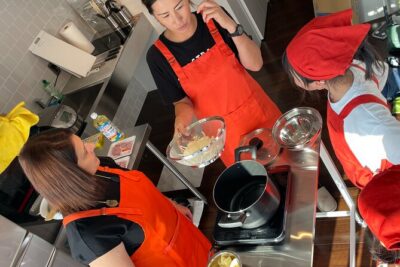
Ramen is better when you make it once. This Shibuya-area class has you cook three ramen styles in the same lesson, using a professional noodle setup, not just watching. I also like that you finish with three mini bowls you made yourself, so the class feels like a meal, not homework.
The main drawback to think about is ingredients and allergens: this isn’t a class designed for strict dietary needs, and it’s not suitable for severe wheat (gluten), egg, or soy allergies or celiac disease. If you’re sensitive to flour in the air, or you can’t manage stairs, you’ll want to skip this one.
In This Review
- Quick Hits
- Shibuya Ramen Dojo: A Practical Way to Learn the Real Texture
- Finding the Studio Near Shibuya Without a Hassle
- 90 Minutes of Ramen Making: What Happens During the Class
- Noodle Making With a Professional Cutter: The Skill You’ll Use Again
- Chicken Chashu Prep: Why This Matters for Taste
- Three Bowls, Three Directions: Tonkotsu vs Shoyu vs Miso
- Using the Digital Recipe: Turning a Class Into Home Cooking
- Value and Price: Is $86.22 Fair for What You Get?
- Best Fit: Who Should Book This Ramen Class?
- Allergy and Dietary Reality Check
- Should You Book Ramen Dojo Tokyo?
- FAQ
- How long is the ramen class?
- What styles of ramen will I make?
- Are noodles made from scratch during the lesson?
- What’s included with the meal?
- Is the class taught in English?
- How large is the group?
- Where is the meeting point?
- What do I need to bring?
- Is hotel pickup included?
- What’s the cancellation policy?
Quick Hits
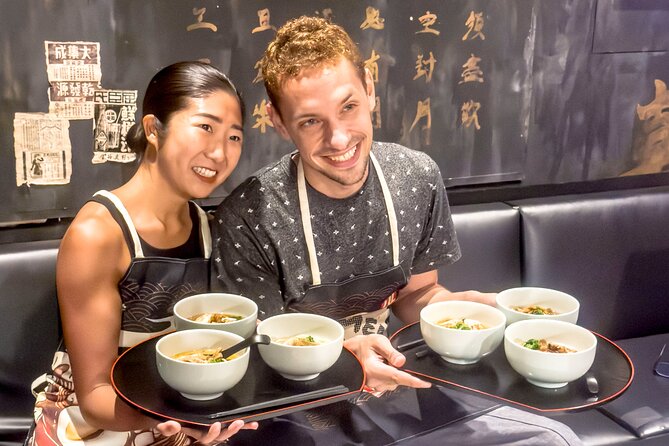
- Three broths, one lesson: tonkotsu, shoyu, and miso are built and tasted side by side.
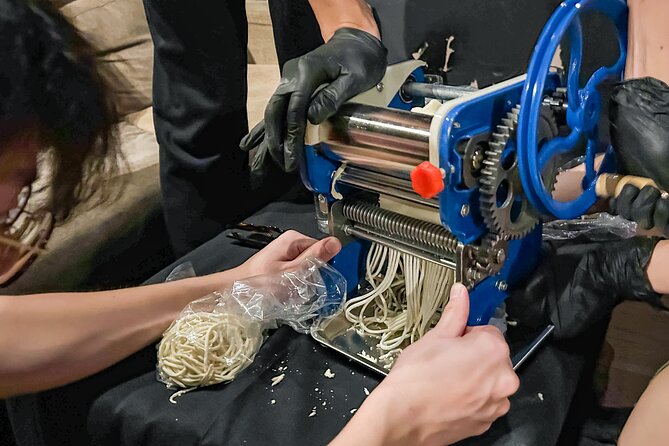
- Fresh noodles you make: you knead and cut the dough with a professional noodle machine/cutter.
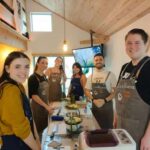
- Small group, real attention: up to 8 people, so the instructor can watch your hands.
- Chicken chashu prep included: you make it as part of the ramen build.
- English instruction plus a take-home recipe: you get a digital recipe after class.
Shibuya Ramen Dojo: A Practical Way to Learn the Real Texture
Tokyo has ramen shops on every corner, but this is different. You don’t just order a bowl; you learn how the dough turns into noodles and how the broth direction changes the whole experience.
What makes this class especially useful is that it gives you repeatable skills. You knead, cut, and assemble ramen with guidance, then you taste three versions. That combo is how you build confidence for cooking at home, not just collecting a fun memory.
And yes, it’s a little hands-on and messy in the best way. Expect to work with dough and equipment, and to feel proud when your noodles come out looking like noodles instead of sad spaghetti.
You can also read our reviews of more tours and experiences in Tokyo.


Finding the Studio Near Shibuya Without a Hassle
The lesson runs near Shibuya, and you’re looking at about a 10-minute walk from the station area. Your start point is the Umekita Building, near the 7-11 at Maruyamachō in Shibuya, and the activity ends back there.
A big practical win: the place is close to public transportation. That matters because you’re only there about 90 minutes total, and you’ll probably want to keep roaming Shibuya right after.
You’ll also have a mobile ticket, so plan on having your phone ready for check-in. It’s a small thing, but it helps you avoid last-minute stress while you’re looking for the entrance.
90 Minutes of Ramen Making: What Happens During the Class

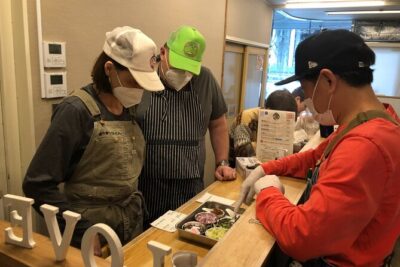
The class is structured so you don’t wait around forever. You move through prep, noodles, finishing, and then the tasting.
Here’s the flow, in plain terms:
First, you check in and get a briefing. Then you move quickly into chicken chashu prep, which sets you up for the finished bowls later.
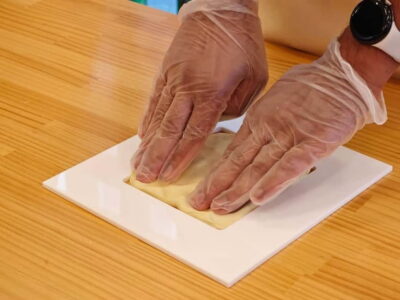
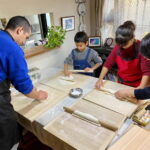
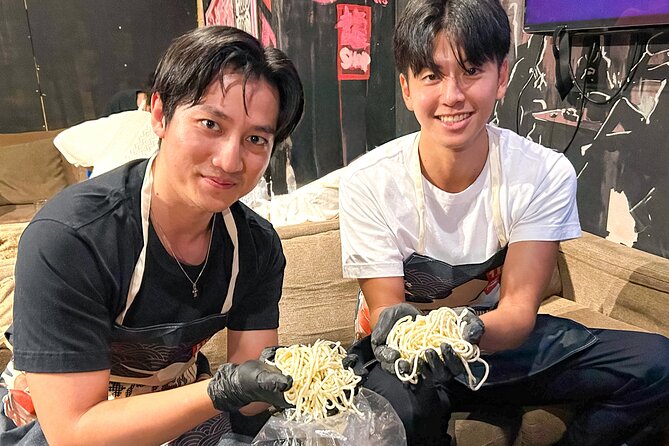
Next comes the part most people are excited about: noodle making. You knead the dough and use a professional cutter to form the noodles. Fresh noodles are where you learn the most, because texture shows up right away—too thick, too thin, too rough, or just right.
After noodles are underway, you do chicken chashu finishing, then you shift to cooking and prep for the broth side of the meal. Finally, you plate, then sit down for the tasting and photo time, with a chunk of time set aside so you can actually enjoy what you made.
The whole thing ends at the meeting point, so you’re not stuck figuring out where the class goes next.
Noodle Making With a Professional Cutter: The Skill You’ll Use Again
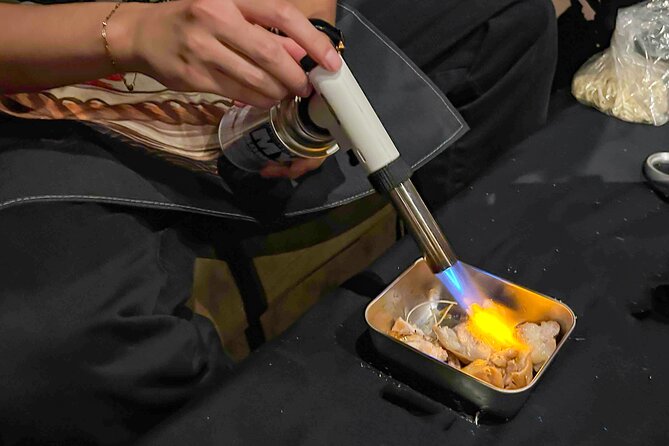
If you’ve ever tried to make noodles at home, you know it’s not just about the recipe. It’s about handling the dough and getting consistent thickness and shape.
In this class, you’re not stuck with a generic “watch the instructor” approach. You’ll knead dough, cut noodles, and participate through the process with English support. Beginners are welcome, and the pace is set up so you can keep up.
Two things I like about this part for real-world results:
1) You learn what “right” looks like while you’re still in the action.
2) You get access to equipment you probably won’t have at home, which makes it easier to understand how ramen noodles are supposed to behave.
A small consideration: you may come away with the strongest confidence in the noodles. One feedback theme from similar experiences is that the noodle process gets the spotlight, while broth details can feel less deep. If broth is your main obsession, I’d use your tasting time to ask questions and compare what changes when you adjust the flavor.
Chicken Chashu Prep: Why This Matters for Taste
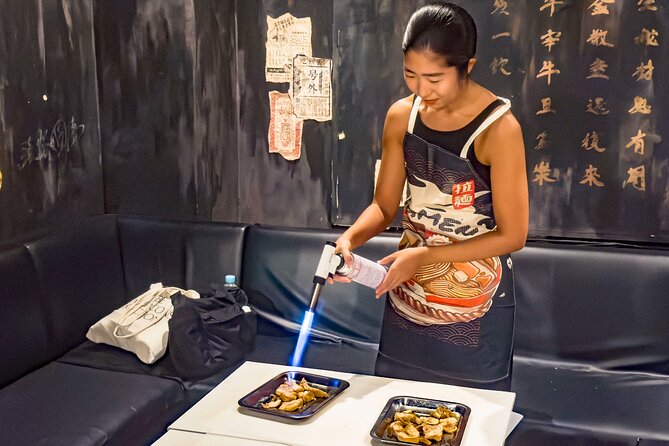
Most people can recognize ramen by the broth, but chashu is where the bowl feels complete. It adds richness, texture, and that comforting savory bite.
You’ll prepare chicken chashu during the session. Then you finish it before the final assembly. That means you’re not just learning an abstract concept; you’re building a key ramen component and seeing how it works with different soups.
This matters for value because it’s the part that many home cooks struggle with. Even when you know the broth, the bowl can fall flat if your toppings are off. Here, you get to practice that “layering” moment.



Three Bowls, Three Directions: Tonkotsu vs Shoyu vs Miso
This is the signature experience: you make ramen trio styles in one lesson and taste them side by side. The three you’ll create are tonkotsu, shoyu, and miso.
Even if you’re new to ramen, you’ll likely notice the differences quickly:
- Tonkotsu is typically creamy and deep, with a heavier mouthfeel.
- Shoyu leans toward savory and soy-forward, often feeling cleaner and more balanced.
- Miso tends to be warmer and fuller, with an unmistakable fermented character.
The class also trains you to think like a cook, not a diner. You adjust the soup to your preferred taste, then you plate with toppings and compare.
I also like the “tasting and photo time” setup. It’s not just a quick bite and run. You get enough time to taste each style, notice the differences, and take pictures that actually show what’s in your bowl.
Using the Digital Recipe: Turning a Class Into Home Cooking
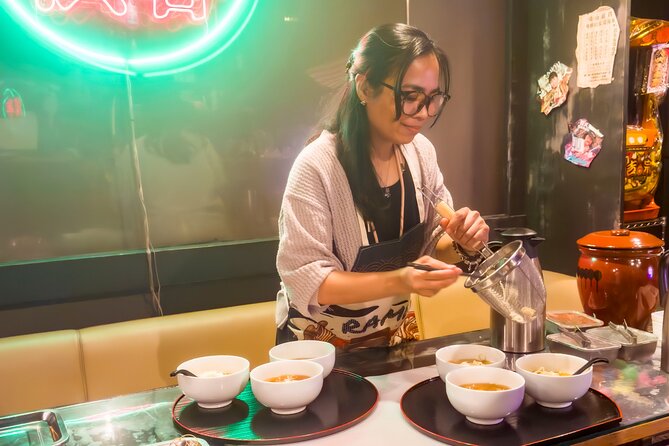
You get a digital recipe after the class. This is one of the best parts, because ramen-making isn’t just one-time fun—you want a reference you can return to.
What you’ll take from it depends on your cooking mindset. If you’re the type who likes repeating results, the recipe helps you run the process again. If you’re more flexible, you’ll use it as a guide for your own taste.
Tip for using the recipe: don’t treat it like a strict script. Use it to remember what you did, then match it to what you liked during your side-by-side tasting.
Value and Price: Is $86.22 Fair for What You Get?
At $86.22 per person, this isn’t a budget snack class. You’re paying for multiple things at once:
- A small-group setup (maximum 8)
- Instructor guidance in English
- Ingredients for the lesson
- Use of kitchen equipment
- Apron loan
- Three mini bowls of ramen
- A take-home digital recipe
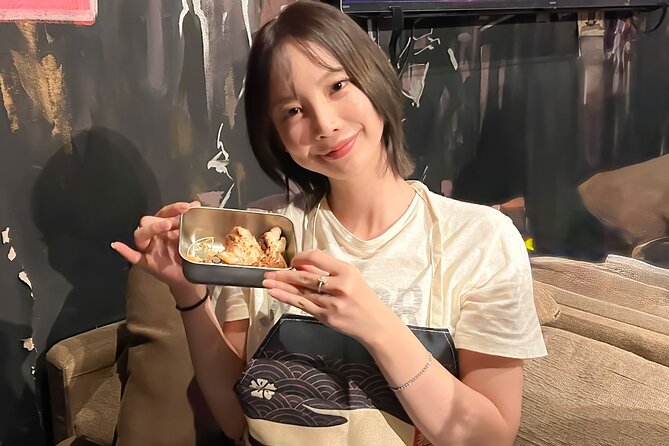
For Tokyo, this price can feel reasonable because you’re not just learning—you’re actively producing noodles and building multiple bowls. Also, you avoid the common trap of “workshop + one tasting bite.” Here, you eat three mini bowls you made, which is a real meal payoff.
One practical note: this class requires participation with dough and stovetop steps. If you’re traveling with a group and someone wants to observe only, it may not fit the format described. Beginners are welcome, but it’s still hands-on.
Best Fit: Who Should Book This Ramen Class?
This class is a strong match if you want:
- A hands-on ramen experience near Shibuya
- Confidence building for noodle making
- A structured way to learn ramen flavor differences (tonkotsu, shoyu, miso)
- A small-group environment with English instruction
It’s also a good option if you’re traveling with someone who loves cooking but gets overwhelmed by complex tasks. The class breaks things into manageable steps and keeps you moving.
If you’re traveling with kids, the tone here is friendly and patient. The best sign is that they can accommodate an 8-year-old in the classroom setting, which suggests the guidance style works for learners, not just adults.
If your goal is a deep, broth-only seminar, you might find the noodle and chashu emphasis is stronger than the soup lecture portion. Still, you’ll taste and adjust, which is how you’ll actually learn what to aim for at home.
Allergy and Dietary Reality Check
This is important. The class is not suitable for severe wheat (gluten), egg, or soy allergies or celiac disease, and it’s not for severe airborne flour sensitivity. It also isn’t suitable if you can’t use stairs, and it’s not designed for guests who need strict dietary compliance (like fully strict vegan or religious diets).
The experience includes making chicken chashu and working with flour dough. So if your dietary situation requires guaranteed substitutes beyond what’s listed, you’ll want to think carefully before booking.
If you’re vegetarian or avoiding specific ingredients, you might find it hard to get strict substitutes. The safest approach is to confirm your needs with the provider before you go.
Should You Book Ramen Dojo Tokyo?
I’d book it if you want a memorable Shibuya activity that ends with you eating what you made. The combination of three ramen styles plus fresh noodle making gives you both fun and a real cooking takeaway.
I’d skip it if:
- You have severe gluten/egg/soy issues or celiac disease.
- You can’t manage stairs or have strong flour-air sensitivity.
- You’re looking for a fully strict dietary adaptation.
One last booking advantage: it offers free cancellation up to 24 hours in advance, so you can commit with less stress. It also seems to be in demand recently, with 5+ bookings in the last week, so if your schedule is tight, grab a slot sooner rather than later.
FAQ
How long is the ramen class?
The class lasts about 1 hour 30 minutes (90 minutes).
What styles of ramen will I make?
You’ll make and taste three styles: tonkotsu, shoyu, and miso.
Are noodles made from scratch during the lesson?
Yes. You knead the dough and use a professional noodle machine/cutter to prepare fresh noodles.
What’s included with the meal?
You get three mini bowls of ramen to taste: tonkotsu, shoyu, and miso.
Is the class taught in English?
Yes, it’s conducted in English with attentive support for small groups.
How large is the group?
The class has a maximum group size of 8 travelers.
Where is the meeting point?
Meet at Umekita Building, 7-11 Maruyamachō, Shibuya, Tokyo 150-0044, Japan. The class ends back at the same location.
What do I need to bring?
You should bring your mobile ticket for check-in. An apron is provided/loaned during the class.
Is hotel pickup included?
No. Private transportation and hotel pick-up/drop-off are not included.
What’s the cancellation policy?
You can cancel for a full refund if you do it at least 24 hours in advance of the experience start time. Within 24 hours, there is no refund.
If you want, tell me your travel dates and who’s coming (adults/kids, any allergies), and I’ll help you decide if this class fits your Shibuya itinerary.