REVIEW · TOKYO
Tokyo : Authentic Soba Noodle Making Experience
Book on Viator →Operated by gotcha · Bookable on Viator
Soba-making turns dinner into a hands-on lesson. In Tokyo, you’ll join a Japanese soba master for hands-on training, guided by an English-speaking helper so the process and Japanese food culture make sense, and yes, you can take photos and videos. It’s set up like a working kitchen, not a demo theater.
I love that you work right at the master’s workspace with professional cooks and equipment, so you learn the real rhythm of the craft. I also love the payoff: you make your own noodles and get to eat them there at the end, so the class lands in your stomach as well as your brain.
Do note the biggest consideration up front: buckwheat/wheat/soy allergies mean you can’t participate, and since you handle flour, you’ll want clothes you don’t mind getting dirty even with an apron.
In This Review
- Key things to know before you go
- Tokyo Soba Noodle Making: What This Feels Like In a Real Shop
- Price and Value: Why $156.76 Works for a 2-Hour Masterclass
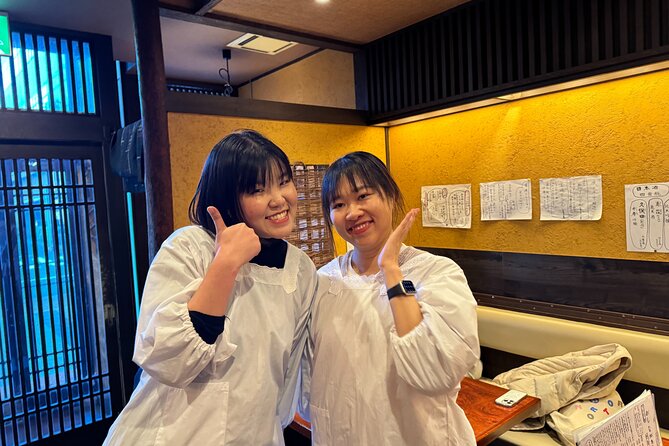
- Meet the Team: Nori’s English Help and Chef Ken’s Technical Work
- The 2-Hour Flow: From Instructions to Handmade Soba
- What Makes Soba Special: Flavor, Texture, and Japanese Food Culture
- What’s Included: Noodles You Make, Equipment You Use, No Extra “Fillers”
- Who This Is Best For (and Who Should Skip It)
- What to Wear and Bring: Comfort Beats Style Here
- The Real-World Value Check: Is This a Good Use of Your Tokyo Time?
- Should You Book This Soba Experience?
- FAQ
- How long is the soba noodle making experience?
- What time does the class start?
- Where do I meet the group?
- How large is the group?
- Is there an English-speaking guide?
- Are photos and videos allowed?
- Are vegetarians allowed?
- Can people with food allergies join?
- What should I wear?
- What’s included in the price, and what isn’t?
Key things to know before you go
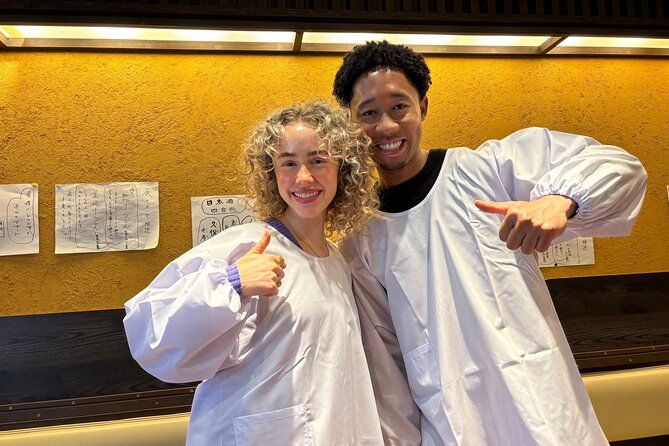
- Small group (max 6): more time with the guide and chef, less waiting in line.
- Real soba shop setup: you’re learning at a working workspace, not a staged counter.
- Guide Nori + chef Ken: clear English help plus the technical hands-on part.
- Make and eat your own noodles: the meal is included as part of the lesson.
- Vegetarian welcome with advance notice: confirm dietary needs ahead of time.
- Wear flour-friendly clothes: you’ll handle buckwheat flour and flour during the class.
Tokyo Soba Noodle Making: What This Feels Like In a Real Shop
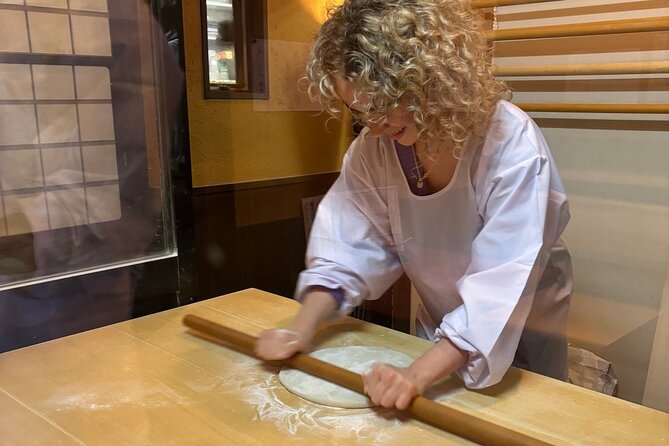
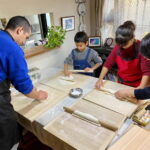
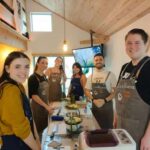
Tokyo has plenty of food tours that point and taste. This one is different because it asks you to do. You spend about 2 hours learning the way of soba-cooking with a Japanese master, and the setting matters. Instead of a classroom vibe, you’re in a real shop-style workspace where the tools, pace, and attention to detail feel like what a working team would use every day.
The timing is also practical. The class starts at 2:30 pm and ends back at the starting point, so you can plug it into an afternoon without scrambling for dinner plans right after. It’s a nice bridge between sightseeing and eating, especially if you’ve already had your fill of sushi or ramen and want something more hands-on than another queue.
Logistically, your meeting point is at McDonald’s, 2-chōme-18-7 Nishinippori, Arakawa City, Tokyo (the activity ends back at the meeting spot). That’s surprisingly helpful because it gives you a clear landmark in a city where “meet near the station” can get vague fast. It’s also listed as near public transportation, which is exactly what you want on a day when you’re walking a lot anyway.
You can also read our reviews of more tours and experiences in Tokyo.
Price and Value: Why $156.76 Works for a 2-Hour Masterclass
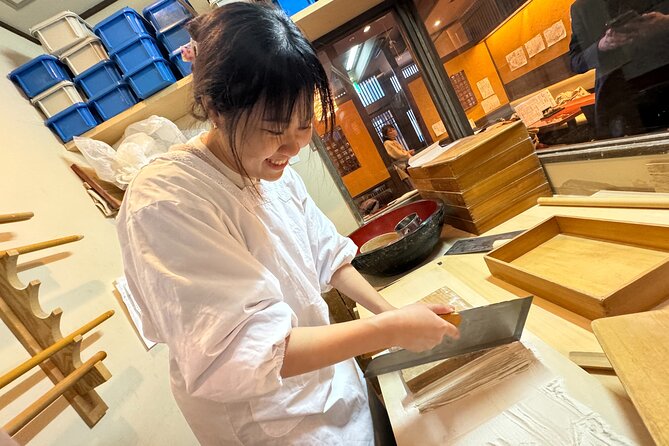
At $156.76 per person, this isn’t a budget activity. But for Tokyo, it lands in the category of “pay for skill, pay for access.” Your money goes toward real instruction from a soba master, plus the materials and equipment to do the work yourself.
Here’s what you get that helps justify the cost:
- Ingredients for making soba noodles are included.
- Use of all cooking equipment is included.
- You have an English-speaking guide to support you through the steps and the food-culture background.
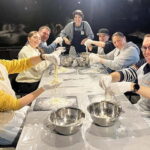
- The group is limited to 6 travelers, which means you’re not just watching—you’re participating while the staff can still give you attention.
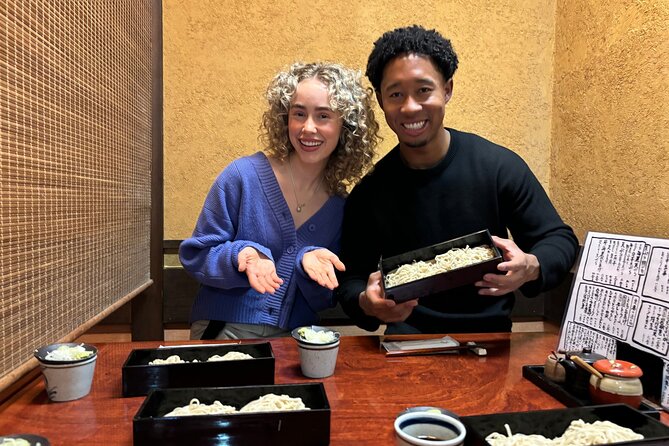
One detail I like for value: the lesson isn’t only a tasting. You make the noodles, and you eat what you make at the end. That turns the class into a “do + eat” experience instead of a short demonstration with a small sample.
A heads-up on planning: the average booking window is about 88 days in advance, and that’s consistent with small-group classes that can fill up. If you’re traveling during peak times, booking earlier is a smart move rather than a gamble. You’ll also receive a mobile ticket, which usually makes last-minute plan changes easier.
Meet the Team: Nori’s English Help and Chef Ken’s Technical Work
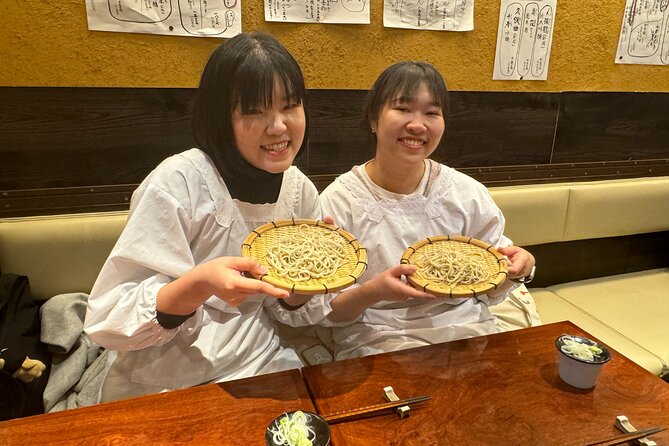
This kind of food class lives or dies on communication and pacing. That’s why the team setup matters. In this experience, you get support from an English-speaking guide named Nori, and the soba instruction is handled by the chef—Ken in the class dynamic I’m drawing from.
Nori’s role is especially useful when you’re dealing with a technique-heavy craft. Soba isn’t just a flavor; it’s texture. It’s handling buckwheat flour and learning how to work dough and noodles with the right touch. When Nori is guiding you through what to do and what to watch for, it helps the whole experience feel doable even if it’s your first time.
Chef Ken’s role is the technical anchor. The best part of a masterclass is that you’re not guessing. You follow the steps the chef shows you, and you can see how pros handle the process. You also get tips along the way—exactly the kind you’ll want if you try making soba again at home.
The 2-Hour Flow: From Instructions to Handmade Soba
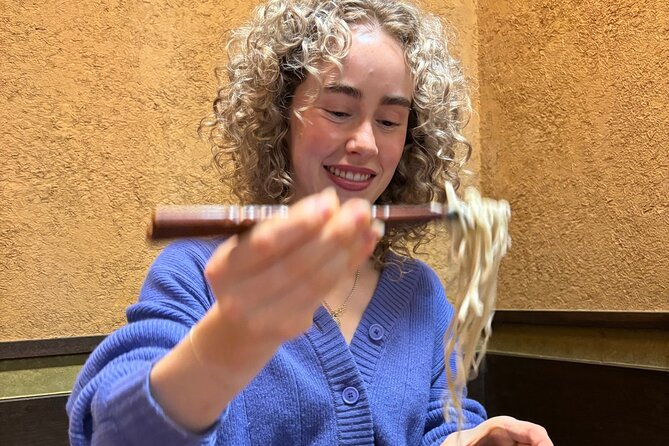
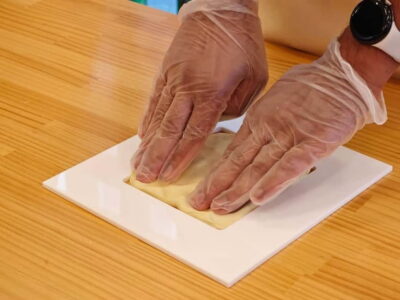
The class is designed to keep you moving, not standing around. Over about two hours, you’ll go from learning the method to making noodles yourself using the tools at the master’s workspace.
What you can count on:
- Natural ingredients are used for the soba-making process.
- You’ll follow the steps of the instructions given during the class.
- You’ll have time to try your own handmade soba noodles right there.
- You’ll be able to use the workspace and equipment rather than just observing.
You’ll also be handling buckwheat flour and flour, which means you’ll feel it in a sensory way: the flour dust, the texture of the dough, and the careful way you need to work. This is part of the charm. Soba is delicate, and the experience teaches you why people treat it as more than just another noodle.
Even if you only have a little time in Tokyo, the payoff is fast. At the end, you eat the noodles you made. That’s a great way to check what you did right, what you want to repeat, and what you want to do differently next time.
If you’re the type who loves learning food techniques rather than just collecting photos, this structure works well because the steps and the hands-on practice happen in the same session.
What Makes Soba Special: Flavor, Texture, and Japanese Food Culture
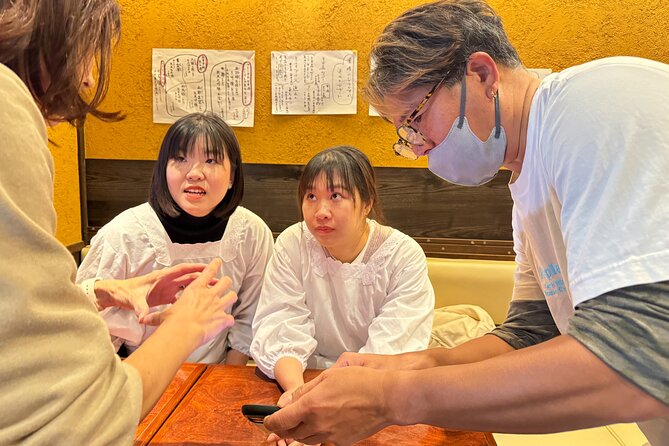
Soba can taste simple, but the experience teaches that simplicity has rules. You’re not only making noodles; you’re learning the way of soba-cooking and the surrounding Japanese food culture.
Here’s what tends to make this kind of class memorable:
- Soba texture is training-sensitive. Small differences in handling can affect how noodles feel and how they eat.
- Buckwheat is not like wheat. When you work with buckwheat flour and flour, you learn that this ingredient behaves differently and deserves respect.
- Food culture is taught while you work. Instead of a lecture, you get explanations in context as you’re doing the steps.
The class also gives you a sense of Japanese kitchen discipline: follow instructions carefully, use the right tools, and pay attention to details. You’ll likely walk away with a better understanding of why Japanese food culture often rewards patience and technique—not just taste buds.
What’s Included: Noodles You Make, Equipment You Use, No Extra “Fillers”
The included portion is clean and focused. You get:
- Ingredients used to make soba noodles.
- All cooking equipment needed during the class.
What is not included is equally important for budgeting. Other foods or drinks you order are not included beyond the soba noodles you make. So if you want more food, plan to buy it separately before or after the class.
That can actually be a good thing. You won’t feel like you paid for a package of extras you didn’t want. Instead, your money directly supports the soba-making lesson and the materials required to do it.
Also, since the class runs about 2 hours, it helps to treat it as your “food activity” for the block. Eat light earlier in the day if you’re hoping for a satisfying end taste without feeling stuffed.
Who This Is Best For (and Who Should Skip It)
This experience is a strong match for first-timers who want something beyond sightseeing. It’s also ideal if you:
- Want to learn a real technique with hands-on training.
- Prefer smaller groups (max 6 travelers) where questions don’t get lost.
- Like Japanese cuisine and want to understand the craft behind it.
- Enjoy food you can make and then immediately taste.
Vegetarians are welcome, which is a big plus for travelers who eat this way. Still, you should let the team know in advance about dietary restrictions so they can set you up correctly.
Who should skip it:
- Anyone with allergies to buckwheat, wheat, or soybeans cannot participate. Since the class involves handling buckwheat flour and flour, they’re drawing a hard safety line.
What to Wear and Bring: Comfort Beats Style Here
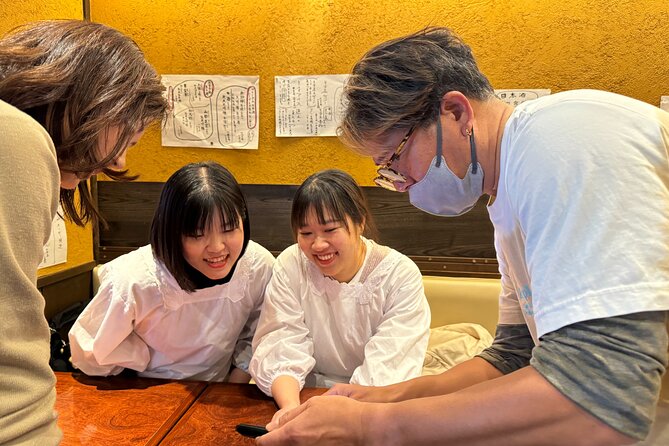
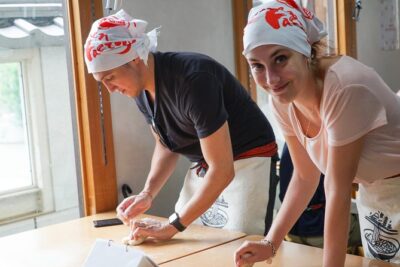
This class is one of those rare travel activities where clothes matter more than fashion. Since you’ll handle buckwheat flour and flour, wear something you don’t mind getting dusted or spotted with flour. An apron is prepared for you, but flour can still find its way onto sleeves, shoes, and cuffs.
Think practical:
- Wear clothes you’re okay tossing into the wash afterward.
- If you’re sensitive to mess, plan to wear closed-toe shoes you can clean.
- Bring your phone with enough storage since the experience encourages photos and videos.
Because you’re working in a shop setting with active steps, comfort and freedom of movement matter. You’ll enjoy the process more if you’re not worrying about every tiny stain.
The Real-World Value Check: Is This a Good Use of Your Tokyo Time?
In Tokyo, you can easily spend days bouncing from one “must eat” to the next. This class is worth considering if you want your time to produce a skill and not just a memory.
Here’s the quick decision filter I’d use:
- If you want hands-on learning and you like structured steps, this is a great fit.
- If you’re hoping for a long meal with multiple courses or lots of additional dishes, you may feel limited because only the soba noodles you make are part of the included experience.
- If you have food allergies involving buckwheat, wheat, or soybeans, skip it entirely for safety.
- If you’re traveling with dietary restrictions and can communicate them in advance, you should still be able to enjoy it since vegetarians are welcome.
Also, because it’s a small group with an English-speaking guide, it tends to work well for travelers who want help understanding what’s happening rather than just following along blindly.
Should You Book This Soba Experience?
I’d book it if you want a genuinely hands-on Tokyo food activity where the value is tied to instruction, technique, and the satisfaction of eating what you made. The combination of a small group, guidance from Nori, and chef-led work with Ken, plus the focused included ingredients and equipment, makes it feel like more than a paid photo stop.
I wouldn’t book it if you’re allergy-risky (buckwheat/wheat/soy), you hate getting a bit messy, or you’re looking for a big multi-item meal. But for the right traveler, this is one of those experiences that turns your Tokyo trip into something you can repeat, not just something you scroll past later.
FAQ
How long is the soba noodle making experience?
It lasts about 2 hours.
What time does the class start?
The start time is 2:30 pm.
Where do I meet the group?
You start at McDonald’s, 2-chōme-18-7 Nishinippori, Arakawa City, Tokyo 116-0013, Japan.
How large is the group?
The maximum group size is 6 travelers.
Is there an English-speaking guide?
Yes. An English-speaking guide supports you during the experience.
Are photos and videos allowed?
Yes, you’re welcome to take photos and videos during the class.
Are vegetarians allowed?
Vegetarians are welcome. Let them know about dietary restrictions in advance.
Can people with food allergies join?
No. People allergic to buckwheat, wheat, or soybeans cannot participate.
What should I wear?
Wear clothes you don’t mind getting dirty, since you’ll handle buckwheat flour and flour. An apron is provided.
What’s included in the price, and what isn’t?
Included are the ingredients used to make soba noodles and use of all cooking equipment. Additional foods or drinks you order are not included.