REVIEW · TOKYO
Tokyo: Real Ramen & Dumpling Cooking with Master Chef
Book on GetYourGuide →Operated by LLC en · Bookable on GetYourGuide
Ramen is better when you make it yourself. In this hands-on Tokyo class, I like the fact you learn semi-soft tamago, gyoza folding, and the noodle timing that makes ramen feel like ramen. I also like that the instruction is in English from Yoshi and Amo, who guide you through every step with patience. The only real drawback: if you want vegetarian ramen, you must request it in advance, or you won’t be able to switch the day of class.
You’ll start with the components that ramen lives on: eggs, toppings, gyoza, and chashu flavoring. Then you build the soup, boil the noodles, drain them with the classic technique, and finish by assembling everything neatly.
One more consideration: the class is 2 hours and timing matters, so late arrival can cut down what you get to do. Because the group may be small (up to four), you’ll want to show up ready to work.
In This Review
- Key highlights I’d plan around
- Ramen in Ekoda: why this class feels hands-on, not scripted
- Meet Yoshi and Amo, plus the English advantage
- Getting to Ekoda Station without stress
- The 2-hour flow: exactly what you’ll do
- The ramen technique part that actually makes a difference
- Making gyoza that don’t fall apart
- Chashu and tamago: the two flavors that anchor your bowl
- Pro background: why the teaching feels different
- Vegetarian ramen: how it works and what you must do
- What’s included in your meal and what you take home
- Price and value: is $99 fair for two hours?
- Who this class suits best (and who might not love it)
- A practical tip: plan your day around the train rules
- Should you book this Tokyo ramen cooking class?
- FAQ
- How long is the cooking class?
- Where is the meeting point in Tokyo?
- Is the class taught in English?
- Is pickup included, and where should I meet?
- Should I use the rapid train?
- Can I choose vegetarian ramen?
- What do I make and eat during the class?
- Do I get recipes after the class?
- Is there free cancellation or a pay-later option?
Key highlights I’d plan around
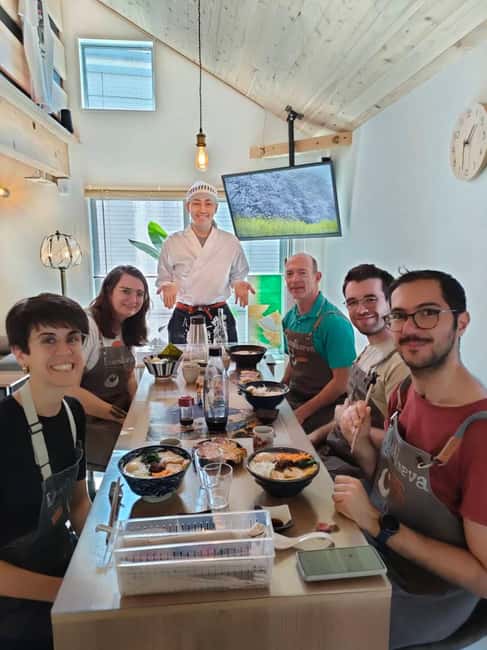
- Up to four people means more attention from the instructors
- English instruction with a pro ramen chef background, including restaurant experience abroad
- Ramen + gyoza hands-on cooking using set-up ingredients and tools
- Nitamago and chashu get the slow, deliberate treatment that changes the flavor
- Vegetarian ramen available if you inform the team ahead of time
- Recipes sent after the lesson so you can recreate your bowl at home
Ramen in Ekoda: why this class feels hands-on, not scripted
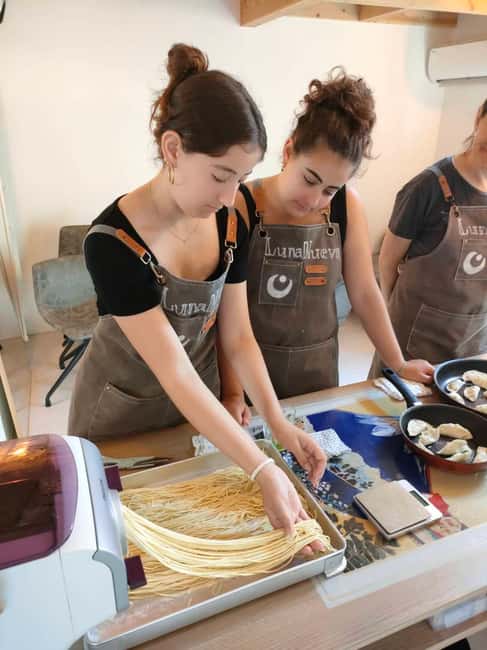
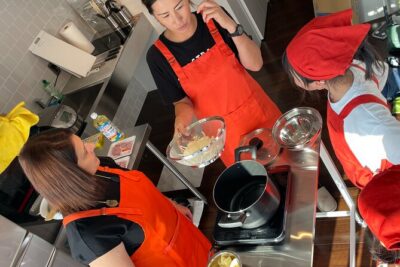
Tokyo has plenty of food experiences, but this one stands out because you’re not just eating ramen. You’re making the pieces that create the final bowl, from egg texture to how you drain noodles before topping.
I like that the setup is ready for you. They have the soup base and ramen sauce elements in place, plus fragrant oil and chashu already prepared in the right direction for a class setting. That lets the time go into technique, not searching for ingredients.
You can also read our reviews of more tours and experiences in Tokyo.



Meet Yoshi and Amo, plus the English advantage
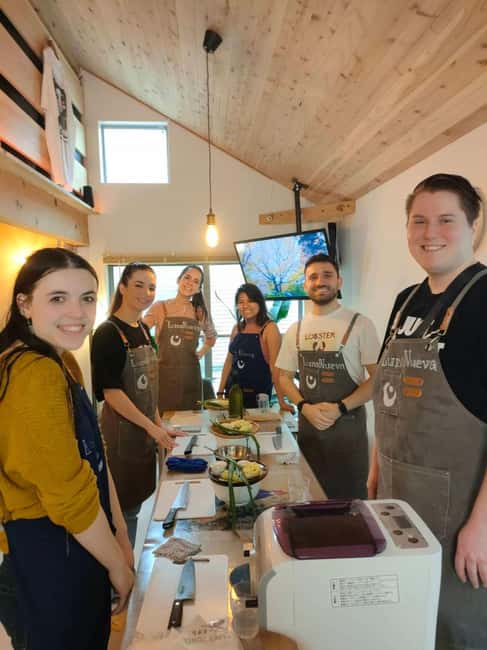
This is taught by Yoshi and Amo, with English instructions throughout. That matters, because ramen has little steps that are hard to guess from photos, like timing and prep order. When you can ask questions in plain English, you pick up the why, not just the how.
The vibe is warm and practical. You’re guided step-by-step, and the pace stays patient, even when you’re folding gyoza for the first time. I also appreciate that they share insider stories and amusing anecdotes from the ramen world, because it makes the cooking feel connected to real Japanese ramen culture, not a generic demo.
Getting to Ekoda Station without stress
Logistics can make or break a cooking class, and this one is clear about where to meet. Your meeting point is at Ekoda Station, and the specific address given is 1 Chome-78 Asahigaoka, Nerima City, Tokyo 176-0005.
Arrive at least 15 minutes early so you can settle and get oriented. Pickup is included in the sense that someone will wait for you at the out of ticket gate at Ekoda (Egota) station, specifically on the Seibu Ikebukuro Line, which is not JR.
Also, don’t take the rapid train. The class location requires the local train that stops at Ekoda (Egota) station. If you’re unsure, check the route before you leave your hotel.
If anything goes sideways, there’s a phone number listed: +81 8072621175. I’d also add their number to WhatsApp ahead of time, since WiFi can be patchy underground.
The 2-hour flow: exactly what you’ll do
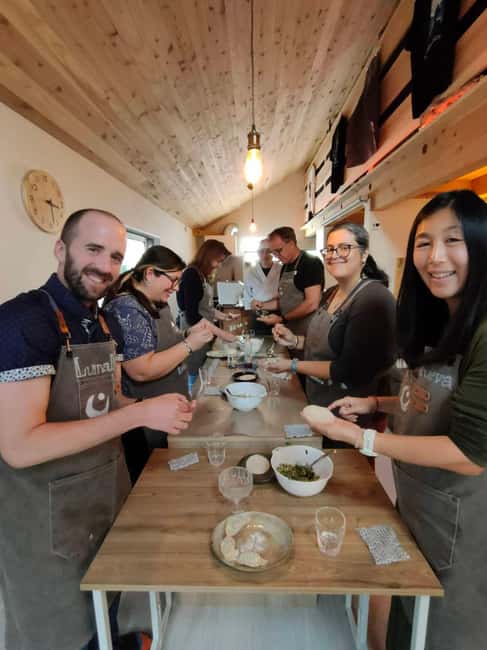
The schedule is built like ramen itself: lots of small steps that add up. In a class like this, that structure is what makes it achievable in just 2 hours.
Here’s the order, and why it works:
First, you craft semi-soft boiled eggs (tamago). This is one of the most sensitive parts of the experience. If you nail the texture, the bowl feels complete because the yolk adds richness when it hits hot broth.
Next comes ramen toppings prep. You’ll slice and prep ingredients so they’re ready to go at the end, when assembly time is fast and you want everything looking good.
Then you switch to gyoza. You’ll slice and combine ingredients for the filling, fold the gyoza, and get them ready for cooking. The folding step is slower than it looks on YouTube, so I recommend paying attention to the instructor’s exact motion so you get a good seal.
After folding, you’ll infuse the chashu with its flavors and sizzle the gyoza. Chashu is slow-cooked chicken, and this flavoring step keeps the meat from tasting flat against the broth.
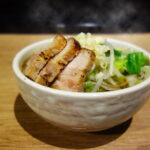
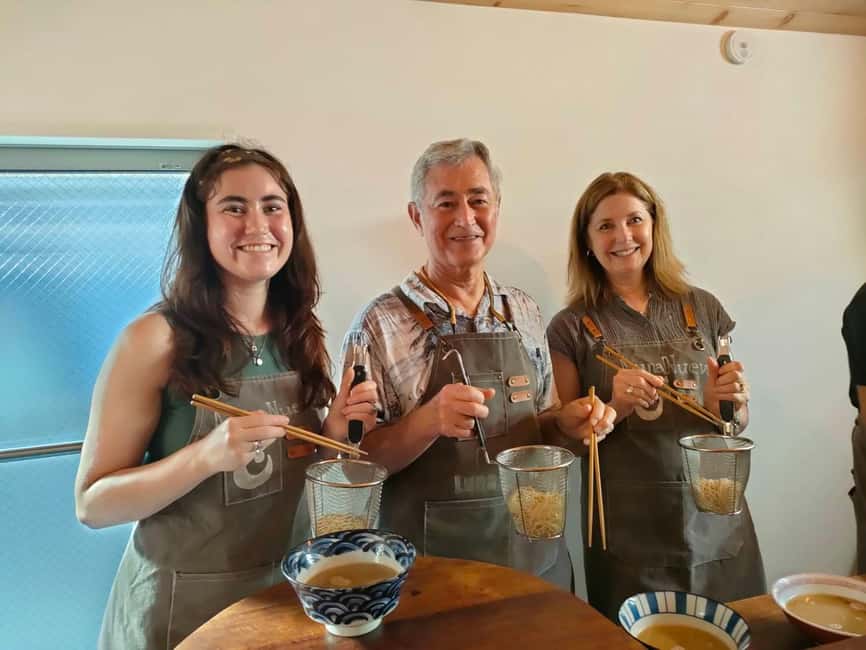
The finale is ramen-building: you craft the soup, boil the noodles, and use the classic noodle draining technique that helps the noodles land at the right texture. Finally, you assemble the ramen bowl with your toppings.
The ramen technique part that actually makes a difference
Plenty of cooking classes teach you to follow steps. Fewer teach the small technique details that keep ramen from going soggy or bland.
One highlight is the noodle draining technique. Noodles that are too wet can dilute the broth taste. Noodles that aren’t drained enough can also throw off texture. When you drain correctly, each bowl tastes more focused because you’re balancing broth heat and noodle bite.
Another important piece is the egg texture. Semi-soft yolk is a signature ramen move for a reason: it thickens the flavor and adds that creamy hit without turning the broth heavy.


Making gyoza that don’t fall apart
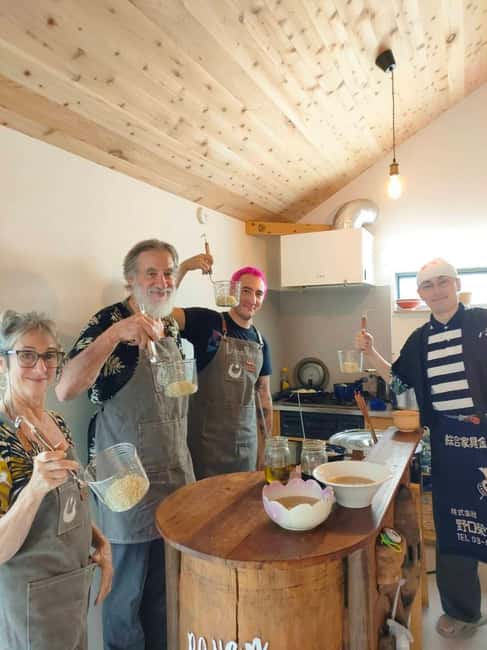
Gyoza is the part many people underestimate. The class gives you the right sequence: filling prep, folding, then cooking steps that bring flavor and crunch together.
What I’d watch for during the class is the folding quality. A well-sealed gyoza stays intact while it sizzles, so you don’t end up with filling leaks. If you focus on consistent fold pressure, your pan results improve quickly.
You’re making ramen and gyoza (5 pieces) in this class, along with toppings and components for the bowl. That’s enough to feel like you cooked a meal, not just a snack.
Chashu and tamago: the two flavors that anchor your bowl
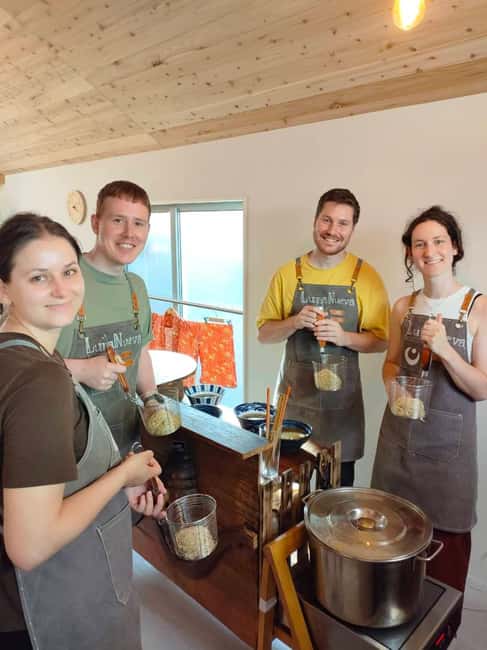
The class includes chashu (slow cooked chicken) and nitamago (seasoned running yolk egg). Even if you’ve eaten ramen before, making these components gives you a new understanding of why ramen tastes layered.
Chashu adds savory depth that stands up even when broth is light. Tamago adds richness that feels like a built-in topping sauce.
You’ll also handle seaweed, sliced spring onion, and wood ear fungus as part of the topping set. Those extras matter because ramen isn’t just noodles and broth. Texture changes how satisfying the bowl feels.
Pro background: why the teaching feels different
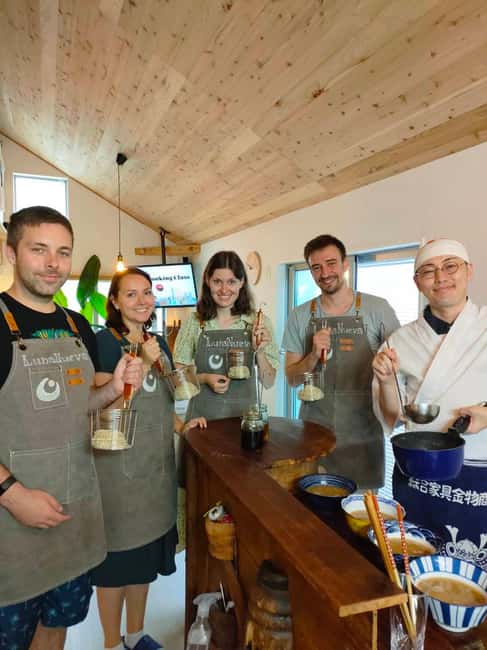
Yoshi is described as having run his own restaurant in Sydney, Australia, and he brings ramen experience from beyond Japan. Amo supports with English instruction and smooth pacing, so you’re not stuck translating in your head.
For you, this matters because ramen isn’t one recipe. It’s a set of technique decisions that change with broth, noodles, and toppings. With a chef who has taught in English and worked abroad, the explanations stay practical and clear.
Vegetarian ramen: how it works and what you must do
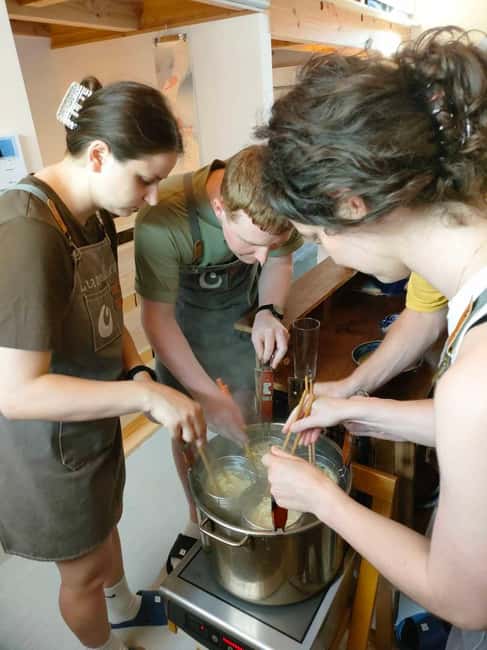
Vegetarian ramen is available, but there’s a key rule: you must inform the team in advance. They specifically say they won’t be able to accommodate vegetarian requests on the same day without prior notice.
So if you’re vegetarian (or cooking for someone who is), send the request early when you book. Then you can show up confident the class will be set up correctly.
During the class, you’ll still follow the same overall flow: egg/topping timing, gyoza folding, soup building, noodles, and assembly. The ingredient plan just depends on the vegetarian option being arranged ahead of time.
What’s included in your meal and what you take home
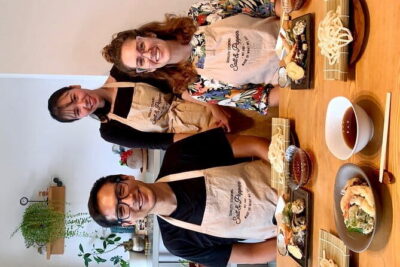
You cook and eat ramen and gyoza, plus topping components that go into your bowl. The included items list covers nitamago, chashu, seaweed, sliced spring onion, and wood ear fungus.
You also get menu access with recipes. They say that after the lesson, they will send all recipes. That’s one of the best forms of value in any cooking class: you can repeat your results without guessing.
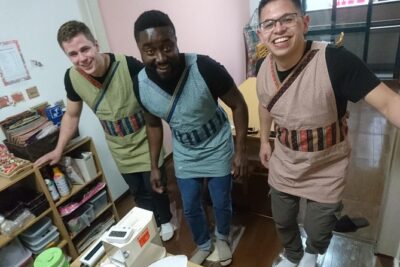
On top of that, there’s a mention of fun complimentary merchandise in the experience. There’s also shopping for items like t-shirts, and you may even see custom apron options depending on what’s available that day. I like experiences that give you something tangible, even if it’s small, because it keeps the memory tied to what you learned.
Price and value: is $99 fair for two hours?
At $99 per person for 2 hours, the price looks simple until you compare it to what’s included. You get hands-on work, not a tasting-only experience. You also get professional instruction in English plus recipes afterward.
For me, the value is strongest in three places:
- Small group attention (possibly up to four people)
- Real technique training for ramen components like eggs, noodles, and assembly
- Take-home recipes you can use to cook again
If you’re the type who enjoys cooking at home or wants to build a reliable ramen routine, this pricing makes sense. If you only want to sample food and skip technique, you might find other options more efficient. But if you want the skills, you’re paying for more than a meal.
Who this class suits best (and who might not love it)
This is ideal if you:
- Want to learn ramen beyond the restaurant version
- Enjoy cooking with direct coaching
- Travel with family and want an interactive meal experience
- Appreciate an English-speaking instructor for Q&A and pacing
It might not be your best fit if:
- You’re short on time and can’t reliably arrive early
- You need vegetarian adjustments last minute (advance notice is required)
- You’re expecting a pure sightseeing tour, since this is fully focused on cooking in a kitchen setting
A practical tip: plan your day around the train rules
The station detail is not minor. Since the meeting point is at Ekoda (Egota) station on the Seibu Ikebukuro Line, you want to build in time to get to the right platform and avoid the rapid train.
I’d also keep your phone charged and ready before you go. The meeting point instructions include a phone number in case you need help when WiFi isn’t available.
A cooking class is easiest when you treat it like a reservation with a clock attached. Arrive early, keep it simple, and you’ll enjoy the class more because you’re not rushing.
Should you book this Tokyo ramen cooking class?
Book it if you want a real skill-building ramen experience with Yoshi and Amo teaching in English, a small-group feel, and a hands-on menu that includes ramen, gyoza, chashu, and nitamago. The price feels justified when you count the instruction time plus the recipe follow-up.
Pass or look for another option if your schedule is tight, you can’t reliably arrive on time, or vegetarian ramen planning isn’t done in advance.
If you’re excited by the idea of making your own ramen components and taking the process home, this class is a solid choice.
FAQ
How long is the cooking class?
The duration is 2 hours.
Where is the meeting point in Tokyo?
The meeting point is at Ekoda Station, 1 Chome-78 Asahigaoka, Nerima City, Tokyo 176-0005, Japan.
Is the class taught in English?
Yes. The instructor provides instruction in English.
Is pickup included, and where should I meet?
Pickup is included in the form of waiting at the out of ticket gate at Ekoda (Egota) station. The instructions also note the Seibu Ikebukuro Line station (not JR).
Should I use the rapid train?
No. The instructions say not to ride the rapid train, and to use the local train that stops at Ekoda (Egota) station.
Can I choose vegetarian ramen?
Vegetarian ramen is available, but you must inform the team in advance. Same-day requests can’t be accommodated without prior notice.
What do I make and eat during the class?
You’ll make ramen and gyoza (5 pieces) and work with included toppings and components such as nitamago, chashu, seaweed, sliced spring onion, and wood ear fungus.
Do I get recipes after the class?
Yes. They will send all recipes after the lesson.
Is there free cancellation or a pay-later option?
Yes. You can cancel up to 24 hours in advance for a full refund, and there is a reserve now & pay later option so you can book without paying immediately.