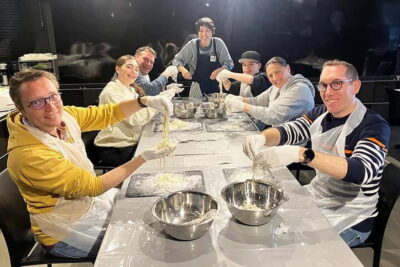
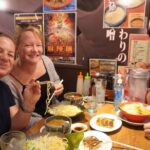
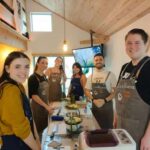
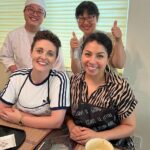
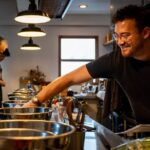
Ramen gets real when you cook it. This small, hands-on Tokyo class at YUZU WASHOKU STUDIO near Yanaka walks you through ramen and gyoza with clear step-by-step guidance from host Yuki. I like that you’re not just watching—you’re making, tasting, and learning how the pieces fit together.
Two standouts for me: you’ll practice dashi and ramen soup from scratch, and you’ll also learn the mechanics of crispy gyoza—folding and pan-frying—so you can recreate the feel at home. One thing to consider first: the menu can be adapted for vegetarians, but it’s not suitable for a gluten-free diet.
In This Review
- Key points to know before you go
- Meeting near Yanaka: finding YUZU WASHOKU STUDIO without stress
- The 10:15 briefing: home cooking basics plus a Tokyo perspective
- Ramen workshop: dashi and broth you can actually repeat
- Gyoza section: folding skills and crisp pan-fried bottoms
- The seasonal veggie side dish and green tea finish
- What happens when you sit down to eat
- Price and value: is $110.56 worth it?
- Who this cooking class suits best
- Tips to make the day go smoothly
- Should you book the Tokyo ramen and gyoza class near Yanaka?
- FAQ
- What is the class duration and start time?
- Is this class private or shared with strangers?
- What’s included in the meal?
- Can the menu be adapted for vegetarian diets?
- What do you make from scratch?
- Where is the meeting point?
Key points to know before you go
- Near Yanaka, easy access: located about 10 minutes from JR Nishi Nippori Station, so you’re not stuck with a long commute.
- Private group format: only your group participates, which keeps the class relaxed and hands-on.
- Real kitchen skills: you’ll learn dashi and ramen soup techniques plus gyoza folding and pan-frying.
- You’ll eat what you make: lunch-style tasting happens right after cooking, with green tea included.
- Seasonal veggie side dish: expect vegetables to rotate with the season (examples can include sesame-dressed sides like green beans).
- Diet limits matter: vegetarian adaptation is possible, but gluten-free isn’t supported.
Meeting near Yanaka: finding YUZU WASHOKU STUDIO without stress
This class is based in Arakawa City, in a part of Tokyo that feels more local than tourist-busy. The address is 1-chōme-58-4 Nishinippori, and the start time is 10:00 a.m. You meet at the studio first, then the cooking block begins shortly after.
Why this location works well: Nishinippori is convenient, but it still has that everyday Tokyo vibe. If you’re planning to spend time around Yanaka, this is a solid mid-morning anchor. You’ll be done in time to keep exploring after lunch.
A small practical note: you’ll use a mobile ticket, so have your confirmation on your phone ready for check-in. Also, the activity requires good weather, and if it’s canceled due to poor conditions, you’ll be offered a different date or a full refund.
You can also read our reviews of more tours and experiences in Tokyo.



The 10:15 briefing: home cooking basics plus a Tokyo perspective
Right after you meet, there’s a short lecture period—about 10:15 to 10:30 a.m.—focused on Japanese home cooking and a Tokyo guide. You’ll also cover basics of Japanese table setting.
I love parts like this because they make the food make more sense. When someone explains how Japanese meals are built—what goes together, how things are served, and the general rhythm of the table—it helps you taste more consciously instead of treating the class like a one-off food event.
Also, you’ll get context for what you’re about to cook. That matters especially for ramen, because the “magic” isn’t one dramatic ingredient—it’s technique and timing.
Ramen workshop: dashi and broth you can actually repeat
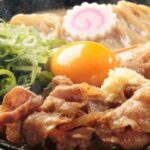
The heart of the class is the ramen section, and it’s structured so you can learn the core steps rather than just assembling a bowl. You’ll work on dashi broth and ramen soup from scratch using simple, repeatable techniques.
Here’s what that means in real terms:
- Dashi is the flavor foundation. Learning how it’s made helps you understand what gives Japanese soups their depth without heavy complexity.
- Once you understand the broth, ramen becomes less mysterious. You’re not guessing at the “secret sauce,” because you’ve built it step-by-step.
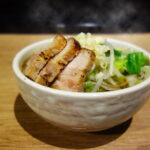
About noodles and toppings: the class is described as a home-style ramen experience, and the lesson includes preparing a chashu pork topping for ramen. That said, there’s an important limitation—you do not make egg noodles from scratch. What you get is the “soup and assembly” skillset that you can carry home.
If you’re vegetarian, don’t worry—your menu can be adapted. In that case, you’ll still learn the same backbone techniques (especially the broth), with appropriate changes to the non-vegetarian elements.
Gyoza section: folding skills and crisp pan-fried bottoms
After ramen, you move into the gyoza portion. This part is hands-on from start to finish: you learn how to prepare the filling, then practice the folding technique that creates that classic pleated look. The goal isn’t just to make them—it’s to make them properly.
Then comes the pan-frying phase, where gyoza turns from “dumplings” into the thing you came for: crispy, golden bottoms.
Why this is a high-value lesson: a lot of people can buy gyoza and heat it up. Fewer people understand the little method cues that affect texture—how the pan is handled, how the dumplings are managed, and how crispness is achieved. Learning that process gives you something more useful than a recipe card.
This is also where the class energy tends to peak. In the feedback, the most consistent praise centers on Yuki’s teaching style and the fun vibe while you cook. You’re not stuck silently following instructions—you’re actually working.
The seasonal veggie side dish and green tea finish
Your class includes a seasonal vegetable side dish, plus green tea. The vegetables rotate depending on what’s available, so it’s not the same dish every time. That’s a nice touch because it shows you what Japanese home cooks do: cook based on season, not just on a fixed menu.
One review mentioned a sesame-dressed vegetable side similar to green beans, which gives you a good idea of the flavor direction—simple, savory, and designed to complement the meal rather than compete with it.
Green tea is served with lunch, and it’s a good palate reset after ramen and gyoza. It’s also an easy cultural detail that rounds out the whole experience.


What happens when you sit down to eat
After the cooking, you’ll tasting what you made with the people in your group. The timing keeps things from dragging—this is a roughly 2 hours 30 minutes experience total.
Even if you’re a confident cook, there’s value in the tasting portion. You’ll see what a properly made dashi-based broth tastes like, how your gyoza turned out when pan-fried, and how the meal balances when you add the seasonal side. Then, during the class, you can ask questions while the food is still fresh in your mind.
Price and value: is $110.56 worth it?
At $110.56 per person for about 2.5 hours, the question is whether you’re paying for food or for skill.
In this format, you’re paying mainly for skill and guidance:
- You learn broth and soup from scratch, which is the hardest part of making ramen at home.
- You learn folding and pan-frying gyoza, including how to aim for that signature crisp bottom.
- You leave with a full meal built from your work: ramen, gyoza, a seasonal veggie side, plus green tea.
If you already have ramen-making down, this might feel less urgent. But if you’re hoping to go beyond “I can cook” and into “I can replicate Japanese techniques,” this price starts to make sense. You’re effectively buying a hands-on lesson with ingredients, tools, and a knowledgeable instructor in the room.
The fact that it’s private (only your group) and small-scale also helps value. You’re more likely to get your questions answered and more practice at the station rather than watching someone else do all the work.
Who this cooking class suits best
This works well if you:
- Want a hands-on food experience in Tokyo without the stress of navigating a busy tour group.
- Like the idea of learning a technique you can repeat: dashi and ramen soup, plus gyoza folding and pan-frying.
- Prefer a short, focused class timed for late morning and a lunch finish.
It’s especially nice for couples and solo travelers who want a social setting without the “big bus tour” feel. Families may like it too, as long as everyone is comfortable with cooking together in a shared studio setting.
One more filter: if you need gluten-free, this class won’t fit. Vegetarian eaters are accommodated, but gluten requirements are a hard limit.
Tips to make the day go smoothly
A few practical moves before you go:
- Wear comfortable clothes you don’t mind getting a little kitchen-splashed. You’ll be provided aprons and towels, but your outfit still matters.
- Arrive a bit early to settle in before the 10:00 start. Tokyo studios can be small, and check-in times are easier when you’re not rushing.
- Come hungry. The class ends with a meal you made, so you’ll want your energy for tasting.
If you have dietary preferences, tell the studio in advance. Vegetarian adaptation is possible, but the gluten-free limitation is clear—plan accordingly.
Should you book the Tokyo ramen and gyoza class near Yanaka?
If your goal is to leave Tokyo with more than photos—if you want actual ramen and gyoza skills—you should strongly consider booking. The structure is built around the pieces that matter: dashi-based broth, gyoza folding, and pan-frying for crisp results, then eating what you made with green tea.
Skip it only if gluten-free is a requirement. Otherwise, it’s a friendly, focused way to learn Japanese home cooking in a studio setting that keeps you involved from start to finish.
FAQ
What is the class duration and start time?
The experience starts at 10:00 a.m. and runs for about 2 hours 30 minutes.
Is this class private or shared with strangers?
It’s private, meaning only your group participates.
What’s included in the meal?
You’ll have homestyle ramen, gyoza (dumplings), a seasonal vegetable side dish, and green tea. Water is also included.
Can the menu be adapted for vegetarian diets?
Yes, the menu can be adapted for vegetarians. However, it is not suitable for a gluten-free diet.
What do you make from scratch?
You learn dashi broth and the ramen soup from scratch. The class notes also clarify that you do not make egg noodles or gyoza wrappers from scratch.
Where is the meeting point?
You meet at 1-chōme-58-4 Nishinippori, Arakawa City, Tokyo 116-0013, Japan. The activity ends back at the meeting point.