REVIEW · TOKYO
Ramen Making from Scratch +Akihabara Tour –Cooking Class
Book on GetYourGuide →Operated by Patia's Japanese Cooking Class · Bookable on GetYourGuide
Handmade ramen beats any quick fix. This 3-hour Akihabara class takes you from walking Japan’s gadget-and-anime streets to Jiro-style ramen made from flour, broth, and chashu. I like that it’s built for real learning, not just watching.
I also like the Akihabara supermarket stop. You check ingredients with your guide and get English help on what matters and why before you ever step into the kitchen.
The only real drawback to plan around is that no vegan or vegetarian options are offered, since the class includes soup and meat components.
In This Review
- Key things to know before you go
- Akihabara meets ramen: why this start actually works
- The 20-minute Akihabara walking tour: gear your brain for ingredients
- The grocery store walk: this is where the lesson begins
- Train ride to Patia Kitchen Studios: close enough, planned enough
- The ramen making class (about 90 minutes): where you go from flour to bowl
- 1) Making fresh noodles
- 2) Preparing the soup (broth)
- 3) Cooking the chashu pork and toppings
- Jiro-style specifics and why this class is positioned as special
- The guides and the human touch: it’s not just cooking
- What’s included, and how to judge the $116 price fairly
- Timing and meeting points: make it easy on yourself
- Who this class is for (and who should skip it)
- Should you book it: my honest decision guide
- FAQ
- How long is the ramen making and Akihabara tour?
- What time does it start?
- Where do I meet the group?
- Is the instructor English-speaking?
- Do I visit a grocery store during the experience?
- Is food included?
- Are there vegetarian or vegan options?
- What happens if I’m late to the meeting point?
- Where does the experience end?
Key things to know before you go
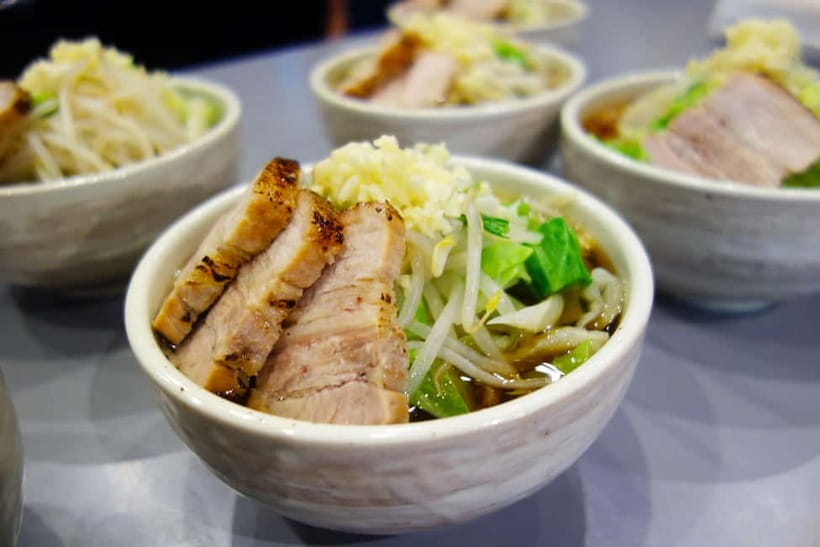
- Jiro-style ramen, taught in English: This is specifically positioned as the only option to learn it in English.
- You make noodles from flour: Not pre-made dough, not just assembly.
- Supermarket ingredient walkthrough: You’ll see what gets used and ask questions.
- Small group size (up to 6): Easier pace and more attention during hands-on cooking.
- Patia Kitchen Studios in central Tokyo: Spacious studio, close to train access, and known from Japanese TV appearances.
- Photos available afterward: Later-downloadable photos are included, so you can keep your ramen timeline.
Akihabara meets ramen: why this start actually works
Akihabara is the right place to start because it’s a fast, fun way to get your energy up before you focus on food. You meet at JR Akihabara Station, outside the Central Ticket Gate, then spend about 20 minutes walking through the neighborhood with your guide.
What makes this part useful is the guide framing. You’re not just wandering for photos. You’re getting context for what you’re seeing—anime, manga, and the tech side of Tokyo—while also heading to the grocery stop that kicks the cooking class into gear. If you like Akihabara for more than just shopping, this is a way to make it feel like a guided story instead of a checklist.
You can also read our reviews of more tours and experiences in Tokyo.



The 20-minute Akihabara walking tour: gear your brain for ingredients
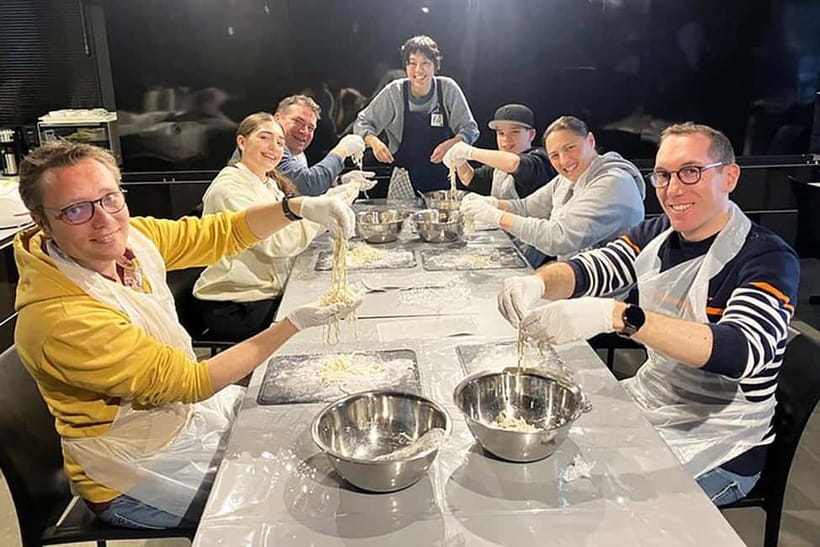
The first stop is short by design. In about 20 minutes, you’ll cover popular areas on the way to the supermarket. You’ll likely spot the “electric town” vibe immediately—bright storefronts, signage, and plenty to point at while you walk.
The practical value here is timing. You’re not tired yet, and you’re ready to focus when your guide starts talking ingredients. If you’re the type who gets lost in neighborhoods unless someone gives you a path, this quick tour helps you get your bearings fast.
One thing to watch: you’re on a schedule. The meeting point is very specific, and if you’re more than 10 minutes late, the group will depart ahead of you. In that case, you’re expected to go straight to the kitchen studio, and refunds won’t be made for the delay.
The grocery store walk: this is where the lesson begins
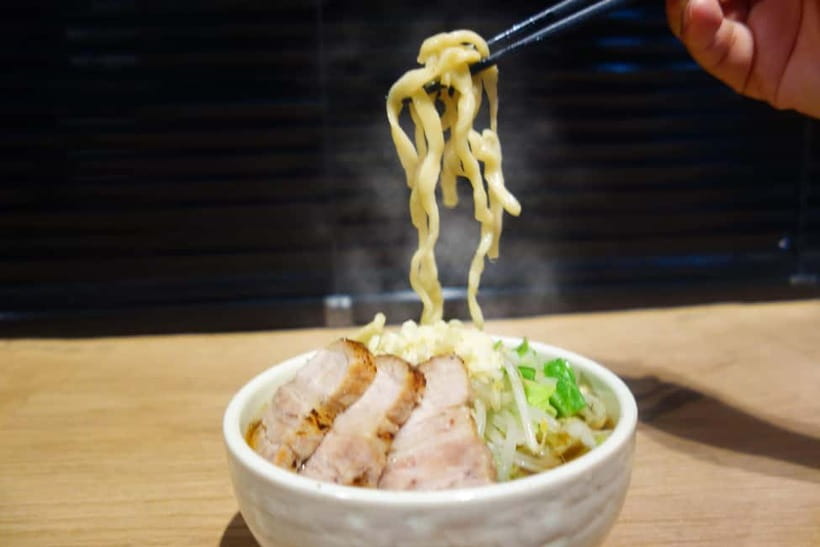
This class doesn’t start in the kitchen. It starts in the market, with a supermarket walk of about 20 minutes.
This is one of the best parts because you can actually see the ingredients you’ll use. Your guide explains what they’re buying for that day’s ramen and how those products connect to the final bowl. That matters because ramen is one of those dishes where small choices change the outcome: noodle texture, soup depth, and toppings.
I especially like the Q-and-A feel. In Japanese cooking classes that focus only on technique, you might not know why you’re doing something. Here, you get the “so what” answer before the hands-on part. It also helps you later if you want to recreate the flavor at home—you’ll have a better sense of what to look for in a store.
One more practical plus: you’ll be walking through real Japanese packaging and ingredient names. Even if you don’t read Japanese well, it’s easier to connect labels to taste once your instructor has explained the purpose.
Train ride to Patia Kitchen Studios: close enough, planned enough
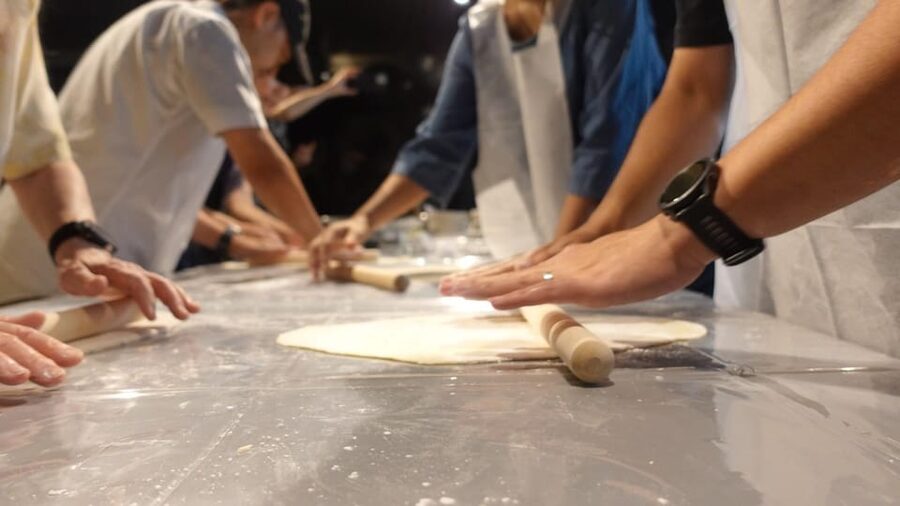
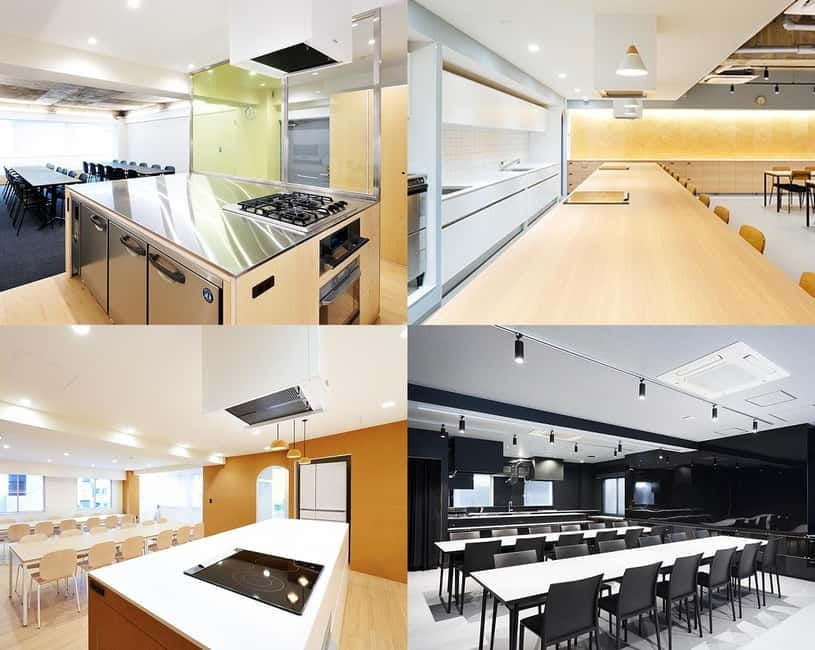
After the supermarket stop, you take a train to the modern kitchen studio. The class is run out of Patia Kitchen Studios, which is described as stylish, spacious, relaxing, and only a few minutes from the nearest train station.
This matters because you’re not fighting Tokyo transit while hungry and rushed. The transportation is part of the plan, and you can focus on getting to the cooking room without guessing how to transfer.
If you have any mobility concerns, note the general warning signs: the class isn’t listed as suitable for wheelchair users, and people with back problems may want to think twice. The studio is modern and spacious, but the activity still involves active prep time.
The ramen making class (about 90 minutes): where you go from flour to bowl
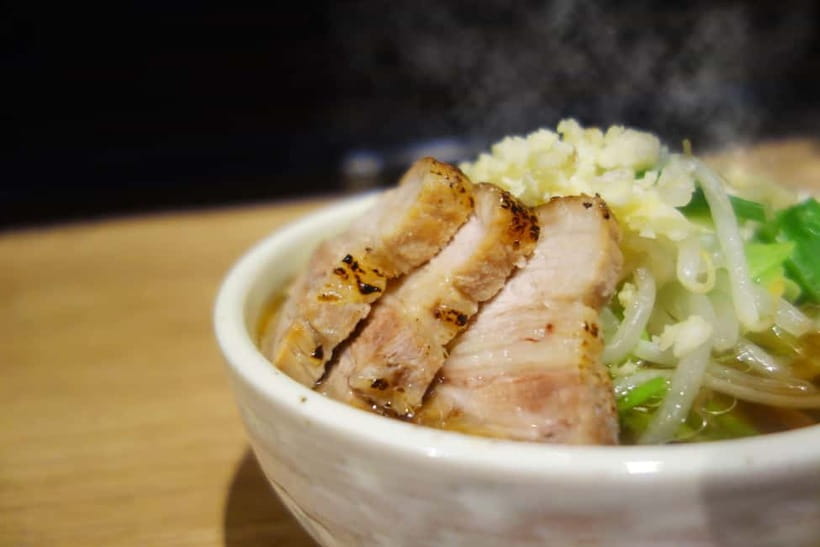
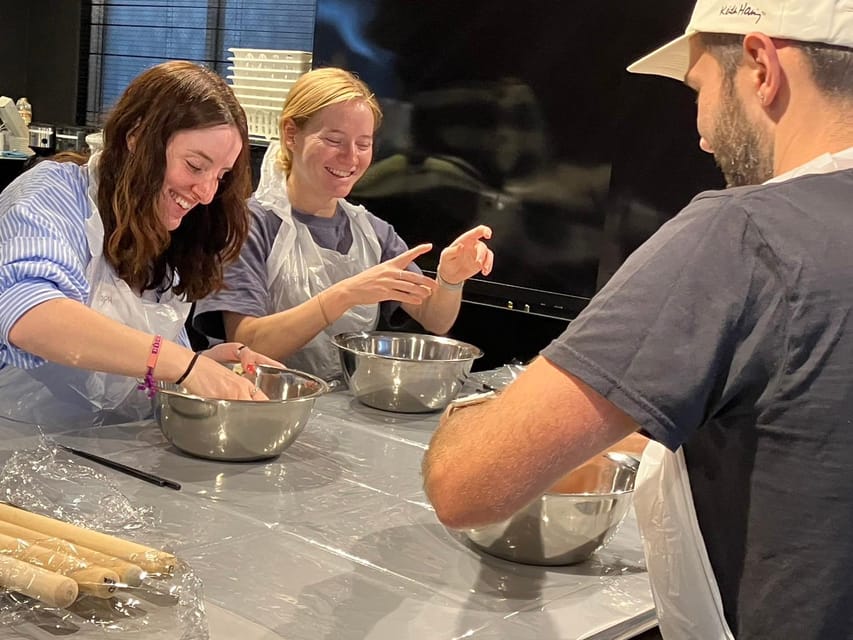
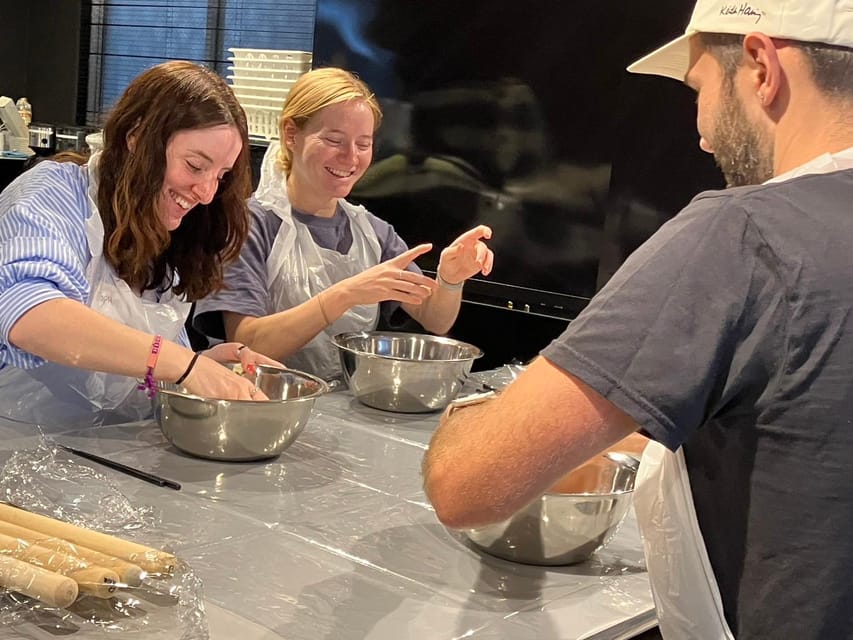
Now you get into the real work: ramen from scratch in a small group with an English-speaking instructor. The class runs about 90 minutes, which is enough time to do multiple steps without feeling rushed.





1) Making fresh noodles
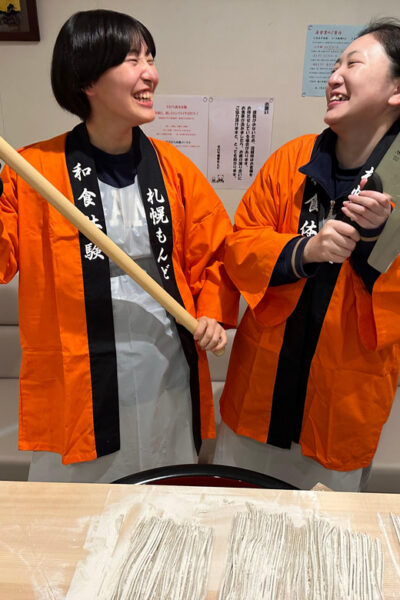
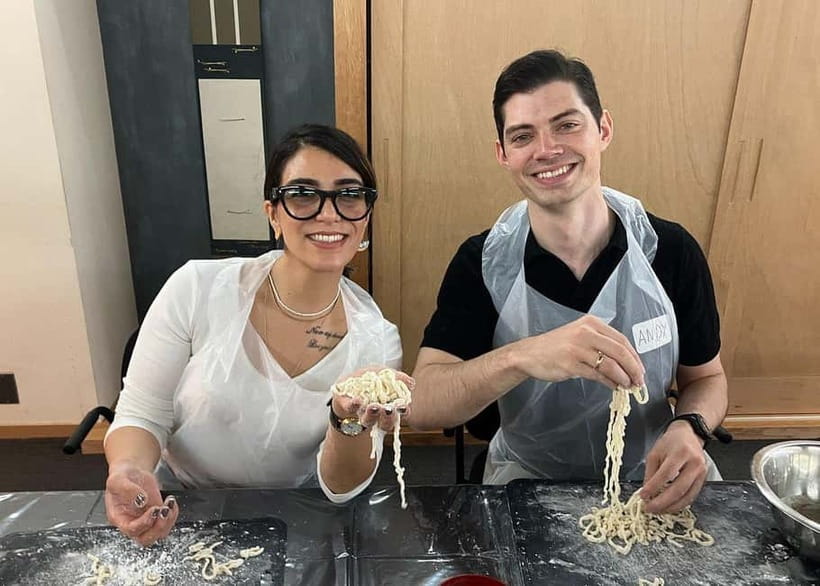
You’ll learn how to make the noodles from flour. This is not just a fun add-on. Noodles are the core of ramen texture, and learning the process gives you a better understanding of why Jiro-style ramen feels the way it does when you bite into it.
Expect a guided approach with clear steps. The group size of up to 6 people helps because you’ll get hands-on attention if you’re unsure about mixing, shaping, or timing.
2) Preparing the soup (broth)
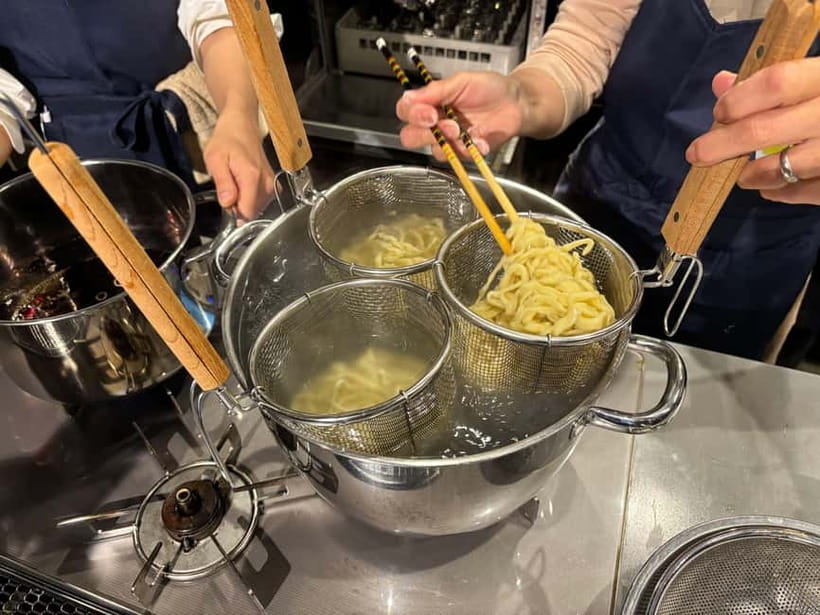
You’ll also prepare the broth. In many ramen experiences, the soup is treated like a black box. Here, you get taught how to put it together as part of the class flow, and you’ll see how the kitchen builds flavor rather than just serving it to you.
3) Cooking the chashu pork and toppings
Chashu is part of the classic experience you’re going for, and the class includes cooking it as a topping. You also bring everything together so your final bowl looks like the kind of ramen style you came for.
One of the most satisfying parts is that your work becomes your meal. You don’t leave the kitchen and then eat something unrelated. You sit down and enjoy what you cooked.
Jiro-style specifics and why this class is positioned as special
This course is specifically described as the only option where you can learn Jiro Style Ramen in English. That’s a big deal if you’ve tried ramen classes in Japan before and felt stuck on the language gap.
Even if you already know ramen basics, English guidance can still change your result because it helps you understand technique and ingredient role. For example, when a guide explains what you’re looking for while working (texture, timing, and the purpose behind ingredients), you’re more likely to recreate the bowl later.
And if you don’t know Jiro-style ramen yet, this class gives you an entry point that feels structured: ingredients first, then noodle and broth work, then toppings, then the finished bowl.
The guides and the human touch: it’s not just cooking
A few names came up in the experience details. One guide, Kyoko, was especially praised for being great with kids in one family’s group. Another guide, Aki, and chef Rowena were both praised for being friendly, attentive, and happy to answer questions.
That matters because ramen is teamwork in a small kitchen. If your instructor stays patient while you learn, you’ll spend more time understanding and less time worrying about messing something up. From the way the class is described, it’s set up to keep the atmosphere calm and supportive even though you’re making several components.
What’s included, and how to judge the $116 price fairly
At $116 per person for a 3-hour experience, you’re not paying for a show. You’re paying for:
- A guided Akihabara walk plus a supermarket ingredient tour
- A hands-on cooking class with an English instructor
- Food and beverage during the experience
- Later-downloadable photographs
That price can feel high if you compare it to a “meal-only” ramen lunch. But if you compare it to classes elsewhere, the value comes from the combination: shopping guidance + noodle-making technique + broth and chashu preparation + eating what you made.
The English part also shifts the value. A special interest like Jiro-style ramen is hard to find taught in a language you can actually follow while cooking, especially with step-by-step ingredient context.
My practical take: if you want a souvenir that you can taste and repeat, this is the kind of class worth the money. If your goal is only to eat ramen, you might find cheaper options. But you won’t get the same learning payoff.
Timing and meeting points: make it easy on yourself
You’ll start at 11:00 AM at JR Akihabara Station, outside the Central Ticket Gate. The activity ends back at the meeting point is stated, but the class itself ends at the kitchen studio, which is in a different place from the station.
So the safe approach is: plan for some walking and transit at the end, and don’t schedule a tight appointment immediately after. Give yourself breathing room.
Also, show up early. If you’re more than 10 minutes late, the group will depart without you and you won’t get a refund. That rule is there to keep the cooking timeline on track.
For the cooking studio day, wear shoes you can stand and work in. The class isn’t listed as suitable for wheelchair users, and strollers aren’t allowed, so assume this is a normal urban activity with some active prep.
Who this class is for (and who should skip it)
This experience is a great fit if you:
- Want hands-on cooking, not just tasting
- Like Akihabara and want a guided way to see it
- Care about making noodles and learning technique
- Prefer English instruction for a detailed ramen method
Skip it if:
- You need vegetarian or vegan food. The class doesn’t offer options for either.
- You have mobility or back issues that could be aggravated by kitchen prep and standing time.
- You’re traveling with kids under 5. It’s not suitable for them.
If you’re a solo traveler, note the group is small and limited to 6 participants, but the reservation requires a minimum of 2 people per booking. That’s normal for classes, but it’s worth checking when you’re deciding.
Should you book it: my honest decision guide
Book this class if you want a structured, English-friendly ramen workshop that goes beyond opening a packet. The ingredient walkthrough plus the noodles-from-scratch approach makes it feel like you’re learning ramen, not just copying a final bowl.
Don’t book if dietary needs don’t match the menu. Since vegan and vegetarian options aren’t available, this is a must only if everyone in your group can eat the meat-based ramen components.
Finally, if you love Tokyo details—the anime-tech vibe of Akihabara and then a kitchen studio close to transit—this is one of those rare plans that links two parts of the city into one smooth day.
FAQ
How long is the ramen making and Akihabara tour?
The total duration is 3 hours.
What time does it start?
It starts at 11AM. You may need to check availability to see starting times.
Where do I meet the group?
Meet at JR Akihabara Station, outside the Central Ticket Gate.
Is the instructor English-speaking?
Yes. The class is taught in English.
Do I visit a grocery store during the experience?
Yes. You’ll do an Akihabara supermarket walk where your guide explains the ingredients used in the ramen.
Is food included?
Yes. Food and beverage are included with the cooking experience.
Are there vegetarian or vegan options?
No. Vegan and vegetarian options are not available.
What happens if I’m late to the meeting point?
If you are more than 10 minutes late, the group will depart ahead of you. In that case, you’ll be requested to come to the kitchen studio directly, and no refunds are made for the delay.
Where does the experience end?
The class ends at the kitchen studio, which is different from the Akihabara meeting point location. The activity is listed as ending back at the meeting point, so it’s smart to double-check the day-of directions provided by the operator.