REVIEW · TOKYO
Tokyo: Mt. Fuji, Hakone, Arakura Fuji Sengen w/ Ramen Making
Book on GetYourGuide →Operated by LIMON Tours · Bookable on GetYourGuide
Mt. Fuji plays hide-and-seek with your camera. That’s part of the charm on this Tokyo day trip, where you chase big views from Arakura Fuji Sengen Shrine and Tenku no Torii, then mix in hands-on food at a Mt. Fuji ramen stop.
I especially like the combo of a focused ramen-making lunch and a real sightseeing pace on Lake Ashi. You’re not just driving past scenery; you’ll actually ride it, then get that Mt. Fuji postcard angle around Chureito Pagoda.
One thing to plan for: it’s a long coach day, and the best scenery moments depend on clear weather. If fog rolls in, Fuji can go shy fast.
In This Review
- Key points worth knowing
- A Mt. Fuji Day Trip With Real Variety, Not Just Photo Stops
- The Shinjuku Start: Why the Early Departure Matters
- Lake Ashi Pirate Ship: The Relaxing Midday Reset
- RamenFactory Mt. Fuji: Hands-On Noodles Are the Main Event
- Arakura Fuji Sengen Shrine and Chureito Pagoda: Where Your Photo Effort Gets Rewards
- Oshino Hakkai: The Eight Ponds Story You Can Taste With Your Eyes
- Timing, Weather, and How to Avoid a Fogged-Out Day
- Price and Value: Why $126 Can Be a Fair Deal
- Who Should Book This (and Who Might Want to Rethink It)
- Should You Book This Mt. Fuji, Hakone, and Ramen Day Trip?
- FAQ
- Where do I meet, and what time does the tour start?
- How long is the tour, and where does it end?
- Is lunch included, and what do I do during the ramen experience?
- Can the tour accommodate vegetarian, halal, or vegan meals?
- How hard is the walk to the Chureito Pagoda area?
- What should I bring for the day?
Key points worth knowing
- Arakura Fuji Sengen Shrine gives you the classic Chureito Pagoda view, plus the option to choose stairs or a gentler path (398 steps vs. slope).
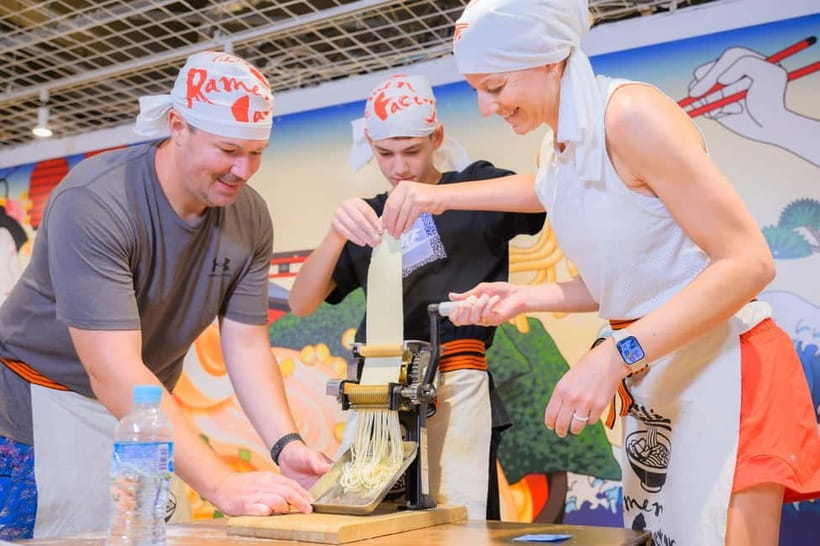
- Ramen from scratch means you make noodles, then customize broth, seasonings, toppings, and even how firm your noodles feel.
- Lake Ashi pirate cruise is a low-effort break during a big day, with Mt. Fuji sightings possible when visibility is good.
- Oshino Hakkai’s eight ponds come from Fuji’s melted snow filtered for decades through volcanic rock.
- The day is designed around photo windows, so move efficiently once you’re at each stop.
A Mt. Fuji Day Trip With Real Variety, Not Just Photo Stops
This is a full-on Mt. Fuji, Hakone, and ramen day trip from Tokyo, built around four big experiences: shrine views, ramen-making lunch, a Hakone boat ride, and Oshino Hakkai ponds. If you like your days structured but not stressful, this one makes sense. You get to see major sights without having to arrange transport between them yourself.
What makes the itinerary work for me is the rhythm. You start with the kind of morning energy that usually means better chances for clear skies. Then you feed yourself with something you create (ramen always beats grabbing lunch at random). After that comes lake time, which is the easiest “sit back and enjoy” segment of the whole day. By the time you end in Oshino Hakkai, you’re ready for a quieter, scenic wander.
The trade-off is simple: it’s long. You’re out most of the day on a coach. Even with comfortable driving, your legs will appreciate good shoes and a bit of pacing.
You can also read our reviews of more tours and experiences in Tokyo.


The Shinjuku Start: Why the Early Departure Matters
You meet at the Shinjuku Center Building, about a 7-minute walk from JR Shinjuku Station West Gate. The meeting time is 7:30, and the bus leaves at 7:40. That early start isn’t just for convenience—it’s because Mt. Fuji viewing is weather-dependent, and early light can help.
The coach portion is split into two major drives: about 2.2 hours to the Hakone/Lake Ashi area, then about 2.5 hours back toward Shinjuku at the end of the day. During that time, you can do the practical stuff that makes the rest of the day smoother: charge your phone, check your camera settings, and keep water handy.
A detail I’d take seriously: the schedule can shift due to traffic or weather for safety. So if your camera is set to something fancy, consider bringing a backup mode—because rainy or foggy conditions can change what you’re able to photograph.
Lake Ashi Pirate Ship: The Relaxing Midday Reset
Once you reach Lake Ashi, you’ll board the Hakone Pirate Ship for a ride of about 25 minutes. It’s the kind of segment you’ll feel in your shoulders—less walking, more breathing room. Lake Ashi is famous in part because it frames Fuji so well when you have clear sightlines.
During the cruise, your job is mostly to look outward and let the motion do the work. You’ll see the lake’s natural surroundings, and you’ll be in the right place at the right time for Fuji sightings if the weather cooperates. Even when the view isn’t perfect, the lake gives you a break from the bus and turns the day into more than a checklist.
If you’re worried about this being too short, you’re not alone—coach tours often compress each stop. But this boat ride works because it’s timed as a reset, not a full day activity. You get enough time to enjoy the scenery without eating up the day.
RamenFactory Mt. Fuji: Hands-On Noodles Are the Main Event
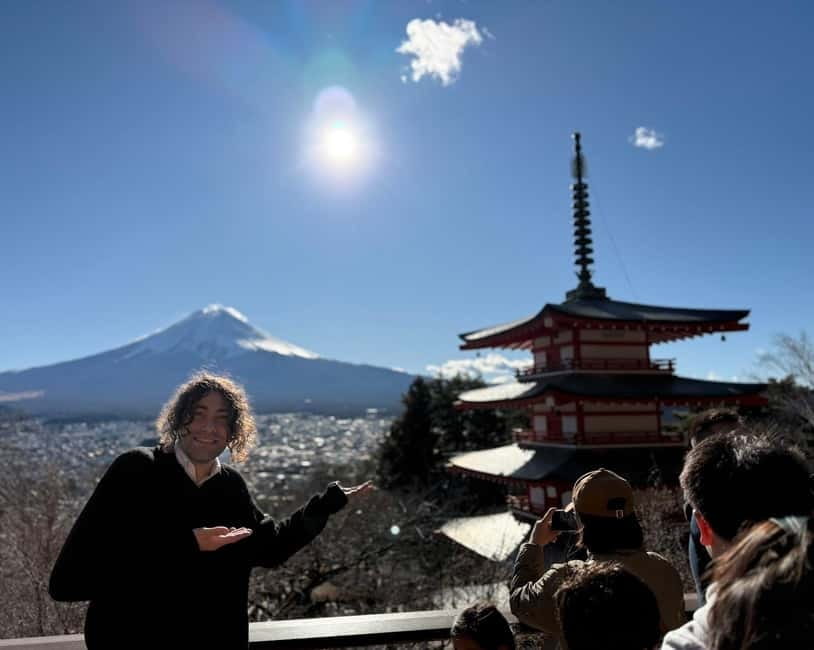
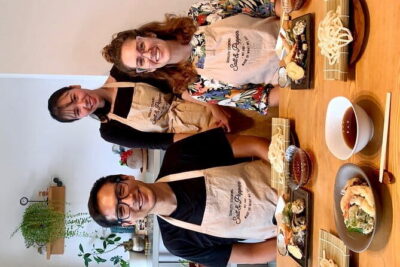
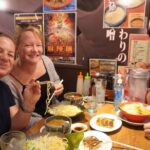
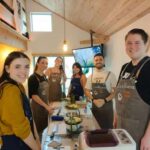
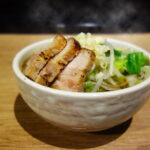
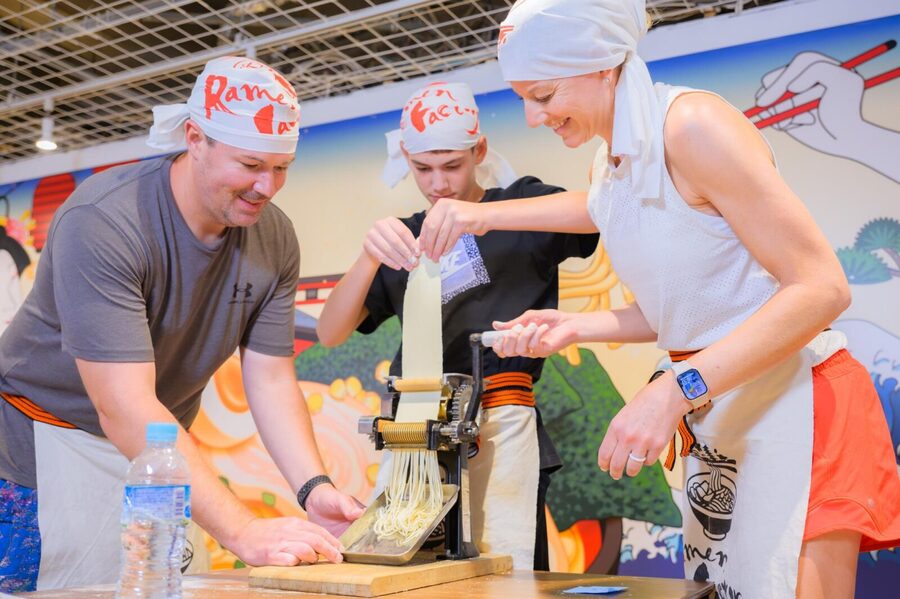
The most memorable part for a lot of people is the ramen-making experience at RamenFactory Mt. Fuji. You’re not just eating ramen—you’re building it, start to finish. That means you’ll begin from scratch, including making your own noodles. Then you’ll customize your bowl with choices for soup base and seasonings, plus toppings.
One of the best parts is the personalization. You can choose your noodles’ firmness by boiling them to your liking. That small detail matters because ramen is all about texture. People often think of ramen as one flavor; here, you experience why it can change completely with small decisions.
This is also a practical win for a day trip. When lunch is part of the activity, you’re not scrambling to find food near the next photo stop. You sit down, work through the process, and then eat what you made while it’s still fresh.
Important caution: the tour data says lunch isn’t included in the base list, but it also says the ramen-making experience/lunch is part of what’s included. In real life, that usually means your ramen meal is part of the scheduled experience. Still, when you book, double-check what exactly is covered so you don’t end up surprised at the restaurant counter.
Arakura Fuji Sengen Shrine and Chureito Pagoda: Where Your Photo Effort Gets Rewards
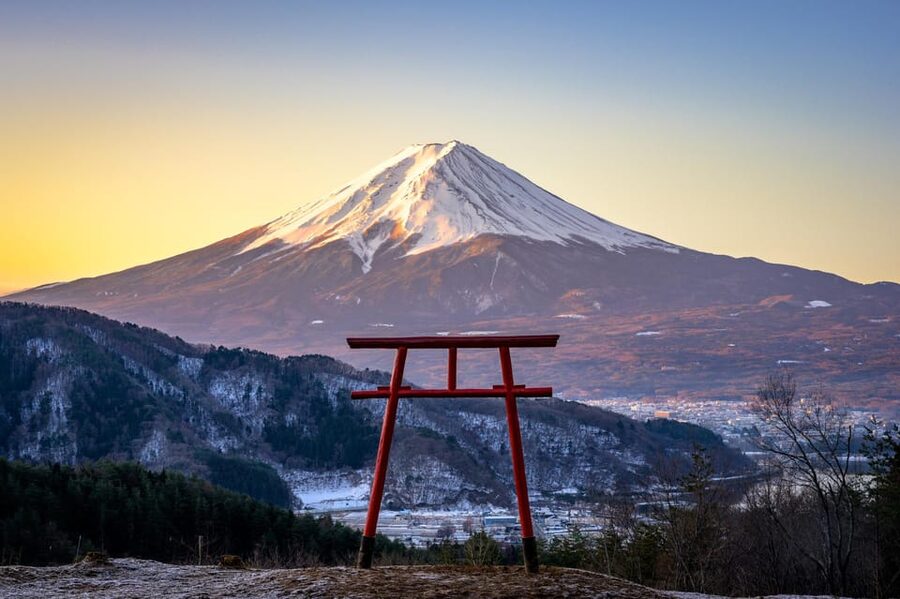
After ramen, you head to Arakura Fuji Sengen Shrine, a Shinto site with a long connection to Fuji. The shrine traces back over 1,500 years, with roots dated to 705. It’s also known for views of Mt. Fuji and for cherry blossoms (so in the right season, this place is even more photogenic).
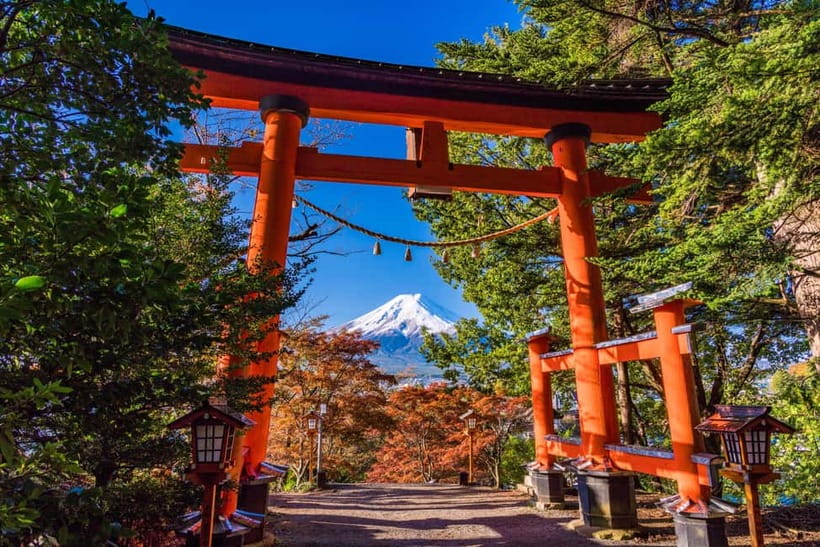
You’ll walk through a dramatic red torii gate and then continue up the path toward the main area. Along the way, you’ll see other smaller shrines, including:
- Shiogama Shrine (connected with safe childbirth)
- Atago Shrine (connected with fire protection)
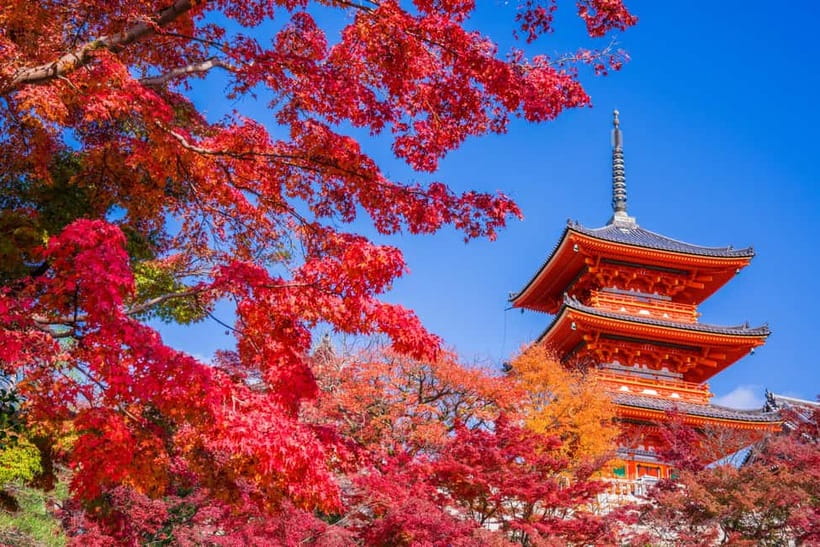
Then comes the big viewpoint: the area with the classic five-story Chureito Pagoda and an observatory deck. From here, you can also chase the Tenku no Torii mountaintop-style view mentioned as a highlight. This is the moment where the day stops feeling like commuting and starts feeling like a mission accomplished.
Now, the one consideration you should not ignore: to reach the Chureito Pagoda viewpoint, you can take either:
- the 398-step staircase, or
- a sloping path that’s gentler.
If your day’s already long from the bus ride, pick the option that matches your energy. The view is worth it, but so is not arriving at the shrine with sore knees.





Oshino Hakkai: The Eight Ponds Story You Can Taste With Your Eyes
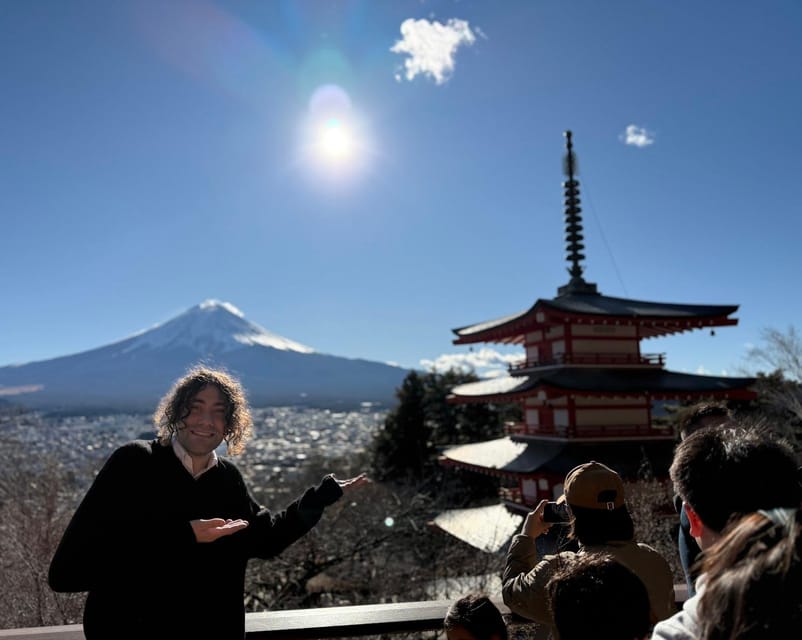
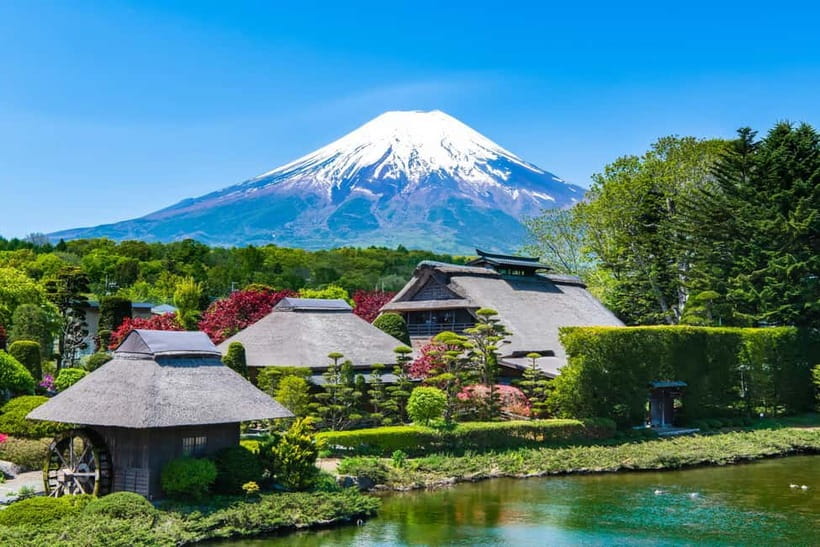
Next up is Oshino Hakkai, in Yamanashi Prefecture. The name refers to eight seas, which hints at the eight ponds that feed the area’s calm, scenic atmosphere.
Here’s the cool part you can actually understand while you walk: these ponds are formed from melted snow from Mt. Fuji’s peak, filtered through volcanic rock over an 80-year process. That’s a big timescale, and it changes how you see the ponds. They’re not just pretty water features; they’re part of a long natural system.
At Oshino Hakkai, you’ll also get time to explore the markets and local vendors. The area is known for local sales like wine, fresh fruit, souvenirs, and regional treats. This is where you can slow down, pick up something small, and end the day with a more local feel instead of another big sightseeing push.
The vibe here is less about getting one perfect photo and more about wandering comfortably. If you’ve been moving quickly all day, this stop is a nice payoff.
Timing, Weather, and How to Avoid a Fogged-Out Day
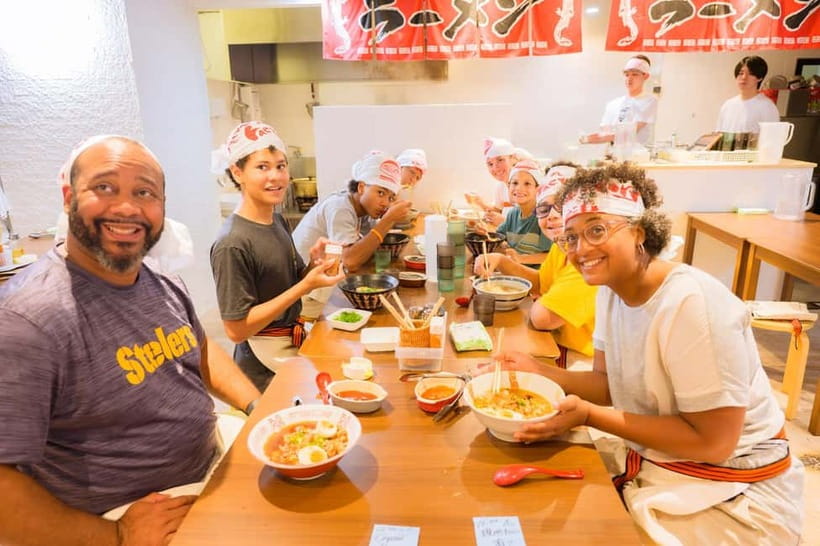
Mt. Fuji visibility is the wildcard on any Tokyo day trip. The tour includes multiple viewpoints, which is a smart strategy. If one spot is covered by mist, you still have other chances at different angles and altitudes.
Even with that strategy, you should go in with realistic expectations. If conditions are foggy, the mountain can disappear. The good news is that the itinerary still has value even when Fuji is shy—shrines are worth seeing, the boat ride adds mood, and Oshino Hakkai is still scenic.
So here’s how I’d plan mentally:
- Go for the early opportunities (the Arakura views and photo angles).
- Use the boat ride as your “don’t stress” segment.
- If Fuji appears even briefly, take it. You can’t control the weather, but you can control whether your camera is ready.
One more practical tip from the way this trip is structured: since it’s a long day, don’t spend too long deciding what to do at each stop. If there’s a main viewpoint route, pick it fast, then enjoy the time you have.
Price and Value: Why $126 Can Be a Fair Deal
At $126 per person for an 11.5-hour day, you’re paying for a lot of transportation and organization. The value isn’t just the sights—it’s the way the day is packaged.
You’re getting:
- an English-speaking live guide
- a ramen-making experience and lunch
- a cruise boarding ticket on Lake Ashi
- guided sightseeing time at the main stops
When you compare that to piecing together your own Mt. Fuji day trip plans from Tokyo—coach tickets, entrance logistics, and the time it takes to coordinate transport—this kind of fixed itinerary starts to look more reasonable. The ramen class alone turns the day from sightseeing into a memory with a skill you actually practice.
A subtle value point: having a guide helps when you want to move quickly and still understand what you’re seeing. People in the provided feedback often single out guides like Mayumi and Hiro for clear directions and helpful care, and that kind of guidance makes a long coach day feel less chaotic.
Who Should Book This (and Who Might Want to Rethink It)
This tour fits you if:
- you want a one-day Mt. Fuji and Hakone hit
- you love food experiences where you actually cook
- you don’t want to handle multiple transfers on your own
- you’re okay with a long day in exchange for lots of major stops
You might want a different plan if:
- you have limited stamina for walking and stairs (even though there’s a sloping path option)
- you can’t handle long coach rides
- you’re traveling very specifically for one single view angle and want a slower pace with more flexibility
The itinerary mixes different textures of travel: sacred shrine time, a hands-on cooking lunch, and a calm boat ride. That variety helps most people feel satisfied even if weather isn’t perfect.
Should You Book This Mt. Fuji, Hakone, and Ramen Day Trip?
If you want a well-structured day that covers the big icons—Arakura Shrine/Chureito Pagoda, Lake Ashi, and Oshino Hakkai—and you also want a memorable meal you make yourself, this is an easy yes. The ramen-making part is the standout value add, and it makes the day feel more than just transportation between photo points.
If Fuji is your only priority and you’re anxious about fog, understand the risk going in. But with multiple viewpoints and a plan that still offers real experiences even when visibility is imperfect, you’re likely to leave with a day you can talk about.
FAQ
Where do I meet, and what time does the tour start?
You meet in front of the Shinjuku Center Building at 7:30 and depart at 7:40. It’s about a 7-minute walk from JR Shinjuku Station West Gate. Look for a guide wearing a yellow LIMON sign.
How long is the tour, and where does it end?
The total duration is about 11.5 hours, and the tour ends back at the same meeting point in Shinjuku.
Is lunch included, and what do I do during the ramen experience?
You’ll have a ramen-making experience/lunch where you start from scratch, including making your own noodles. You then customize your ramen by choosing your soup base and seasonings, toppings, and noodle firmness.
Can the tour accommodate vegetarian, halal, or vegan meals?
Vegetarian meals require contacting the provider at least 7 days in advance. Halal and vegan lunches are not available.
How hard is the walk to the Chureito Pagoda area?
To reach the viewpoint, you can choose either a 398-step staircase or a sloping path.
What should I bring for the day?
Bring comfortable shoes, a camera, snacks, and water, plus comfortable clothes. Avoid oversize luggage and pets, and note smoking isn’t allowed in the vehicle.