REVIEW · TOKYO
Ramen and Sushi Cooking Class with Sake Pairing Set in Tokyo
Book on Viator →Operated by Sushi Making Tokyo Cooking Class in Japan · Bookable on Viator
Tokyo moves fast. This class does not.
In just about 3 hours, you’ll make sushi and learn to brew ramen broth from scratch, then taste sake chosen to match what you cooked. The real win is the small group setup (max eight), so the instructor can watch your form and correct small mistakes before they turn into big, soggy rolls.
I also like that you get English-speaking guidance plus the ingredients and drinks are handled for you, so you can focus on cooking instead of shopping. The one catch to plan for: there’s no hotel pickup, so you’ll want to reach the Tsukishima meeting point on your own using nearby public transport.
In This Review
- Key things that make this cooking class work
- Tsukishima cooking class energy: small group, real attention
- Finding the meeting point in Chuo City (Tsukishima)
- Sushi station: hands-on rolling and the tricks that matter
- Ramen broth from scratch: how flavor gets built
- Sake pairing: drinking with purpose, not as an afterthought
- The meal, the view, and learning Japanese food culture without a lecture
- Price and value: what $79.59 actually covers
- What the group size and timing mean for your expectations
- Who this is perfect for (and who should think twice)
- Final call: should you book this Tokyo ramen, sushi, and sake class?
- FAQ
- How long is the Ramen and Sushi Cooking Class in Tokyo?
- What’s the group size limit?
- What language is the instruction provided in?
- What’s included in the price?
- Is hotel pickup or drop-off included?
- Where does the class meet?
- Does the tour use a mobile ticket?
- Is this experience near public transportation?
- Is a service animal allowed?
- Is there free cancellation?
Key things that make this cooking class work
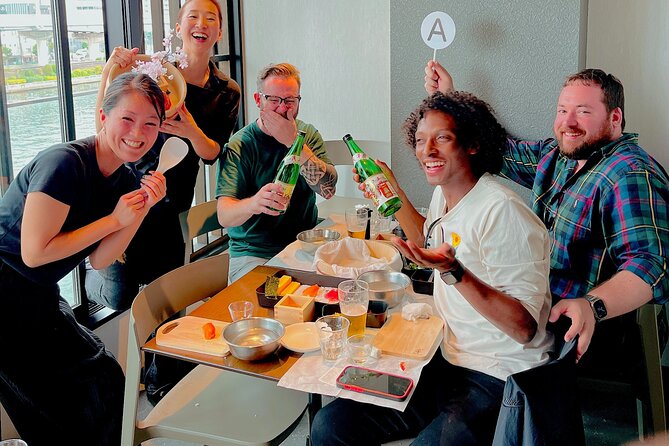
- Max 8 people: more one-on-one help, less waiting your turn
- Sushi + ramen + sake in one session: you leave with a full menu idea, not just one dish
- Broth from scratch: you learn the flavor-building logic, not just the final taste
- Sake pairing: selected to complement what you cook, not random tasting
- A laid-back, fun pace: you’ll practice, eat, and learn without feeling rushed
Tsukishima cooking class energy: small group, real attention
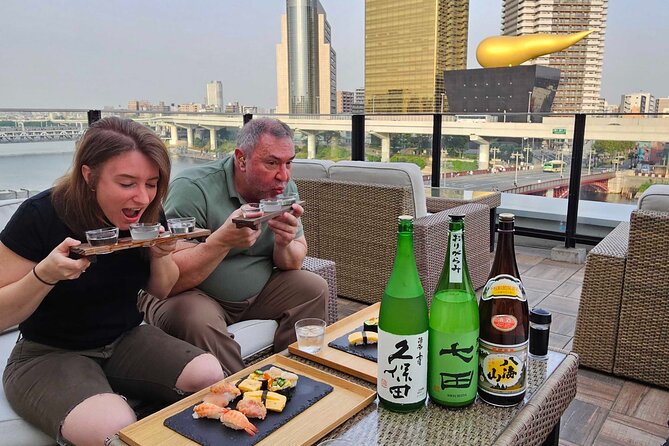
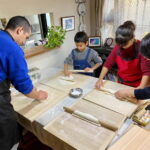
Tokyo has no shortage of food tours. This one is different because it’s built around doing. You don’t just watch. You handle the rice. You follow the steps. You get feedback while your hands are still on the work, which is when learning actually sticks.
The class caps at eight travelers, and that changes the whole feel. With a larger group, your instructor becomes a performer. Here, the leader can spot the common problems early—like rice pressure, roll tightness, or seasoning balance—and correct them fast. That’s why people often end up feeling more confident than they expected.
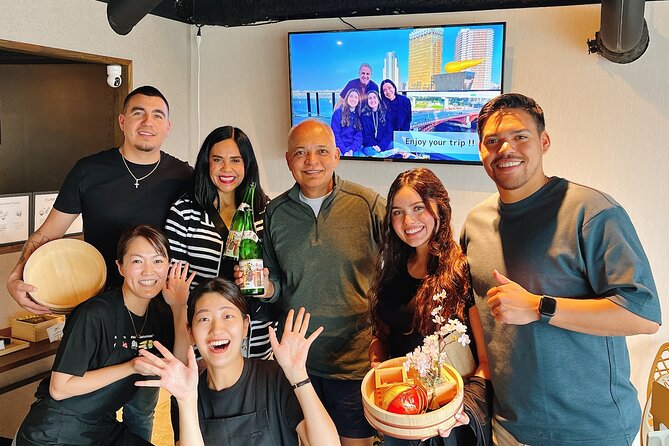
You’ll also notice the atmosphere is intentionally relaxed. Even in quick sessions, the tone stays calm and friendly. Reviews mention hosts who keep things warm and easygoing, and the group stays small enough that it feels like a cooking evening with good teachers, not a conveyor belt.
You can also read our reviews of more tours and experiences in Tokyo.


Finding the meeting point in Chuo City (Tsukishima)
The class starts at HAUS Tsukishima, 2-chōme-13-5, Chuo City, Tokyo (104-0051). It ends back at the meeting point, so you’re not dealing with a second transfer after you eat.
Because there’s no hotel pickup, treat this as a “show up on time” plan. The location is described as near public transportation, so you should be able to get there without a complicated route. Still, give yourself buffer time. Tokyo trains are great, but directions plus a new neighborhood can steal minutes.
Practical move: save the address exactly as written in your maps app before you go. You’ll avoid the last-mile stress that can drain the fun out of an otherwise great experience.
Sushi station: hands-on rolling and the tricks that matter
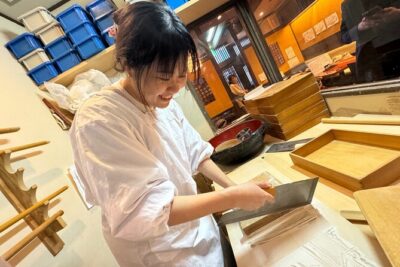
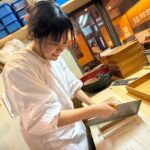
Sushi is the part of the experience you’re most likely to feel immediately. You’ll craft your own sushi during the class, guided step by step. The goal isn’t just to make something that looks right. It’s to understand the small techniques that make sushi hold together and taste balanced.
In classes like this, sushi training usually comes down to a few core skills:
- Getting the rice right (texture and temperature)
- Spreading and seasoning evenly
- Rolling with consistent pressure
- Making clean cuts so the inside looks as good as the outside
What I like here is that the instruction is in English, which means you can focus on technique instead of translating on the fly. Reviews also point out that the guidance can be close and personal, especially in smaller groups. If you’ve tried learning sushi at home by video and felt stuck, a live instructor who can watch your form is exactly the kind of fix you need.
There’s also a cultural layer. Several reviews mention a quiz about the history and facts of sushi and ramen. Even if you think you know the basics, these quick checks usually help you remember why certain steps exist—like what makes rice seasoned the way it is, or what changes in preparation affect the final bite.
Ramen broth from scratch: how flavor gets built
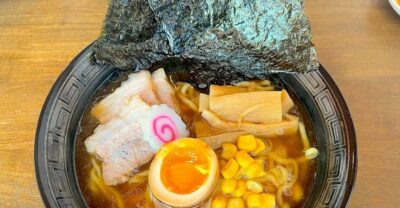
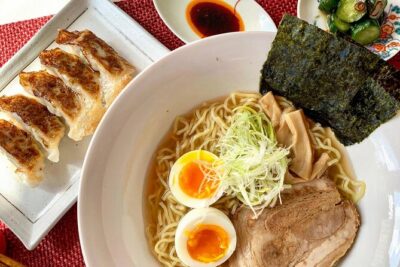
The ramen portion is the big educational payoff. You learn to brew savory ramen broth from scratch, and that matters because broth is where most home attempts go sideways. People often nail noodles or toppings, then wonder why the broth tastes flat.
Broth is a process of decisions: timing, heat control, and balancing depth with clarity. In a short class, you won’t become a ramen-shop chef. But you can absolutely come away with a practical method—one you can repeat at home with less guesswork.
One review specifically mentions pork belly in the ramen. That’s a helpful hint for what kind of flavors you’ll be working with, because pork-based toppings bring richness that needs the broth to handle it properly. If you love hearty ramen, you’ll likely enjoy that combination here.
Also note: ramen prep may feel a bit less hands-on than sushi, with more guidance and customization during the process. That can be a good thing. Sushi often demands fine motor control and repetition. Broth demands patience and attention to simmering and flavor building. Having instruction that guides you through those choices means you don’t have to suffer through a pot of regret at home.
Sake pairing: drinking with purpose, not as an afterthought
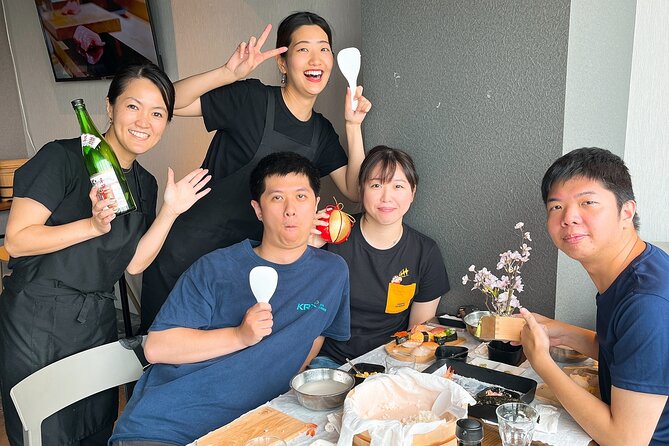
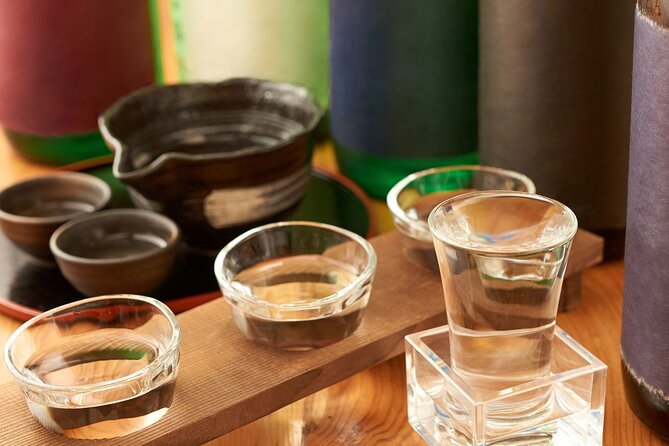
Food classes can treat sake like a random add-on. This one treats it like part of the menu. Sake is included, and it’s selected to complement your dishes.
Sake pairing is where the experience feels more grown-up. You’re not just tasting alcohol. You’re tasting how flavor changes when you match it with something salty, fatty, or savory. Ramen broth and sushi both have strong flavor personalities, and sake can either cut through or soften those edges depending on the pour.
Reviews mention that some sake served is smooth, and that there are good options. That’s exactly what you want from a pairing: easy to drink, not so harsh that it distracts you from the food. Even if you don’t drink much at home, this kind of tasting is a low-pressure way to learn.
If you’re a sake fan, you’ll probably appreciate the pairing logic. If you’re new, you’ll likely like that the class frames it as part of cooking rather than a separate activity.


The meal, the view, and learning Japanese food culture without a lecture
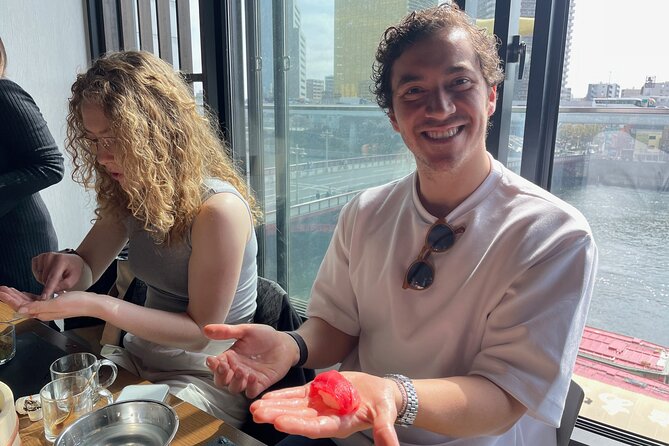
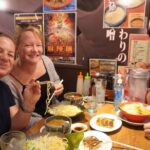
The class isn’t all work and no play. You’ll eat the food you make. That’s huge. Cooking skills stick faster when you taste the result right away and connect your hands-on choices with the final flavor.
Reviews also mention a pleasant setting with a river view, which sounds like one of those small details that makes a class feel like a Tokyo moment. You’re in the city, but you’re not trapped in a loud tourist space. It feels more like a calm workshop.
And don’t underestimate the cultural pieces. This class includes stories behind the dishes you make, plus insights into culinary culture. You’re not getting an academic lecture. You’re getting context that helps you cook with better judgment.
If you’re the type who wants to understand why Japanese cuisine does things the way it does, you’ll probably enjoy this. If you just want a fun hands-on meal, the teaching still stays practical enough that you won’t feel stuck in theory.
Price and value: what $79.59 actually covers
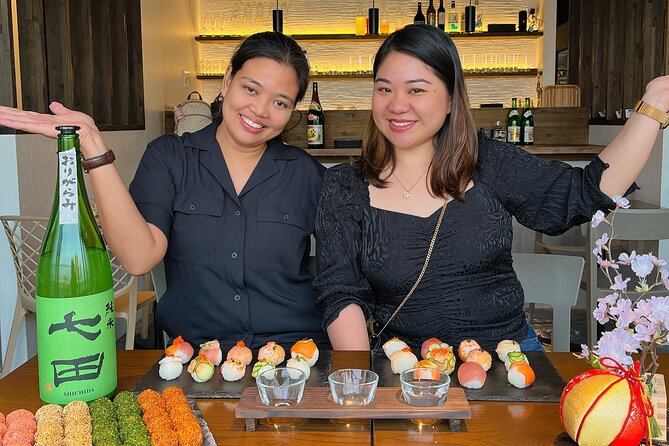
At $79.59 per person, this sits in the “worth it if it’s actually useful” category. Here’s the value math that matters for me:
You’re paying for:
- An English-speaking instructor
- Ingredients for the cooking and meal
- All drink included (so the sake is not extra)
- A small-group format that supports hands-on teaching
What makes that value real is the total experience package. You’re not buying a class that teaches one tiny thing, then leaves you hungry. You cook sushi, learn broth basics, taste sake, and then eat what you made. If you compare that to doing a sushi meal plus a separate activity, this tends to look like a cleaner deal.
One more value point: small group size. Paying a bit more for max eight can be worth it if it means you get corrections while you work. Those “small” corrections can be the difference between homemade sushi you’re proud of and homemade sushi you want to throw in the bin.
What the group size and timing mean for your expectations
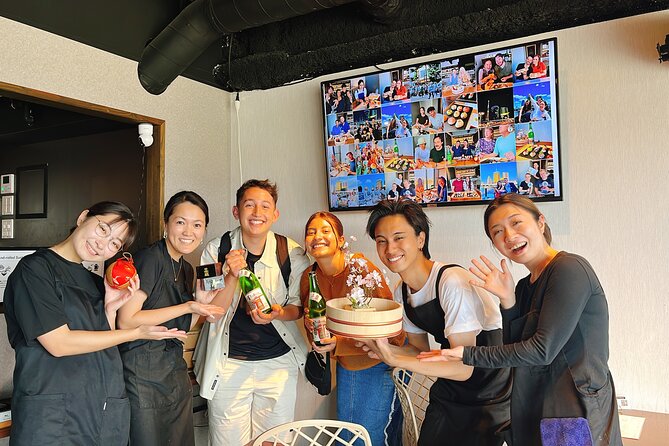
The class runs about 3 hours. That’s long enough to get hands-on with multiple tasks, but short enough that you won’t feel trapped there all afternoon.
In practice, you’ll want to treat it like a focused workshop:
- Expect a fast pace of instruction
- Plan to taste as you go
- Leave ready to repeat the method at home
The small group size also means you’ll likely get more personal attention than a bigger class. Multiple reviews highlight how close instructions feel and how hosts make everyone comfortable quickly.
If you hate crowded rooms, you’ll appreciate the max eight setup. If you want zero coordination and pure entertainment, this might feel like work, even if it stays fun.
Who this is perfect for (and who should think twice)
This cooking class is a great fit if you:
- Want to learn sushi beyond basics and get corrections in real time
- Love ramen and care about broth flavor, not just toppings
- Drink sake and like pairing it with food
- Prefer small groups and a teacher-led pace
It may be less ideal if you:
- Are tight on time and can’t get to Tsukishima without planning your transport
- Want a super heavy ramen experience where you do every broth step solo (the broth part can be more guided than fully hands-on, depending on the flow)
Overall, it’s a solid choice for foodies who want skills they can use again, not just a one-off meal.
Final call: should you book this Tokyo ramen, sushi, and sake class?
If you want a Tokyo food experience with a real “I can do this at home” payoff, I’d book it. The combination of sushi, broth from scratch, and sake pairing is a smart trio. The small group size and English-speaking guidance are the difference between trying harder and learning smarter.
Before you book, just make sure your schedule can handle a 3-hour block and that you’re comfortable reaching HAUS Tsukishima on your own. If you can do that, you’re in for a class that feels friendly, practical, and genuinely fun.
FAQ
How long is the Ramen and Sushi Cooking Class in Tokyo?
The class lasts about 3 hours.
What’s the group size limit?
The experience has a maximum of 8 travelers.
What language is the instruction provided in?
The class includes an English-speaking instructor.
What’s included in the price?
Included are the ingredients of the cooking class and meal, an English-speaking instructor, and all drinks.
Is hotel pickup or drop-off included?
No. Hotel pickup and drop-off are not included.
Where does the class meet?
The meeting point is HAUS Tsukishima, Chuo City, Tsukuda 2-chōme-13-5, Tokyo 104-0051.
Does the tour use a mobile ticket?
Yes, it includes a mobile ticket.
Is this experience near public transportation?
Yes. The meeting point is described as near public transportation.
Is a service animal allowed?
Yes. Service animals are allowed.
Is there free cancellation?
Yes. You can cancel for a full refund with free cancellation up to 24 hours in advance of the experience start time.