REVIEW · XIAN
3-Hour Biang Biang Noodles Cooking Class in Xi’an
Book on Viator →Operated by Trippest Travel · Bookable on Viator
Want noodle-making you can hear?
This Xi’an biang biang noodles class is built around a short, hands-on lesson plus a guided market walk that explains the ingredients behind the dish, not just the steps. I particularly like the small group size (up to 10), which keeps the pace friendly and the chef’s attention close.
The other thing I like is that you do more than watch: you’ll practice, then you’ll eat the noodles you made with tea or drinks. One consideration: it’s not a full cooking marathon, so if you want hours of nonstop cooking, expect more of a lesson-and-practice format than a private kitchen session.
In This Review
- Key things to know before you go
- Getting to Sajin Qiao: where the class starts and why that matters
- The spice market walk: the flavors behind biang biang noodles
- Inside the professional cooking school: what the setup is like
- Hands-on noodle making: technique, practice, and the famous sound
- Tea, coffee, and the noodle party meal you actually eat
- Price and value: is $74.88 a fair deal?
- Who should book this Xi’an biang biang class
- Timing and pacing: how the 3 hours usually feel
- Small practical tips so you start confident
- Book it or pass: my decision guide
- FAQ
- Where do I meet for the biang biang noodles cooking class?
- How long is the experience?
- Is hotel pickup included?
- Is the class wheelchair accessible?
- Do I eat the noodles I make?
- What language is used during the class?
- How big is the group?
- Is tea or drink included?
- Is the booking refundable if I cancel?
Key things to know before you go
- Meet at Sajin Qiao (Sa Jin Qiao) Subway Station, Exit D so you can arrive with confidence and start on time
- Up to 10 people max, which makes questions easier and the experience feel personal
- Spice market time so you understand what goes into the sauce and seasoning, not just how to form noodles
- English-speaking chef with tea/coffee breaks during the lesson
- Hands-on practice + noodle tasting at the end, so you leave fed and informed
- No hotel pickup, so you’ll need your own way to get to the meeting point
Getting to Sajin Qiao: where the class starts and why that matters
The meeting point is Sa Jin Qiao Subway Station, Exit D, Line 1, near Sajin Bridge. Arriving here is the whole trick for starting smoothly, since there’s no hotel pickup. If you use public transit, this is a straightforward meet-up.
Because the tour runs about 3 hours total, that meeting time matters more than usual. If you’re even a bit late, you can lose part of the market portion and the first practice cues.
One more practical note: this experience is not wheelchair accessible, so plan accordingly if you need step-free routes or extra assistance.
You can also read our reviews of more tours and experiences in Xian.

The spice market walk: the flavors behind biang biang noodles
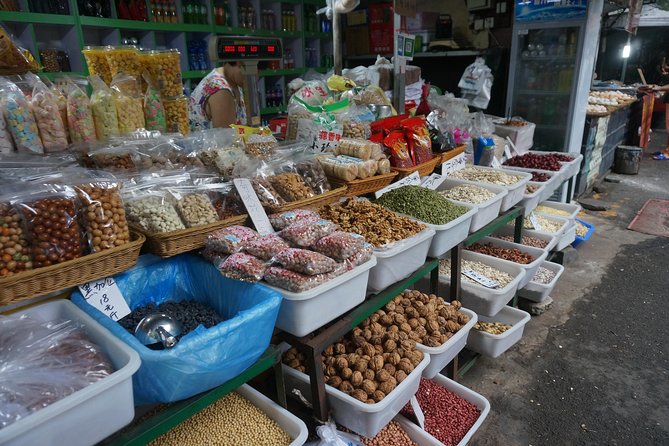
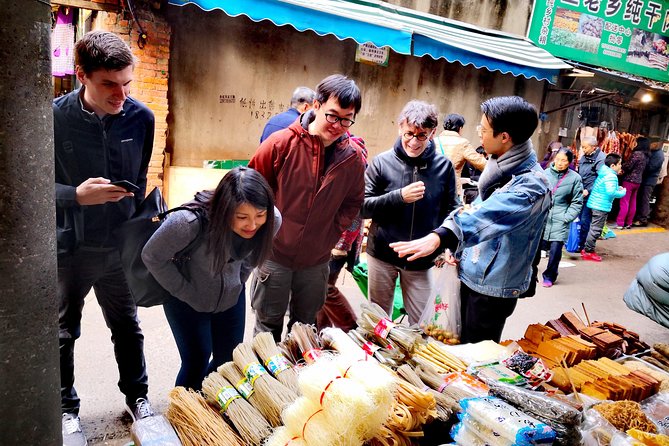
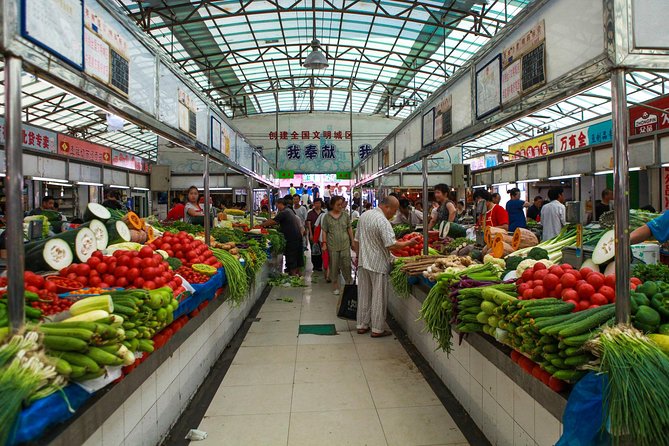
Before you touch dough, you’ll go to an authentic local spice market with your noodle teacher and/or guide. This is where the experience feels more meaningful than a cookie-cutter cooking demo. You’re not just learning a recipe; you’re learning how people shop for flavor in Xi’an day to day.
You’ll focus on local spices and ingredients that get used while cooking. The best part is that the guide is there to explain what you’re seeing, which helps you understand why certain seasonings get used for a dish like biang biang noodles—especially the punchy, aromatic style that makes the noodle sauce unforgettable.
Based on past experiences with hosts like Michael and guides such as Susan, you’ll also get a guided sense of the area, including walking segments that feel like you’re moving through real neighborhood routes rather than a staged shopping strip. That kind of wandering time is small, but it’s often what makes the class feel fun instead of purely instructional.
Inside the professional cooking school: what the setup is like
The class takes place in a professional cooking school connected to a famous local restaurant. That matters because you’re cooking in a place designed for lessons and busy service—not a cramped back room where you’re squeezing around one station.
In a real teaching kitchen, you can expect a smoother flow: brief explanations, then clear steps, then practice. And you’re not left guessing about the basics. The chef provides the technique and you repeat it.
You’ll get an English-speaking chef, plus tea and coffee during the learning portion. That breaks up the pace and makes the class feel like a relaxed food morning rather than a rushed workshop.
Also, with a max of 10 travelers, you avoid the awkward “wait time” that can happen on larger food tours. More hands-on attention usually means more confidence when you start making the noodles.
Hands-on noodle making: technique, practice, and the famous sound
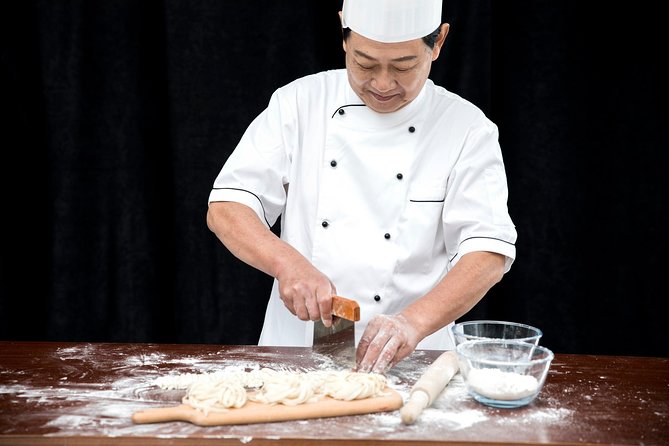
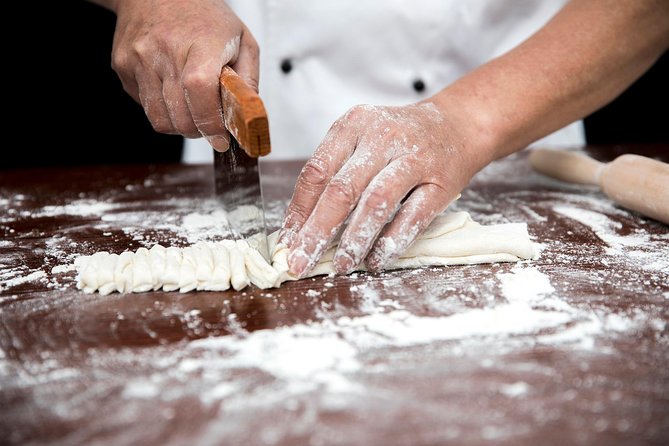
Biang biang noodles are famous for more than taste. They’re known for the distinctive sound you hear when the dough is handled and worked correctly. In this class, that idea shows up as part of the instruction: you’re learning the mechanics and the timing, not just the end result.
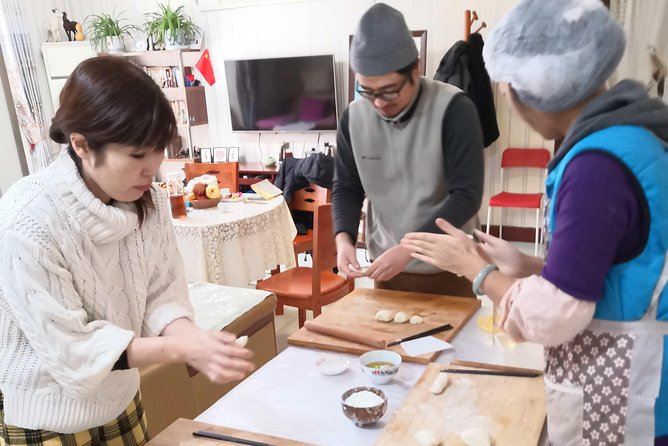
The lesson is about one hour of instruction and practice inside the cooking school. You’ll learn how to make this classic Xi’an noodle dish from your noodle teacher/chef, then you’ll get time to put the steps into action yourself.
Here’s what I think is the smart way to approach this part: treat it like a skill session. Some steps will feel different the first time—especially if you’re new to dough and stretching. Don’t worry about perfection. The goal is to understand how the noodle texture comes together.
From the way the experience is described, it’s also not strictly a “pure cooking course.” It’s more like a guided noodle lesson plus ingredient context and market time. That actually works well because when you know what’s in the spices and sauce, the noodle practice feels like it connects to real flavor, not just a technique you’ll forget.
Tea, coffee, and the noodle party meal you actually eat
After you finish making the noodles, you’ll eat what you prepared. This is the best kind of payoff: you’re not tasting a finished dish someone else made and calling it “hands-on.”
You’ll be treated to Chinese tea or drinks when it’s time to eat. Then you can focus on the real question: does it taste like Xi’an? For biang biang noodles, that usually comes down to texture, seasoning balance, and how well the sauce clings.
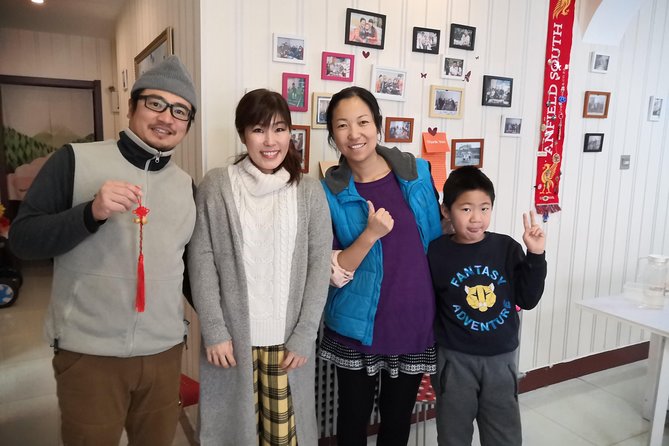
This is also where the class has a social edge. With only a small group, it’s easy to share plates, compare your noodle shapes, and talk with the chef/guide about what you’re noticing. In past experiences led by hosts such as Michael, the vibe leaned toward fun and lively conversation, not stiff classroom energy.
And since you’re in a professional setting, the food portion should be timed well so you’re not waiting around while everyone else finishes.
Price and value: is $74.88 a fair deal?
At $74.88 per person, the big question isn’t just the number. It’s what you get for that money: a small-group experience, a market walk, chef-led instruction in an established cooking school, drinks, and the chance to eat the noodles you made.
What pushes value higher here is the combination:
- Market time for ingredients and spices, which many cooking classes skip
- English-speaking chef and guided technique
- Practice time, not just a demonstration
- Included tea and drinks plus the meal you cook
The one trade-off is that there’s no hotel pickup, so you’ll spend some time getting to and from Sajin Qiao yourself. If you’re staying far away from Line 1, that can slightly reduce the “value” because it adds effort.
Still, for a 3-hour, small-group food experience that includes both learning and eating, this price tends to be reasonable—especially if you like cooking that explains the ingredients along the way.
Who should book this Xi’an biang biang class
This tour is a good fit if you want a hands-on food experience without committing to a full-day cooking adventure. You’ll enjoy it if you like:
- learning noodle culture through real local ingredients
- a small group setting where you can ask questions
- market walking that feels practical, not touristy
It’s also ideal for food travelers who want a recipe outcome they can remember. When you eat what you make, you leave with stronger impressions—and often a better sense of how to recreate it later.
Skip it if your priority is a long, nonstop cooking session. The format is lesson-and-practice, paired with market time and tea breaks.
And if mobility access is a concern, remember it’s not wheelchair accessible, so plan for that from the start.
Timing and pacing: how the 3 hours usually feel
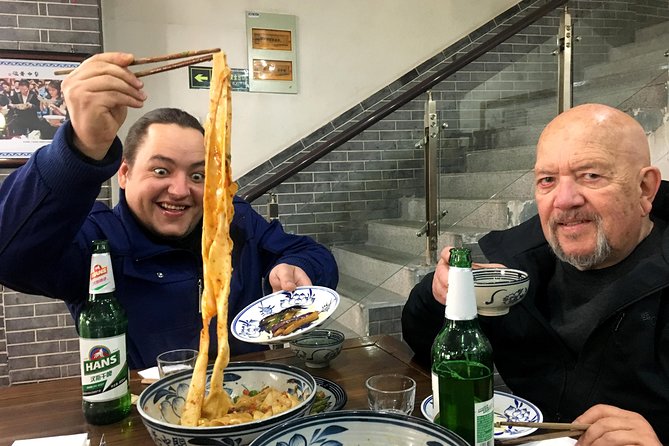
You’re looking at about 3 hours total, with the cooking class portion around 1 hour. That means you’ll spend enough time at the market and tasting without feeling like the schedule drags.
The likely flow goes like this:
1) meet at Sa Jin Qiao Subway Station, Exit D
2) walk through the spice/ingredient market
3) head to the professional cooking school
4) learn and practice noodle-making while sipping tea and coffee
5) finish by eating your noodles with Chinese tea or drinks
Because the group is small, you usually won’t be standing around. You’ll have time to participate, even if noodle-making isn’t something you do at home.
Small practical tips so you start confident
- Plan to be at Exit D, Line 1 early enough to avoid rushing. No pickup means you control the timing.
- Wear shoes you can walk in. Market walking plus neighborhood streets calls for comfy footing.
- Keep expectations realistic. You’ll get technique and practice, but the focus is on learning the noodle process and flavor context within a few hours.
If you’re the kind of traveler who likes asking food questions, this class rewards that. The guides and chef are there to explain what you’re seeing and cooking.
Book it or pass: my decision guide
I’d book this biang biang noodles class if you want an authentic-feeling Xi’an experience that mixes market ingredients, a real chef-led lesson, and a meal you make yourself. The small group size is a big plus, and the ingredient walk helps the noodle practice feel connected to the real dish.
I’d pass if you need long hours of cooking, or if mobility access is required. Also, if you hate taking public transit for meeting points, the lack of hotel pickup can be annoying.
If your sweet spot is hands-on food learning with a local-market flavor lesson, this one is worth your time in Xi’an.
FAQ
Where do I meet for the biang biang noodles cooking class?
You meet at Sa Jin Qiao Subway Station, Exit D (Line 1).
How long is the experience?
It runs for about 3 hours total, with the cooking class portion around 1 hour.
Is hotel pickup included?
No. Hotel pickup and drop-off are not included.
Is the class wheelchair accessible?
No. It is not wheelchair accessible.
Do I eat the noodles I make?
Yes. At the end, you’ll eat the biang biang noodles you’ve prepared yourself, with Chinese tea or drinks.
What language is used during the class?
The class includes an English-speaking chef.
How big is the group?
The tour has a maximum of 10 travelers.
Is tea or drink included?
Yes. Complimentary tea and drinks are included.
Is the booking refundable if I cancel?
No. The experience is non-refundable and cannot be changed for any reason.