REVIEW · KYOTO
Kyoto Ramen Spoon Painting & Michelin Cooking Class
Book on Viator →Operated by 無双心ラーメンアカデミー · Bookable on Viator
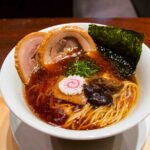
Ramen, but make it a craft project. In Kyoto, you create a ramen spoon souvenir and then cook a bowl with a chef-style lesson in a professional ramen kitchen. It’s a short, small-group experience that focuses on hands-on skill, not just watching.
I especially liked how step-by-step the class is, from ramen components to how the flavor system works together. I also love the souvenir angle: you paint a ceramic spoon that ties directly into what you’ll eat. The only catch to keep in mind is that the class is tight on time, so you’re cooking and assembling ramen rather than doing every single noodle step yourself.
In This Review
- Key things to know before you go
- Kyoto temple stops before the kitchen work
- Enter the ramen studio: the ceramic spoon you paint and keep
- Musoshin Ramen Academy lesson with Master Shin in the kitchen
- What you actually cook: assembling ramen, not a take-apart science lab
- Michelin-nominated style: why the recipe feels different
- Vegetarian and allergy care that doesn’t feel like an afterthought
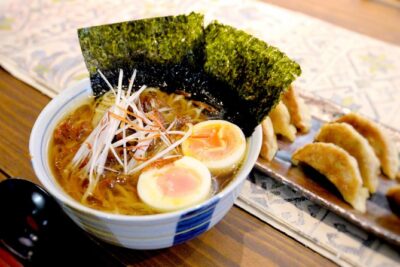
- Your meal at the end: no hunger pangs, proper ramen reward
- Price reality check: what $65.89 buys you in Kyoto
- Who this class is perfect for
- Who should rethink it
- Should you book this ramen spoon and cooking class?
- FAQ
- How long is the Kyoto Ramen Spoon Painting and cooking class?
- What does the price include?
- How big is the group?
- Is there a vegetarian or vegan option?
- Do I get to keep the painted ramen spoon?
- Is the class connected to Michelin-nominated ramen?
- Do they accommodate allergies?
Key things to know before you go
- Ceramic spoon painting becomes a real souvenir that connects to your meal
- Small group (max 12) makes it easier to get help in the kitchen
- Musoshin Ramen Academy teaches how their ramen is built, not just a single recipe
- In-house ingredients matter: noodles rest overnight, soup simmers 12 hours, soy sauce and roast pork are handmade
- Vegetarian/vegan options are available, and allergy needs are handled carefully
Kyoto temple stops before the kitchen work
This class starts in Kyoto’s Higashiyama area, and you’ll make time for three big temple sights in the same overall flow: Kiyomizu-dera, Kennin-ji, and Sanjusangendo. That’s a good pairing. You get atmosphere up front, then you shift gears into something fun you can actually take home.
Practically, temple time in Kyoto can be a little stop-and-go. So I suggest wearing shoes you can walk in for an hour-ish, even if the day feels “compact.” Also plan for being in a historic area where paths can be crowded near famous halls and entrances.
One more thing: because the core experience is hands-on cooking, you’ll want to keep your focus once you get to the workshop. Treat the temple segment like warm-up time, not the main event. The ramen part is where your effort pays off.
You can also read our reviews of more tours and experiences in Kyoto.

Enter the ramen studio: the ceramic spoon you paint and keep
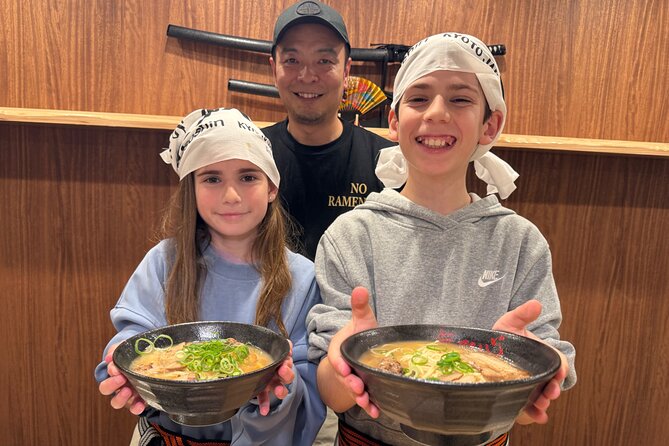
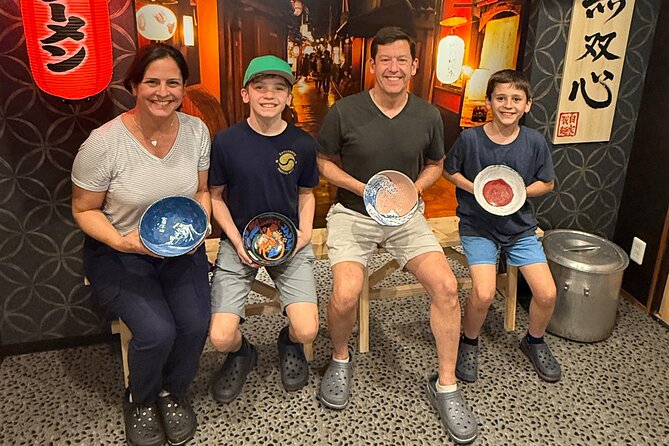
The first hands-on moment is painting your ramen spoon. You’ll work on a ceramic spoon designed to become your keep-sake from Kyoto. This is one of those rare experiences where the souvenir isn’t random merch—it links directly to the food lesson.
After you paint, the spoon is baked in a kiln overnight. That detail changes your expectations in a good way. You’re not rushing a finished, glossy final product during class time. Instead, you’re creating something that turns into a durable souvenir after the firing.
Tips that help:
- Go for clear, bold lines. Ceramic painting doesn’t forgive tiny, fussy details as well as paper.
- Pick a simple ramen theme you can execute quickly, then refine as you go.
- Use the examples and guidance from the instructors, especially if you’re unsure how thick the paint should be.
Also, a lot of people love this part because it’s low-pressure fun. You’re making something pretty while still being part of the “ramen world” story. In Kyoto, where you can easily get a lot of bland souvenirs, this one feels personal.
Musoshin Ramen Academy lesson with Master Shin in the kitchen

The ramen class is run by 無双心ラーメンアカデミー (Musoshin Ramen Academy), connected to Musoshin Ramen. The concept is simple: don’t just teach ramen as a list of ingredients. Teach it as a system—how time, heat, and component quality create flavor.
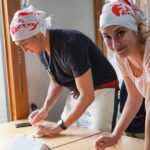
You’ll learn from chef Master Shin, and the teaching style is built around step-by-step methodology. People describe the pace as clear, and the energy as high. It’s not a lecture. You’re actively involved while the chef explains why each component matters.
Here’s what Musoshin emphasizes about their process:
- Noodles are made in-house every morning, then left to rest overnight for the next day.
- Ramen soup is cooked for 12 hours.
- Ramen soy sauce and roast pork are handmade.
That’s a big deal for your expectations. When a restaurant invests this much time in base ingredients, your bowl tastes right even before you start “fine-tuning.” The class helps you understand how those long processes affect texture and depth.
One more detail worth knowing: the workshop is described as the only ramen workshop in Kyoto that has a ramen restaurant behind it. That matters because you’re learning inside an environment that operates like a working shop, not a demo studio.
What you actually cook: assembling ramen, not a take-apart science lab
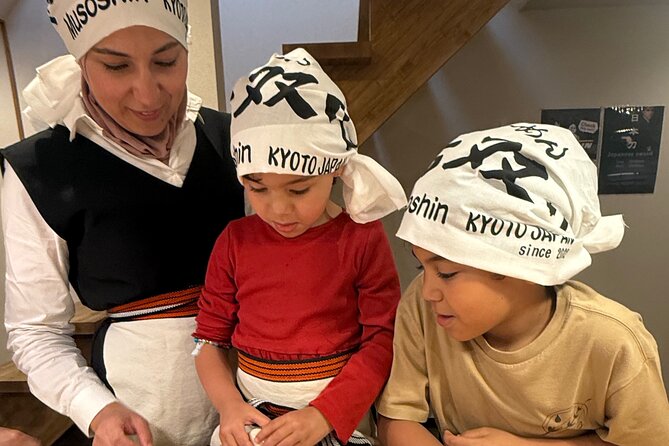
This is the part where you’ll want to calibrate. The class focuses on hands-on cooking using the ingredients brought in from the restaurant. You’ll cook and assemble your bowl, learning how components work together.
In other words, this isn’t presented as “we’ll make everything from raw wheat to final broth.” Instead, it’s more like: here are the high-quality components Musoshin prepares in-house, and now you learn how to combine them into a Michelin-nominated style bowl.
That approach can be great for value. It saves you from spending time on steps that are hard to master in a short session. And it still gives you practical takeaways you can reproduce at home: timing, assembly order, and flavor logic.
If your dream is to make noodles from scratch during the class, you might find you don’t do that. The program heavily emphasizes components made in-house (especially noodles and long-simmered soup), while you focus on cooking and assembly.
Michelin-nominated style: why the recipe feels different
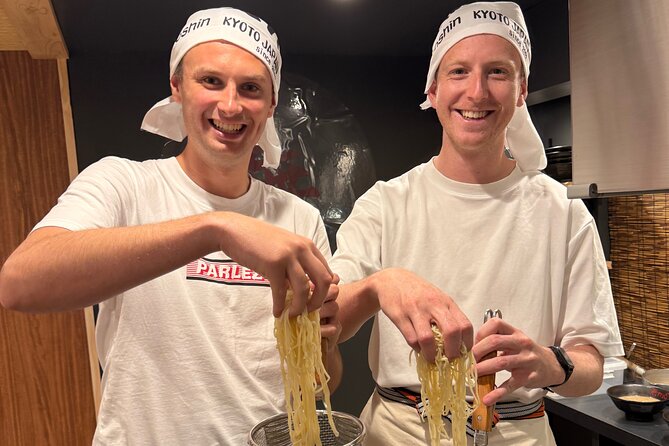
Musoshin Ramen started in Kyoto in 2022 and now operates multiple restaurants in Kyoto and Toronto. The Toronto location has been nominated for Michelin for three consecutive years, using the same recipe described by the academy.
So when you cook here, you’re not chasing vague “chef tips.” You’re building a bowl based on a method tied to that recognition. It’s the kind of lesson that makes ramen feel less mysterious, because you see how the taste comes from time-intensive prep and careful component balance.
You’ll also likely appreciate the class’s structure: ramen is presented as multiple parts with roles. Broth sets the foundation. Noodles bring texture. Toppings and seasoning carry flavor through. When you assemble your own bowl, that logic becomes real.
One theme that showed up in the way people talk about the experience: the ramen tastes better when you arrange it yourself. Even if you don’t consider yourself a cook, the assembly is a moment where your effort becomes flavor.

Vegetarian and allergy care that doesn’t feel like an afterthought
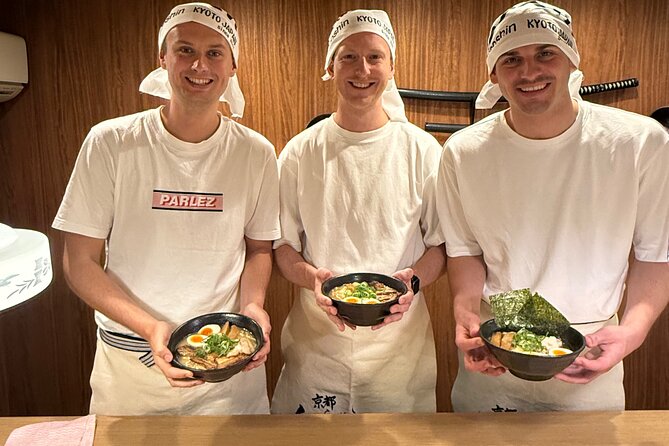
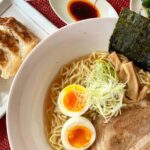
If you eat vegetarian, ask about the available vegetarian/vegan options. The class includes plant-forward choices, and the chef is described as able to accommodate in a careful way.
Allergy handling also comes up. In at least one account, the instructors handled allergy needs well and were professional about it. That’s a good sign for anyone traveling with dietary restrictions.
Still, don’t assume. Before you go, message the provider with your specific needs. The only safe rule with food is: be direct about ingredients and severity.
Your meal at the end: no hunger pangs, proper ramen reward
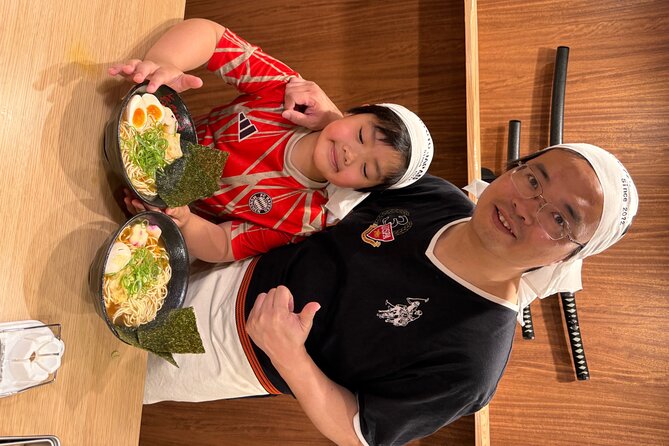
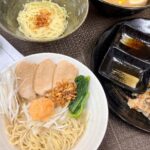
The class is built so you don’t leave starving. You’ll feast on your delicious ramen at the end. So even though the session is short (about 1 hour 30 minutes), it’s designed to result in a real meal rather than a tiny snack.
You’ll also take home more than just the spoon. The experience mentions ramen-related items included for you to enjoy during the session, including the bowl and your apron. The exact distribution is course-related, but the core idea is clear: this is a complete ramen-themed workshop, not a drop-in demo.
Timing note: because the spoon is baked overnight, your souvenir won’t feel like a quick “paint and pick up instantly” project. But that’s also why it feels more legitimate. It becomes something that can survive a move back home.
Price reality check: what $65.89 buys you in Kyoto
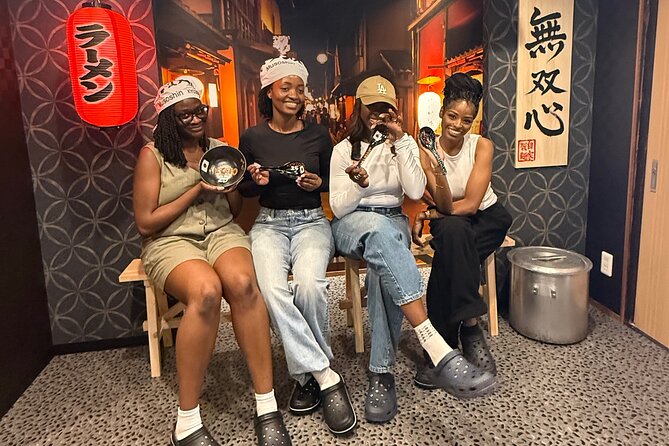
At $65.89 per person, this isn’t the cheapest thing you can do in Kyoto. But it’s also not priced like a fancy tasting menu with no interaction.
You’re paying for three things at once:
- A hands-on ceramic spoon workshop (not just a small craft table)
- A chef-led cooking class in a professional ramen setting
- A meal you actually eat, with ramen made from in-house prepared components
Add in the small-group cap of 12, and you get a learning environment where you’re more likely to get help when you’re at the stove. That turns the price from “activity cost” into “skill-building + meal + souvenir.”
If you love ramen and you’d rather spend money on one memorable, hands-on experience than three generic food stops, this is strong value.
Who this class is perfect for
This experience works best if you fit one of these profiles:
- You’re a ramen lover and want to understand what makes a great bowl great
- You like learning in a hands-on format instead of watching videos
- You want a Kyoto souvenir that isn’t random packaging
- You’re traveling with a mixed-age group, since it can work for adults and kids (with patient coaching described by guests)
It can also be a smart choice for first-timers in Kyoto’s food scene. You get both a cultural walk through well-known temples and then a focused food workshop in a ramen academy setting.
Who should rethink it
If you’re expecting to personally make everything from scratch—especially the noodles—you may feel slightly shortchanged. The program emphasizes that key components like noodles and soup are prepared in-house on a long schedule, and your work is mainly cooking and assembly.
Also, because the day is tight, you’ll need to arrive ready to move. Treat it like a scheduled workshop, not a free-range stroll.
If you’re the type who wants a slow, lingering pace, you might prefer a longer food tour. But if you want one strong hit of ramen craft plus a real bowl, this is a good match.
Should you book this ramen spoon and cooking class?
I’d book it if you want a practical ramen takeaway you can use again, not just a plate you ate and forgot. The combo of spoon painting + chef instruction + eating what you made is the right kind of travel value. And the fact that it’s tied to Musoshin’s longer in-house prep—noodles rested overnight, soup simmered for 12 hours—means the food lesson is built on quality, not shortcuts.
Skip it only if you’re chasing a full noodle-making workshop or you need a very relaxed pace.
Bottom line: this is the kind of Kyoto experience where your efforts turn into both flavor and something you can hold later.
FAQ
How long is the Kyoto Ramen Spoon Painting and cooking class?
The experience runs for about 1 hour 30 minutes.
What does the price include?
The class includes ramen spoon painting, hands-on cooking/assembly, and you eat the ramen you make at the end.
How big is the group?
The experience is limited to a maximum of 12 travelers.
Is there a vegetarian or vegan option?
Yes. Vegetarian and vegan options are available.
Do I get to keep the painted ramen spoon?
Yes. You paint a ceramic ramen spoon, and it’s described as a souvenir you can take home.
Is the class connected to Michelin-nominated ramen?
Musoshin Ramen’s Toronto location has been nominated for Michelin for three consecutive years, and the academy says the recipe is the same.
Do they accommodate allergies?
The information provided indicates they handled allergies well for at least one participant. I’d still confirm your specific allergy needs with the provider before booking.