REVIEW · TOKYO
Tokyo: Traditional foot-kneaded Udon noodles class
Book on GetYourGuide →Operated by Izusha's WASHOKU Kitchen · Bookable on GetYourGuide
Foot-kneaded udon beats any cooking demo. In Musashino, Izumi has you make foot-kneaded udon at an ordinary Japanese house, then teaches dashi that becomes the hot soup for dipping. I love the hands-on, funny side of stepping on the dough, and I love that you learn real stock flavor from scratch. One thing to weigh: the meal includes a pork-based soup, so if you avoid pork, you’ll want the vegetarian or vegan option in advance.
This class is built for a small group (up to 4), and the host meets you with a ride from Higashimurayama station. You get a full 150 minutes, so you’re not rushed through the steps that make udon taste right.
After lunch, you shift gears from kitchen work to a casual tea moment with matcha tea and wagashi. If you’re hoping for a quick street-snack experience, this is slower and more hands-on than that.
In This Review
- Key Points at a Glance
- Musashino Home Kitchen: A West Tokyo Udon Detour
- Meeting Izumi and Settling Into the Rhythm
- The Foot-Kneading Udon Session: Shoes-On Skills
- Learning Dashi: The Flavor Engine of Japanese Cooking
- Rolling and Cutting Musashino-Style Noodles
- The Meal: Cold Noodles Meet Hot Pork Soup Dip
- Casual Matcha Tea Ceremony With Wagashi
- Price and Value: What $70 Really Covers
- Who This Class Is Best For (and Who Should Skip)
- Should You Book Izumi’s Udon Foot-Kneading Class?
- FAQ
- Where does the class take place?
- How long is the udon class?
- What is the group size?
- What languages are used during the class?
- What exactly will I make and eat?
- Is there a vegetarian or vegan option?
- What is included in the price?
- What do I need to bring or pay for?
- What should I tell the instructor ahead of time?
Key Points at a Glance
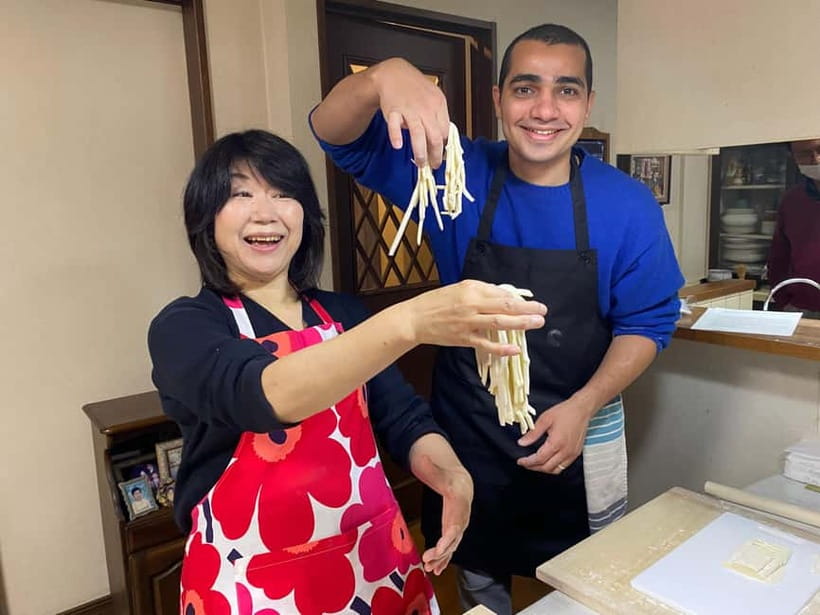
- Foot-kneaded udon dough: you physically press and stretch the dough, not just roll it
- Dashi from scratch: you learn how the essential Japanese stock is built
- Cold noodles with hot dipping broth: Musashino-style contrast is the point
- Small group of 4: more time with your instructor, less waiting around
- Matcha plus wagashi after cooking: a calm closer to a very tactile lesson
- Vegetarian/vegan option available: but plan ahead if you have dietary limits
Musashino Home Kitchen: A West Tokyo Udon Detour
This is one of those Tokyo food experiences that feels grounded. Instead of a studio or a crowded classroom, you’re learning in the kitchen of an ordinary house in Musashino, a greener part of West Tokyo. Musashino is tied to wheat farming, and local udon production has been going on for centuries, which helps explain why the noodles you’ll make here are treated like something worth perfecting.
What I like about the setup is that you’re not just watching a process. You’re getting utensils, ingredients, and time—then you’re doing the work. That matters because udon isn’t just a recipe. It’s dough texture, stretching, and patience.
You also start with an easy on-ramp. The host gives you pickup from Higashimurayama station to the venue, which is a big deal in Tokyo if you don’t want to spend your class time figuring out side streets.
You can also read our reviews of more tours and experiences in Tokyo.



Meeting Izumi and Settling Into the Rhythm
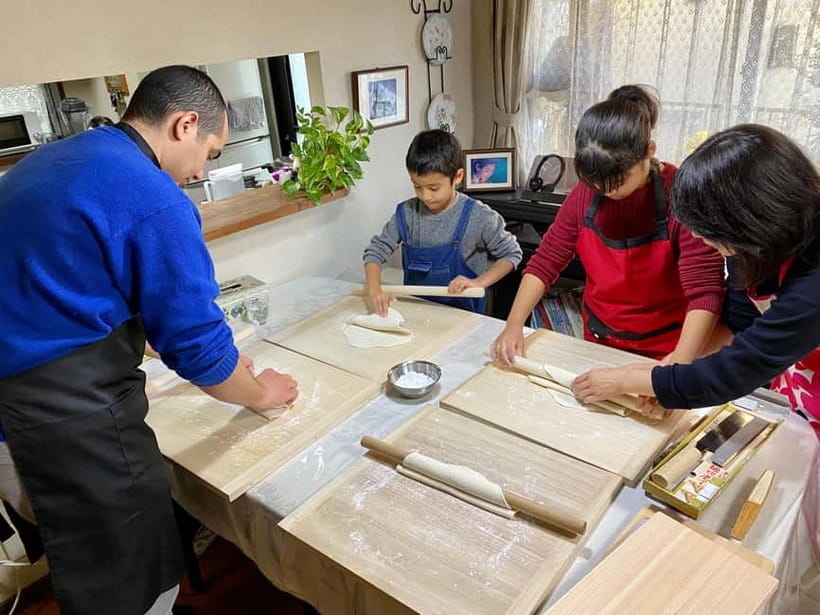
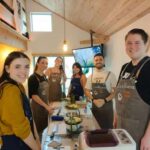
Once you arrive, you’ll be treated like a participant, not a spectator. You’ll get an apron and jump straight into the prep. The instructor, Izumi, teaches in English and Japanese, so you can follow along even if your Japanese is basic.
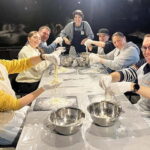
Small group size changes the experience. With limited spots, you’re more likely to get real coaching on what the dough should feel like as you move from mixing to kneading. You’re also more able to ask questions as you go—especially important with techniques like foot kneading, where it helps to understand the goal (elasticity, uniform texture, smoothness).
You should also plan for the practical side: you’ll be standing and using your feet as part of the process. If you’re someone who hates anything messy or physical, this might not be your style. If you can handle a hands-on cooking class, this technique becomes the story you’ll still be talking about later.
The Foot-Kneading Udon Session: Shoes-On Skills
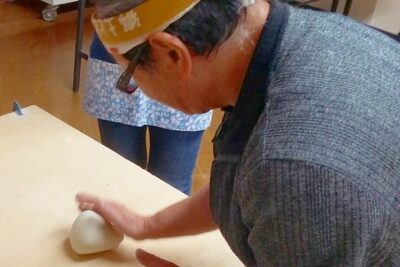
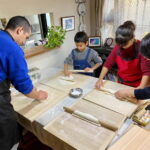
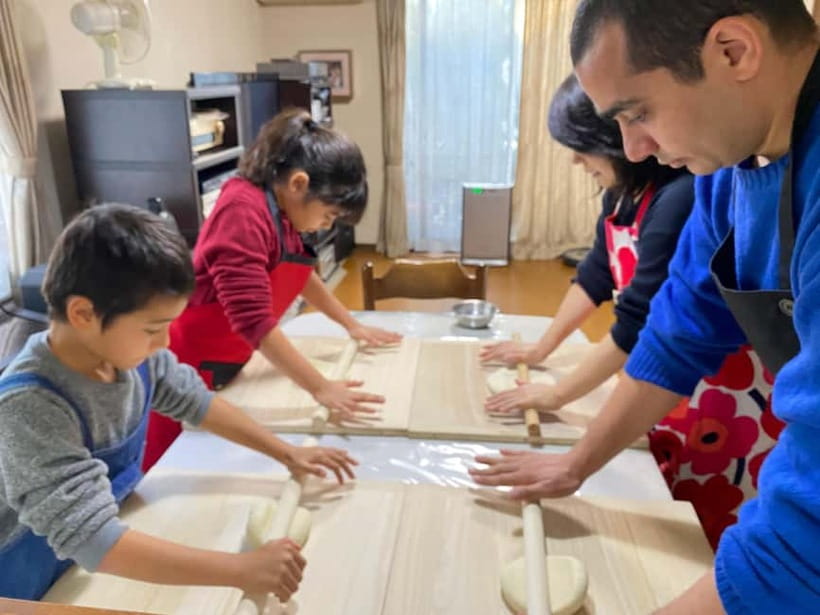
The headline is the foot-kneaded dough, and that’s exactly what makes this class memorable. You’ll start by making the udon dough, then you step in. You’ll work the dough using a large wooden kneading board, a long rolling pin, and a big bowl for making the noodles.
Here’s what to expect in practical terms:
- You’ll move from mixing into a dough you can work by hand.
- Then you’ll step on it. Yes, with your feet.
- You’ll keep going until the dough comes together the way it needs to—supple but strong enough to roll and cut.
This part is fun, but it’s also instructional. Foot kneading isn’t random. It’s a method that helps press and stretch the dough in a way that can be hard to replicate with just hands. You’ll likely find the process surprisingly therapeutic once you get the rhythm.
One note if you’re thinking about dietary restrictions. The dough is your universal udon foundation, but later your soup and toppings may shift depending on your needs. The class asks you to tell the host in advance about allergies and ingredients you can’t eat, so send that message early instead of hoping everything gets handled on arrival.
Learning Dashi: The Flavor Engine of Japanese Cooking
After the udon dough work, the class pivots into flavor. You’ll learn how to prepare dashi, which is the essential stock behind a lot of Japanese home cooking. Dashi is one of those ingredients that sounds simple until you learn how it’s built. You’ll see how it turns into the backbone of the meal.
Then you’ll use that dashi to prepare a pork soup that’s commonly served as a dipping broth for udon. In other words, you’re not only making noodles. You’re learning how to finish the dish so the noodle actually has something to hold onto.
If you want value from the class beyond the day-of meal, this is where it shows. Once you understand dashi as a concept and how it tastes, you’ll feel more confident cooking Japanese food after you get home.
Rolling and Cutting Musashino-Style Noodles
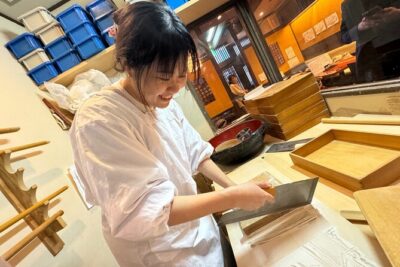
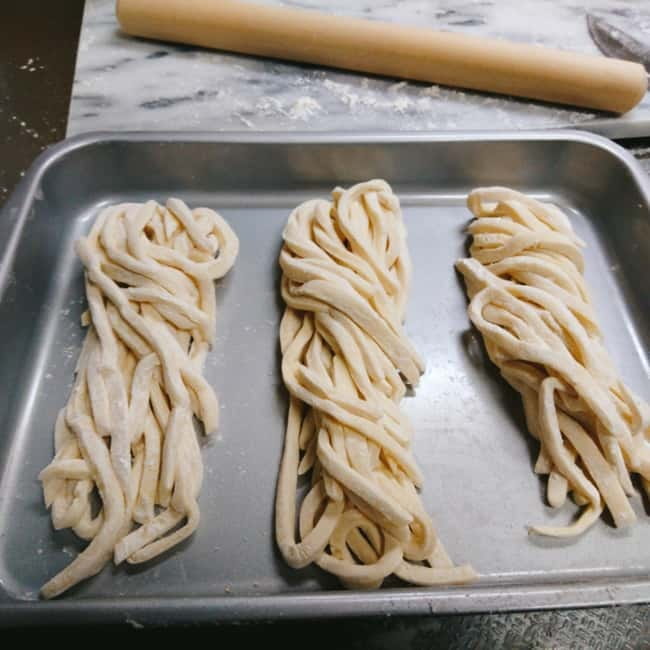
With dough ready and stock underway, you’ll move back into the “shaping” stage. You’ll roll the dough into sheets and cut it into noodles using a special udon knife designed for the job. This is where your hands learn the final character of the noodle.
Why this matters: udon texture isn’t only about thickness. It’s also about how the edges and surfaces feel when cooked. Rolling evenly helps the noodles cook consistently. Cutting carefully influences how the noodle holds broth.
You’ll also learn what Musashino-style aims for. The class emphasizes the contrast you’ll eat later: cold noodles against hot dipping soup. That contrast only works if your noodles are cut and finished in a way that stays satisfying even chilled.




The Meal: Cold Noodles Meet Hot Pork Soup Dip
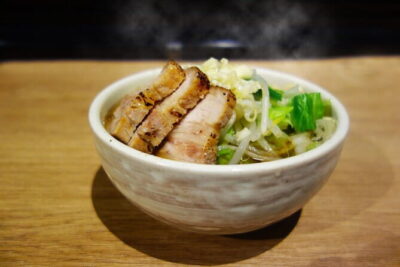
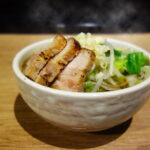
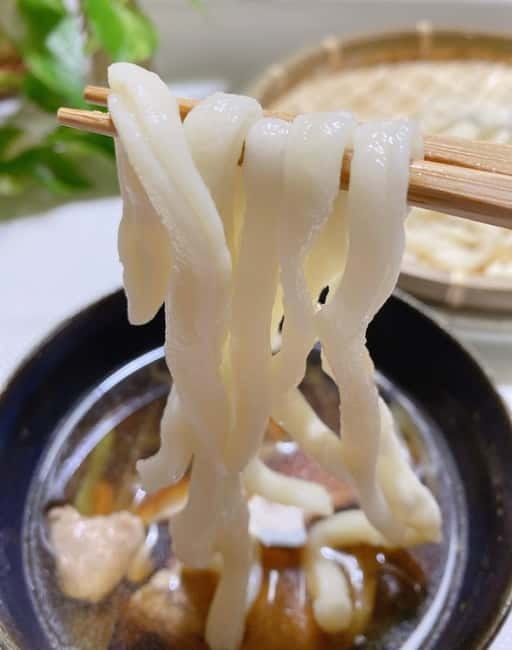
Then comes the payoff. You’ll eat what you made—fresh udon noodles paired with the hot pork soup dipping broth made with your dashi.
The best part of this format is the contrast:
- Fresh cold noodles give a clean, wheat-forward bite.
- The hot soup adds depth and warmth, so every dip changes the experience.
It’s not a heavy “one-pot” meal. It’s more interactive: you control how much broth you add, and you can adjust your bites as you eat. If you like food that rewards small choices, this is a good one.
And because you made both components—noodles and the broth—you understand what each part contributes. That’s why this class tends to stick with people after the trip ends.
Casual Matcha Tea Ceremony With Wagashi
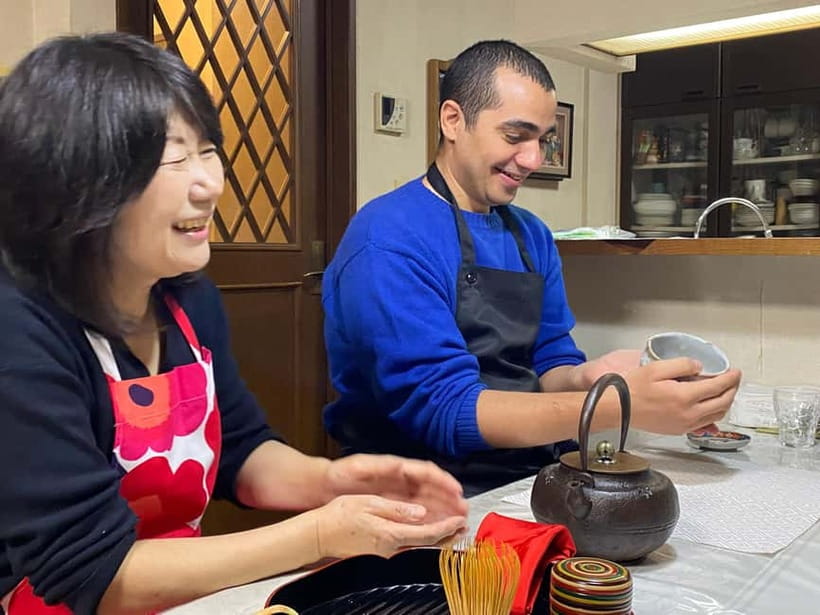
After cooking and eating, the pace slows down. You’ll experience a casual Japanese tea ceremony with matcha and wagashi, traditional sweets.
This is more than a photo moment. It’s a chance to reset after kitchen activity. Also, it helps you connect what you just did to Japanese food culture as a whole. Udon is a daily comfort food, and matcha with wagashi is the calming counterpart.
A nice detail: the room atmosphere can be joyful while you’re working, and you might notice the instructor plays music in the background as part of the energy. It’s a small thing, but it keeps the class feeling like a real home lesson, not a stiff demonstration.
Price and Value: What $70 Really Covers
At $70 per person for 150 minutes, this class isn’t the cheapest cooking option in Tokyo—but it’s also not trying to be. You’re paying for:
- A small group setting (up to 4)
- A full hands-on sequence: dough, foot kneading, rolling, cutting
- Dashi-making instruction, not just noodle-making
- The finished meal you cook
- Matcha tea ceremony experience with wagashi
- Ingredients, kitchenwares, recipes, and an apron
- Pickup from Higashimurayama station (your public transit cost to the station is on you)
The value here comes from completeness. Many classes do one thing well—kneading, say, or cutting noodles. This one strings the steps together so you leave knowing how the dish is built. You don’t just bring home noodles. You bring home the workflow.
If you’re the type who learns best by doing, the price starts to feel fair fast. If you’re only interested in a quick tasting of udon, you might find this a bit long and hands-on.
Who This Class Is Best For (and Who Should Skip)
This experience is especially well-suited for:
- First-time cooking class people who want a friendly start with clear instruction
- Food lovers who care about technique, not just taste
- Travelers who like home-style lessons more than formal cooking schools
- Anyone curious about the unusual foot-kneading method
It’s less ideal if:
- You can’t be around pork and haven’t arranged the vegetarian or vegan option
- You have serious food allergies and haven’t told the host ahead of time
- You dislike physical activities like stepping on dough
Also, if you’re tight on time in Tokyo, remember the class is 150 minutes plus the ride from Higashimurayama station. Plan your day so you’re not sprinting from one thing to the next.
Should You Book Izumi’s Udon Foot-Kneading Class?
I think you should book this class if you want a memorable, hands-on Tokyo food lesson with a real home kitchen feel. The foot-kneaded udon technique is the standout, but the real reason it’s worth your time is that you also learn dashi and eat your own cold-and-hot finished meal. Add in the matcha and wagashi closer, and you get a full mini-experience, not just a single cooking moment.
Skip it only if your dietary needs can’t be accommodated or you want something purely casual and low-effort. If you’re flexible and excited to get your hands (and feet) involved, this is exactly the kind of local detour that makes a Tokyo trip feel personal.
FAQ
Where does the class take place?
It takes place in Musashino, a suburb in West Tokyo. The host will pick you up from Higashimurayama station and drive you to the venue.
How long is the udon class?
The experience lasts about 150 minutes (2.5 hours).
What is the group size?
It’s a small group limited to 4 participants.
What languages are used during the class?
The instructor teaches in English and Japanese.
What exactly will I make and eat?
You’ll make traditional Musashino udon noodles, learn to prepare dashi stock, and use it to make a pork soup that’s served as a dipping broth. You’ll eat your freshly made cold noodles with the hot soup.
Is there a vegetarian or vegan option?
Vegetarian and vegan lessons are optionally available. You should let the host know in advance if you need this.
What is included in the price?
Included are all ingredients and kitchenwares, recipes, matcha tea ceremony with wagashi, an apron, and pickup from the meeting point.
What do I need to bring or pay for?
You don’t need to bring ingredients or tools. Public transportation fees to get to Higashimurayama station are not included.
What should I tell the instructor ahead of time?
Let the instructor know in advance about any allergies or ingredients you cannot eat.