REVIEW · TOKYO
Tokyo: Ramen Tasting Tour with 6 Mini Bowls of Ramen
Book on GetYourGuide →Operated by Tokyo Ramen Tours · Bookable on GetYourGuide
Ramen tasting in Tokyo should be a sport, not a test of willpower. This 3-hour mini-bowl tour is built for maximum variety: you sample six different styles across three top ramen shops, plus learn how each broth and noodle approach got to where it is today. Guides like Sahori, Bunga, and Makayla use clear visuals and straightforward talk so you actually leave knowing what you tasted, not just how it tasted.
I especially love that you choose your 6 bowls from 11–12 options, so the experience feels personal even though the route stays structured. I also like the small group setup, capped at 8, which makes it easier to ask questions and get real explanations at each stop (and not just at the first one).
The main drawback is the walking: plan for about 3 kilometers total, and it is not a low-effort afternoon.
In This Review
- Key highlights I’d plan around
- Ramen in mini-bowls: the smartest way to sample Tokyo
- Meet your guide and learn ramen fast in small groups
- The walking route across Shibuya, Shinjuku, or Ueno
- Shibuya route: Hokkaido classics, fusion tonkotsu, curry comfort
- Shinjuku route: classic Tokyo ramen, rich tori paitan, chicken or fish luxury
- Ueno route: Kyushu depth, tsukemen dipping, modern Tokyo
- Choosing your 6 bowls: how you become a ramen expert
- Price and value: is $122 worth it?
- Practical tips so you can finish all 6 bowls
- Who should book this ramen tasting tour
- Should you book this tour
- FAQ
- How many ramen bowls will I taste?
- Can I choose which ramen I eat?
- Where does the tour take place?
- What neighborhoods are included?
- How long is the tour?
- What’s the walking like?
- Is the tour vegetarian or vegan friendly?
- What’s included in the price?
- What’s not included?
- How big is the group and is the guide English?
- Is there a cancellation policy?
Key highlights I’d plan around
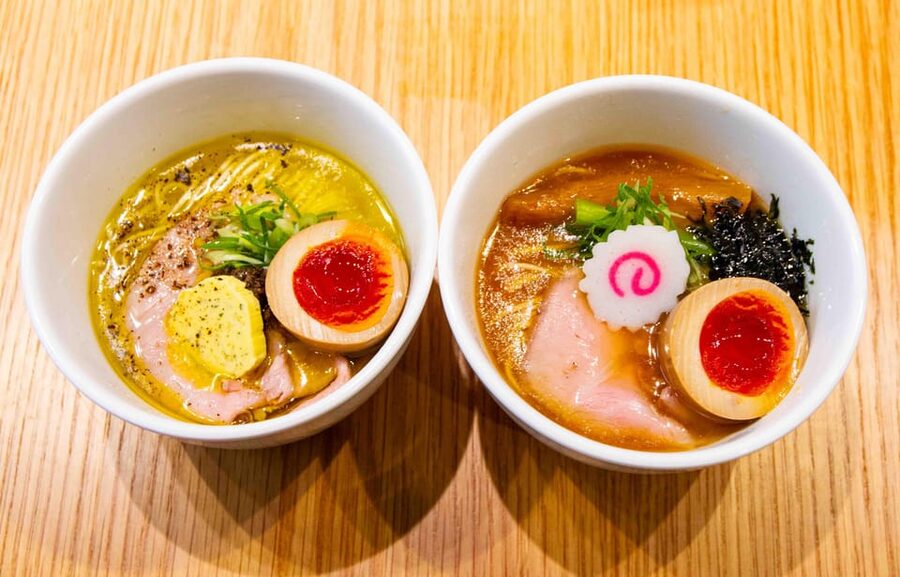
- 6 mini bowls (about 1/4 size): enough to compare styles without needing a food coma immediately after
- Choose from 11–12 options: you pick what you want to try, then the guide helps you understand why it works
- Three neighborhoods: routes run through Shibuya, Shinjuku, and Ueno depending on the day
- Award-winning shop stops: each place has its own ramen identity, not just one “best-of” menu
- English live guide with visual aids: you get simple history and prep context as you eat
Ramen in mini-bowls: the smartest way to sample Tokyo
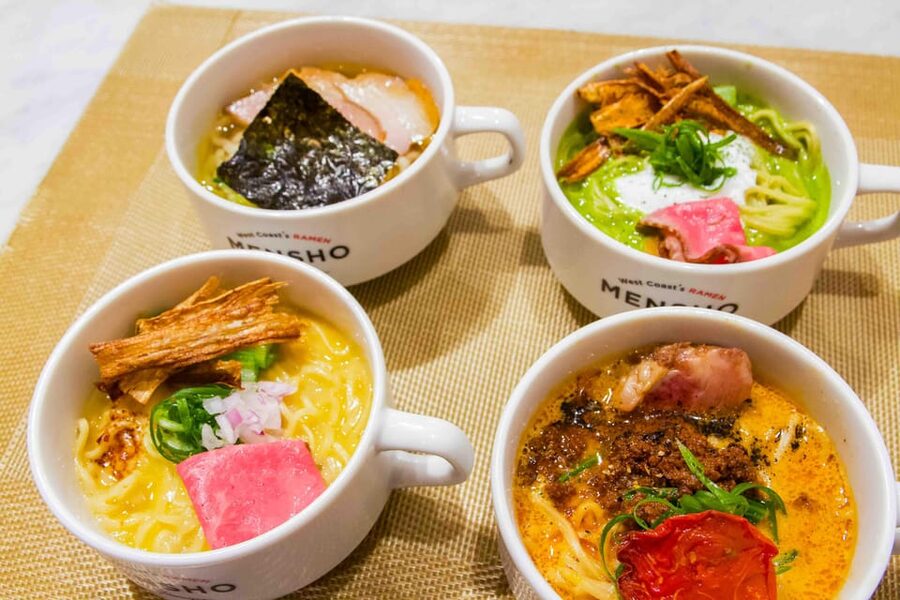
Tokyo ramen can be overwhelming in the best way. One shop sells “the classic,” another does tonkotsu every which way, and then you see dipping styles, curry bowls, and regional signatures that sound like trivia until you taste them.
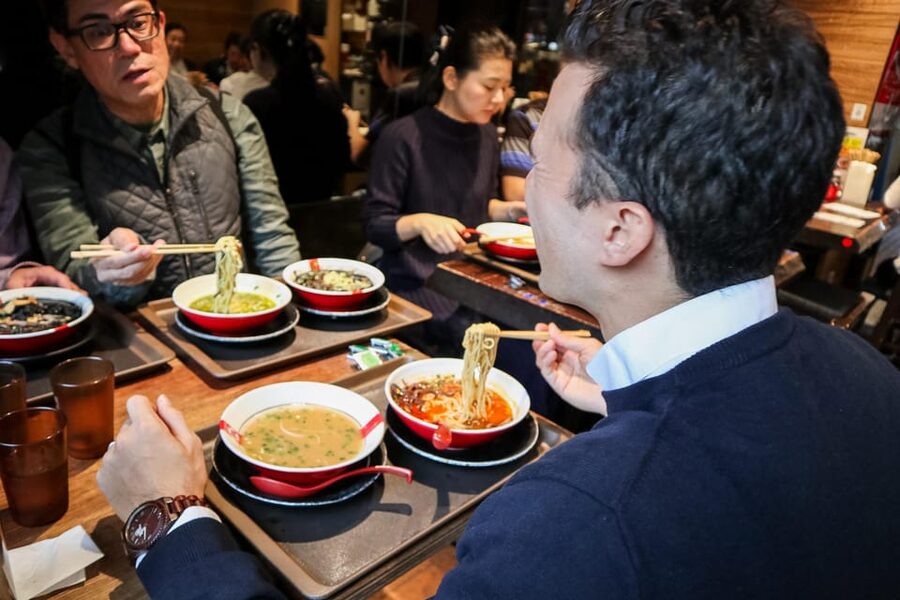
This tour’s solution is the mini-bowl format. Each serving is about 1/4 the size of a full bowl, and the six tastings are only available on this tour. That matters because you can actually sample differences in broth style, toppings, and overall flavor direction without spending the rest of your trip thinking about the nearest bench.
And because you eat six smaller bowls across three shops, you build a mental map fast. You notice what you like, but you also start spotting what makes each style distinct, even before the guide explains it.
You can also read our reviews of more tours and experiences in Tokyo.



Meet your guide and learn ramen fast in small groups
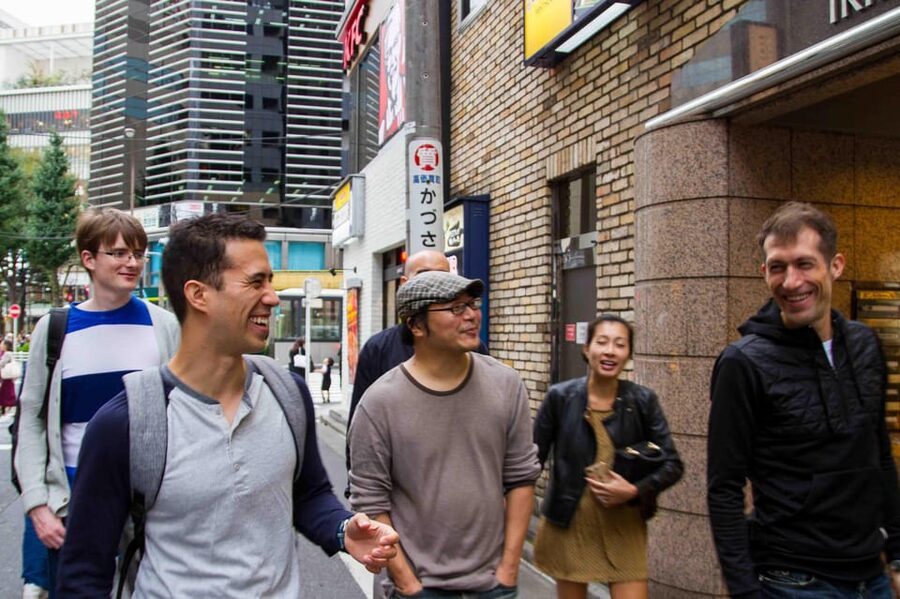
The guide experience is a big part of the value here. Several guides come up in the recent feedback by name—Sahori, Bunga, Makayla, and Daisy—and the common theme is clear, practical teaching in English. You’re not stuck listening the whole time either; you learn while you’re eating, so the facts stick.
A useful detail: the teaching isn’t just verbal. Guides use colorful slides and handouts, and you may see visual tools like tablets or an iPad-style presentation. That helps you track terms like soup type and ramen style without translating everything in your head.
Small group also changes the vibe. With a limit of 8 participants, you get time to ask questions, and the guide can steer you toward choices that make sense for your preferences. On some days the group can be very small, which is a bonus if you want a more conversational pacing.
The walking route across Shibuya, Shinjuku, or Ueno
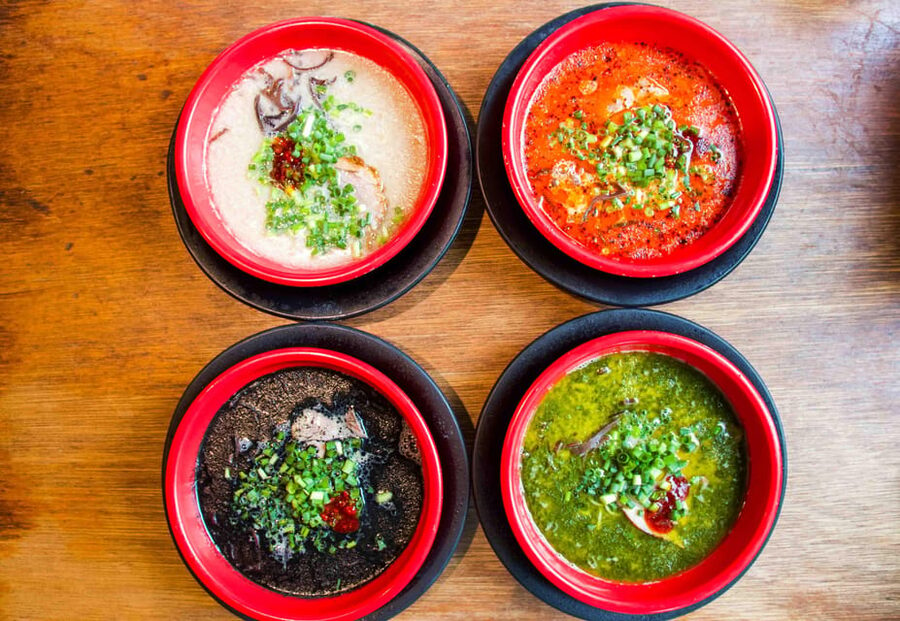
You’ll walk a bit—about 3 kilometers total—so wear shoes you can actually move in. The route connects three ramen stops in three different Tokyo neighborhoods, and the day’s exact route depends on which option you booked.
Here’s the structure that stays consistent:
- You start in Shibuya.
- You end in Ebisu or Shinjuku, depending on the day.
- You hit three ramen shops, each with a different ramen identity.
- Between stops, you get quick neighborhood context from your guide and time to reset your appetite.
If you’re the type who likes to digest while sightseeing (windows, storefronts, station life, street energy), this format works well. If you’re more “sit down as soon as I can,” consider eating a lighter meal before you go and plan your energy carefully.
Also, one dietary reality check: all these broths contain chicken, pork, and fish. If you want a ramen tasting that fits vegan or vegetarian diets, you’ll need the separate vegan/vegetarian version.
Shibuya route: Hokkaido classics, fusion tonkotsu, curry comfort
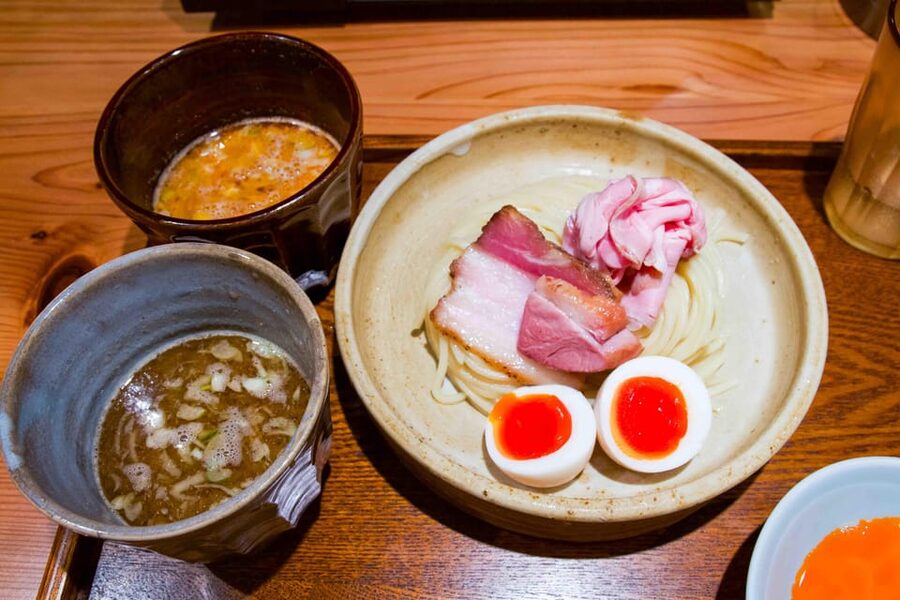
If your day is the Shibuya route, you’ll eat three bowls designed to show how wide ramen styles can be.
Shop 1: Classic Hokkaido ramen
This is the “regional foundation” stop. Hokkaido ramen typically signals a distinct flavor direction compared with Tokyo staples, and it helps you calibrate your palate early. The point is not to guess what will taste best—it’s to understand how location and tradition influence broth character.
Shop 2: Fusion tonkotsu (pork bone) ramen
Next comes the heavy hitter category: tonkotsu, built from pork bone style soup. The word fusion here is your clue: you’re not just eating a straight copy of a classic; you’re tasting how shops remix flavor ideas while staying faithful to a tonkotsu backbone. When you compare this to your first bowl, you’ll likely feel the contrast quickly.
Shop 3: Savory curry ramen
Then you switch gears into something many people only think of when they see it in Japanese comfort-food territory. Curry ramen changes the entire flavor map because it adds spice and sweetness notes that aren’t “just broth.” This stop is great for learning how ramen can be more than salty, porky, or noodle-focused.
Drawback to plan around: Shibuya days can feel like a lot of moving parts in a short time. The upside is you’re learning across a wide range quickly, before preferences harden into “I only like one type.”
Shinjuku route: classic Tokyo ramen, rich tori paitan, chicken or fish luxury
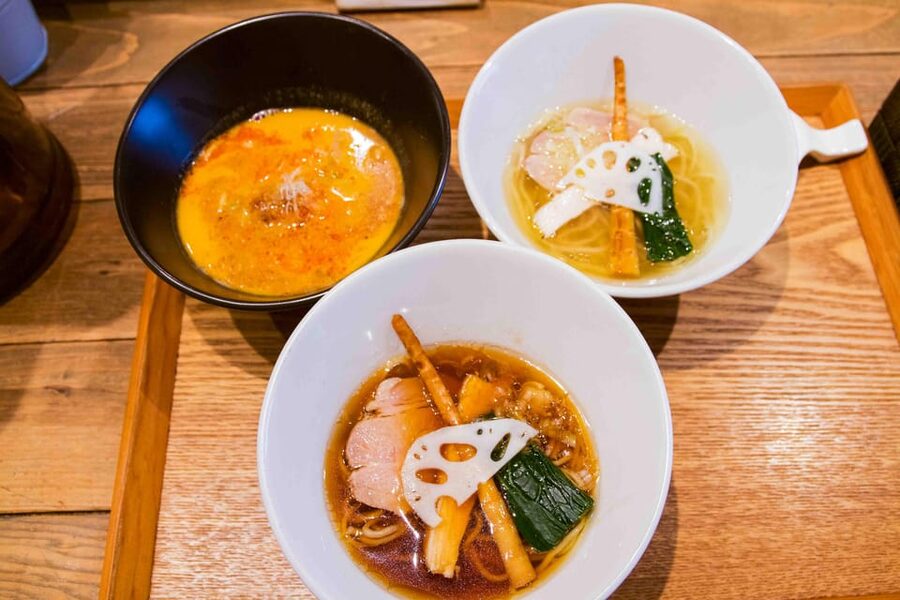
The Shinjuku route is a sharper comparison between Tokyo-style familiarity and more modern, luxe interpretations.
Shop 1: Classic Tokyo ramen
This is your anchor. It gives you a baseline for what “Tokyo” often tastes like when you’re used to ordering ramen by name alone. Even if you think you already know ramen, this stop helps you separate expectations from the actual broth profile and seasoning style.
Shop 2: Modern tori paitan (rich chicken ramen)
Then you move toward chicken-based richness. Paitan-style chicken ramen tends to feel rounder and fuller, and it’s a useful lesson in how chicken broth can be built for depth rather than just lightness. Comparing this with the classic Tokyo bowl is where your “what makes this style” learning really comes into focus.
Shop 3: Luxurious chicken or fish ramen
The last stop is the “finish strong” bowl. You’ll be tasting either chicken or fish ramen depending on the day’s selection. That final pairing is helpful because it shows how shops define comfort and richness differently, even when they’re working with similar core ingredients.
Practical note: because your six bowls are chosen from 11–12 options, your exact ordering can shift what you notice most. If you love experimentation, lean into variety when choosing—your guide can help you make those calls.




Ueno route: Kyushu depth, tsukemen dipping, modern Tokyo
The Ueno route tends to feel like regional ramen education with a fun twist at the end.
Shop 1: Classic Kyushu ramen
Kyushu ramen brings a different regional personality, and this is where the tour starts teaching you to recognize ramen beyond a single flavor category. It’s also a smart place to pay attention to what the broth is doing, not just what it tastes like at first sip.
Shop 2: Contemporary tsukemen (dipping)
Tsukemen is the “different format” stop. Instead of eating everything as one bowl setup, you’re trying a dipping style. That changes the eating rhythm, and it’s a great way to feel how ramen can change when the noodles interact with broth differently.
Shop 3: Modern Tokyo ramen
Finally, you get a modern Tokyo bowl that helps tie the regional styles back into the city’s current ramen culture. It’s an excellent endpoint because you end with a sense of where Tokyo ramen is heading now, not only where it came from.
A small drawback: if you’re someone who hates switching eating styles mid-meal, the tsukemen stop may take a second to get used to. Give yourself that minute—once you adjust, it’s fun.
Choosing your 6 bowls: how you become a ramen expert
One of the best parts of this tour is that you don’t just get assigned bowls. You choose six mini bowls from a selection of 11–12. That choice is only available on this tour, and it’s part of what makes the experience feel like training, not just dining.
Here’s how to think about your choices:
- If you want variety, spread across categories. Don’t pick six that are all essentially the same flavor direction.
- If you already know you love one type (tonkotsu, curry, chicken), choose multiple bowls that let you compare within that category.
- If you like novelty, watch for more unusual options that can pop up in the selection. Past choices mentioned include things like squid ink and pesto, which is a reminder that ramen menus can be playful.
Then the guide connects what you’re tasting to ramen fundamentals: origins, types, and preparation. The explanations tend to be practical—what changes when a broth is made differently, what makes a style feel distinct, and how Japanese ramen culture evolved into today’s variety.
The visual teaching tools matter here. You see the logic in a diagram or slide, you eat the matching bowl, and the connection sticks. That is how you leave “knowing” ramen instead of just leaving full.
Price and value: is $122 worth it?
At $122 per person for a 3-hour tour with six mini bowls and one beverage, it isn’t a bargain. But it can be good value depending on what you want.
You’re paying for three things that are hard to replicate on your own:
- Access to six mini bowls from award-winning shops, with mini portions sized for comparison.
- Guided interpretation that turns tasting into learning, using slides/handouts and direct explanations in English.
- Convenient routing across three neighborhoods and three shops, plus time saved on figuring out where to go and what to order.
Could you do it yourself by hopping from ramen shop to ramen shop? Sure. But you’d likely spend more time deciding what to order, and you might miss the “why” behind each style. Here, your guide basically does the ordering strategy and the ramen lesson plan for you.
What’s not included is train ticket costs, if you need to ride. The tour itself includes the ramen, the mini bowl tastings, and one beverage.
Practical tips so you can finish all 6 bowls
To enjoy this without suffering, plan a little:
- Eat light earlier in the day. People often end up very full by the end because six mini bowls still add up.
- Wear comfortable shoes. You’ll walk around 3 kilometers, with time between shops.
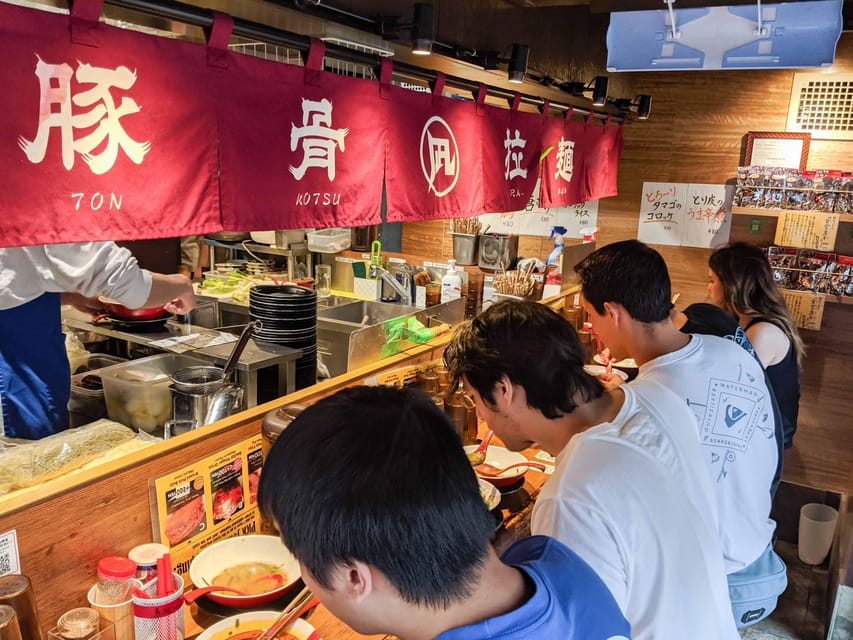
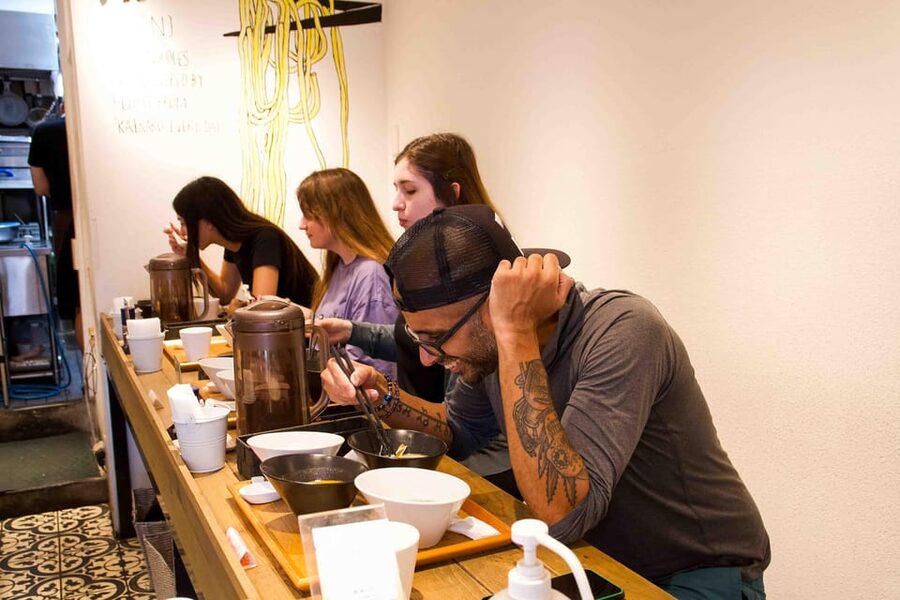
- Expect crowds and small shop spaces. Ramen spots in Tokyo are compact, and your timing is part of the tour design.
- Ask questions at each stop. If your guide uses visual slides or a tablet, listen for the terms you’ll taste next.
If you’re worried about rain: Tokyo weather happens. One account included a helpful taxi adjustment for the last stop when it rained hard mid-route. That’s not something you should count on every day, but it’s a sign the guide is paying attention to real conditions.
Finally, remember the broth ingredient note. These soups contain chicken, pork, and fish, so if that matters to you, book the vegan/vegetarian ramen option instead.
Who should book this ramen tasting tour
This is a great fit if:
- you love ramen and want to understand why different styles taste different
- you like eating your way through Tokyo neighborhoods without planning each step
- you want an English guide who explains ramen types, origins, and prep in plain terms
- you’re comfortable with walking and want to spend about 3 hours focused on food
It may not be the right choice if:
- you have a low fitness level and don’t want a 3-kilometer walking component
- you need vegan or vegetarian ramen that avoids chicken/pork/fish (the main tour soups include those ingredients)
- you hate the idea of eating six bowls in one outing, even if they’re mini
Should you book this tour
Yes, if you want a ramen education you can actually taste. The combination of six mini bowls, your chance to choose from 11–12 options, and a guide who uses clear visuals makes this more than a snack walk.
Book it especially early in your Tokyo trip if you want your future ramen orders to make more sense. Once you learn what to look for—broth direction, style differences, and how shops build flavor—you’ll have an easier time picking what to order at your next ramen stop.
Skip or reconsider it if your priority is a slow, seated meal with minimal walking, or if your dietary needs don’t match the chicken/pork/fish broth reality. For everyone else, it’s a fun way to see how far ramen can stretch inside one city.
FAQ
How many ramen bowls will I taste?
You’ll taste 6 mini bowls of ramen. They’re about 1/4 the size of a full bowl.
Can I choose which ramen I eat?
Yes. You choose 6 ramen from a selection of 11–12 options.
Where does the tour take place?
It runs in central Tokyo across three ramen shops in three distinct neighborhoods. The route varies by day and includes Shibuya or Shinjuku plus Ueno.
What neighborhoods are included?
Depending on the option booked, you’ll go through one route that includes Shibuya or Shinjuku, and you’ll also visit Ueno as part of the three-shop plan.
How long is the tour?
The tour duration is 3 hours.
What’s the walking like?
There’s a good amount of walking, about 3 kilometers (1.86 miles). It isn’t recommended for people with a low level of fitness.
Is the tour vegetarian or vegan friendly?
All ramen broths on this tour contain chicken, pork, and fish. If you’re vegan or vegetarian, you should book the separate vegan/vegetarian ramen tasting tour.
What’s included in the price?
Included are 6 mini bowls of ramen and 1 beverage.
What’s not included?
Train tickets are not included, if you need to take the train to reach the meeting point.
How big is the group and is the guide English?
The group is small, limited to 8 participants, and the tour guide speaks English.
Is there a cancellation policy?
Free cancellation is available up to 24 hours in advance for a full refund.