REVIEW · TOKYO
Tokyo : Authentic Soba Noodle Making Experience
Book on GetYourGuide →Operated by gotcha Corporation · Bookable on GetYourGuide
Soba dough teaches you fast. In this 2-hour Tokyo experience, you learn from a soba master and get hands-on practice in a working soba restaurant. I especially like that you don’t just watch: you make your own noodles and taste them right there.
The biggest plus for me is the “see it, do it, compare it” flow. You’ll learn how buckwheat dough behaves, then cook it and eat it, including noodles made by the chef so you can spot the differences. The one drawback to plan around is the allergy and mess factor: if you have buckwheat, wheat, or soy allergies, you can’t join, and you should wear clothes you don’t mind getting flour on.
In This Review
- Key highlights you’ll feel in this class
- Soba in plain terms: what you’ll learn in 2 hours
- Meet at Nippori: quick start, easy flow, small group energy
- Inside a real soba restaurant: why the setting matters
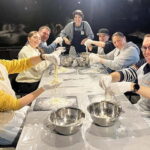
- From dough to noodles: what hands-on time looks like
- Cooking and eating: fresh cold dipping soba, plus tempura
- The guides: English support and thoughtful explanations
- Price and value: is $154 per person fair?
- Who this soba class suits best (and who should skip)
- Practical tips so you enjoy the process
- Should you book this Tokyo soba noodle making experience?
- FAQ
- How long does the soba noodle making experience take?
- Where do I meet for the tour?
- Is this tour private?
- Do I get to make noodles myself?
- Is there an English-speaking guide?
- What should I wear?
- Are vegetarians allowed?
- Can people with allergies join?
- What food is included in the experience?
Key highlights you’ll feel in this class
- Small-group training (max 6) so you get real attention while working the dough
- A Japanese soba master teaching you the craft, plus an English-speaking guide in your corner
- Use of the restaurant workspace and tools, not a staged demo
- Hands-on mixing, kneading, rolling, and cutting, then cooking and tasting fresh soba
- You eat what you make, alongside soba prepared by the chef for a useful comparison
Soba in plain terms: what you’ll learn in 2 hours
Soba is one of those foods that sounds simple until you touch the dough. Buckwheat flour behaves differently from wheat flour, and that shows up in texture, stretch, and how the noodles hold together when you roll and cut them.
In this class, the point isn’t to turn you into a noodle artisan overnight. It’s to give you a clear sense of the process: how the dough comes together, how thin sheets become noodles, and how cooking timing affects the result. You’ll also get context on Japanese food culture from the instruction and the way the restaurant kitchen operates.
If you’re the type who always wonders how something is made, this is a great match. Even if you’ve had soba before, you’ll come away understanding why fresh noodles taste different from dried ones, and why technique matters.
You can also read our reviews of more tours and experiences in Tokyo.
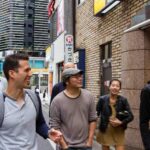
Meet at Nippori: quick start, easy flow, small group energy
The meeting point is close and straightforward. You walk about a minute from Nippori Station to a McDonald’s, then look for your guide holding a signboard.
This tour runs with a small group limited to 6 participants. That matters because cutting and rolling require close guidance—especially if you’re using the tools for the first time. In a bigger class, you’d spend more time waiting your turn. Here, you get into the work.
The session ends back at the same meeting point, so you’re not left navigating the city afterward with your flour-covered confidence fading fast.
Inside a real soba restaurant: why the setting matters
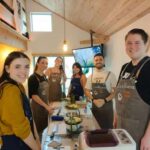
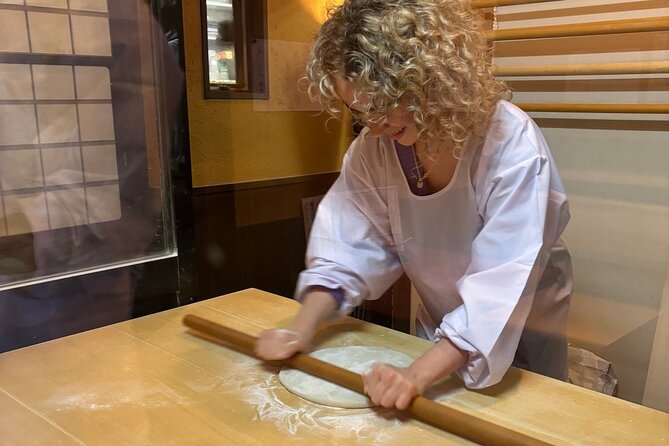
This isn’t a kitchen set in a corner with plastic props. You’ll be in a genuine soba restaurant environment, with a dedicated area for your group. The space is set up so the restaurant can keep running while your class happens during breaks.
That realism changes the experience. You’ll learn alongside the rhythm of actual restaurant prep and cooking, and you’ll use the workspace and utensils the way they’re meant to be used. In other words, you’re practicing with the tools and flow that professionals rely on.
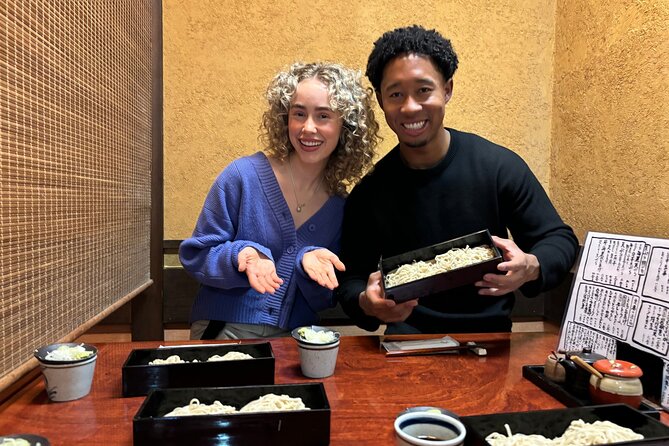
You also benefit from seeing a contrast. The chef prepares soba for you as part of the meal, and you can taste the difference between your own batch and the chef’s version. That tasting is one of the best “learning by comparison” moments in the whole experience.
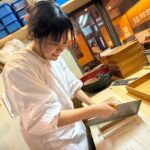
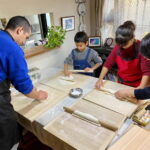
From dough to noodles: what hands-on time looks like
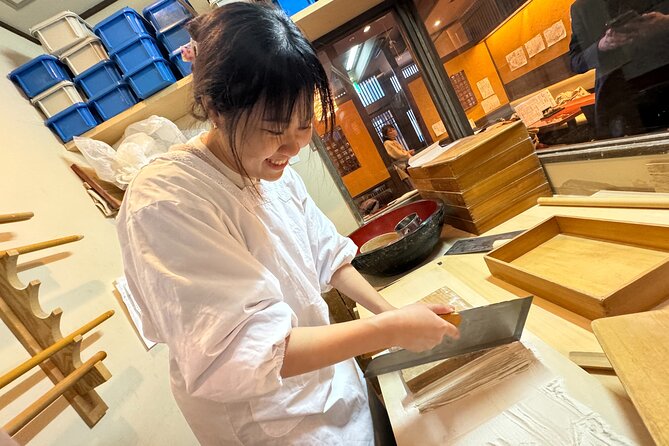
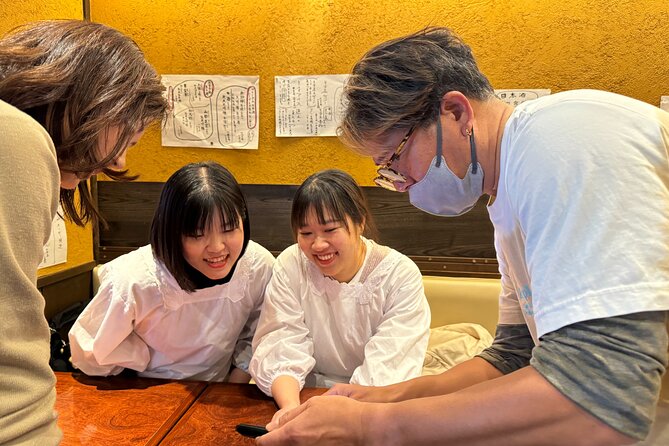
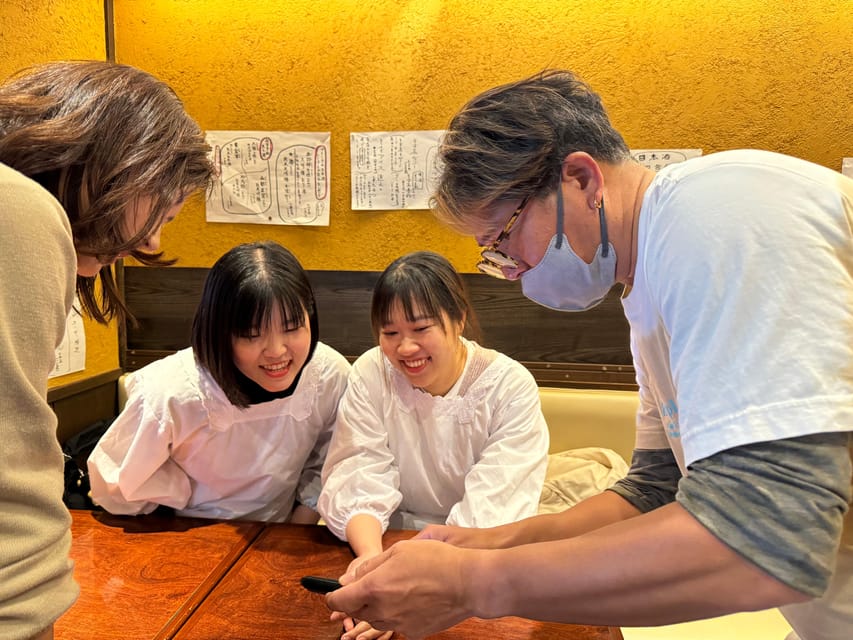
You start with a workshop-style introduction: an English-speaking guide supports you, and the soba master explains what you’re about to do. From there, the work becomes very practical.
You’ll get to do the core steps yourself, including:
- mixing the dough
- kneading
- rolling it out
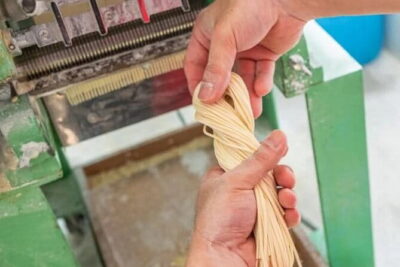
- cutting it into thin noodles
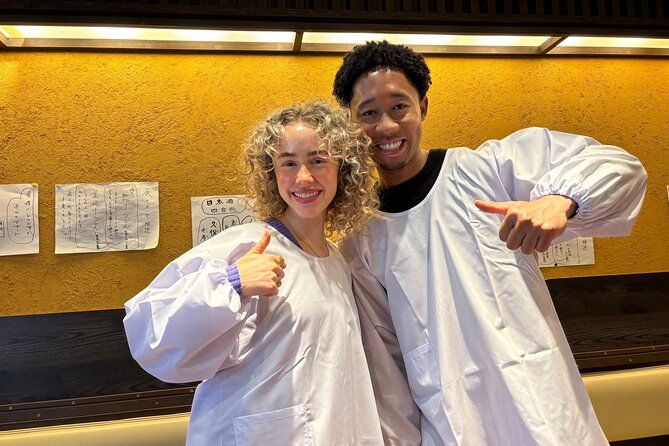
Because you’re working with buckwheat flour and regular flour, there’s no way around the mess. Aprons are provided, but you should still dress like you might find a little dough later in your sleeves.
The most useful part is learning how the dough feels. You’ll notice how buckwheat dough responds during kneading, how thin rolling changes what you can handle, and how cutting affects noodle shape. Even if you don’t nail perfect uniformity, you’ll understand what to aim for next time.
And yes, there’s real satisfaction in seeing your own noodles land in the cooking stage. It turns a food experience into a skill you can talk about later, not just something you ate.
Cooking and eating: fresh cold dipping soba, plus tempura
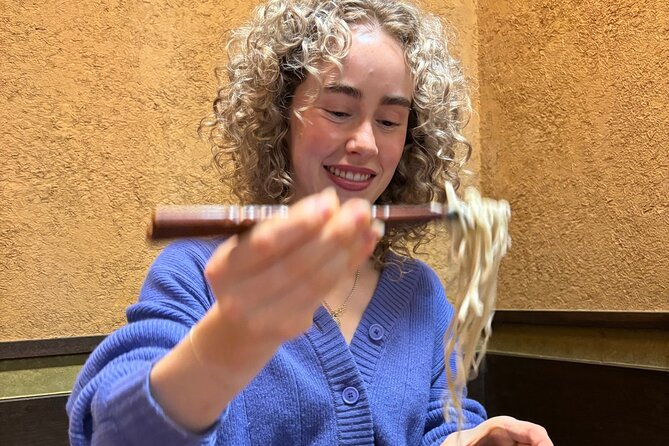
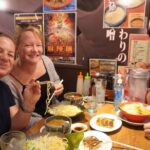
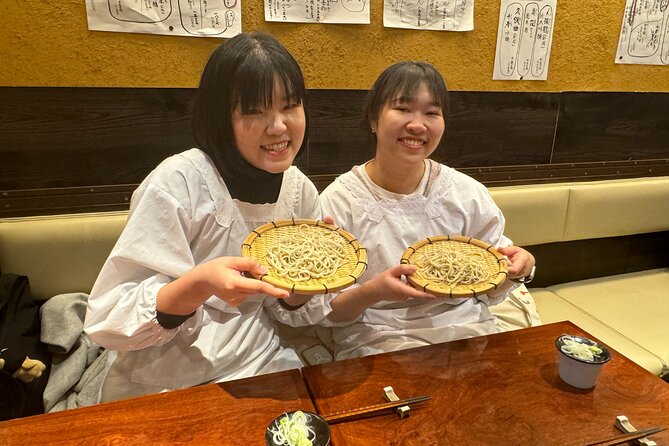
Once your noodles are cut, you’ll cook them and eat them while the experience is still fresh (pun only slightly intended). You’ll enjoy a meal of cold dipping soba with a variety of tempura.
That pairing is practical for your palate. Cold soba lets you focus on noodle flavor and texture without heat confusing the picture. Then tempura adds crunch and richness, which helps you appreciate the soba’s nuttiness from buckwheat and the role of the dipping sauce.
One smart detail: you taste soba made by the chef as well as your own. That gives you an instant benchmark. If yours are thicker, softer, or a bit uneven, you’ll feel the difference right away—and you’ll know what to try differently next time.
The guides: English support and thoughtful explanations
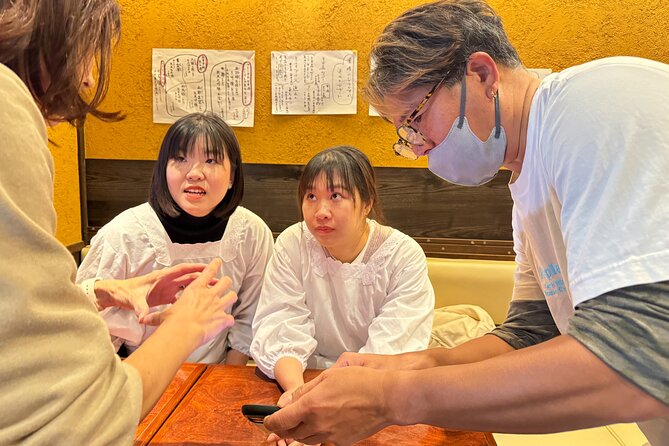
The class includes an English-speaking guide. The goal is simple: you should understand what you’re doing while you’re doing it.
From past experiences in this format, the interpreter names can vary by session. I’ve seen groups supported by translators such as Rie, and also Miho from Gotcha in similar sessions. If you get one of these guides, you’re likely to get clear explanations that make the technique click without overcomplicating things.
Even with English support, expect hands-on learning to be partly visual. If you can watch closely and ask quick questions, you’ll get more out of it.
Price and value: is $154 per person fair?
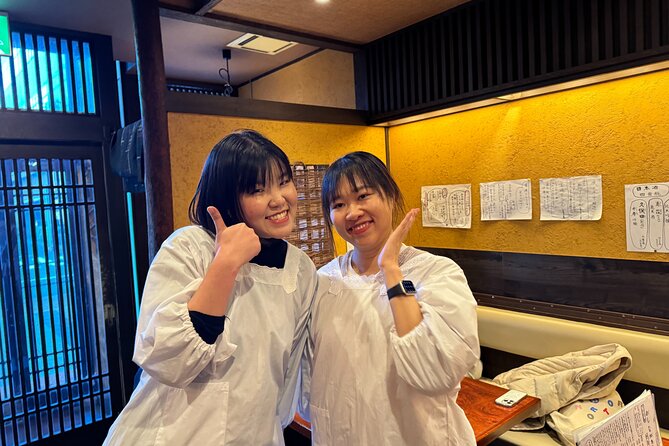
At $154 per person for about 2 hours, this isn’t a bargain-basement food activity. But it also isn’t overpriced for what you get.
Here’s where the value comes from:
- Small-group size (up to 6), which usually means more time with the instructor and hands-on attention
- Ingredients and use of the workspace and cooking utensils, so you’re not paying just for watching
- A real restaurant setting, with a dedicated space for your group
- A guided, English-supported class, plus time to eat what’s made
When you compare it to paying for a meal plus a generic class, you’re paying for instruction that’s specific to soba making and for the restaurant environment that makes the meal feel real.
If you love food technique and want to leave with something you made yourself, this price starts to make sense. If you only want a quick bite and photos, you can probably find cheaper options in Tokyo.
Who this soba class suits best (and who should skip)
This experience is a strong fit for people who enjoy:
- learning practical food skills
- tasting their own work versus professional results
- spending time in a real Japanese restaurant setting
You’ll also want to plan around the rules. Vegetarians are welcome, but you should let the operator know in advance about any dietary restrictions.
You should skip if you have:
- buckwheat, wheat, or soy allergies (participation isn’t allowed)
- limited mobility needs, since it’s not suitable for wheelchair users
If you’re traveling with a food allergy history, don’t assume “small amounts” are okay. The class is explicit about allergy restrictions, because flour handling is part of the activity.
Finally, come in clothes you’re comfortable ruining a little. Flour gets everywhere in noodle work. Aprons help, but they don’t make you immune.
Practical tips so you enjoy the process
A few small moves can make your experience smoother:
- Wear clothes you don’t mind getting flour on. Even with an apron, you’ll want “home-laundry later” clothing.
- Take your cue from the instructor’s pace. Rolling and cutting are physical and a little methodical—rushing makes it harder to enjoy.
- Ask one good question early. If you understand how the dough should feel, the rest goes more naturally.
- Use photos and videos if you want them. The experience is set up for recording, and you’ll want proof of those noodle-cut moments.
Also, since this is not a private tour, be ready for a shared pace. Small group is great, but everyone’s cutting and cooking at once, so patience is part of the deal.
Should you book this Tokyo soba noodle making experience?
I’d book it if you want a hands-on food experience that feels authentic and structured. The combination of learning from a soba master, working with real tools in a real restaurant, and eating your own noodles makes this more than a sightseeing stop. It’s one of those activities where you leave with a story and a technique, not just a full stomach.
I would not book it if you’re avoiding flour exposure or have buckwheat/wheat/soy allergies, or if you need wheelchair accessibility. Also, if you hate mess, know that noodle making is inherently dusty and sticky.
If you’re a foodie who likes to understand the how behind the taste, this is a very solid use of time in Tokyo.
FAQ
How long does the soba noodle making experience take?
It runs for about 2 hours.
Where do I meet for the tour?
Meet near Nippori Station at a McDonald’s area, about a 1-minute walk. Look for the guide holding a signboard.
Is this tour private?
No. It is not private. It’s a small group limited to 6 participants.
Do I get to make noodles myself?
Yes. You’ll do hands-on steps like mixing, kneading, rolling out, cutting, and then cooking the noodles.
Is there an English-speaking guide?
Yes. The guide is English-speaking and supports you during the experience.
What should I wear?
Wear clothes you don’t mind getting dirty because you’ll handle buckwheat flour and flour. An apron is provided.
Are vegetarians allowed?
Yes, vegetarians are welcome. Let the operator know in advance if you have dietary restrictions.
Can people with allergies join?
No. Participation isn’t allowed for travelers with food allergies such as buckwheat, wheat, and soybeans.
What food is included in the experience?
You’ll eat fresh soba you make, along with soba prepared by the chef, plus a meal that includes cold dipping soba and tempura.