REVIEW · KYOTO
Kyoto: Ramen Bowl Painting and Michelin Cooking Class
Book on GetYourGuide →Operated by Musoshin Fit inc. · Bookable on GetYourGuide
Ramen, but make it personal. This Kyoto class lets you paint a ramen bowl (or spoon) and then eat a Michelin-nominated Musoshin ramen built from serious, in-house ingredients.
I really like the craftsmanship: noodles made every morning and rested overnight, and broth simmered for 12 hours. I also like that the workshop supports your souvenir in a practical way, with free kiln firing if you want to use your ceramic for meals later. One thing to consider: the “cooking” is more about guided assembly and topping work than turning you into a full broth-maker from scratch.
In This Review
- Key highlights
- Ramen Bowl Painting Meets Michelin-Nominated Soup in Kyoto
- Musoshin Ramen Academy: What Makes Their Ramen Different
- Painting Your Ceramic Bowl (or Spoon): The Souvenir That Gets Used
- Build Your Michelin-Quality Bowl: What You’ll Do During Cooking
- The Ramen Itself: Why the Meal Usually Becomes the Main Event
- Free Kiln-Firing: How to Take Home Ceramics You Can Actually Use
- Dietary Options: Gluten-Free, Vegetarian, and Vegan Ramen Choices
- Family-Friendly Kyoto Fun With Hosts Who Keep It Smooth
- Price and Value at $64: What You’re Really Paying For
- Should You Book This Kyoto Ramen Bowl Workshop?
- FAQ
- How long is the Kyoto ramen bowl painting and cooking class?
- What’s included in the $64 per person price?
- Can I get gluten-free, vegetarian, or vegan ramen?
- Can I take my painted ceramic home?
- Do you offer kiln-firing for the painted items?
- What languages do the instructors speak?
Key highlights
- A souvenir you make: paint a ceramic ramen bowl or spoon with your own design
- Michelin-nominated ramen: Musoshin’s recipe and process are the star of the meal
- In-house ingredients: noodles, soup, soy sauce, and roast pork follow a tight prep routine
- Free kiln option: have your design fired next day for decoration or meal-ready use
- Dietary choices available: gluten-free plus vegetarian and vegan ramen options
- Small-group vibe: English- and Japanese-speaking hosts keep the pace friendly
Ramen Bowl Painting Meets Michelin-Nominated Soup in Kyoto
This isn’t just a craft class, and it isn’t just a ramen lesson either. The best part is the pairing: you get a hands-on ceramic project first, then you sit down with ramen that has Michelin recognition behind it. You end up with both a memory you can hold and a meal you can actually taste.
I like how the class feels intentionally paced. Painting gives you a calmer start, and the ramen portion ramps up into interactive assembly, so adults stay engaged and kids usually keep moving without getting bored.
The trade-off is time. With a total duration of about 1 to 90 minutes, you should expect a focused experience, not a long, slow cooking marathon.
You can also read our reviews of more tours and experiences in Kyoto.


Musoshin Ramen Academy: What Makes Their Ramen Different
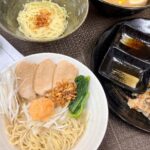
The class runs through Musoshin Ramen Academy, created by Musoshin Ramen, which started in Kyoto in 2022. Today Musoshin has six restaurants across Kyoto and Toronto, and Musoshin in Toronto has been nominated for Michelin for three consecutive years. The recipe and method are described as the same across locations, which is a big reason the meal feels consistent.
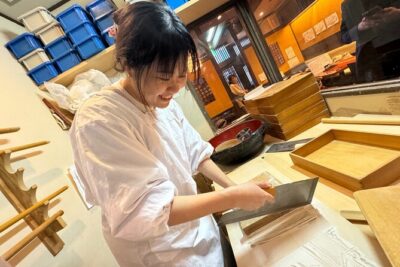
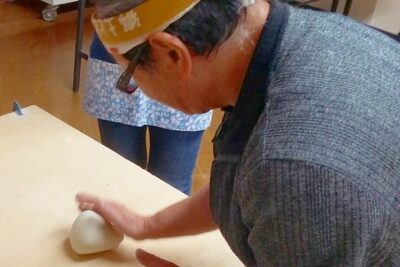
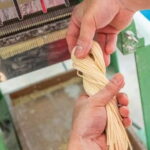
This academy leans hard on in-house preparation. They make noodles in their shop every morning and let them rest overnight. They make the ramen soup for 12 hours, and the ramen soy sauce and roast pork are also handmade.
You’ll also hear how the workshop is supported by their restaurant operation. Ingredients are prepared professionally and sourced from Musoshin’s Gion location, then brought into the academy for your session. That matters because it means you’re not waiting on “mystery shortcuts.” The ramen quality is coming from a real system.
Painting Your Ceramic Bowl (or Spoon): The Souvenir That Gets Used
You’ll paint a Musoshin ramen bowl as an option, and there’s also an option to paint a spoon. Both come as ceramic, and you’ll typically work with the bowl, spoon, apron, and the ramen setup included in the experience.
What makes this more than a generic souvenir is that your design affects something you’ll live with after your trip. You can take the ceramic home the same day for decoration. If you want it to be meal-ready, the studio can fire it in a kiln for free.
Small practical tip: decide on a design fast. The group time is limited, and you’ll be happier if you go in with a simple idea (a bold motif, a few shapes, or a clean pattern). One review also mentioned paint-color choice could feel limited, so if color variety matters to you, bring a plan that works with what they offer.
Build Your Michelin-Quality Bowl: What You’ll Do During Cooking
Once the painting portion is done, you’ll shift into the ramen part. Here’s the key: the broth is already made. You’re not “starting from a raw stock pot.” Instead, you’ll assemble, arrange toppings, and cook components that are ready to go so you learn the structure of a great bowl without losing the timing.
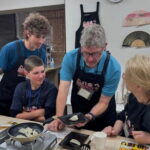
The class is designed to be interactive. Hosts bring ingredients, then guide you through cooking steps at the right moment. Several sessions emphasize how the pace is organized and how hosts help you participate even if you’re going solo or you’re with a mixed-age group.
You should expect the highlights of the process to come through in two ways:
- Your arrangement: placing toppings and assembling the bowl changes the final experience
- Chef-driven guidance: you get a walkthrough of what makes their ramen taste the way it does
In past sessions, hosts like Shin show up as the clear center of gravity, with other team members such as Sherry, Amir, Miki, or Mickey helping guide the room. You can count on friendly explanations in English and Japanese, and the staff often takes photos while you assemble.
One honest note: a couple of people described it as more of a ramen construction experience than a full cooking class. If you’re the type who wants to learn how every sauce is made from scratch, you might feel a bit limited. But if you want to learn what a top bowl looks like and taste the payoff, the format works.
The Ramen Itself: Why the Meal Usually Becomes the Main Event
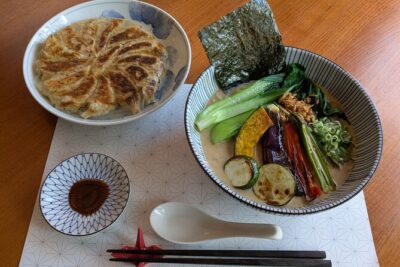
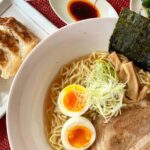
This is where Musoshin’s Michelin-nominated reputation shows up in your bowl. You’re eating ramen described as Michelin award recognized, served with the results of those long prep routines: 12-hour soup, overnight-rested noodles, and handmade soy sauce and roast pork.
What I like about their approach is that the depth of flavor isn’t just marketing. The ingredients are built for consistency, which means your bowl tastes “restaurant correct” instead of tasting like a one-off home experiment.
Also, you get to adjust your own bowl during assembly. That’s a small thing, but it changes how you experience the meal. You don’t just eat ramen; you understand the logic behind it.

Free Kiln-Firing: How to Take Home Ceramics You Can Actually Use
Here’s a practical perk that turns a craft into a real take-home item. The ceramic you paint can be taken home the same day for decoration. If you choose kiln firing, it’s done for free, and your fired piece is ready for pickup the next day.
This is worth thinking about before you book. If you only stay in Kyoto for a short time, you’ll want to plan your pickup day. If you’re the type who likes souvenirs you can put to work, kiln-firing makes your design more than decoration.
One more practical detail: shipping isn’t included if you request delivery to your next hotel. If you’re thinking about mailing the items, ask the studio about the cost in advance so you’re not surprised.
Dietary Options: Gluten-Free, Vegetarian, and Vegan Ramen Choices
If you’re traveling with dietary needs, this is one of the more reassuring parts of the class. They offer gluten-free ramen options, plus vegetarian and vegan ramen.
That matters because it changes the experience from “watch everyone else eat” to “you’re part of the meal.” The ramen assembly format also helps here, because toppings and bowl-building can be adjusted around the ramen base you receive.
What you should do: when you book, choose the dietary option you want so they can prepare the correct ramen base for your session.
Family-Friendly Kyoto Fun With Hosts Who Keep It Smooth
This class is built for families. People mention it as a strong choice for kids because painting is naturally engaging, and assembly cooking steps are simple enough that children can participate with support.
Another plus is the environment. The workshop is described as clean and well set up. One review specifically mentioned Japanese décor, including samurai swords, which helps the setting feel like you’ve stepped into a real ramen world rather than a random demo space.
The hosts also matter. People highlighted how Shin and the supporting team were attentive, took photos, and helped keep kids and teens involved. For families, that’s the difference between an activity that’s “cute” and one that actually makes everyone happy.
If you want a low-stress plan for a rainy afternoon or a hot day in Kyoto, this kind of indoor workshop works well. You’re seated, guided, and then you get a hearty meal to finish.
Price and Value at $64: What You’re Really Paying For
At $64 per person for a 1 to 90-minute session, you’re paying for three things at once:
1) a ceramic souvenir you customize,
2) a Michelin-nominated ramen meal, and
3) guided assembly with in-house quality ingredients.
That combo is why it often feels like good value compared to paying separately for a craft plus a restaurant meal. The souvenir isn’t just a cheap keepsake either; kiln-firing is available for free if you want the ceramic to be more than display.
Still, you should calibrate expectations. If you’re expecting a full “from scratch” cooking curriculum where you learn every element (broth, sauces, noodles) during the class, the format may feel shorter than you want. Most of the “heavy work” is handled by the Musoshin team before you arrive, so your time is spent on the parts that visitors can do and taste: assembling, cooking steps, and customizing the bowl.
Should You Book This Kyoto Ramen Bowl Workshop?
I’d book it if you want a Kyoto activity that mixes creativity with a seriously good meal. The paint-and-eat format is the reason it lands well for couples, solo diners, and families alike. Add in the free kiln-firing option and the dietary flexibility, and it becomes a strong choice when you want one memorable “do” instead of a pile of short stops.
Don’t book it if your main goal is learning to make ramen broth and sauces end-to-end within the class time. This is guided ramen assembly with a top-tier base, not a full production workshop where you run the 12-hour soup yourself.
If you fit the middle ground—curious about ramen, excited to paint, and happy to let the pros handle the long prep—this is the kind of Kyoto experience you’ll still be talking about when you’re back home.
FAQ
How long is the Kyoto ramen bowl painting and cooking class?
The class runs about 1 hour to 90 minutes. Exact starting times depend on availability.
What’s included in the $64 per person price?
It includes Michelin-nominated Musoshin ramen, a Musoshin ramen bowl and/or spoon option, a Musoshin bandana, and free kiln baking for your painted ceramic.
Can I get gluten-free, vegetarian, or vegan ramen?
Yes. Gluten-free ramen options are available, and vegetarian and vegan ramen options are also offered.
Can I take my painted ceramic home?
Yes. The ceramic you paint can be taken home the same day for decoration.
Do you offer kiln-firing for the painted items?
Yes. The studio can bake your custom-designed bowl in a kiln for free, and it will be ready for pickup the next day.
What languages do the instructors speak?
The instructor supports both English and Japanese. Small group sessions are available.