REVIEW · TOKYO
Ramen & Gyoza Cooking Class in Tokyo with Local Supermarket Visit
Book on Viator →Operated by YUCa's Japanese Cooking · Bookable on Viator
Tokyo ramen class meets local shopping.
This experience is interesting because it mixes hands-on cooking with a look at everyday Japanese food habits, not just a restaurant meal. I like the small group size (max 7), which keeps the class personal, and I like that the chef teaches both ramen and gyoza so you leave with a complete, repeatable meal plan. One consideration: the class can feel more guided than fully DIY, since you’re working in a home kitchen setup with limited space.
You’ll start with a short overview of Japanese home cooking, then move into cooking and tasting, with a optional supermarket stop afterward. If you’re expecting a full independent grocery expedition as part of the standard package, plan for some flexibility based on how the timing lands that day.
In This Review
- Key takeaways
- First stop: YUCa’s home kitchen in Nishiogu (Arakawa City)
- The 10:15 home-cooking lecture: what Japanese meals are built on
- Cooking ramen and gyoza: what you’ll actually do
- Tasting the meal: eating comes right after learning
- Optional local supermarket tour at 12:30: shop like you belong
- Price and value: is $122.70 a good deal?
- Who this class is for (and who might want another option)
- Practical tips to get the most out of your morning
- Should you book this ramen and gyoza class?
- FAQ
- Where is the meeting point?
- What time does the experience start?
- How long does the class last?
- Is there a supermarket tour included?
- Can I get a vegetarian option?
- What dishes will I learn to make?
- How big is the group?
- Do I get a mobile ticket?
- Can I cancel for a full refund?
- Is it near public transportation?
Key takeaways
- Max 7 travelers means more attention and less waiting around
- Real home-kitchen setup with guided technique, not a big cooking studio
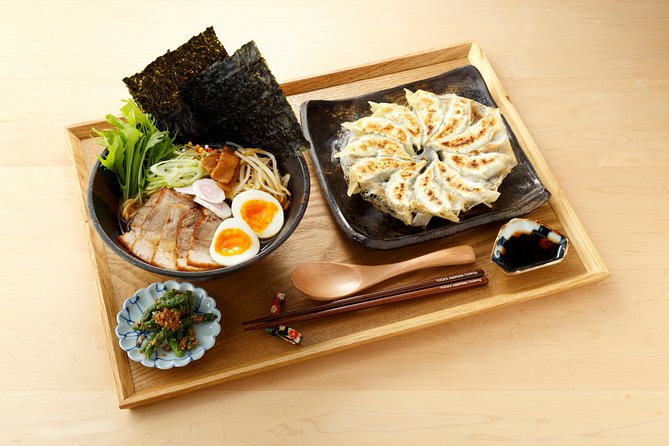
- You make ramen + gyoza, not just one dish
- A short Japanese home-cooking lecture frames how ingredients and habits fit together
- Optional supermarket tour can help you shop like a local (if it’s running when you go)
- Vegetarian option available if you request it during booking
First stop: YUCa’s home kitchen in Nishiogu (Arakawa City)
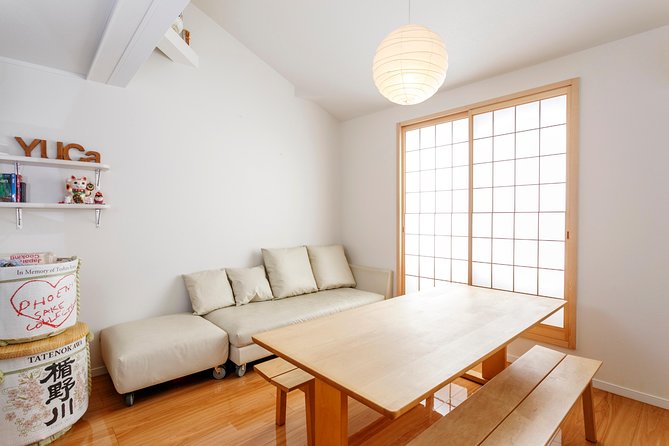
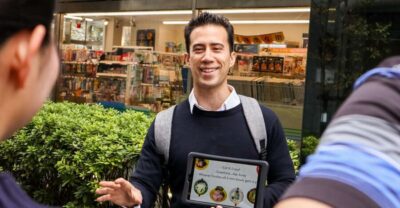
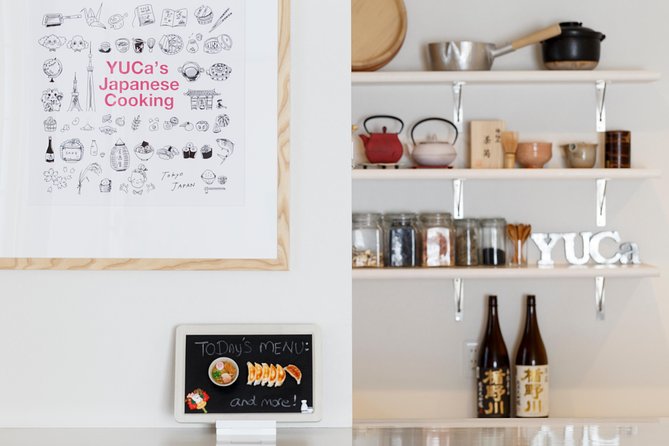
The class meets at YUCa’s Japanese Cooking, 2-chōme-34-8 Nishiogu, Arakawa City, Tokyo. This part matters because you’re not starting in a tourist-heavy area or a commercial cooking school. It’s a neighborhood setting, which makes the whole morning feel more like you’re visiting someone who happens to be an excellent teacher.
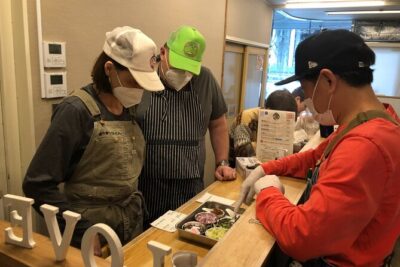
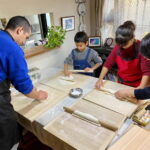
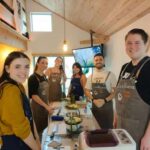
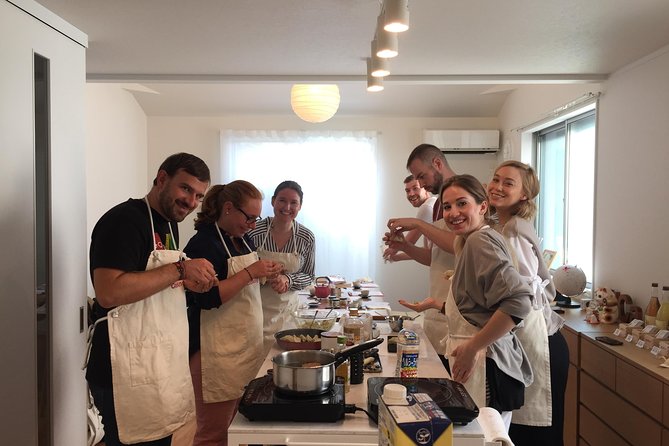
YUCa’s kitchen is set up for small groups, and the experience is built around that reality. Expect a cozy space, shared stations, and lots of instruction as the dishes come together. If you like learning by watching first and then doing your part, this format tends to work well.
Also, the meeting point-to-end point setup is simple: the activity ends back at the same location. That saves you from “mystery commuting” after lunch cravings kick in.
You can also read our reviews of more tours and experiences in Tokyo.



The 10:15 home-cooking lecture: what Japanese meals are built on
Right after you meet (starting at 10:00 am), the schedule includes a brief lecture about Japanese home cooking and lifestyle. It’s only about 10 to 15 minutes, so it’s not trying to turn you into a culinary historian.
What this segment is good for is getting you oriented. You learn how Japanese cooking thinking tends to be ingredient-aware and technique-focused—small choices that change flavor and texture. Even when the class is focused on ramen and gyoza, this mini lesson helps you understand why the chef is emphasizing certain steps over others.
If you’re a first-timer, this is also where the chef can help you connect the dots fast: how soup basics relate to dumpling fillings, and how vegetables and meat choices shift the final vibe of the meal.
Cooking ramen and gyoza: what you’ll actually do
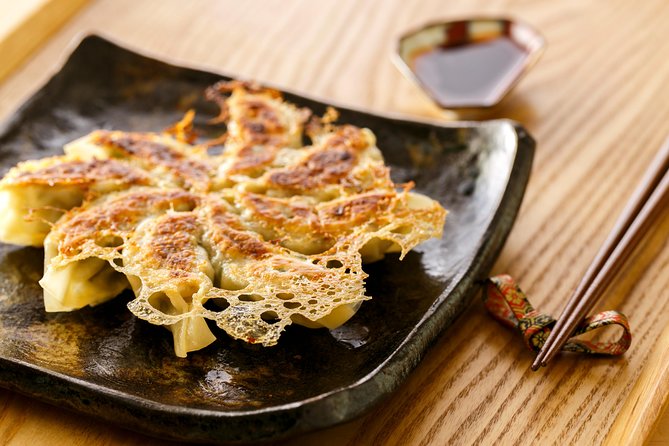
The core of the experience runs roughly 10:30 am to 12:30 pm: cooking and tasting. In practice, you’re working on both ramen and gyoza, and the class is designed to be approachable for different skill levels.
Here’s what you can plan for based on the way the class is described:
- You’ll prepare ramen noodle soup and gyoza (minced pork dumplings).
- The cooking uses different vegetables and meat, so you get a sense of how ingredient swaps can change flavor.
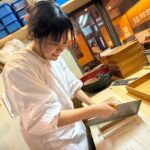
- You’ll get hands-on involvement, with the chef explaining techniques and guiding you step by step.
- You’ll also eat what you make, so the learning sticks.
One useful detail: this class has a reputation for being interactive, with roles assigned so everyone participates. That doesn’t mean every task is fully independent, though. In a home kitchen, some steps may be more demo-style while you do key parts (like mixing, assembling, or finishing). You should still end up with enough actual practice to recreate the meal at home, but if you’re the kind of person who wants full control over every stirring motion, you may feel the room constraints.
A real plus for ramen lovers: the class treats ramen like more than “add broth, done.” You’re guided toward building the soup you can recognize as Japanese-style at the table.
Tasting the meal: eating comes right after learning
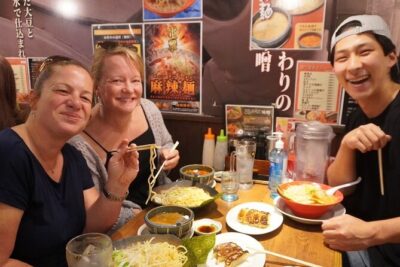
The tasting part isn’t an afterthought—it’s what makes the morning click. By the time you sit down to eat, you understand what each piece was doing in the cooking process.
This matters for value. Cooking classes can waste time if you’re just standing back while food magically appears. Here, tasting right after you finish helps you connect smell, texture, and seasoning to the steps you just watched (and the steps you did). The result is not only delicious but also memorable.
And yes, gyoza and ramen are the classic combo for a reason. Dumpling crunch meets noodle comfort, and your brain gets a full flavor picture in one sitting.
If you’re coming with family or teens, this is also an easy win. Kids tend to enjoy the dumpling-making part, and ramen gives everyone a familiar target at the end.
Optional local supermarket tour at 12:30: shop like you belong
After cooking and tasting, there’s an optional local supermarket tour from about 12:30 to 1:00 pm. This is where the experience gets extra practical.
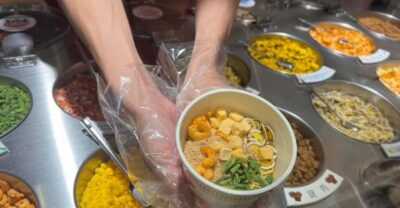
The key idea is that you’re shopping in a neighborhood setting, not in a tourist zone where everything is packaged to look cute. You get a chance to see ingredients up close—especially items you might not know how to buy back home. Even a short visit can help you learn what to look for when a recipe says something like the type of vegetable, the kind of meat, or a Japanese pantry ingredient.
A fair consideration: “optional” means it’s not guaranteed as a full separate outing for everyone in every situation. If supermarket time is your main reason for booking, verify expectations when you reserve and be ready to treat it as bonus value rather than the foundation.
Still, for ingredient-curious cooks, this stop can turn the class from a fun meal into a shopping checklist you can reuse.


Price and value: is $122.70 a good deal?
At $122.70 per person, the price isn’t “cheap,” but it also isn’t wildly priced for what you get: a small-group cooking class in a real Tokyo home kitchen, focused on two dishes, plus optional ingredient shopping.
The value comes from four areas:
- You learn two recipes (ramen and gyoza) in one session, so you’re not paying twice for basic technique.
- Small group size (max 7) helps instruction land better than in huge classes.
- Hands-on cooking plus tasting means you practice, then eat immediately.
- The chef adds cultural context so it’s not just following steps—it’s understanding choices.
The timing is also efficient. A morning block of about 2.5 hours gives you a full food experience without eating up your whole day. In Tokyo, that matters because travel time and meal timing can easily turn into wasted hours.
If you compare against doing ramen and gyoza at restaurants, you’re paying more than a single meal—but you’re also buying skills you can repeat later.
Who this class is for (and who might want another option)
This experience tends to fit a wide range of visitors:
- Beginners who want guidance in plain steps and want to avoid guesswork.
- Intermediate cooks who enjoy learning technique and ingredient handling in a Japanese setting.
- Families—the class format is friendly for different ages, and dumpling work is naturally kid-friendly.
- Singles and couples who want a social morning without a loud party vibe.
It can be less ideal if you’re looking for a totally hands-on, do-every-step-from-scratch workshop. Because it’s in a home kitchen and the group is small, space and workflow may limit how independently you drive every step. Many people still enjoy the pace and structure, but it’s worth keeping your expectations grounded.
Also, if you’re a strict vegetarian eater, this class can work because a vegetarian option is available—but you must request it at booking so the chef can plan accordingly.
Practical tips to get the most out of your morning
A few smart moves will help the class feel smoother and more worthwhile:
- Request dietary needs early. Vegetarian is available, and advance notice makes it easier for the chef to prepare.
- Arrive on time. The start is 10:00 am, with a short lecture scheduled right after. If you show up late, you miss context that helps you cook better.
- Ask about ingredient swaps. Even if you don’t do the optional supermarket tour, you can still learn what substitutions work for ramen and gyoza.
- Take notes on broth and seasoning logic. Ramen tastes like small decisions layered together. If you remember the reasoning, you can recreate it.
One more thing: bring patience for home-kitchen flow. This isn’t a lab with one counter per person—it’s a lived-in setup. That’s part of the charm, and it also explains why the experience can be more guided than completely DIY.
Should you book this ramen and gyoza class?
I’d book it if you want a Tokyo food experience that’s not just eating, and not just watching. The combination of ramen + gyoza, the small group, and the chef-led teaching in a real home kitchen makes it a strong use of a morning.
You might choose something else if you specifically want a long, structured supermarket outing with lots of independent shopping time. The supermarket tour is optional and brief, so treat it as a helpful add-on rather than the core of the program.
If you like practical skills you can reuse at home, this one has real payoff. You’ll leave with a complete meal idea, not just a souvenir dinner.
FAQ
Where is the meeting point?
The class meets at YUCa’s Japanese Cooking, 2-chōme-34-8 Nishiogu, Arakawa City, Tokyo 116-0011, Japan.
What time does the experience start?
It starts at 10:00 am.
How long does the class last?
The duration is about 2 hours 30 minutes (approx.).
Is there a supermarket tour included?
Yes, there is a local supermarket tour at about 12:30 to 1:00 pm, and it is marked as optional.
Can I get a vegetarian option?
Yes. A vegetarian option is available if you advise the provider at the time of booking.
What dishes will I learn to make?
You’ll learn to prepare ramen noodle soup and gyoza dumplings.
How big is the group?
This activity has a maximum of 7 travelers.
Do I get a mobile ticket?
Yes, the tour includes a mobile ticket.
Can I cancel for a full refund?
Free cancellation is available up to 24 hours in advance of the experience for a full refund.
Is it near public transportation?
Yes, it’s near public transportation.