REVIEW · XIAN
Half-Day Xi’an Biang Biang Noodles Cooking with a Market Visit
Book on Viator →Operated by Chilli Cool China · Bookable on Viator
Hand-pulled noodles start with spices. I love the spice-market ingredient hunt and the chance to make biang biang noodles yourself. One thing to consider: the cooking portion may feel more guided than totally hands-on at every step for every person.
I’m also drawn to the people-focused pace: a small group (up to 15) and a professional chef working in a real home setting. You’ll taste what you buy, get local tea, and finish with beer or other beverages paired with your own noodles.
Plan for simple, physical parts: you’ll walk in a market area and you’ll want comfortable shoes. Sessions run about 3 hours 30 minutes, and you can choose a morning or afternoon slot.
In This Review
- Quick hits before you go
- Market first: why the Muslim Quarter walk matters
- The spice-market scavenger hunt: what you actually learn
- Cooking biang biang in a traditional courtyard home
- Tea, beer, and the part you’ll remember later
- Timing, meeting point, and what to bring for a smooth 3.5 hours
- Price and value: what $75 buys you in real terms
- Who should book (and who might want to skip)
- FAQ
- Can I choose a morning or afternoon session?
- How long is the experience?
- What’s the group size?
- Where do I meet, and how does it end?
- What’s included in the price?
- Is there a vegetarian option?
- Does it run in bad weather?
- Is there free cancellation?
- Should you book this biang biang noodles class?
Quick hits before you go
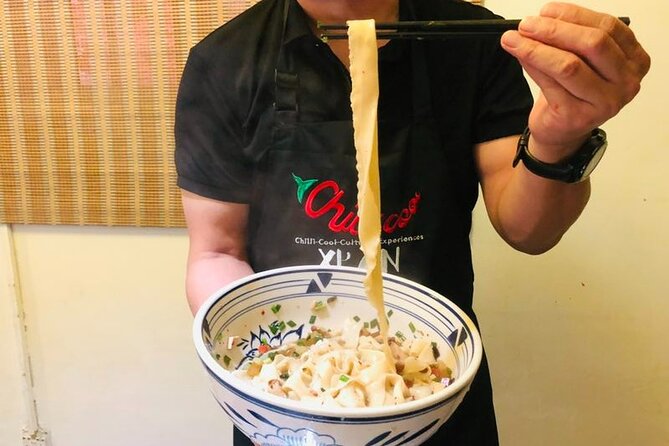
- Muslim Quarter market start: you begin with a food-and-spice walk before touching dough.
- Spice challenges and tasting: you learn what’s used in the noodle dough and sauces.
- Chef’s home setting: cooking happens in a traditional Chinese courtyard-style space.
- Everything included: ingredients, recipes, tea, beer, and water come with the class.
- Small group size (max 15): you’re more likely to get real attention when you’re learning.
Market first: why the Muslim Quarter walk matters
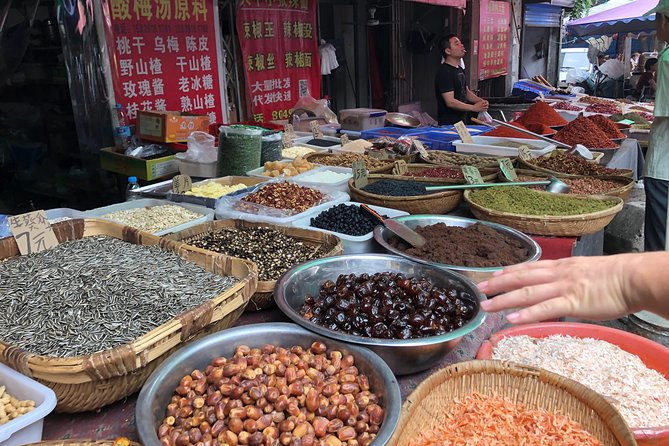
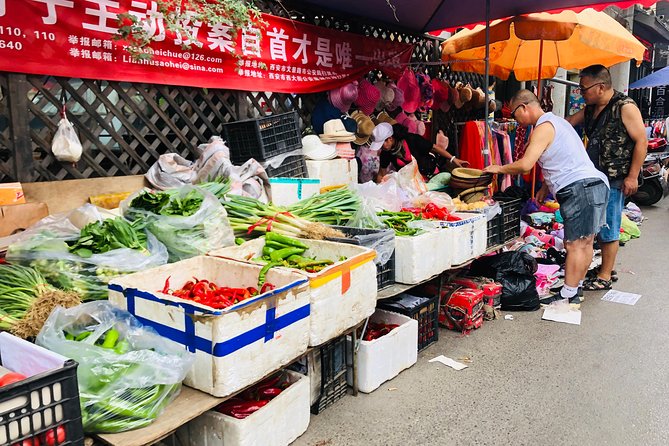
This half-day experience starts in the Muslim Quarter area, where the whole day makes sense. You’re not just learning noodles in a vacuum. You’re learning the noodles by seeing, smelling, and picking out the ingredients that go into them.
That order matters. If you’ve ever tried to copy a recipe later and failed, it’s usually because the ingredients and proportions aren’t the same. Here, you get to handle the shopping part up close. You also get a sense of what typical spice and cooking ingredients look like in daily life, not just in a cookbook.
You’re also likely to leave with more than a dinner. One of the best parts is the process you’ll be able to repeat at home: you’ll have the recipe and the technique taught in a way that connects directly to what you bought.
You can also read our reviews of more tours and experiences in Xian.
The spice-market scavenger hunt: what you actually learn
In the market, you’re guided through different spices and ingredients using small challenges. The goal isn’t to treat the market like a photo tour. It’s to help you figure out what matters and why it’s used in Chinese cooking.
The experience is built around three practical outcomes for you:
- You’ll learn what spices and ingredients are used for the noodle-making process.
- You’ll get a structured way to compare items you might not recognize.
- You’ll taste along the way, so the flavors land in your memory while you cook.
I like this approach because it removes the guesswork. When you later try to buy equivalents at home, you’ll at least know what role each ingredient plays. Even if you can’t match every product brand, you’ll know what to look for.
One more plus: this portion keeps momentum. You’re moving, asking questions, and getting mini tasks to complete, so the day stays fun instead of becoming a long shopping detour.
Cooking biang biang in a traditional courtyard home
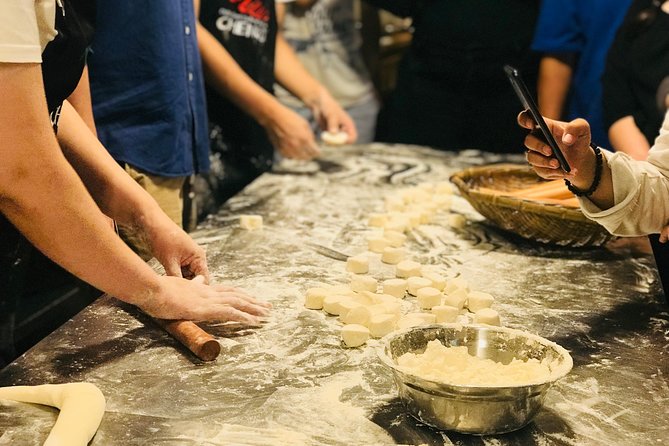
After the market, the cooking portion shifts to a traditional Chinese home setting. The class is guided by a professional chef, and the work happens in a courtyard-style environment. That changes the feel immediately. It’s not a classroom. It’s a real kitchen rhythm.
I also like that the class uses a practical teaching style. You’re not just watching a demo and taking notes from the sidelines. You start the cooking process with guidance, and you’re learning the steps needed to make biang biang noodles.
A key detail for your expectations: you’ll likely have a mix of instruction and hands-on participation. That’s great for learning technique. But if you’re the type who wants a fully independent station experience where every person does every action the same way, you should know the setup can be more guided than one-person, one-dish production line. Plan to participate closely and listen for technique cues, especially during dough and shaping/pulling steps.
Tea, beer, and the part you’ll remember later
Once your noodles are made, you eat what you create. And it’s not just a token bite. The class is designed so you taste your own cooking, not just watch it disappear.
Your included drinks help too. You’ll get local tea as part of the hosting tradition, plus beer or other beverages with your meal. It’s a small thing, but it changes how the group relaxes at the end of a busy market-to-kitchen day.
If you’re wondering what you’ll actually be able to do later at home, the recipe pack is a big part of the value. It’s not only technique taught in the moment. You leave with the recipe and can compare what you made against what you were aiming for.
And one more practical note: the class includes food tasting during the experience. That means you’re building flavor awareness while you learn, which is a big help when you’re recreating sauces or seasonings later.
Timing, meeting point, and what to bring for a smooth 3.5 hours
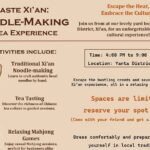
This runs about 3 hours 30 minutes. You can pick a morning or afternoon session. The schedule affects whether you get lunch or dinner, so choose the time that matches your hunger level and your day.
You meet at Sajin Bridge (Sa Jin Qiao, Lian Hu Qu, Xi An Shi, Shan Xi Sheng, China), and the activity ends back at the meeting point. That round-trip structure is convenient when you’re squeezing this into a packed Xi’an itinerary.
Because you’ll be walking in a market area, wear comfortable walking shoes. The tour is said to operate in all weather conditions, so dress for rain or heat as needed. I’d treat this like any market day: bring layers, and keep a small personal bag for anything you don’t want to carry while shopping.
Group size is capped at 15 travelers maximum. That’s a sweet spot for learning. It won’t feel like you’re in a huge crowd, but it still has enough energy for the market games and kitchen flow.
Price and value: what $75 buys you in real terms
At $75 per person, the best part is what’s included. You’re not paying just for instruction. You’re paying for:
- ingredients for what you cook
- tea, beer, and water
- food tasting
- recipes to take home
That matters because cooking classes in many cities often charge extra for ingredients, and drinks are usually separate. Here, the price is closer to a full meal experience plus a technique lesson.
You’re also getting two layers of education: the market ingredient portion and the noodle-making portion. That’s why it feels more complete than a single-location activity.
One more detail: group discounts are mentioned, and you can use a mobile ticket. If you’re traveling with friends, that can help bring the per-person cost down compared with solo participation.
Who should book (and who might want to skip)
This is a strong fit if you:
- want to learn a signature Xi’an dish you can actually recreate
- enjoy markets and want your shopping to have a purpose
- like hands-on cooking, guided step by step by a professional chef
- prefer small groups so questions don’t get lost
It may be less ideal if you:
- hate walking through busy areas, even for a short time
- want a totally hands-off, watch-from-the-stool experience
- have very specific dietary needs beyond vegetarian, since you’ll need to advise those at booking
Vegetarian option is available, so if that’s your situation, mention it when you book. The class also says it’s in all weather, so expect a real outdoor-to-indoor day regardless of conditions.
FAQ
Can I choose a morning or afternoon session?
Yes. The class offers morning and afternoon options.
How long is the experience?
It runs about 3 hours 30 minutes.
What’s the group size?
The class has a maximum of 15 travelers.
Where do I meet, and how does it end?
You start at Sajin Bridge (Sa Jin Qiao, Lian Hu Qu, Xi An Shi, Shan Xi Sheng, China) and the tour ends back at the meeting point.
What’s included in the price?
The price includes ingredients, recipes, tea, beer (or other beverages), water, food tasting, and lunch or dinner based on your class schedule.
Is there a vegetarian option?
Yes. A vegetarian option is available—advise when booking.
Does it run in bad weather?
It operates in all weather conditions. Dress appropriately.
Is there free cancellation?
Yes. You can cancel up to 24 hours in advance for a full refund.
Should you book this biang biang noodles class?
If you want a useful souvenir and not just a meal, I’d book it. The combination of a market ingredient walk plus cooking a signature Xi’an noodle dish gives you both context and technique. The included drinks and recipes make it feel like a complete half-day, not a quick demo.
I’d especially book it if you like learning with your hands and you enjoy figuring out spices in the real market environment. Just go in expecting a guided cooking flow, not a big factory-style station setup, and wear shoes that can handle market walking.