REVIEW · OSAKA
Ramen Craftsman Experience in Osaka
Book on Viator →Operated by Menya SHU · Bookable on Viator
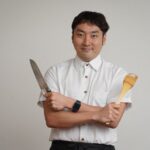
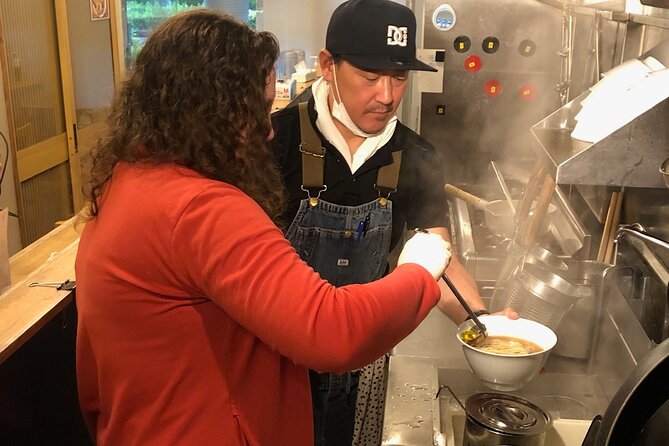
Ramen turns into a hands-on craft in Osaka. This workshop at Menya SHU lets you learn ramen ingredients and then cook the key steps in the shop kitchen, not in some faraway demo room. I like the small class size of four and the clear, step-by-step teaching from Shu (and support from Amanda in the kitchen). One thing to consider: it uses a gas stove, so infants can’t join, and you need to plan around that.
What I really enjoy is how the session feels like a real order flow. Shu explains what goes into your chosen style of ramen, then you get involved in boiling noodles, prepping and assembling, presenting, and eating. The other big plus for me is the value: you’re paying for lunch plus all tools (utensils, aprons, gloves), so you’re not juggling extra shopping on top of the experience.
There is one potential drawback. This isn’t a full DIY-from-scratch broth lesson, because ramen soup takes several days to make, so Shu prepares that part in advance. You’ll still do the hands-on portion that actually matters at the stall-level: noodles, finishing, and putting together your bowl.
In This Review
- Key things to know before you go
- Why Shu’s ramen kitchen feels more real than a typical class
- Your ramen choices: four styles with different personalities
- What a 1-hour “chef-for-a-session” workshop actually covers
- The hands-on steps that most people remember
- Why the price feels fair (and what you’re really paying for)
- Where it happens and how to plan your timing
- Who this ramen class is best for (and who should skip it)
- A simple decision: should you book Ramen Craftsman Experience?
- FAQ
- How long is the ramen crafting experience?
- What ramen can I choose from?
- Can I pick toppings?
- What’s included in the price?
- How many people are in the class?
- Is it suitable for children?
- What if I’m late to the reservation?
- Can I get a refund if I cancel?
Key things to know before you go
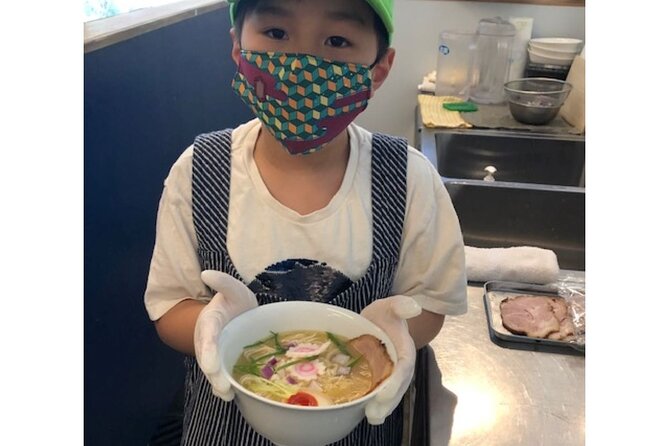
- Small group of four means you get more personal coaching in the kitchen
- Choose one of four ramen types, including Chinese soba and sea bream dashi salt ramen
- Everything is provided: utensils, aprons, and gloves, so you can just show up
- You cook on-site in the ramen shop kitchen, with demos on ingredients and techniques
- Gas stove limits age, with infants not allowed and kids around 7 years old being possible
Why Shu’s ramen kitchen feels more real than a typical class
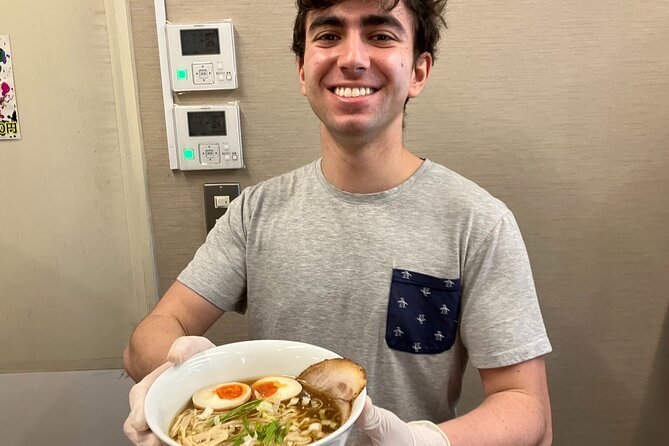
Osaka is famous for food, but most ramen experiences stop at eating. This one moves you behind the counter, into the working rhythm of a ramen shop. Shu rents out the kitchen area and runs your session there, so the focus stays on the craft: understanding ingredients, then doing the steps that turn them into a bowl.
The group size matters here. With up to four participants at a time, you’re not watching from the edge like a spectator. You get room to move, ask questions, and take part in the cooking sequence as Shu guides you.
You also get a nice balance between explanation and doing. The experience starts with an overview of the ramen ingredients and utensils, then quickly shifts into the active steps like boiling noodles and preparing the soup. The result feels efficient, not rushed—and not like you’re stuck in a lecture.
If you like your food experiences practical (and you hate wasting time), this format is the kind that makes sense even if you’re only in Osaka for a short trip.
You can also read our reviews of more tours and experiences in Osaka.

Your ramen choices: four styles with different personalities
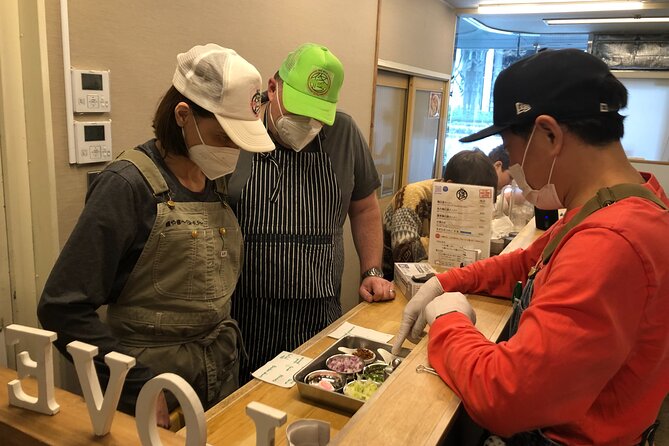
You don’t just pick a sauce and call it a day. You choose one ramen style from four menu options, and the cooking follows that path:
1) Chicken white soup ramen
2) Seafood chicken white soup ramen (clam broth)
3) Chinese soba (soy sauce ramen)
4) Sea bream dashi salt ramen
Here’s how to think about your choice before you decide:
- If you want comfort and familiar richness, go for the chicken white soup ramen. It’s a safe bet if you’re new to ramen beyond the basics.
- If you like briny flavors and a deeper seafood tone, the clam broth version should be your target. Seafood with a white soup base usually gives ramen that extra savory push.
- If you want something lighter or more soy-forward, Chinese soba is the move. Soy sauce ramen tends to taste clean and direct, and it can be a fun contrast to the heavier tonkotsu-style experiences many people know.
- If you’re curious about a gentler, more delicate soup character, sea bream dashi salt ramen is built for that. Dashi-based ramen often highlights the broth aroma rather than only heavy body.
A small but useful detail: you’re also able to choose your toppings. That’s where the class turns from theory into personalization, since toppings affect both flavor and texture.
What a 1-hour “chef-for-a-session” workshop actually covers
This is about an hour long, and it’s designed around the idea that you’re learning the ramen process as it happens in a real shop. Shu prepares the tools so you don’t need to bring anything, and you start with instructions before you hit the stove.
The sequence typically runs like this:
1) An explanation of ramen ingredients and the utensils you’ll use
2) Actual noodle boiling on a gas stove
3) Soup preparation steps (with guidance)
4) Presentation of your bowl
5) Eating your ramen right there
That order is smart. Noodles boil fast, so you don’t want to start cooking before you know what you’re aiming for. Shu keeps the teaching tied directly to what you’ll do next, which helps you remember the logic rather than just copying steps.
Also, the soup base part is set up in advance. The experience notes that ramen soup takes several days to make, so Shu prepares it ahead of time. That’s not a downside—it’s what keeps the class doable in just one hour. It lets you focus on the steps you can influence during the session without pretending you’re brewing broth from scratch.
If you’re a foodie who likes understanding how professional kitchens work, you’ll probably enjoy the way the workshop mirrors an actual order setup: ingredients come together, timing matters, and the final bowl is assembled and served.
The hands-on steps that most people remember
Most ramen classes either show you a trick or let you assemble something generic. This one is more hands-on, because you’re working through meaningful steps while Shu is guiding you.
From what I’d expect in a kitchen-run experience like Menya SHU, here’s what you should be ready for:
- You’ll handle the noodles during boiling, which is the moment ramen transforms from ingredients into the right texture.
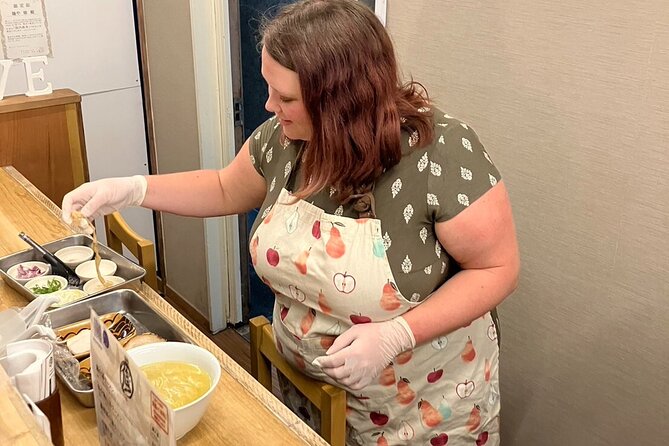
- You’ll take part in soup and bowl assembly under expert supervision.
- You’ll get to choose your toppings and see how they fit into the final presentation.
- The experience is set up so the group can participate without bottlenecks. Multiple comments highlight that the pacing and alternating approach helps everyone take part, not just one person at a time.
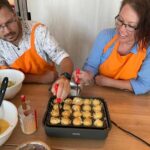
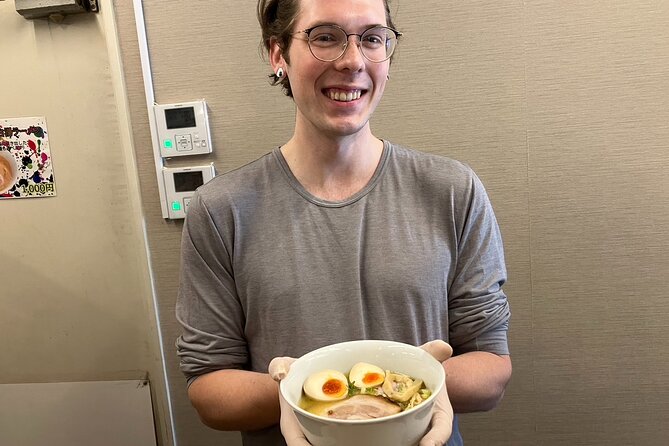
One review detail that sticks in my head: participants described going behind the counter and doing finishing actions like torching meat, cutting an egg in half, and shaking noodles. Even if your exact steps vary slightly depending on your chosen ramen style, the key idea is consistent: you’re not just watching. You’re doing the kitchen tasks that shape the bowl.
And yes, you’ll get time to enjoy the food you made. Lunch is included, and you eat your ramen as part of the experience.
Why the price feels fair (and what you’re really paying for)
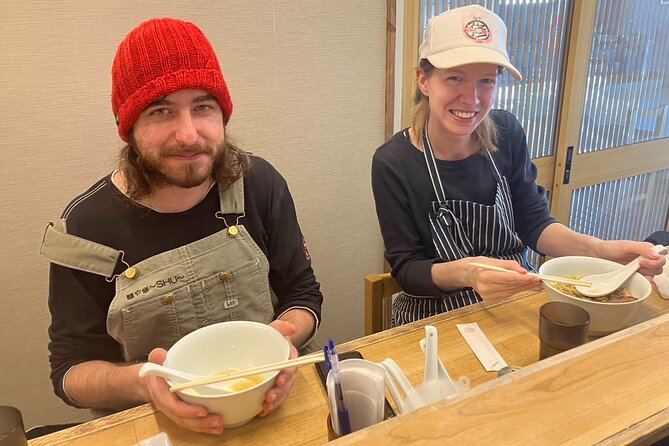
At $42.94 per person for about an hour, this isn’t the cheapest meal you’ll find in Osaka. But it also isn’t an overpriced gimmick. You’re paying for access to a real ramen shop kitchen, a small-group format, instruction, and the included lunch plus all the equipment you need.
Here’s what makes the value work:
- Personal coaching in a group of four. That’s hard to get with any larger cooking class.
- All tools provided (utensils, aprons, gloves). You save time and effort, and you don’t show up figuring out what you’re supposed to bring.
- You’re eating something you helped put together. It’s not just a snack; it’s lunch.
- Shu also explains ingredients and techniques. You’re not only consuming—you’re learning how different ramen types behave.
If your budget in Osaka is tight, you might question whether you should spend money on an experience instead of ramen hopping. My take: if you already plan to eat ramen anyway, this is a smart way to turn that meal into something educational and memorable without taking half a day.



Where it happens and how to plan your timing
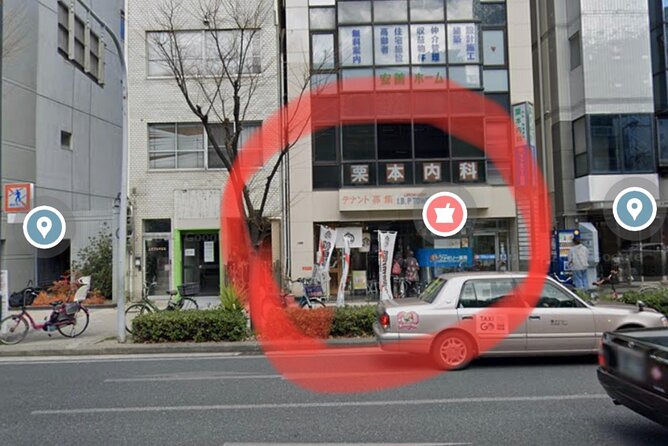
The meeting point is at 麺や修 ~shu~ 11-7 Higashikōzuchō, Tennoji Ward, Osaka, 543-0021, Japan. The activity ends back at the meeting point.
Timing matters more than you might expect in a hands-on class. The experience is scheduled like a working session, not a drop-in activity. You should plan to arrive early and avoid tight connections.
There’s also a clear rule: if you can’t meet after 15 minutes from the reservation start time, the session is canceled. That’s the kind of policy that protects the kitchen schedule, so treat your arrival as part of the prep.
Good news: it’s noted as near public transportation. So you can build this into your day without committing to a long taxi ride.
Who this ramen class is best for (and who should skip it)
This works especially well if you:
- Love ramen and want to understand the differences between broth styles and ramen types
- Prefer small-group cooking to big group chaos
- Want an experience that feels local and practical, inside a running ramen shop
- Are traveling with people who like hands-on food moments
It’s also family-friendly in a specific way. The session says infants can’t participate because of the gas stove. Small children about 7 years old can participate.
If you’re traveling with toddlers or very young kids, you’ll likely need to pick another activity. And if you’re the type who hates getting near hot equipment, remember that noodle boiling is on a gas stove and the class is actively cooking.
For couples, friends, and small families, the up-to-four setup is a strong match. You’ll get a more personal rhythm, and you won’t spend the whole time waiting your turn.
A simple decision: should you book Ramen Craftsman Experience?
If you want a ramen meal in Osaka that comes with real technique, personal attention, and a kitchen-straight learning path, I’d book it. The combination of small group size, ingredient explanations, and hands-on steps makes it more than a themed dinner.
Skip it only if one of these is true for you: you need an experience that includes very young children (infants can’t join), or you only want a full hands-from-scratch broth lesson (the soup base is prepared ahead because it takes several days to make). For most people, though, this setup is exactly the smart version of “learn ramen” in limited time.
If you’re the kind of eater who likes to go beyond the menu and understand what you’re tasting, Shu’s Menya SHU workshop is a great way to do it.
FAQ
How long is the ramen crafting experience?
It lasts about 1 hour.
What ramen can I choose from?
You can choose one style: chicken white soup ramen, seafood chicken white soup ramen with clam broth, Chinese soba (soy sauce ramen), or sea bream dashi salt ramen.
Can I pick toppings?
Yes. You choose your ramen flavor and your favorite toppings.
What’s included in the price?
Lunch is included, and you’ll be provided cooking utensils, aprons, and gloves.
How many people are in the class?
The maximum group size is 4 travelers, and the experience runs as a charter for your group.
Is it suitable for children?
Infants cannot participate because a gas stove is used. Small children around 7 years old can participate.
What if I’m late to the reservation?
If you can’t meet after 15 minutes from the reservation start time, the activity is canceled.
Can I get a refund if I cancel?
Free cancellation is allowed up to 24 hours in advance for a full refund. If you cancel less than 24 hours before, you won’t be refunded.