REVIEW · TOKYO
Professional Ramen & Gyoza with Ramen Chef in a restaurant!
Book on Viator →Operated by Baba Ramen · Bookable on Viator
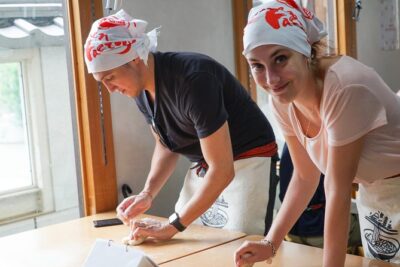
A ramen class in a real kitchen. This restaurant-based session in Meguro teaches you hands-on ramen noodle technique, not just theory. I also like the small-group setup, which means the chef can actually watch what you’re doing and tweak your form.
I love that you don’t just roll dough and hope for the best. You’ll work up a bowl with two broth options, then learn how the parts fit together so the final ramen tastes like what you’d order at a counter in Japan.
One thing to consider: this is hands-on cooking in a working kitchen. If you want a relaxed, sightseeing-style morning, the hot pans, oil, and active pace may feel like a workout—though the payoff is the meal you make.
In This Review
- Key highlights at a glance
- A Restaurant-Kitchen Ramen Morning in Meguro
- Where You Meet (and Why 9:00 AM Helps)
- The Flow of the Class: From Dough to Dinner
- Make Ramen Noodles: The Skill You’ll Actually Reuse
- Gyoza Workshop: Folding Skills With Real Feedback
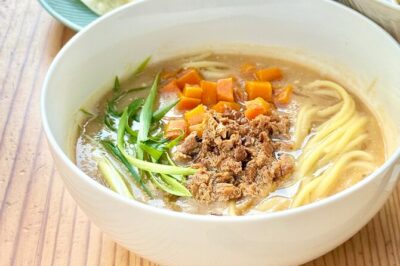
- Broth Options: Choosing Your Bowl Style
- Bilingual Chefs and the Small-Group Coaching Effect
- The Meal at the End: Why Your Ramen Tastes Different
- Dietary Options: Real Accommodations, Not Afterthoughts
- Equipment and Atmosphere: Professional Tools Change Everything
- Price and Value: Is $159.18 a Good Deal?
- Who This Class Suits Best
- Planning Tips for a Smooth 4 Hours
- Should You Book Baba Ramen’s Chef-Led Noodle Class?
- FAQ
- How long is the ramen and gyoza cooking experience?
- What time does it start, and where do I meet?
- What will I learn to make during the class?
- Are there different broth choices?
- Is this class held in a restaurant kitchen?
- What dietary options are available?
- How many people are in each group?
- Do I get anything to take home, and what happens with cancellations or bad weather?
Key highlights at a glance
- Restaurant-kitchen ramen making instead of a home kitchen class
- Small group (max 6) for more direct coaching
- Noodles from scratch plus gyoza—you do the key steps yourself
- Two broth options to match your taste
- Take-home cooking e-book so you can try again later
- Dietary accommodations available (vegetarian/vegan, gluten-free, pork-free), subject to availability
A Restaurant-Kitchen Ramen Morning in Meguro
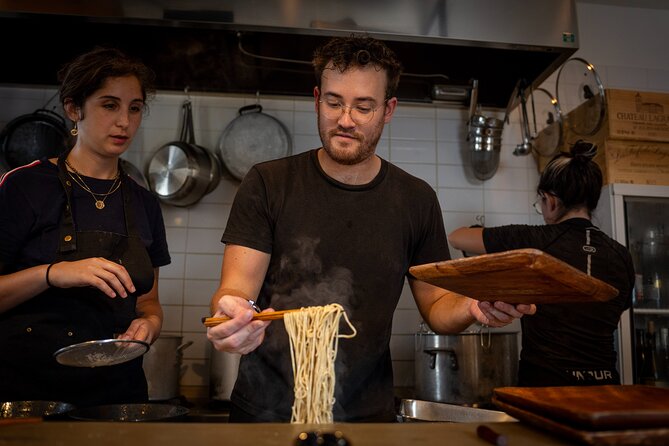
Tokyo can feel like one long food crawl, and it’s easy to treat ramen as something you simply order. This class flips the script. You learn how ramen gets built—where texture matters, how dough behaves, and how gyoza comes together—inside a real, commercial-style kitchen.
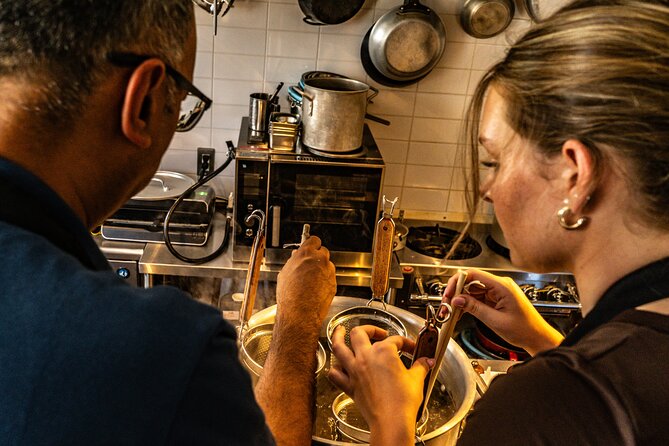
The setting is part of the value. In a restaurant kitchen, you get professional tools, a workflow built for making food fast and consistently, and a chef who can correct mistakes in real time. That combo is hard to beat if you’re serious about taking home a skill, not just a full stomach.
And yes, you end up eating what you make. Not a tiny sampler either—people talk about it as a proper ramen + gyoza meal that sticks with them after the class is done.
You can also read our reviews of more tours and experiences in Tokyo.


Where You Meet (and Why 9:00 AM Helps)
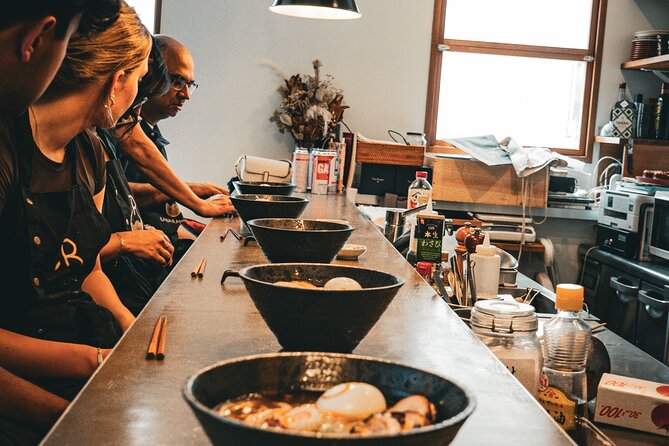
You meet at Baba Ramen Cooking Meguro, located at 101 3-chōme-7-32 Shimomeguro, Meguro City, Tokyo. The start time is 9:00 am, and the experience runs about 4 hours, ending back at the meeting point.
The early start is practical for two reasons. First, you get to shop your energy wisely—your hands are busy, and your brain is sharp. Second, you avoid late-afternoon crowds that can turn food errands and transit into a time-sink.
If you’re using public transportation, you’re in luck: the meeting spot is described as near transit. Also, you’ll use a mobile ticket, so have that ready on your phone before you head out.
The Flow of the Class: From Dough to Dinner
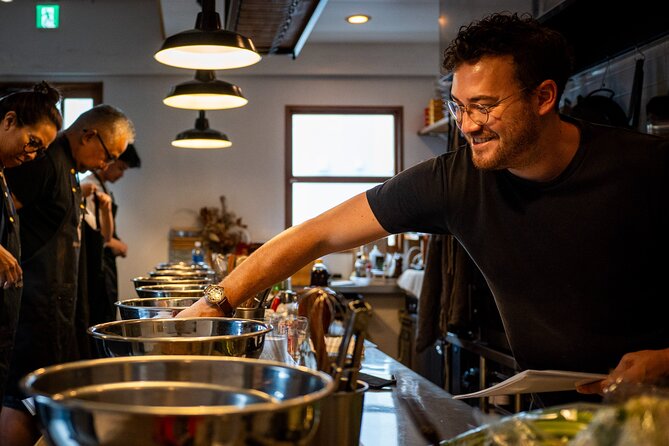
Even though the exact minute-by-minute schedule isn’t spelled out in your ticket info, the structure is clear: you’ll make ramen noodles from scratch, roll and prepare gyoza, and finish by eating the results. You also get guidance on technique and ramen culture (including etiquette) as part of the learning.
Think of it like this:
- You start with dough and noodle work, where precision and timing matter.
- Then you pivot to gyoza, which is more hands-and-touch than it looks.
- Finally, you bring everything together with your selected broth option, so the meal tastes like a complete bowl—not a pile of ingredients.
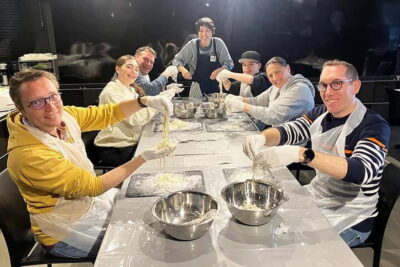
The class is built for small groups (maximum 6), so the pace works even if you’re new to cooking. You’ll be doing real steps, not watching from the sidelines.
Make Ramen Noodles: The Skill You’ll Actually Reuse
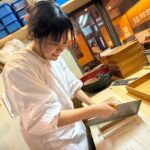
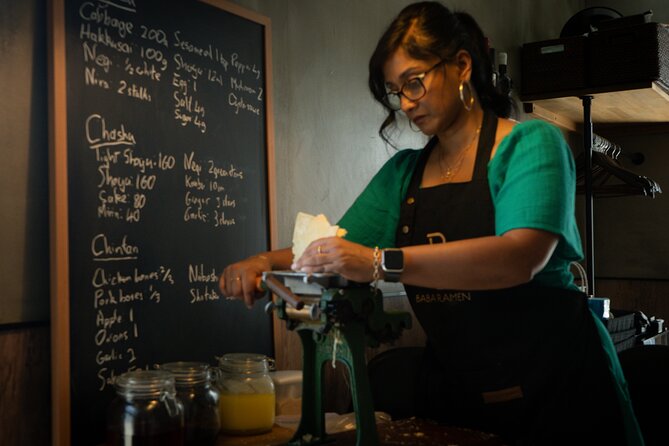
Making ramen noodles from scratch is the headline for a reason. Store-bought noodles are convenient, but the class teaches you why ramen noodles work: texture, stretch, and how dough responds when handled correctly.
What you can expect to practice:
- Mixing/working the dough until it behaves properly
- Rolling and cutting or shaping so you get the noodle thickness that cooks well
- Hands-on technique you can compare against the chef’s guidance
People consistently highlight the hands-on nature here, including that you’re not just doing one small step. You’re involved through the main parts of ramen-making, which is what helps the lesson stick.
A smart tip for you: don’t treat this like a quick cooking demo. Treat it like a skill session. If you rush, noodles get temperamental. If you slow down and focus on consistency, you learn the mechanics that let you recreate it later.
Gyoza Workshop: Folding Skills With Real Feedback
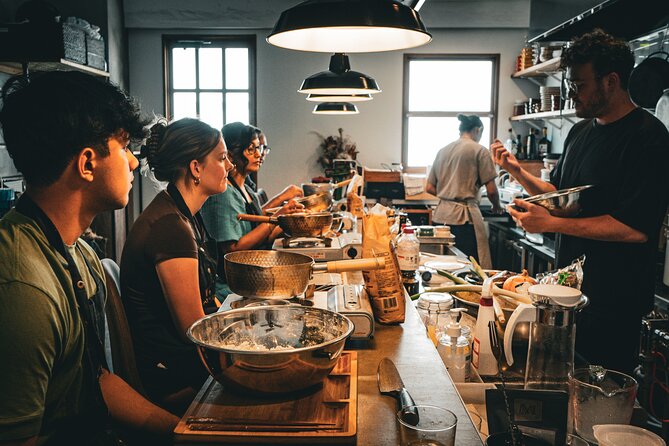
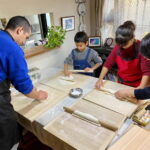
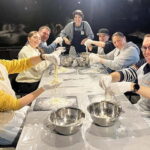
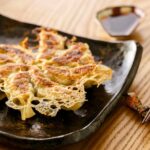
Gyoza feels simple until you actually try it. The class gives you that reality check in the best way—through repetition and direct coaching. Rolling, filling, and folding takes hand coordination, and that’s exactly what a small group helps with.
What makes this portion valuable is that it’s not only about the final shape. You’ll learn how to handle the filling and how to work efficiently so the gyoza cooks up well. And because this happens in a restaurant setting, the environment supports the timing you need.
Expect a fun, energetic vibe while you work. Several people mention how interactive and hands-on the experience feels, and gyoza is where that energy usually peaks.


Broth Options: Choosing Your Bowl Style
A key part of the experience is that you can choose from two broth options. That matters more than it sounds. Ramen isn’t just noodles and toppings—it’s the broth that carries the mood of the bowl, the aroma, and how everything tastes together.
In a class like this, choosing your broth helps you connect the “why” to the “how.” You’re learning technique with a goal. Instead of making random components, you’re aiming at a specific flavor style you’ll actually eat at the end.
If you have preferences, this is your chance to steer. Want something closer to a soy-based profile versus another common style? Pick the option that matches what you usually order in Tokyo, then pay attention to what the chef tells you about building flavor balance.
Bilingual Chefs and the Small-Group Coaching Effect
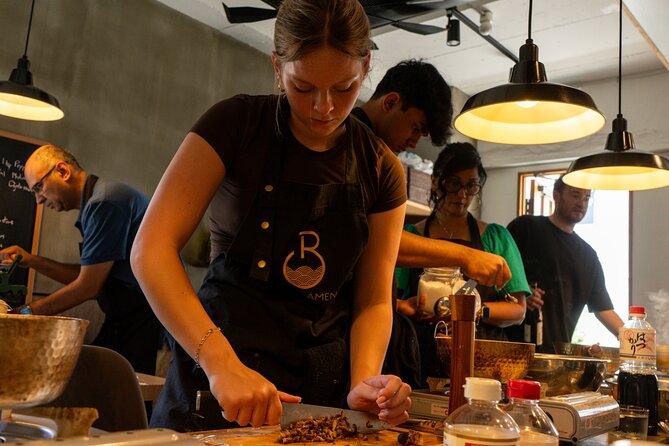
This class is led by bilingual local chefs (English and Japanese). In the feedback, names like Andrew show up, along with instructors such as Eric, Jae, and Leo. You might not meet every person listed, but the point is consistent: you’re working with a real ramen team, not a one-person stage act.
The small group size (max 6) is the difference between a good class and a memorable one. In a bigger group, you’d spend a lot of time waiting. Here, the coaching can be more personal—someone can notice when your dough handling needs adjustment or when your gyoza folding is getting too inconsistent.
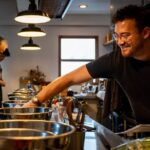
I also like that the class aims for professional-but-fun. You’re learning in a working kitchen, but you’re not being treated like a student number. People mention the team being organized, welcoming, and smooth with the flow.
The Meal at the End: Why Your Ramen Tastes Different
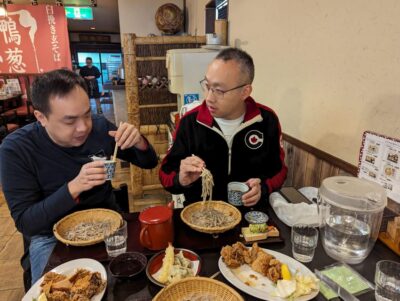
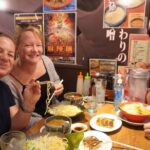
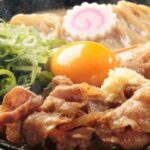
After you put in the work, the best part is the reward meal. You’ll eat the ramen and gyoza you help make, and many reviews call it some of the best ramen they ate in Japan.
Here’s what’s really happening: by the time you taste your bowl, you’ve already handled multiple key variables—noodle texture, gyoza cook readiness, and broth direction. That means your brain understands what makes the bowl good, instead of just enjoying it blindly.
If you’re worried you’ll just be too full to enjoy it, don’t. The course format is designed around finishing with eating. You end the experience with a satisfying plate, not an afterthought.
Dietary Options: Real Accommodations, Not Afterthoughts
If you have dietary restrictions, this is one of the stronger points. You can request vegetarian/vegan, gluten-free, or pork-free options, but availability depends on notice and the request you make.
That’s important. In many cooking classes, dietary changes are either limited or they turn into a compromise that’s not worth the money. Here, the class specifically flags these options, which usually means the staff is set up to plan ahead.
Practical move for you: comment your needs clearly when you book. If you’re gluten-free, for example, mention it up front. If you avoid pork, say it directly. The more specific you are, the more likely you get a real alternative rather than a vague substitution.
Equipment and Atmosphere: Professional Tools Change Everything
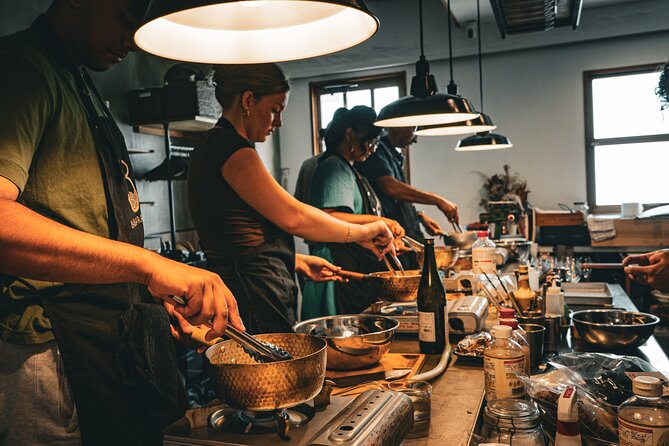
One standout theme is the kitchen-grade equipment. Cooking ramen at home can be rewarding, but it’s hard to match the consistency of a professional setup. In a restaurant environment, you get better tools, a workspace designed for speed and safety, and the right conditions for getting things right.
People also note the energetic, practical atmosphere—like when you’re using hot pans and working with oil as part of the process. That’s not a bad thing. It means you’re learning the same reality professionals deal with: heat management and timing.
So if you’re the type who likes to learn “how it’s done for real,” this class fits your style.
Price and Value: Is $159.18 a Good Deal?
$159.18 per person is not cheap for a cooking class. The question isn’t just the price tag—it’s what you’re buying.
You’re paying for:
- A professional restaurant kitchen setting (not a home kitchen)
- Hands-on guidance through ramen noodles and gyoza
- Broth selection as part of the learning
- Small group size for more direct feedback
- A take-home cooking e-book so you can repeat the technique later
If your goal is simply to eat ramen, Tokyo offers endless options at far lower cost. But if your goal is to learn a skill you’ll use again, the value shifts. You’re not just getting a meal—you’re getting a method, plus a structured lesson you can replay at home.
If you’re on the fence, consider this: ramen is labor-intensive. A chef-led class compresses years of trial into a single morning—without you buying a whole kitchen setup first.
Who This Class Suits Best
This experience is ideal if:
- You love ramen and want to understand what makes it work
- You learn best by doing, not watching
- You want a hands-on morning with a real chef in control of the kitchen flow
- You’re traveling with family or a group of food-focused people who enjoy interactive activities
It may not be the best fit if you want low-effort sightseeing. This class is active. You’ll be working with the tools and timing of cooking, and it’s designed to keep you busy.
Planning Tips for a Smooth 4 Hours
A few practical things will make your morning smoother:
- Arrive early enough to settle in calmly. The class starts at 9:00 am.
- Wear comfortable shoes. You’ll be standing and moving in a kitchen environment.
- If you have dietary restrictions, request them in advance and be specific.
- Bring a curious attitude. Even if you’re a ramen fan, you’ll likely learn new technique and etiquette.
Also, double-check your email or booking message for confirmation details. You’ll also receive information tied to your mobile ticket.
Should You Book Baba Ramen’s Chef-Led Noodle Class?
If you want a meaningful Tokyo food experience—not just another meal—this is a strong choice. The biggest selling points are the restaurant-kitchen setting, the hands-on noodle + gyoza work, and the small-group coaching that helps you actually improve.
The only real downside is effort. This class asks you to work. If that sounds fun, book it. If you’re after something slow and relaxed, you might want a different type of food tour.
My advice: if you’re in Tokyo for ramen anyway, spend one morning learning how it’s made. Then you’ll eat the rest of your bowls with a whole new level of understanding.
FAQ
How long is the ramen and gyoza cooking experience?
It runs for about 4 hours.
What time does it start, and where do I meet?
It starts at 9:00 am. You meet at Baba Ramen Cooking Meguro (101 3-chōme-7-32 Shimomeguro, Meguro City, Tokyo 153-0064, Japan).
What will I learn to make during the class?
You’ll make ramen noodles from scratch and make gyoza as part of the experience.
Are there different broth choices?
Yes. You can choose from two broth options.
Is this class held in a restaurant kitchen?
Yes. Unlike many classes in Tokyo that happen in a home setting, this one takes place in a restaurant kitchen.
What dietary options are available?
Vegetarian and vegan options are available (subject to availability). Gluten-free and pork-free options are also available if you comment your request in advance (subject to availability).
How many people are in each group?
The class has a maximum of 6 travelers.
Do I get anything to take home, and what happens with cancellations or bad weather?
You’ll take home a cooking e-book. You can cancel for a full refund up to 24 hours before the experience starts. If it’s canceled due to poor weather, you’ll be offered a different date or a full refund.