REVIEW · TOKYO
Ramen Tasting – Mini Bowl Ramen Tour
Book on Viator →Operated by Tokyo Ramen Tours · Bookable on Viator
Six tiny bowls beat one big choice. This ramen tour takes you through three Tokyo ramen neighborhoods with a local guide, so you can sample up to six different ramen styles without committing to one bowl. It’s built for people who feel overwhelmed by ramen menus, and it also teaches you how ramen culture works in real life.
I especially like the mini-bowl format. It’s just enough food to compare flavors side by side, and the pacing makes it easier to keep walking and chatting. I also like the small size, with a maximum of 10 travelers, which makes the guide’s explanations feel personal, not scripted—names like Makayla, Sahori, Brian, Bunga, and Manny show up often in past tours.
One thing to plan for: it’s about a 3-hour experience with walking between stops, and it expects moderate physical fitness. Also, at $118.92 per person, you’ll want to be sure you’re the kind of eater who truly wants variety, not just a single satisfying meal.
In This Review
- Key highlights worth your attention
- Why mini-bowls make ramen tasting actually fun
- Shibuya Crossing: starting at Tokyo’s heartbeat
- Three ramen shops, six varieties: what you’re really eating
- What the guide teaches: more than broth and noodles
- Neighborhood hopping: getting ramen across different parts of Tokyo
- Price and value: what $118.92 really buys you
- Who this tour fits best (and who should skip it)
- Should you book the Mini Bowl Ramen Tour?
- FAQ
- How long is the ramen tasting tour?
- What’s included in the price?
- How many ramen bowls will I try?
- How many locations will we visit?
- Where does the tour begin?
- Is transportation included?
- What group size should I expect?
- Does the tour use a mobile ticket?
- Is there a refund if I cancel?
- Does the tour involve walking?
Key highlights worth your attention

- Up to 6 mini-bowls across 3 ramen shops so you get real comparison, not just one favorite
- Three neighborhood route that helps you see ramen culture in different parts of Tokyo
- Guide-led ramen lessons including history and what the future of ramen looks like
- Small group size (max 10) for questions, chat, and clearer explanations
- Shibuya Crossing as a smart starting point (world-famous, ticket-free, easy to orient)
Why mini-bowls make ramen tasting actually fun
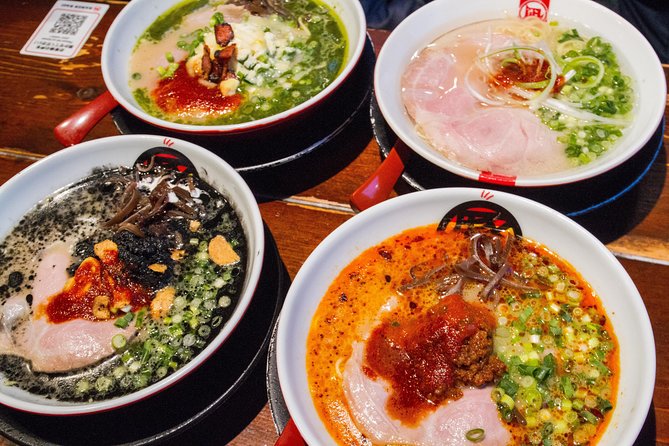
Tokyo’s ramen world can be intimidating. You walk up, you see the menu, and suddenly you’re guessing: tonkotsu vs. shoyu vs. spicy miso, plus toppings, plus regional styles. This tour solves that problem in a very practical way: instead of one bowl, you’ll try up to six mini-bowls across three shops.
Those mini portions matter. They let you taste differences in broth, noodle texture, and seasoning without getting stuck with a huge bowl you’re not sure about. I love that it turns ramen into something you can compare, not just consume. One review even points out that the portion sizes are perfect for sampling lots of styles without feeling painfully stuffed.
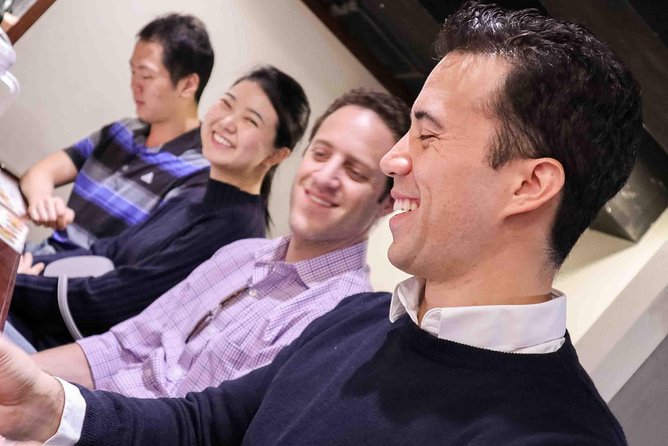
You also get the social part of tasting right. With multiple stops and multiple bowls, there’s always something to talk about—what hits first, what tastes deeper, and why one version feels richer or lighter. Guides like Makayla and Brian are repeatedly described as energetic and good at explaining how ramen styles differ, which helps you leave with more than just a full stomach.
The trade-off is simple: if you’re hoping for a relaxed sit-down meal with no movement, this may feel more active than expected. The walking between bowls is part of the plan, and the tour is designed for a 3-hour window, not a slow lingering dinner.
You can also read our reviews of more tours and experiences in Tokyo.



Shibuya Crossing: starting at Tokyo’s heartbeat
Stop one anchors the tour at Shibuya Crossing, the iconic Scramble Crossing that’s often called the busiest in the world. The nice detail here is that it’s easy to access and has ticket-free admission for the stop itself. It’s a good way to start because you’re out in the open with a clear sense of direction, and Shibuya makes it easy to connect to public transportation.
This beginning also does something subtle: it gives you a Tokyo “feel” right away. You’re not only eating; you’re seeing how fast the city moves while you get oriented for the rest of the evening. Past tours also mention guide support with navigating Shibuya station, which is handy if you’re not yet comfortable with Tokyo’s train labyrinth.
Timing-wise, Shibuya Crossing is listed as a short stop—around 2 minutes—so it doesn’t turn into a photo-only detour. Instead, it works like a warm-up, then the tour shifts you into food mode.
If you don’t love crowds, go in prepared. Shibuya is busy by nature. But that can also be the fun part: you get to watch the crossing flow while your group is still fresh and excited.
Three ramen shops, six varieties: what you’re really eating
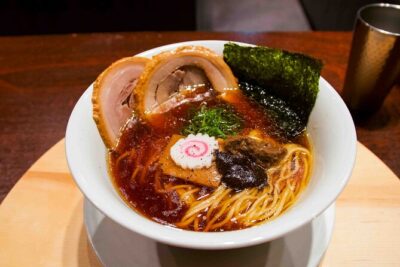
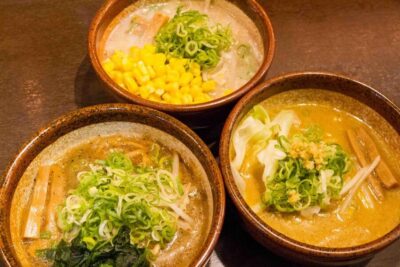
The core of the experience is straightforward: 3 award-winning ramen shops, 6 mini-bowls, and 1 beverage included. The “award-winning” part matters less than what it implies for you: you’re not hunting around on your own, and you’re getting destinations selected for flavor and variety.
At each shop, the tasting is designed for sampling. Several past reviews describe two mini bowls at each restaurant, which matches the math of 6 mini bowls total. That setup is ideal if you like variety, because it gives each location its own theme—think one broth style you’re curious about, plus another style that contrasts it.
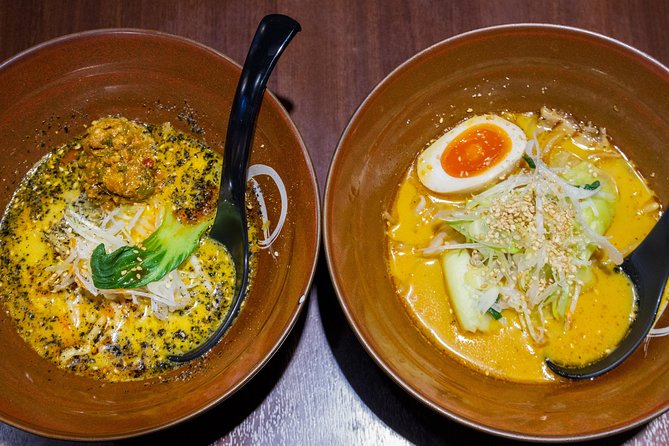
And the variety isn’t just random. The tour is meant to show how ramen changes by style and ingredient choices. The overview references flavors like spicy fish and savory pork, which hints at what you might be tasting—broths that range from deeper and heavier to lighter and more nuanced.
One small caution: review reports sometimes mention counting more types than the official “up to six mini-bowls.” That doesn’t necessarily mean the tour is inconsistent; it may be how shops label variations or how different tastings are counted. Either way, the consistent takeaway is that you’ll eat enough to feel like you really experienced ramen, not just tasted it.
Also, come hungry. Multiple reviews stress the amount of food—because mini-bowls still add up. If you try to treat it like a snack, you’ll probably leave feeling like you held yourself back. If you go in with an appetite, the mini-bowls feel like a smart trade: small enough to compare, big enough to satisfy.
What the guide teaches: more than broth and noodles
The best ramen tour guides do one thing extremely well: they help you understand what you’re tasting. This tour’s format includes learning the history and future of Japanese ramen, plus how to eat ramen in a way that feels more local.
Even without every technical detail listed, the results show up in the experience style. Reviews repeatedly mention guides explaining differences in styles and ingredients, and that’s the part that sticks. If you learn why a broth tastes a certain way, your next ramen meal in Tokyo becomes easier. You’ll know what to look for instead of picking blindly.
Past guides highlighted in reviews include Sahori, Makayla, Brian, Bunga, Manny, Daisy, and Deep. What matters isn’t the name on the page—it’s the pattern: these guides are described as friendly, talkative, patient, and quick to answer questions. When a guide is good at translation and comfort-building, the tour feels smoother, especially if Shibuya or the station area is new to you.
There’s also a practical angle to the “how to eat it like a local” part. Even if your chopsticks are already good, ramen has its own rhythm—how you approach the bowl, how you balance broth and toppings, and how you pay attention to what’s in front of you. You’ll likely leave with a better sense of the order of operations in a ramen meal.
One more bonus: the tour emphasizes tasting with context, so it doesn’t feel like you’re only chasing food. You’re getting a story for why each bowl shows up where it does and what makes it distinct.
Neighborhood hopping: getting ramen across different parts of Tokyo
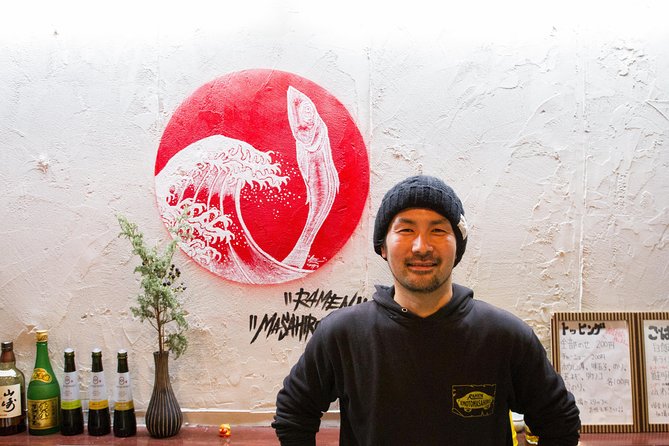
The tour is built around three neighborhoods known for ramen. Only the first stop is specified as Shibuya Crossing, but the rest of the evening is about moving through Tokyo’s ramen-focused areas and ending up at three different shops.
This kind of routing is more useful than it seems. If you only eat one bowl in one area, you’ll leave with one impression. By splitting the tastings across neighborhoods, you see how ramen isn’t a single thing—it’s a collection of local styles shaped by ingredients, tastes, and community.
Even the reviews give hints about variety in where tours can land. Some mention Shinjuku specifically, and others reference Shibuya. So you may find yourself exploring streets and station-connected areas where ramen is part of everyday routine, not a tourist-only plan.
One practical note: because you’ll be walking between areas, you’ll want comfortable shoes. The route is paced for “moderate physical fitness,” not marathon levels, but Tokyo’s sidewalks plus stairs plus station movement can add up.
On the plus side, reviews often say the walking isn’t too bad. And if your guide is attentive—as described by guides like Bunga helping someone navigate Shibuya station—you can feel more confident moving through busy transit zones.





Price and value: what $118.92 really buys you
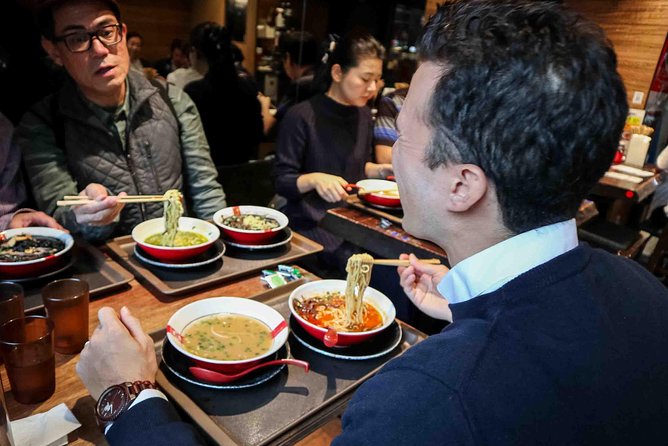
At $118.92 per person, you’re paying for three things at once:
- Food (six mini-bowls plus a beverage)
- Guiding (a local host to connect the dots between styles, neighborhoods, and culture)
- Convenience (you’re not choosing, booking, and verifying shops alone)
Let’s talk value. If you try to replicate the experience on your own, you’d likely spend money on multiple bowls anyway—and that assumes you’re confident choosing between styles. Here, the mini-bowl structure reduces the risk of ordering one bowl you don’t love. Plus, the guide helps you understand what you’re tasting, so the meal becomes more like a lesson.
Yes, it’s not the cheapest meal you can buy in Tokyo. But it is a strong option if you:
- want variety without decision fatigue
- enjoy asking questions and learning while you eat
- are visiting Tokyo for a limited number of nights and want a high-impact experience
Price also makes more sense in a small-group context. With a max group size of 10, you’re not paying for a massive crowd with a rushed guide. You’re paying for time, explanation, and a controlled tasting route.
If you’re someone who only wants one bowl and calls it a night, you may prefer a simpler plan. But if you’re the type to get excited by differences—broth depth, spice levels, pork vs. fish flavors—this price is easier to justify.
Who this tour fits best (and who should skip it)
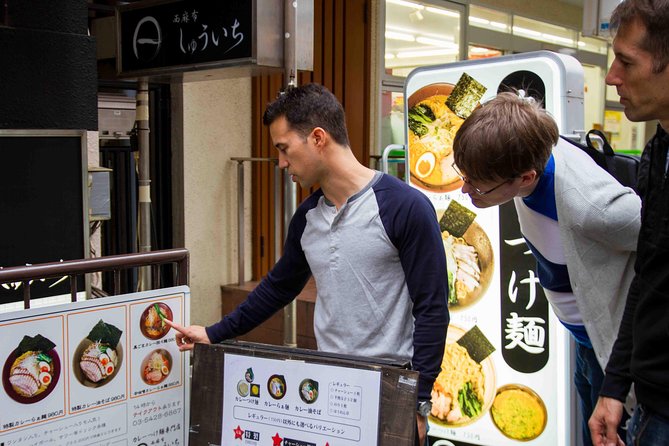
This tour is designed for people who like structure around food. It’s especially good for you if you:
- struggle to choose ramen types from menus
- want to try multiple styles in one evening
- enjoy learning while eating
- like small-group vibes and direct conversation with your guide
It’s also a good match for couples or small groups who want variety but don’t want to split into chaos. Some reviews even mention that trying many types feels easier when you’re sharing decision-making, since you can compare notes and keep the pace fun.
If you dislike walking in cities, this might be tough. The tour expects moderate physical fitness, and it includes moving between ramen stops and transit areas. You don’t have to be athletic, but you do need to be comfortable on your feet.
Diet-wise, at least one review mentions dietary requirements were addressed without issue. Still, the safest approach is to think ahead: if you have restrictions, plan to communicate them clearly to the operator before the tour so your tasting stays enjoyable.
Should you book the Mini Bowl Ramen Tour?
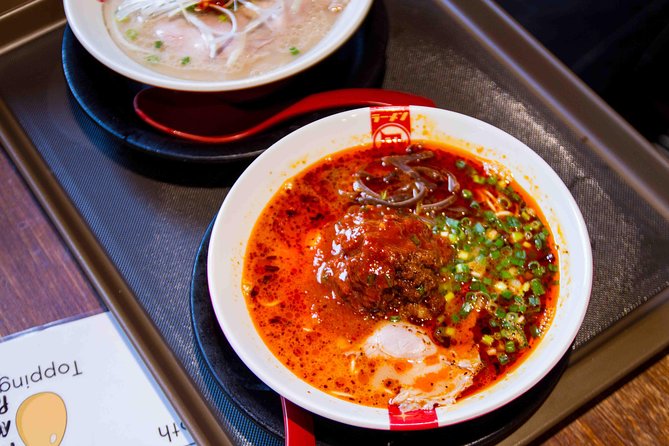
Book it if you want the best kind of ramen problem: too many choices. This tour turns that chaos into a guided comparison, with up to six mini-bowls, three neighborhood stops, and a guide who explains what you’re eating. The small group size helps, and the Shibuya start gives you an easy, iconic Tokyo entry point.
Skip it if you want a quiet, slow meal with minimal walking, or if you don’t care about ramen variety and just want one bowl. Also, if you’re not a fan of crowds, Shibuya Crossing at the start may feel intense, even though it’s a short stop.
My practical take: if you’re serious about tasting and learning, this is a strong value. You’ll leave with clearer ramen preferences, plus the kind of stories you can share at your next dinner table back home.
FAQ
How long is the ramen tasting tour?
It runs about 3 hours (approx.).
What’s included in the price?
Food tastings are included: lunch with 6 mini bowls of ramen and 1 beverage, plus a local guide.
How many ramen bowls will I try?
You’ll try up to 6 mini-bowls of different ramen varieties across the stops.
How many locations will we visit?
The tour visits 3 neighborhoods and stops at 3 ramen shops.
Where does the tour begin?
One of the listed stops is Shibuya Crossing, with a short time on site.
Is transportation included?
No. Transportation to and from attractions is not included.
What group size should I expect?
The tour caps at 10 travelers.
Does the tour use a mobile ticket?
Yes, the tour includes a mobile ticket.
Is there a refund if I cancel?
Free cancellation is available up to 24 hours in advance for a full refund.
Does the tour involve walking?
Yes. It’s listed for travelers with moderate physical fitness, with walking between tasting stops.