REVIEW · SEOUL
Handmade Noodles with Korean Grandma
Book on GetYourGuide →Operated by Goodmate Travel · Bookable on GetYourGuide
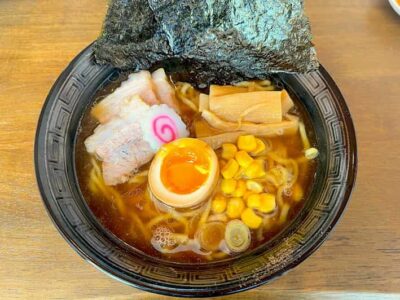
There’s something magical about making noodles by hand. You come to a private kitchen experience in Gyeonggi Province to learn Kalguksu from scratch, with a grandma host and a small team that keeps things warm, human, and practical. It’s not just technique. It’s stories, laughter, and a meal you can actually be proud of.
I love the hands-on pace: kneading the dough, cutting the noodles, and assembling the final bowl yourself. You also get a real meal to match the work, so you’re not just practicing skills and leaving hungry.
One thing to consider: this is a small-group class (up to 8), so if you prefer totally quiet, solo activities, you may feel the friendly chatter more than you expect. The upside is that the room stays personal.
In This Review
- Key things that make this class work
- Why Kalguksu with a grandma feels different
- Meeting in Seoul, then cooking in the Gyeonggi kitchen
- The noodle-making session: knead, cut, and cook your own bowl
- More than noodles: kimchi, dumplings, and family-style meal time
- Dietary needs: how this class stays flexible
- The guides matter: English support and a friendly team
- Price and time: is $68 good value for 2.5 hours?
- Who this class suits best (and who should think twice)
- Should you book Handmade Noodles with Korean Grandma?
- FAQ
- What dishes will I make or learn during the class?
- How long is the experience?
- Is there an English-speaking guide?
- How many people are in the group?
- Can the class accommodate dietary restrictions?
- What’s included in the price?
- Where do I meet for the class?
- Is there a way to cancel or pay later?
Key things that make this class work
- Knife-cut Kalguksu from scratch: knead, cut, cook, then eat your own bowl.
- Grandma-led storytelling: you’ll hear heartfelt background that explains why the dishes feel comforting.
- Small-group setup (max 8): you get enough attention to actually learn.
- Dietary flexibility: vegan and gluten-free needs are handled with care.
- Meal + beverages included: expect to sit down together like family, with drinks available (and maybe makgeolli for a toast).
Why Kalguksu with a grandma feels different
Kalguksu is the kind of Korean comfort food that tastes like it has a memory attached. The noodles are tender, the broth is soothing, and the whole bowl feels designed for “slow down” meals. What makes this experience special is that you’re not learning it from a binder or a demo video. You’re learning it with Halmoni—a grandma host—plus a small guiding team.
Instead of feeling like you’re being processed through a checklist, you’ll get the sense of Korean food culture the way locals do it: people helping each other, sharing laughs, and getting fed properly at the end. You’ll be taught technique, sure, but you’ll also understand the why behind the flavor choices.
Also, it’s a very social kind of learning. You’ll make the noodles, then you sit down together and eat what you made. That pairing—work first, meal together—makes it easier to remember what you did right (and what you want to try again at home).
You can also read our reviews of more tours and experiences in Seoul.

Meeting in Seoul, then cooking in the Gyeonggi kitchen
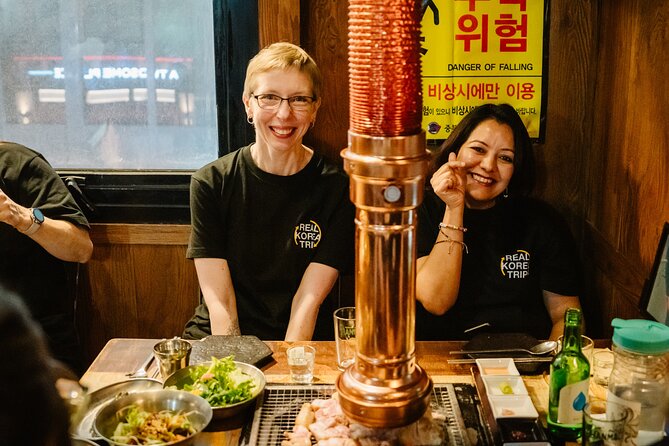
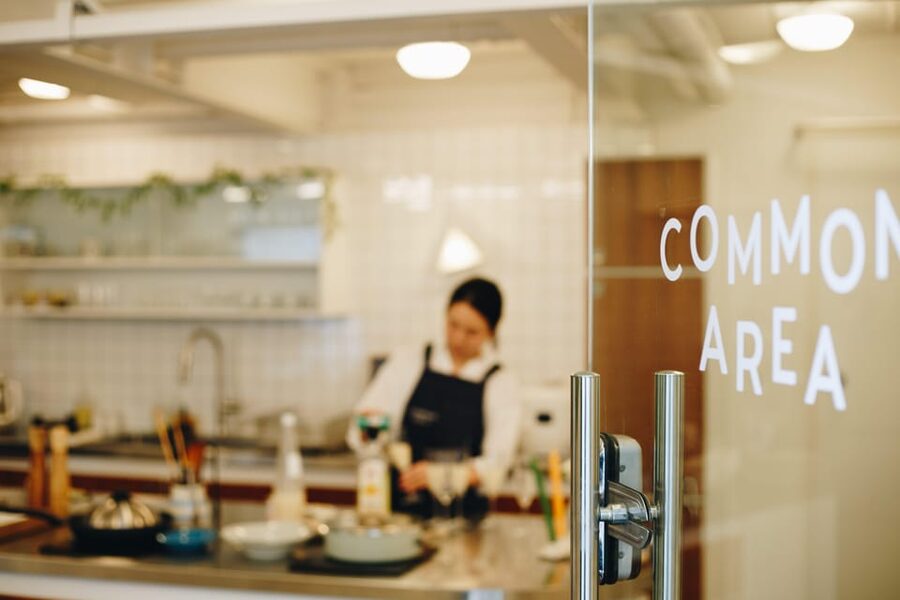
You start at the meeting point in Seoul: 2F, 53-9, Tojeong-ro, Mapo-gu. Expect a common-area start where the group gathers, the English guide gives you the flow, and everyone gets settled before you move into the cooking kitchen in the Gyeonggi area.
The “come back to the meeting point” format is convenient. You aren’t stuck finding your own way across town afterward. It’s also a good setup if you’re using this as an early anchor in your trip—one structured activity that doesn’t turn into a half-day transportation project.
Drawback-wise, plan for the fact that you’re starting in Mapo-gu. If you’re staying far away, give yourself extra time to get to the meeting point calmly. Cooking classes are more fun when you’re not rushing in with shaky legs and a stomach that’s already grumbling.
The noodle-making session: knead, cut, and cook your own bowl
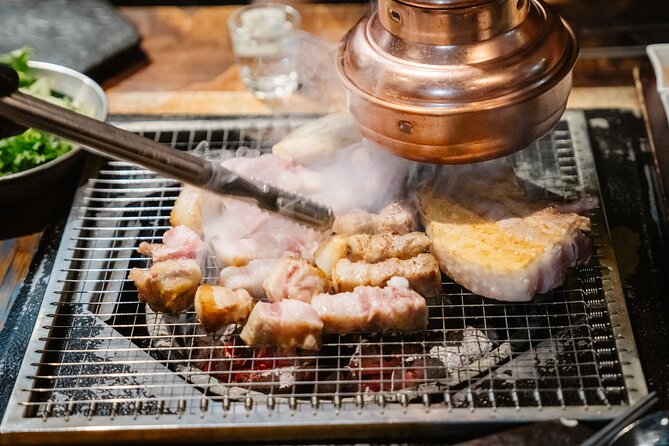
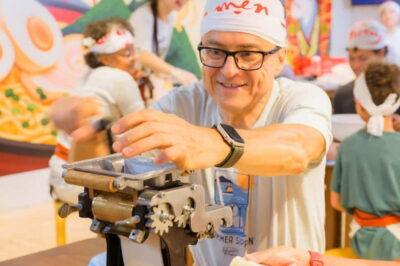
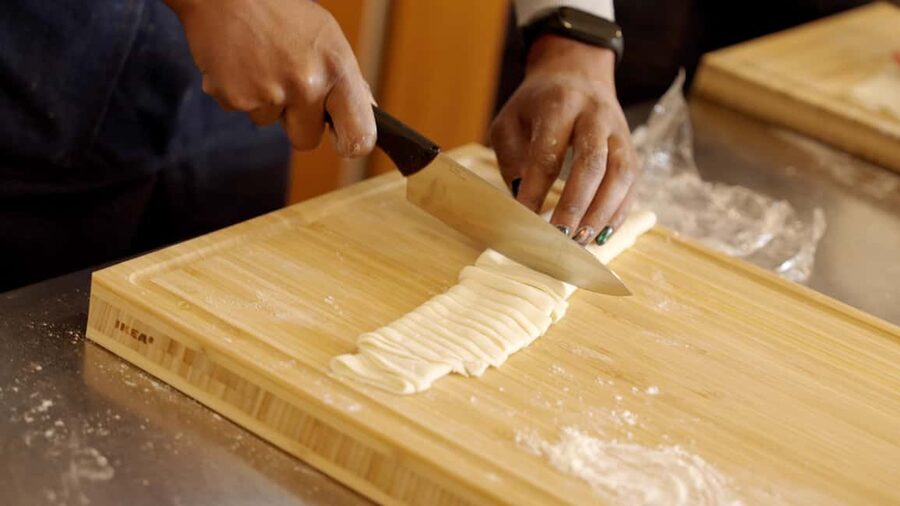
This is where the class earns its keep. You’ll make Kalguksu noodles from scratch, using your hands rather than machines or shortcuts. The process is simple in concept, but it teaches you what matters: texture, thickness, and how the noodles behave in hot broth.
You’ll knead the dough first. That part always feels more “real” than it sounds because dough tells you what it wants. When it’s handled well, it becomes elastic and cooperative instead of stubborn. Then you cut the noodles by hand—this is the knife-cut style that gives Kalguksu its shape and comfort.
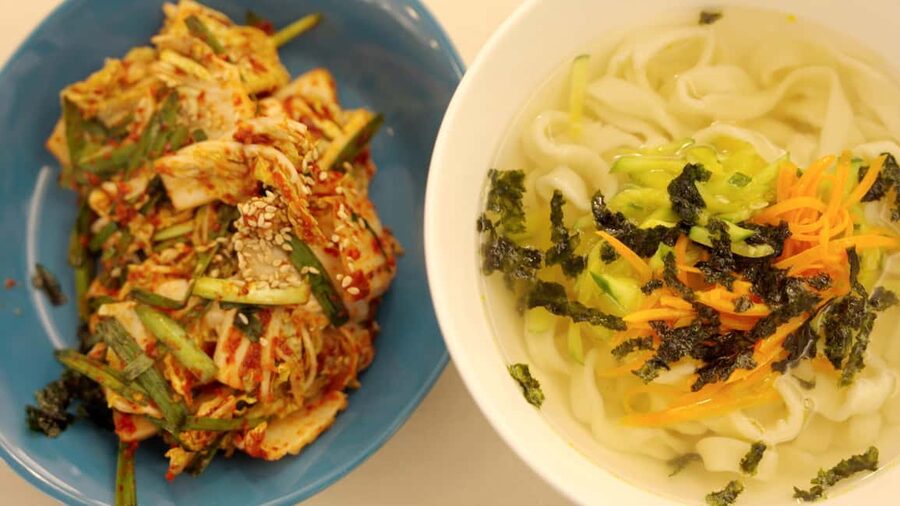
After that, you’ll top and finish your bowl. The class is set up so you don’t just learn noodle mechanics; you also learn how the toppings and final assembly come together for the kind of hearty flavor that makes you want another spoonful.
Practical tip: wear sleeves you don’t mind getting flour on, and keep a small amount of patience for the first few minutes. Your hands adjust quickly once you get the rhythm, but the opening stage is when you’ll notice how much “small” technique choices affect the dough.
More than noodles: kimchi, dumplings, and family-style meal time
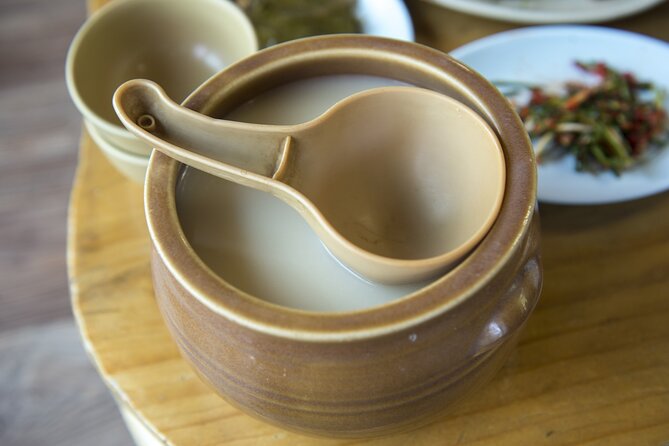
Kalguksu is the headline, but you’re not limited to one dish. This experience also includes hands-on Korean food culture through kimchi and dumplings, and it’s presented in a way that connects the food to everyday life rather than just “here’s a recipe.”
That matters more than you’d think. A lot of cooking classes teach you steps, but the flavor comes from context—fermentation, seasonings, and the idea that food is something people share, not something you manufacture alone. Here, the grandma hosts and the team weave in stories that help you understand what you’re tasting.
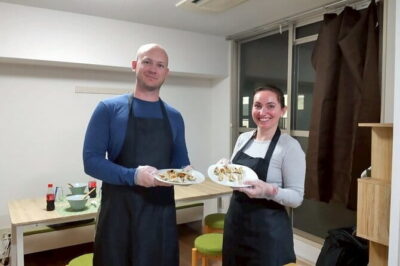
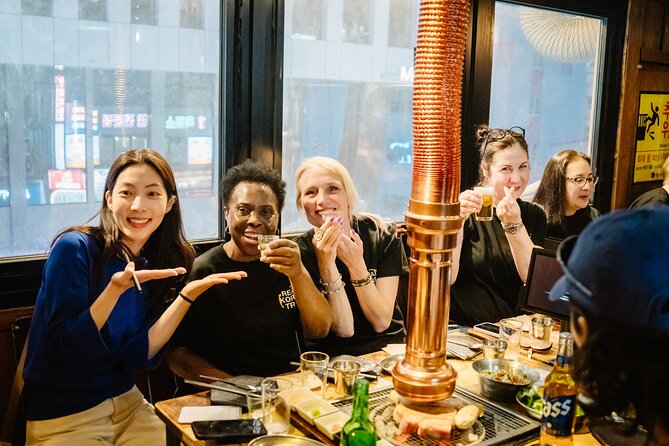
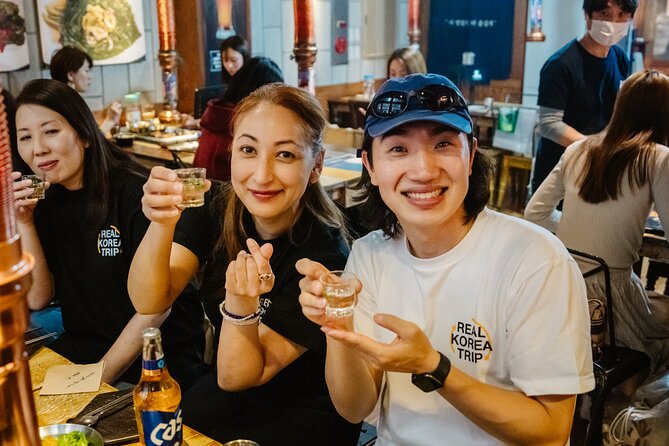
Then comes the best part: you sit down and eat together. After working in the kitchen, you get the payoff bowl, plus the shared table vibe that makes the class feel like you joined a family dinner. Beverages are included too, and while the plan may include a toast with makgeolli, the real point is that the meal is meant to be enjoyed, not rushed.
What I like about this setup is how it locks in the learning. When you taste right after making, you can connect your effort to results. That’s how you actually improve later when you cook at home.
Dietary needs: how this class stays flexible
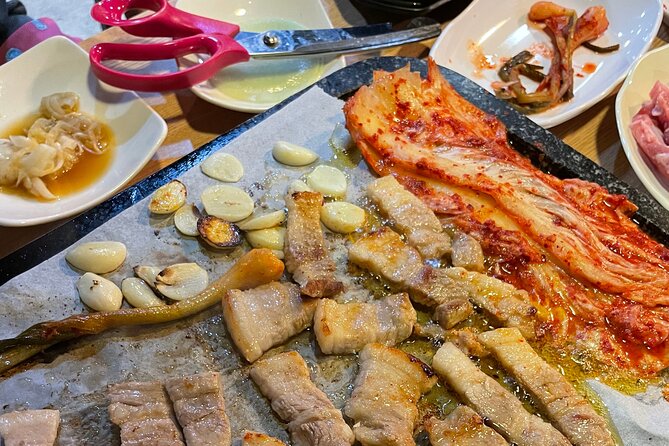
If you’ve ever taken a food tour and watched your meal options shrink to a sad afterthought, this class is built to avoid that. The experience explicitly says dietary preferences are welcome, including vegan and gluten-free needs.
In practice, this means you won’t be left scrambling for something “close enough.” The team tailors the experience so you can participate in the cooking and still get a proper meal at the table.
One thing to keep in mind: as with any cooking class, it depends on ingredient availability in that moment. But the promise here is clear—your needs matter enough to adjust the menu. If you have allergies, it’s smart to communicate them at booking and again the day of the class so the kitchen can prepare appropriately.
The guides matter: English support and a friendly team
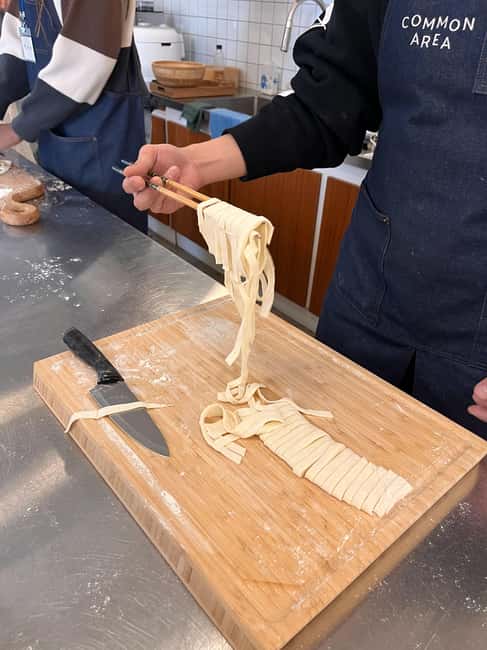
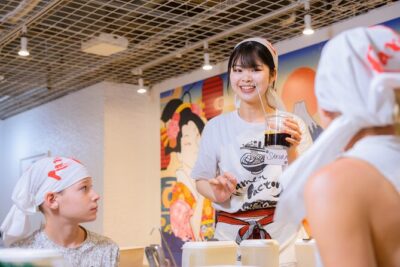
You’ll have a live guide in English, and the experience runs with a small team that handles the transitions between teaching and cooking time smoothly. The vibe from the guides is friendly and encouraging, and names you may hear include Miki, Yuwon, Jae, and Yeri, alongside your grandma host.
That matters because noodle-making can get technical quickly if you don’t have clear instructions. Having the English support helps you understand what you’re aiming for—dough texture, cut style, cooking timing, and how the bowl should come together.
It also helps with the storytelling side. Korean food traditions are easier to grasp when someone can translate the meaning behind the dish, not just the steps. You’ll likely walk away with a few story-linked details you can actually repeat, which makes your meal at home feel less like imitation and more like understanding.
Price and time: is $68 good value for 2.5 hours?
$68 per person is not a budget cooking class, but it also isn’t “just a demo.” You’re paying for several things at once:
- A small-group experience limited to 8 participants
- Live English guidance
- A private, grandma-led kitchen setting
- The meal itself, plus beverages
- The ingredients and hands-on work to make Kalguksu noodles from scratch
When you add all of that up, the value makes sense for anyone who wants a real food experience rather than a quick tasting. The class format also saves time: you’re not piecing together a market stop, a separate tour, and then a meal. You do the cooking and the eating in one go.
Timing is listed as about 2.5 hours, with starting times depending on availability. Plan your day so you’re not racing to catch a train right after. You’ll want time to enjoy the meal and settle your stomach before you head back out.
Who this class suits best (and who should think twice)
This is ideal for you if you:
- Want a hands-on Korean cooking experience focused on Kalguksu
- Prefer learning from real people (grandma hosts and a small team), not only from a screen
- Care about culture through food—stories, table conversation, and shared meals
- Need dietary flexibility and want it taken seriously
It may be less ideal if you want:
- A silent, independent experience
- A purely “technical” class with no storytelling and minimal social interaction
The tradeoff is simple. You gain warmth, conversation, and connection. You give up the option of privacy and quiet.
Should you book Handmade Noodles with Korean Grandma?
If you want one trip activity that combines skill, food, and culture without turning into a complicated itinerary, I’d say book it. You’re learning an iconic dish—Kalguksu—using your hands, then eating what you made, with kimchi and dumplings in the mix. And the grandma-led storytelling is the kind of extra that turns a meal into something memorable.
Book this especially early in your trip if you like starting with comfort food and language you can carry into later meals. You’ll leave knowing what to order and what to pay attention to when you see knife-cut noodles on a menu.
The only reason I’d hesitate is if you’re very sensitive to group chatter or you can’t spare the time to enjoy the full sit-down meal after cooking. If that sounds like you, choose a more solitary food activity instead.
FAQ
What dishes will I make or learn during the class?
You’ll make Kalguksu (Korean knife-cut noodles) from scratch. The experience also includes learning about fresh kimchi and dumplings.
How long is the experience?
The duration is about 2.5 hours. Starting times vary, so check availability when you book.
Is there an English-speaking guide?
Yes. The experience includes a live tour guide in English.
How many people are in the group?
The group is small, limited to 8 participants.
Can the class accommodate dietary restrictions?
Yes. The experience is designed to welcome different dietary preferences, including vegan and gluten-free options.
What’s included in the price?
The price includes all fees and taxes, a meal, and beverages.
Where do I meet for the class?
You meet at 2F, 53-9, Tojeong-ro, Mapo-gu, Seoul, Republic of Korea, and the activity ends back at the meeting point.
Is there a way to cancel or pay later?
Yes. You can reserve and pay later (book now, pay nothing today). Free cancellation is available up to 24 hours in advance for a full refund.