REVIEW · CAN THO
Group Tour: Floating Market, Rice Noodle, nursery vegatable
Book on GetYourGuide →Operated by CHN Explore Mekong · Bookable on GetYourGuide
Early mornings on the Mekong feel like a wake-up call.
This Can Tho tour strings together the stuff you actually came for: a boat-and-sampan ride through small canals, plus a hands-on hu tieu rice noodle experience. I especially like the way the schedule mixes food (floating noodle soup, coffee, fruits) with real village life (nursery vegetables and dragon fruit). The main thing to weigh is that the day is long on the water, so you’ll spend plenty of time riding rather than hopping attractions back-to-back.
If you value small group time—like the limit of just 6 people—you’ll probably feel less rushed and more able to ask questions. One potential drawback: the floating market experience can feel less dramatic than you imagine, depending on the day and how active it is when you arrive.
In This Review
- Key things you’ll notice on this Mekong Delta loop
- Mekong Delta, Can Tho style: why this tour works
- Pickup, timing, and what your morning will feel like
- Cai Rang floating market: breakfast on the water, plus real river life
- Hu tieu noodle factory: watching, learning, then making it yourself
- Second look at hu tieu at a local house
- Nursery vegetable village: the Delta isn’t just floating markets
- Canal cruise, coconut-lined views, and dragon fruit sampling
- The rowing and local-kid gift moment (when conditions allow)
- Guide quality and what you should expect from the group size
- Price and value: is $24 a fair deal?
- What could annoy you (so you can plan around it)
- Who this tour is for
- Should you book this Mekong Delta tour?
- FAQ
- Where is the meeting point?
- What time does the tour start and how long is it?
- What’s included in the price?
- Is hotel pickup and drop-off included?
- What should I bring for the tour?
- Is the tour suitable for wheelchairs or people with back problems?
Key things you’ll notice on this Mekong Delta loop
- Small boat time on canals where daily life happens, not just a quick photo stop
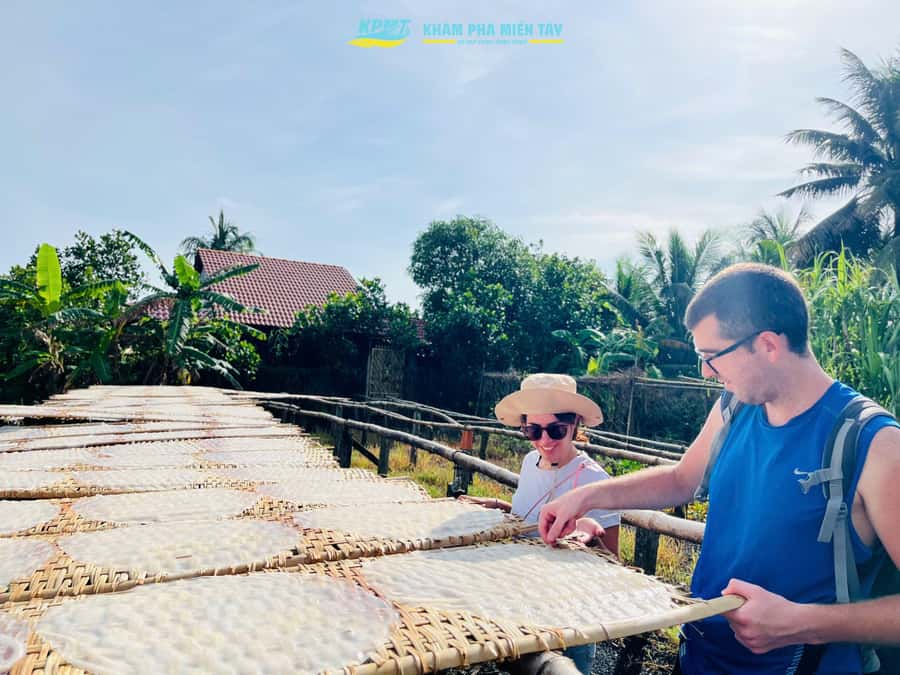
- Hu tieu noodle-making at a traditional factory, with a guided try at making noodles
- Floating market breakfast with floating noodle soup, milk coffee, and fruit onboard
- A nursery vegetable village visit that explains how local growers raise plants
- Dragon fruit garden + coconut canal scenery, plus a chance to row when conditions allow
- Personal guide attention, since the group stays small (often very intimate)
Mekong Delta, Can Tho style: why this tour works
This isn’t a “big bus, big stops” kind of day. It’s built around how the Mekong Delta actually functions: by water routes and small-scale food production. You start early because the river wakes up early too, and you end around late morning—so you’re not burning the whole day getting from place to place.
The value sits in the mix. You’re not only seeing a floating market; you’re also learning a core local craft (making hu tieu rice noodles). Then you shift from food-making to farming-style life with a nursery vegetable village. That combo is what makes the tour feel more complete than a one-theme cruise.
One more practical win: the tour includes breakfast, coffee, and fruits, plus transportation by boat and sampan. At $24 per person for about 5 hours, it’s the kind of deal that usually only makes sense when you bundle transport with meals and a guide. Even if you decide you don’t love every minute on the water, you still get fed well and walked through several different slices of Delta life.
You can also read our reviews of more tours and experiences in Can Tho.
Pickup, timing, and what your morning will feel like
You’ll meet your guide at 28 Phan Đinh Phung, Ninh Kieu Ward, Can Tho city at 6:00 AM. If you’re staying in Can Tho, this is simple, but it’s not the same as hotel pickup—so plan to be at the meeting point on time.
The day runs about 5 hours, finishing around 11:00 AM. That timing matters. In the Delta, heat ramps up fast, and long afternoons can get uncomfortable. Starting early gives you better light for photos and a cooler pace for outdoor parts like walking through the nursery village and garden areas.
Bring comfortable shoes, a hat, sunscreen, water, and insect repellent. The tour is in a rural setting, and you’ll feel it if you’re not prepared. Also, the tour doesn’t want plastic bottles, plus there are rules about no smoking and no littering—so a reusable bottle is a smart move.
Cai Rang floating market: breakfast on the water, plus real river life
Your boat trip heads to Cai Rang floating market. En route, you’ll see the sunrise reflecting on the river, and you’ll also spot local routines: washing clothes, catching fish, and kids swimming. This is one of the best parts because it’s not just a staged performance—you get glimpses of everyday Mekong life happening along the water.
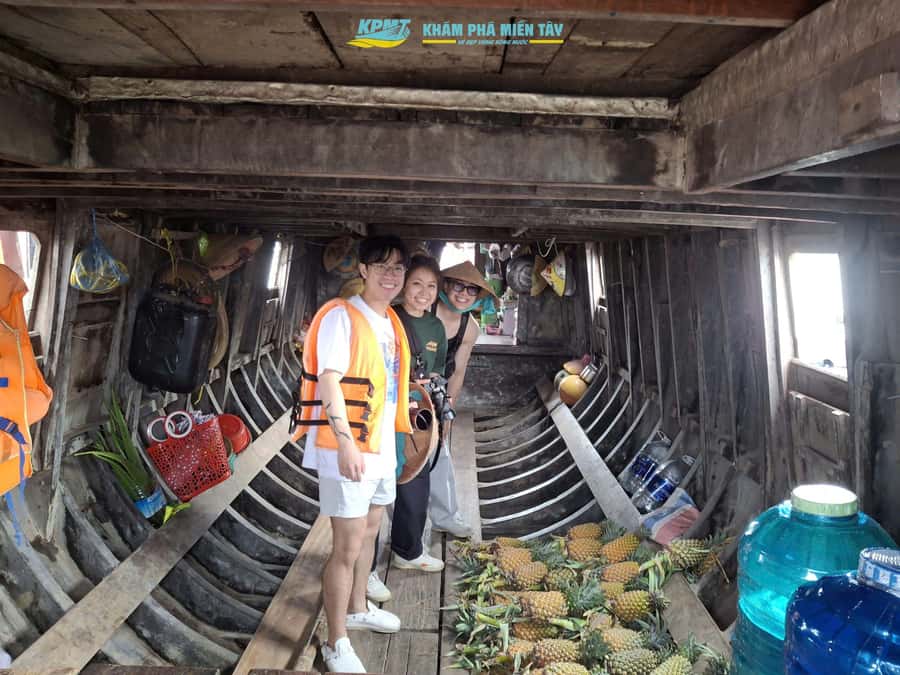
When you reach the market area, your guide explains the history and cultural values behind the floating trading scene. Then you can eat and drink in the most Delta way possible: floating noodle soup, plus Vietnamese milk coffee served onboard, and fresh pineapple (served on a pineapple boat-style presentation).
A practical note: floating markets can vary in how active they feel from day to day. In general, don’t expect every second to be nonstop trading theater. If the market is quieter when you arrive, you may focus more on food and the river atmosphere rather than constant spectacle. Still, this is the kind of morning meal you can’t easily recreate on your own.
Hu tieu noodle factory: watching, learning, then making it yourself
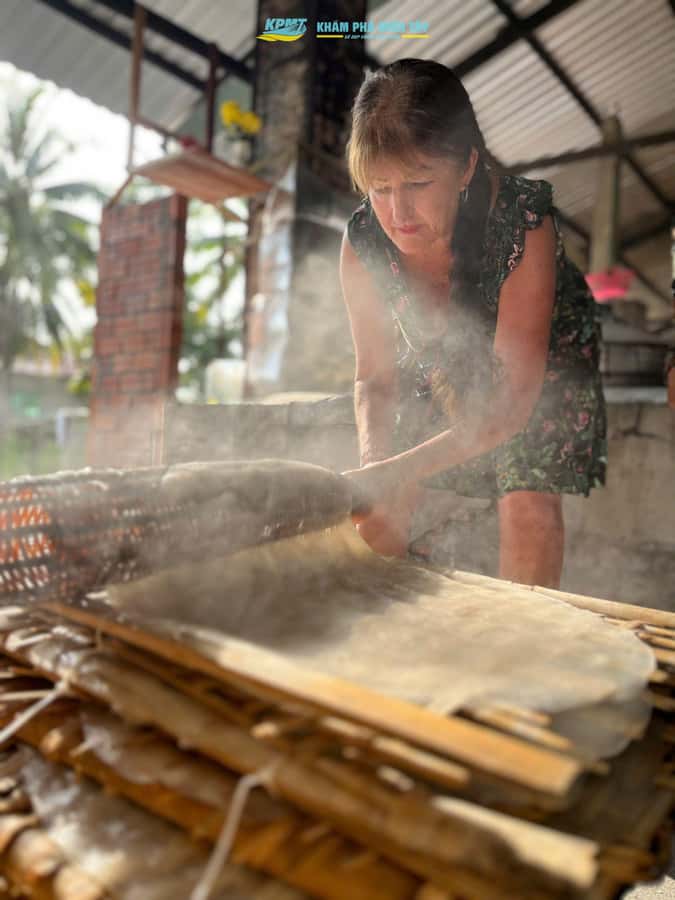
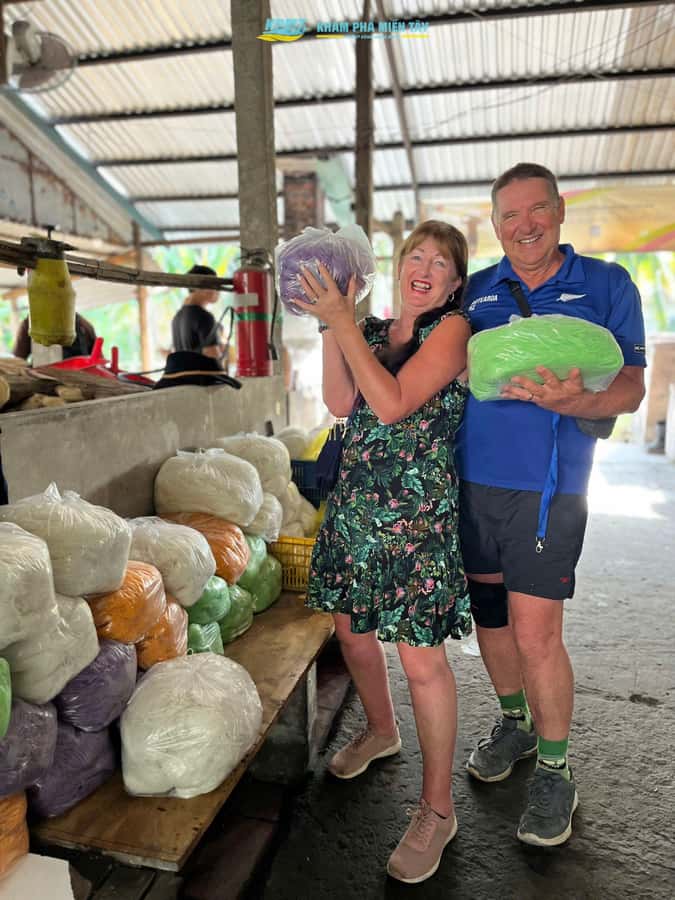
After breakfast, the tour shifts to food craft at a traditional rice noodle factory. This is where you get more than just a look-see. You’ll see the process of making hu tieu rice noodles step by step.
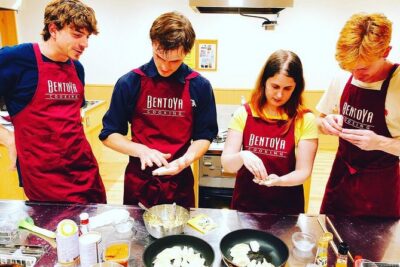
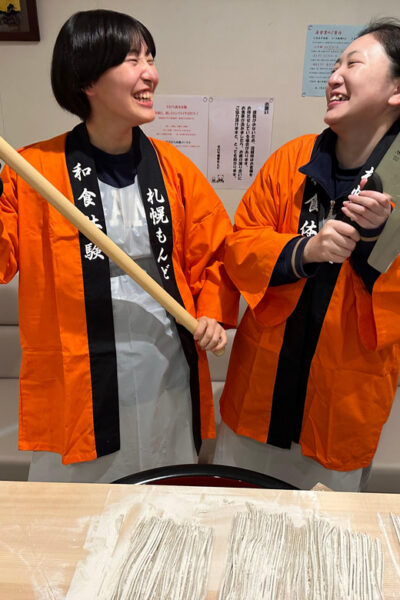
Then comes the fun part: you get to try making noodles with guidance from a noodle expert. When I think about tours that include “hands-on” time, the best ones are the ones where you actually touch the process and not just pose with a finished product. This one leans that way.
You also get a special snack/food moment: a crispy homemade rice noodle pizza that you can’t buy elsewhere. It’s a small detail, but it’s the sort of thing that makes the day feel like more than transport + photos. One of the standout themes from feedback is that the guide doesn’t just explain; they connect what you’re seeing to what the locals are doing and why the technique matters.
If you’re a foodie, this is a clear highlight. If you’re not, it’s still worth it because it gives context for what you’re eating later in Vietnam.
Second look at hu tieu at a local house
After the factory, the tour includes a stop at a local house to see how people make hu tieu there too. Having the same noodle craft shown in two formats—factory scale and home-style practice—helps you understand it as living tradition, not just a tourist demonstration.
This also gives you a different kind of atmosphere. The factory step can feel more structured and equipment-focused. The house stop tends to feel more personal, with locals showing what fits their daily rhythm and kitchen setup.
The drawback here is time. If you don’t like food-related stops, this section may feel like “one more place about noodles.” But if you enjoy learning how a basic staple gets made, it’s a great use of your morning.
Nursery vegetable village: the Delta isn’t just floating markets
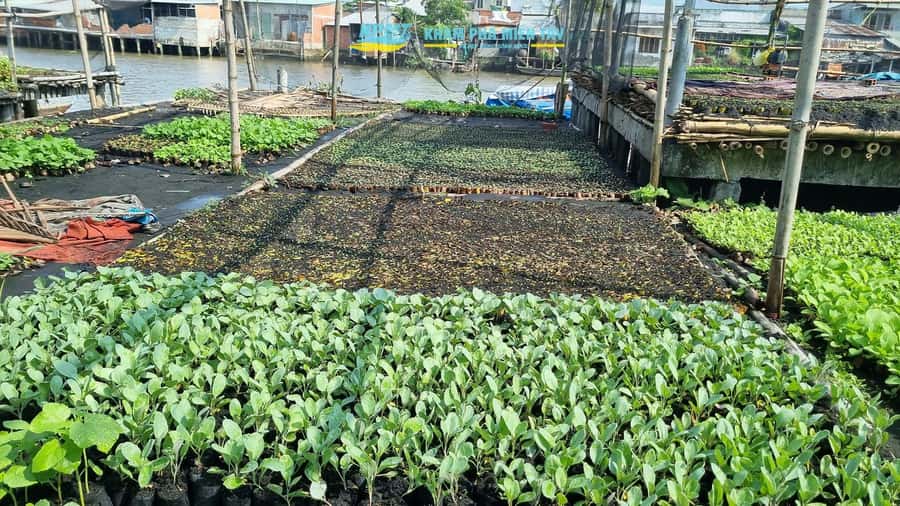
Then you walk through a nursery vegetable village, where you learn how locals grow plants. This is a smart addition because it changes the story. The Delta isn’t only about trading on water. It’s also about plant production that supports markets across the region.
Even if you’re not a gardening person, you’ll likely enjoy the explanations—especially if you ask questions about growing methods and how seedlings are raised in the Delta environment. This stop is also one of the more “you can slow down here” sections because you’re moving on foot through a village-like setting.
One more helpful angle: if your floating market expectations are tempered (because the scene is less hectic on some days), the nursery village gives you something calmer and more grounded to enjoy. It’s a good counterbalance.
Canal cruise, coconut-lined views, and dragon fruit sampling
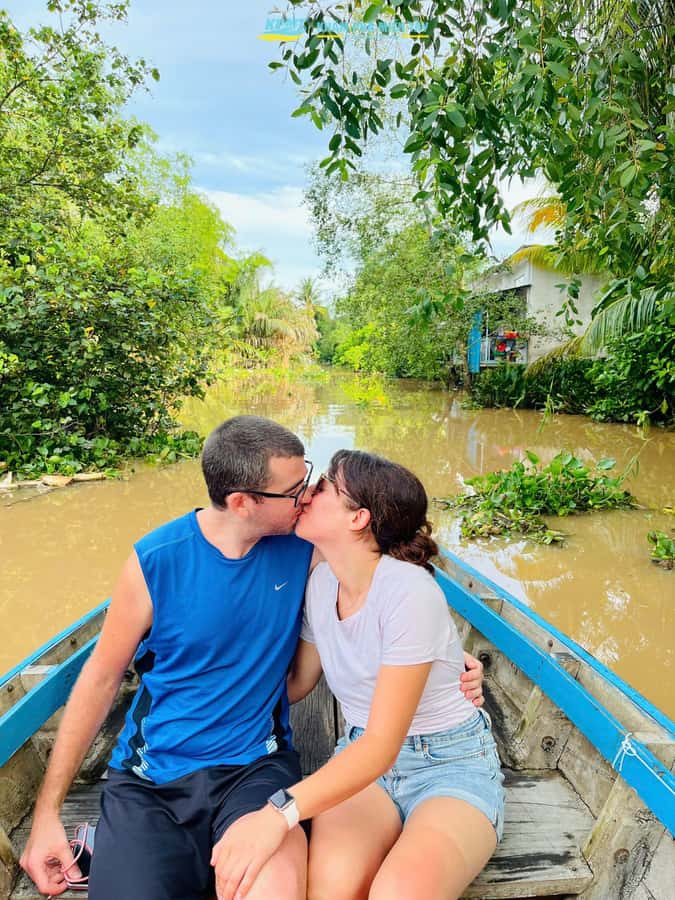
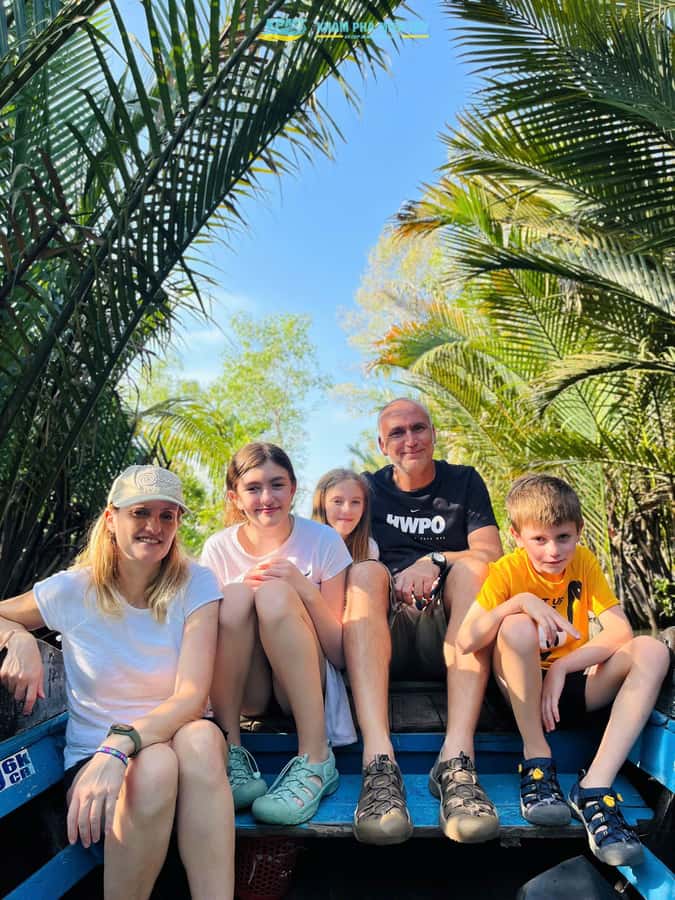
Back onboard, you head into a canal with water coconut along both sides. This stretch can be quiet and scenic in a way that feels different from the wider river. It’s the kind of scenery that’s hard to capture unless you’re present—because the motion, the low waterline, and the narrow canal views change how everything looks every few minutes.
Next up: a dragon fruit garden. You get to try some, and this is a nice bridge between the nursery village (plant-growing basics) and a fruit garden (a more visible outcome).
If you care about photography, this is where the camera gets good use: greens and reds, water reflections, and close-to-the-reed feeling edges of the canal. If you don’t care about photos, you’ll still appreciate the slower, more local scenery.
The rowing and local-kid gift moment (when conditions allow)
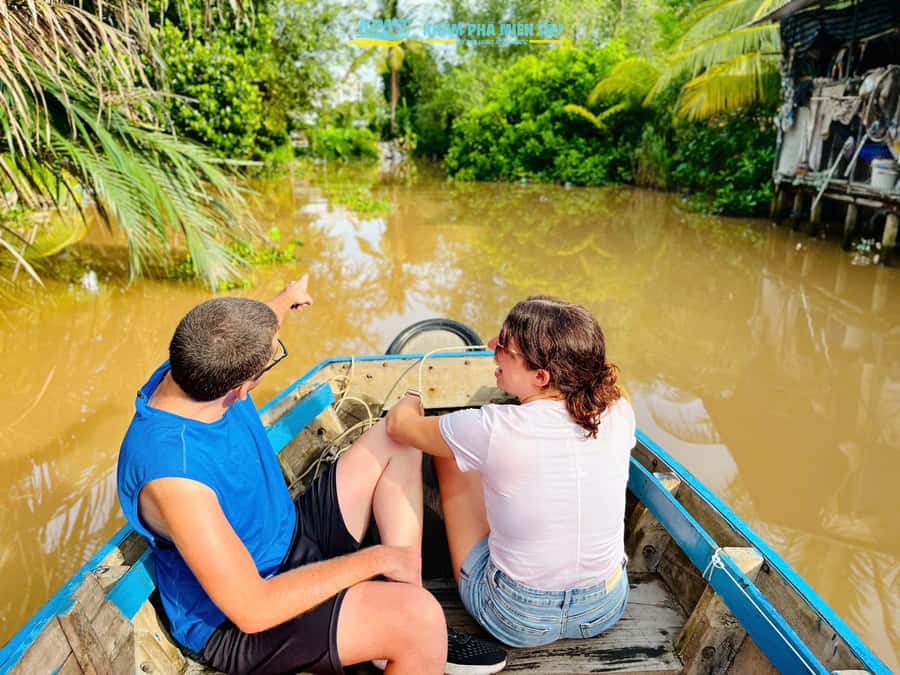
There’s a possible chance to row the boat, but it depends on the tide and the canal conditions. Sometimes you’ll row through the canal; other times it may be a shorter distance. If you’re hoping for hands-on action, I’d treat this as a bonus, not a guaranteed highlight.
You’ll also walk a bit to see nursery plantations of locals, and there’s an opportunity to offer small gifts to local kids. The important thing: you don’t need to turn it into a big charity moment. Think small, respectful, and optional. If you bring something, keep it simple.
This part also gives you a more human experience with the community—talking with people, and seeing the kids’ energy up close. Just remember the tour rules: no littering, and keep the interaction friendly and brief so the group can move along.
Guide quality and what you should expect from the group size
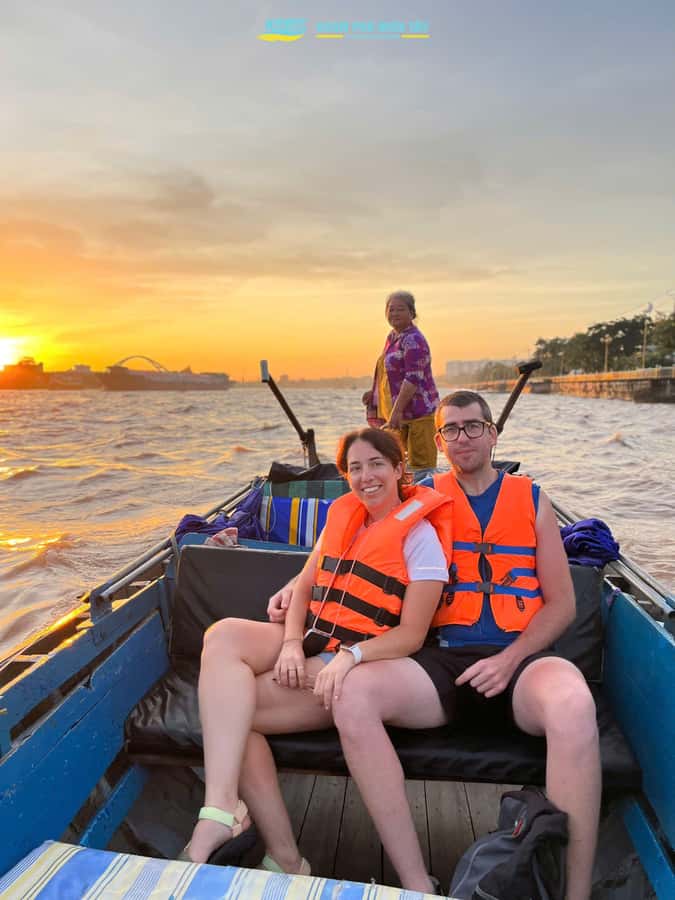
A small group matters here. With a max of 6 participants, you get better chances to hear explanations and ask questions without repeating yourself. The English guide experience is a strong point, and one name that stands out in feedback is Tom, described as great and knowledgeable. You’ll get clear guidance on what you’re seeing, especially at the noodle factory.
Another detail that people tend to remember: the boat guide/captain being friendly and making the trip feel personal, including small gestures like crafts during the ride. Those moments don’t change the route, but they change the tone—from “tourist transport” to “you’re with a working community.”
Price and value: is $24 a fair deal?
At $24 per person for about 5 hours, this is a strong value if you want the full package. You’re paying for:
- Boat and sampan transport
- English-speaking guide
- Breakfast
- Coffee
- Fruits
Add in the fact that you’re getting the noodle factory and the nursery village—two stops that usually cost extra when booked separately. The floating market breakfast is also built into the experience rather than tacked on.
A note on expectations: you might see different pricing depending on operator or inclusions. One account you might run into is higher (in euros) when more local tastings are emphasized. Even if your booking page shows a number different from $24, use the same checklist: meal + transport + guide + structured activities. If those are there, the value tends to hold.
What could annoy you (so you can plan around it)
The biggest practical drawback is simply time on the water. You’ll have stretches of cruising on the Can Tho river and through small canals, plus some transport between stops. If you get motion-sick easily, this may not be your favorite format.
Second, sunrise and early market visuals can be hit-or-miss. Even with the early start, the floating market experience can feel more like a working routine than a nonstop spectacle. If you’re expecting dramatic trading action every minute, temper that expectation.
Finally, the tour has a mild “tour day” feel. It’s not designed to feel like independent exploration. You’re following a path with set stops. That’s good for clarity and efficiency, but it’s not a free-form adventure.
Who this tour is for
This is a great fit if you want:
- Food + culture in one morning
- Hands-on learning (especially noodle-making)
- A calmer pace with a small group
- A look at agriculture beyond the usual market photos
You should think twice if you:
- Don’t like spending long stretches on boats/canals
- Need accommodations for wheelchair use, back problems, or are pregnant (the tour isn’t suitable for these cases, based on the activity notes)
Should you book this Mekong Delta tour?
Yes, if you want a well-paced morning that combines the Mekong’s two biggest storytelling lanes: water trade and food production. The hu tieu focus makes it more memorable than a basic market cruise, and the nursery vegetable village plus dragon fruit garden gives you context for how local life actually feeds the region.
Book it if you’re happy with early start energy and you’re prepared for some boat time. Skip it (or look for an alternate format) if you’re mainly chasing nonstop floating market spectacle or you strongly prefer land-based walking days.
If you do book, I’d pack for comfort first: hat, sunscreen, insect repellent, reusable water bottle, and solid shoes. That way, you can spend your mental energy on the noodles, the canals, and the people you meet along the way.
FAQ
Where is the meeting point?
Your guide picks you up at 28 Phan Đinh Phung, Ninh Kieu Ward, Can Tho city.
What time does the tour start and how long is it?
The pickup starts at 6:00 AM, and the tour runs for about 5 hours, ending around 11:00 AM.
What’s included in the price?
The tour includes boat and sampan transportation, an English-speaking guide, breakfast, coffee, and fruits.
Is hotel pickup and drop-off included?
No. Hotel pickup and drop-off aren’t included. Your start point is the meeting location listed for pickup.
What should I bring for the tour?
Bring comfortable shoes, a hat, camera, sunscreen, water, and insect repellent.
Is the tour suitable for wheelchairs or people with back problems?
No. It is listed as not suitable for wheelchair users and people with back problems, and it’s also noted as not suitable for pregnant women.