REVIEW · KYOTO
Takashi’s local food adventure through Gion Kyoto tips of Ramen
Book on Viator →Operated by Amazing Kyoto Experience · Bookable on Viator
Gion at night turns into a food map. This 3-hour evening stroll pairs Kyoto culture stops (including Yasaka Shrine) with a fast move to dinner so you spend less time circling and more time eating. Guides like Takashi and Natsuki bring stories as you walk, plus strong help finding places in the downtown maze.
I especially love the private, just-for-you pace and the way the guide steers the meal. Instead of wandering into the first restaurant you spot, you get help with what to order, with foods that can include katsu, ramen, or izakaya depending on the stop. One possible drawback: if you arrive late, some quick pre-dinner spots may already be closed, so the experience can feel more like a walk + one main meal than a long tasting parade.
In This Review
- Key highlights for your Kyoto food map
- Why this Gion night food tour works so well
- Takashi and Natsuki: the guides behind the meal
- The 7:30 pm start at Gion-Shijo Station: less wandering, more eating
- Yasaka Shrine stop: why it matters for Gion food culture
- Maiko and geisha moments: what you’ll learn and how to behave
- Canal-side alleys and the lantern-route to the restaurant
- Kawara-machi restaurant time: what you can expect to eat
- How the food selection usually works
- What makes this valuable (even if you are picky)
- The one caution I’d keep in mind
- Price and value: what $166.14 buys you in Kyoto
- Who should book this tour (and who should reconsider)
- Should you book Takashi’s Gion ramen adventure?
- FAQ
- FAQ
- What time does the tour start?
- How long is the experience?
- Where do I meet the guide?
- Is it a private tour?
- What’s included in the price?
- Is dinner or all food included?
- Does Yasaka Shrine require an admission ticket?
- Can I cancel and get a full refund?
- Are service animals allowed?
- How much walking is involved?
Key highlights for your Kyoto food map
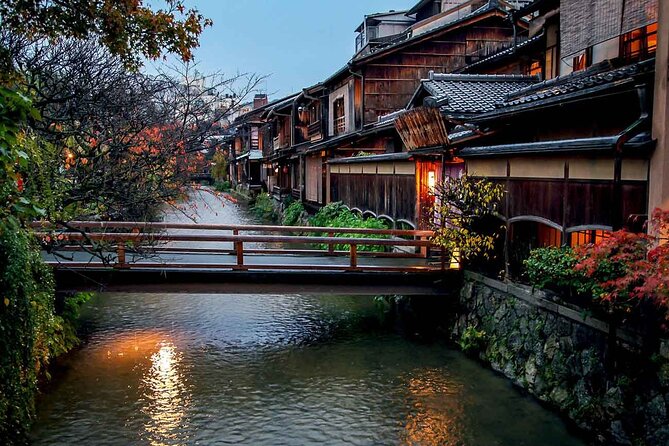
- Gion streets after dark: you get the night mood and the lantern-and-alley vibe, not just daytime sightseeing.
- Yasaka Shrine for context: free time to understand how entertainment culture shaped Gion’s history.
- Maiko and geisha viewing tips: your guide helps you know what you’re seeing and how to respect it.
- Hidden-in-plain-sight restaurant approach: you walk through small lanes along the canal to reach local spots.
- Guide-selected dishes: the meal is chosen for you, so you waste less time guessing from menus.
- Flexible feel if you ask: if you’re tired, you may be able to adjust the walking portion with the guide’s guidance.
Why this Gion night food tour works so well
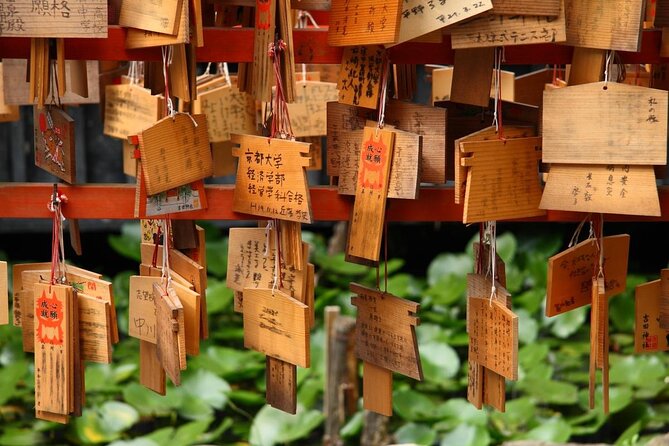
If your Kyoto plan includes Gion, you already know the streets can feel like a living postcard. The clever part here is timing and sequence. You start in the early evening, enjoy traditional scenery and cultural stops, then you move to dinner before you’re too hungry to think clearly.
I like that the tour is built for real people, not only for photos. The route includes the Gion-Shijo area, Yasaka Shrine time, and a walk through canal-side alleys toward the restaurant area around Kawara-machi. It’s not just sightseeing with food tacked on. The food is the main event, and the walk is there to set the stage.
This is also a good match for visitors who find Kyoto menus difficult. The tour is designed to take you to restaurants that can be less English-friendly, with a guide who helps you order and chooses dishes based on what’s right for the night.
One more practical win: it’s private. That matters in Gion, where groups can bottleneck on narrow streets. With your own group, the guide can set pace and keep you from getting lost while you’re also trying to watch for maiko or geisha.
You can also read our reviews of more tours and experiences in Kyoto.


Takashi and Natsuki: the guides behind the meal
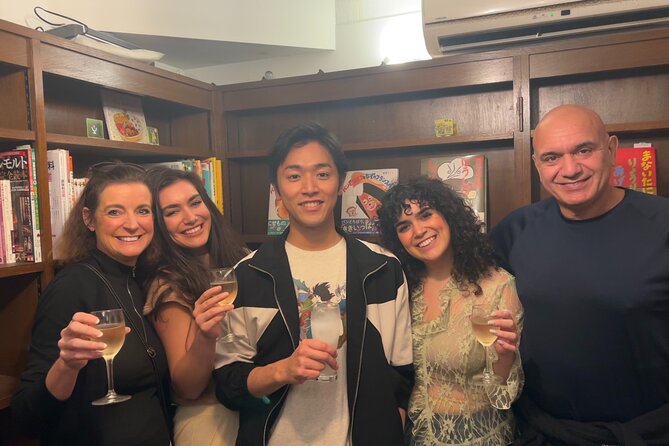
This tour is strongly shaped by the guide. The information you shared highlights Takashi as a professional who also offers car tours around Kyoto, Nara, and Osaka, and Natsuki as a local guide known for making the evening feel fun and welcoming.
Here’s what that translates to for you:
- You’re not stuck with a script. The guide is encouraged to talk, answer questions, and share stories about what you’re seeing in Gion.
- You can ask practical questions that matter in Kyoto: how neighborhoods connect, what entertainment culture looked like, and what to do if you’re trying to understand etiquette around geisha-related performers.
- You’re more likely to end the night with food that fits your comfort level, because the guide selects dishes rather than leaving you to improvise.
In the best versions of this style of tour, the guide feels like a translator for both language and context. You’re eating local food, but you also understand why it belongs in that part of town.
The 7:30 pm start at Gion-Shijo Station: less wandering, more eating
You meet at Gion-Shijo Station, located at 1 Chome Miyagawasuji, Higashiyama Ward, Kyoto. The start time is 7:30 pm, and the tour ends back at the meeting point.
That timing is smart. In Kyoto, many small shops and streetside food places start shutting down earlier than you might expect. A tour like this tries to put you in motion while things are still open, so you can see the alley atmosphere and still get fed.
Because this is listed as a private tour/activity with only your group participating, I’d plan on a calmer pace than the big group tours. You’ll still walk, though. The guide leads you through downtown streets that can be narrow and uneven in places.
Practical tip: show up on time. One piece of feedback you provided notes that arriving about 40 minutes late can reduce what you actually get to do, because some of the quick-stop food areas close. If you want the full flow, be early or right on time.
Yasaka Shrine stop: why it matters for Gion food culture
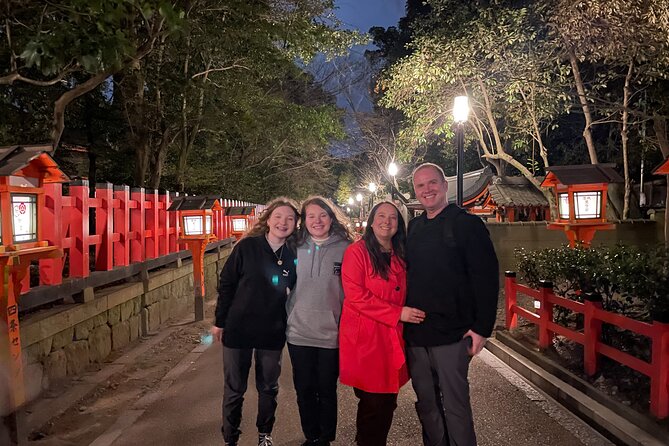
The itinerary includes a Yasaka Shrine stop with about 30 minutes and the note that admission is free.
Why include a shrine in a food tour? Because Gion isn’t only about restaurants. It’s also about how entertainment culture developed here over centuries. The tour frames Yasaka Shrine as part of the center of entertainment and culture in Gion, where geisha- and kabuki-related arts grew into something recognizable.
For you, that means two things:
- The walk isn’t random. You connect the scenery to how Gion became known for nightlife and refined entertainment.
- When you see the performers and traditions later, it won’t feel like a complete mystery. You’ll have a thread to follow.
During the shrine time, you also get a natural rhythm break. It’s a chance to slow down, check in with the guide, and get ready for the canal-side alleys and the food portion.
Maiko and geisha moments: what you’ll learn and how to behave
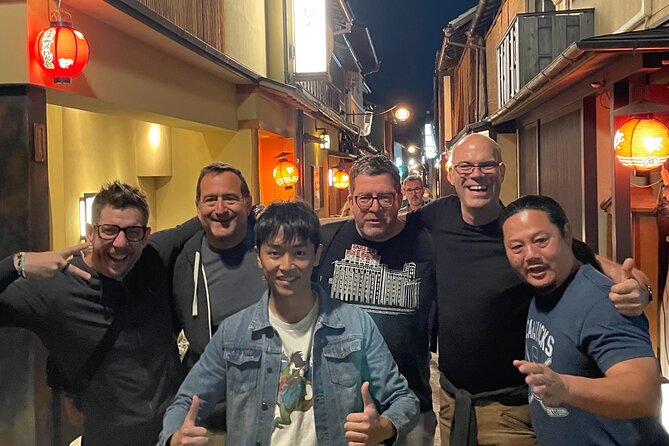
The tour specifically calls out a chance to encounter maiko and geisha. You also get guide commentary so you know what you’re looking at and why it matters.
A quick reality check: you can’t guarantee you’ll see them on every evening. But the guide route through Gion puts you in the right zones to have that possibility. If you do spot them, your guide can help you recognize the look and the role these performers play in Kyoto’s cultural system.
How to act (and avoid accidental weirdness):
- Keep your voice down and don’t block walkways.
- Respect the sense that this is part of daily life and work, not only a stage for tourists.
- Follow your guide’s lead for photos and distance.
What I like about tours that handle performer culture respectfully is that they don’t treat it like a zoo moment. Instead, you understand what you’re seeing, then move on to food with better context.


Canal-side alleys and the lantern-route to the restaurant
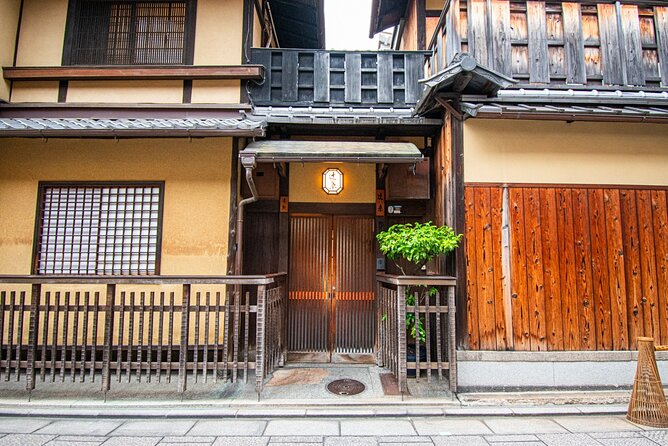
Between the shrine area and dinner, you walk through small alleys along the canal. This is where Gion starts to feel like a different city: narrow lanes, classic lanterns, and shop fronts that are easy to miss if you’re just doing a self-guided stroll.
In practical terms, this segment does two jobs:
- It gets you from the cultural stop to the meal without you needing to navigate.
- It sets expectations that you’re going to end up in a restaurant that’s not trying to be obvious to tourists.
Some restaurants that locals use are tucked a bit deeper into the streets. That’s why guided walking works so well here. Left on your own, you might either miss the place entirely or stop at something too tourist-oriented.
The “hidden-in-the-lively-streets” approach is exactly what you want if your goal is a more local evening, not a menu guess-and-hope situation.
Kawara-machi restaurant time: what you can expect to eat
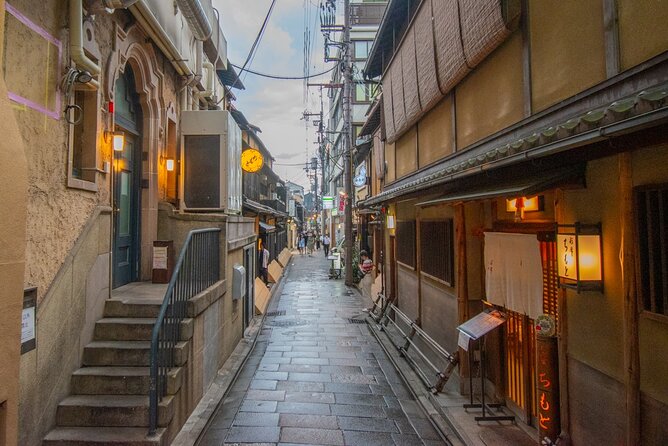
You arrive at the restaurant area around Kawara-machi, and the listing indicates about 2 hours here (with meals purchased by guests). This is the heart of the tour.
How the food selection usually works
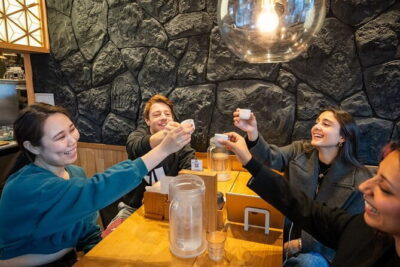
The tour format is that after the walk, the guide selects the best dishes for each place. You then sit down, eat, and talk with the guide during the meal.
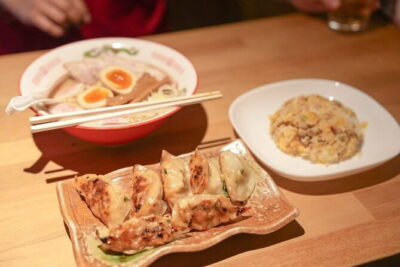
Depending on what the guide chooses for that particular night, you might encounter foods such as:
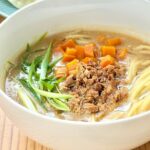
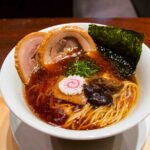
- Ramen
- Katsu
- Izakaya-style dishes
One important note: your dinner isn’t priced into the tour. All food is bought by guests. The guide can pay for their own food, but you pay for what you eat.
What makes this valuable (even if you are picky)
This guide-chosen approach is great if:
- You want ramen but don’t know which type to order.
- You don’t read menus easily.
- You’d rather eat something that fits local patterns than pick a safe option out of fear.
If you’re the kind of eater who always wants the same thing, this style still works. You can ask for what you like and get a recommendation rather than a total mystery dish.
The one caution I’d keep in mind
One of your provided notes highlights a mismatch expectation: some people think a food walking tour means many tasting stops along the way. This experience can involve some quick items near earlier points, but it’s also structured around getting to a restaurant to sit down and eat.
So if you’re craving a long sequence of multiple tiny bites, be sure you know the main part is the sit-down dinner. And again, arriving late can shrink what you get time-wise.
Price and value: what $166.14 buys you in Kyoto
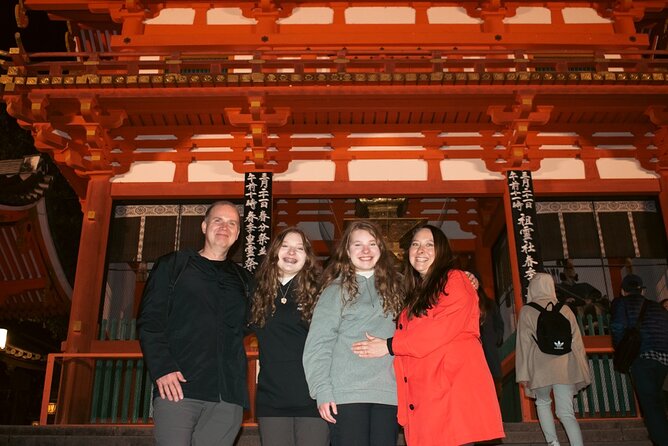
At $166.14 per person for about 3 hours, the price can look steep at first glance—until you break down what’s actually being paid for.
You’re not just paying for a route. You’re paying for:
- Private and personalized navigation through Gion at night
- A guide who can talk you through Gion’s cultural context
- Help ordering at restaurants that may be uncomfortable for non-Japanese speakers
- The planning of a restaurant stop that fits the area rather than tourist strips
Also included:
- Group discounts (so the price can work better if you’re traveling with others)
- A mobile ticket
Food cost is separate. That’s normal for tours like this in Kyoto, where dining prices vary widely and different groups eat different amounts.
My take on the value: this is worth it if you want one guided meal that feels local and guided by someone who knows the streets. It’s less worth it if you already know exactly where you want to eat and you’re comfortable going in alone without help ordering.
Who should book this tour (and who should reconsider)
This tour is a strong fit for:
- First-time Kyoto visitors who want Gion at night without wrestling maps
- Food lovers who want a guide to choose dishes and reduce menu stress
- Travelers who enjoy a mix of culture + dinner instead of pure sightseeing
- People who value polite, respectful handling of performer culture like maiko and geisha
It may be a worse match if:
- You expect lots of separate tastings spread across multiple stops
- You’re arriving late or can’t be on time
- You dislike guided walking routes and prefer a more spontaneous, self-paced dinner hunt
If you’re exhausted from a long day, there’s at least one note showing that guides can be flexible about pace and walk length when you discuss it. Still, don’t assume major schedule changes; come prepared to do a fair amount of walking.
Should you book Takashi’s Gion ramen adventure?
If your ideal Kyoto night includes Gion scenery, a cultural stop at Yasaka Shrine, and then a guide-chosen dinner that can include ramen, katsu, or izakaya, I think this is a smart booking. The private setup helps a lot in crowded areas, and the guide component is the main value driver.
Book it if:
- You want your dinner choices made easier
- You like night walking with context
- You’d rather ask questions than gamble with menus
Hold off if:
- You want a long tasting marathon with many separate bite stops
- You might arrive late
- You’re only interested in one specific food and already know the exact restaurant you want
Overall, this is a practical way to turn Gion from a photo location into an evening with food you can actually enjoy.
FAQ
FAQ
What time does the tour start?
The tour starts at 7:30 pm.
How long is the experience?
It lasts about 3 hours.
Where do I meet the guide?
You meet at Gion-Shijo Station, 1 Chome Miyagawasuji, Higashiyama Ward, Kyoto 605-0801, Japan.
Is it a private tour?
Yes. It’s private, and only your group participates.
What’s included in the price?
The included part is private and personalized navigation, plus the tour itself. You also get a mobile ticket.
Is dinner or all food included?
No. All food is bought by guests. The guide can pay for their own food.
Does Yasaka Shrine require an admission ticket?
No. The shrine admission is listed as free.
Can I cancel and get a full refund?
Yes, you can cancel up to 24 hours in advance for a full refund.
Are service animals allowed?
Yes, service animals are allowed.
How much walking is involved?
The tour includes a night walk through Gion and small alleys, and it asks for a moderate physical fitness level.