REVIEW · KYOTO
Kyoto: Ramen, Gyoza, and Onigiri Cooking Class
Book on GetYourGuide →Operated by Friendship Adventures Co., ltd · Bookable on GetYourGuide
Three Japanese snacks, one focused class.
What makes this Kyoto cooking class stand out is that you don’t just watch ramen and snacks happen—you build the flavors you’ll eat, starting with the broth and finishing with gyoza and gyoza wrapping skills you can repeat at home. I especially like that the ramen training focuses on broth (not noodle-making), using ingredients you can realistically find after you get home. One key consideration: this is not a special-diet class, and it does not accommodate vegan, pescatarian, or gluten-free needs beyond the stated vegetarian option (pork swapped for tofu).
In 90 minutes with a small group (up to 8), you cook alongside friendly English-speaking instructors and then eat the results. I also like that you leave with printed recipes for the ramen and gyoza you made, plus coffee and tea during the session. The classroom is in an alley and not on the main street, so check the map early—this is one of those spots where being a few minutes late is a real hassle.
In This Review
- Key Things I’d Prioritize Before You Go
- Why This Kyoto Cooking Class Feels Like a Real Kitchen
- Price and Value: What $90 Gets You in 90 Minutes
- Finding the Classroom on B1: Don’t Let Logistics Steal Your Appetite
- The Ramen Lesson That Actually Helps You Cook at Home
- From Filling to Seal: Mastering Gyoza Without Guesswork
- Onigiri: Shaped Rice Balls for Lunch, Not Just a Novelty Snack
- What You Actually Get to Eat (And Why It Matters)
- Dietary Rules You Need to Know Before You Reserve
- Who This Kyoto Class Is Best For
- The Instructor Team and the Style of Teaching
- Should You Book This Kyoto Ramen, Gyoza, and Onigiri Class?
- FAQ
- What dishes are included in the class?
- Does the class make ramen noodles?
- What menu options are available?
- Can the class accommodate vegan, pescatarian, or gluten-free diets?
- How long is the class?
- What’s included in the price?
- Where does the class meet in Kyoto?
- Is hotel pickup or drop-off included?
Key Things I’d Prioritize Before You Go
- Broth-first ramen skill: You focus on soy sauce and miso-style broth, since noodles are not made in class.
- Gyoza wrapping, taught to the hand: You learn the wrapping technique so the shape and seal feel repeatable.
- Onigiri practice, not just assembly: You make properly shaped rice balls that work as lunch-sized snacks.
- Small group flow: Limited to 8 participants, which makes it easier to get real guidance while you’re cooking.
- No special-diet flexibility: Only Regular and Vegetarian menus are offered; other dietary needs aren’t accommodated.
Why This Kyoto Cooking Class Feels Like a Real Kitchen
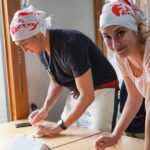
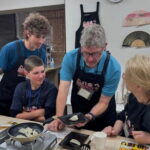
This class is built for hands-on cooking, not sightseeing-by-way-of-a-kitchen. You’re learning three Kyoto-friendly staples—ramen, gyoza, and onigiri—in a compact 90-minute format that moves at a practical pace.
One of the best parts for me is the teaching style. In real kitchens, people learn fastest when they can ask questions and get quick corrections. The setup here supports that: English-speaking instructors guide you step-by-step, and the small group size helps you avoid that frustrating feeling of being left behind.
You can also read our reviews of more tours and experiences in Kyoto.
Price and Value: What $90 Gets You in 90 Minutes
At $90 per person for 90 minutes, you’re paying for three things that matter in a cooking class: ingredient access, instruction, and the meal you make. The class includes all cooking ingredients and equipment, so you don’t need to worry about buying specialty items just to try the basics.
You also get the kind of payoff that many classes skip: you eat what you cook. That means your money turns into both skills and a full, satisfying end-of-class meal (and not just a few “tastes”).
Finally, you get recipes for ramen and gyoza. That’s the part that keeps the class useful after you return home. A cooking memory fades fast; a recipe you can follow is what turns the lesson into something you’ll actually repeat.
Finding the Classroom on B1: Don’t Let Logistics Steal Your Appetite
Your meeting point is at B1 of Life Building, and the classroom is one street off the main street. That matters because small Japanese addresses can be tricky if you arrive with no plan.
If you’re taking a cab, get off in front of Family Mart at Sanjo Keihan. It’s about a two-minute walk from there, and the driver-friendly move is to search for Manryo cooking class in Google Maps. Wear comfortable shoes and clothes—this is cooking, not museum time.
A small but smart tip: give yourself buffer time. More than one person has called out that the shop sits down a side street, so arrive early enough that you’re not rushing while hungry.
The Ramen Lesson That Actually Helps You Cook at Home
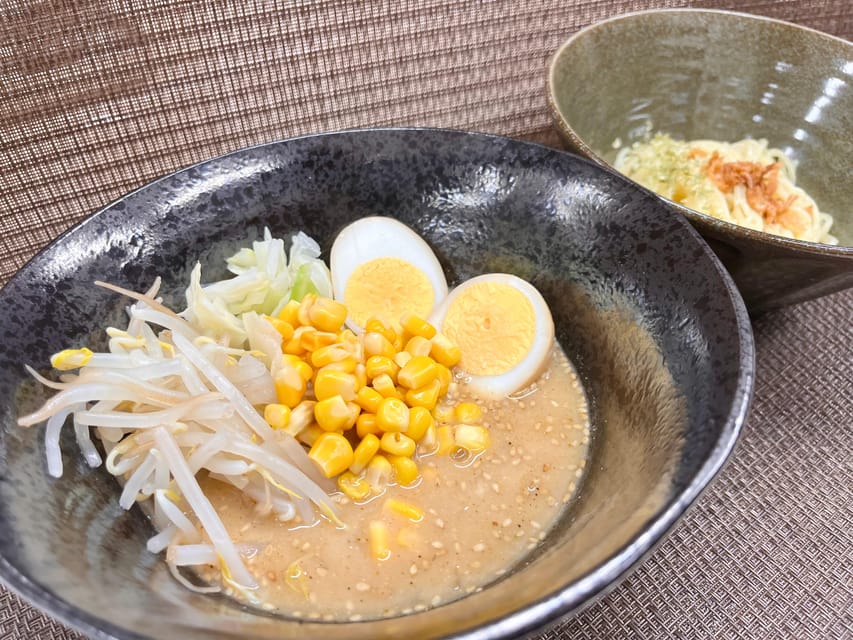
Most people think ramen is about noodles. Here, the class flips the focus: you learn ramen broth first. The key idea is simple—if you can make a good soup, you can build ramen at home even if the noodles are store-bought.
You’ll learn broth based on two styles:
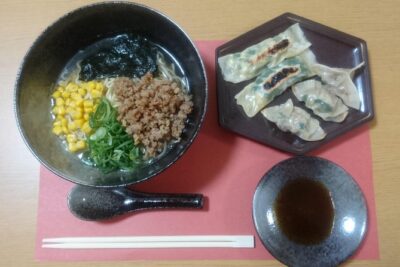
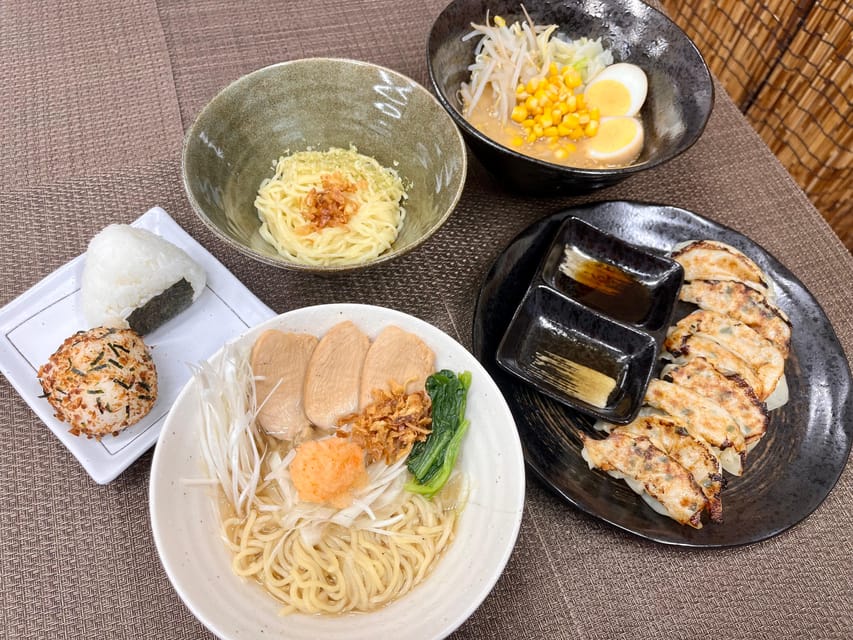
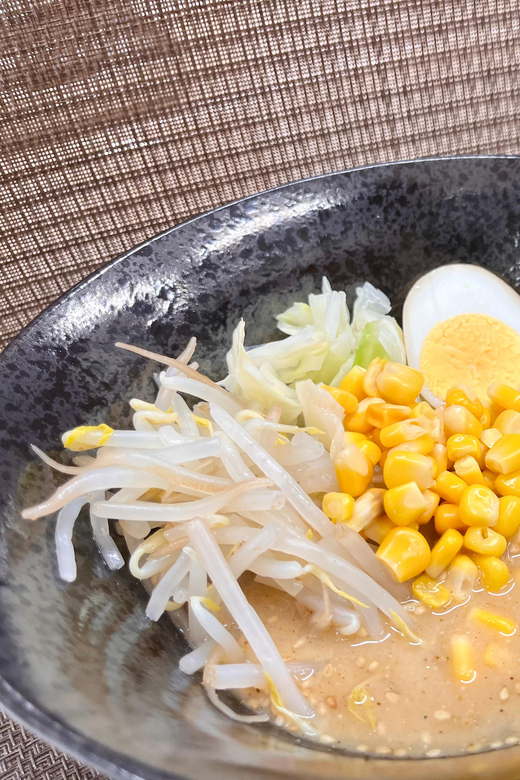
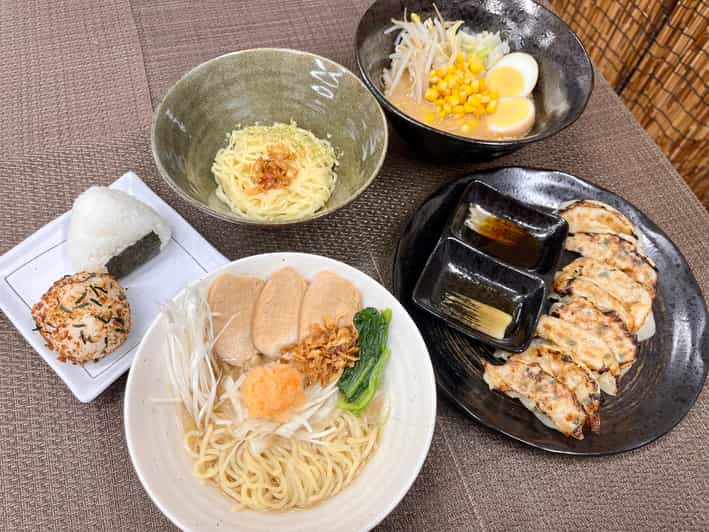
- Miso ramen with toppings like boiled egg, bean sprouts, green onions, and sweet corn
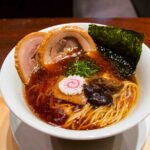
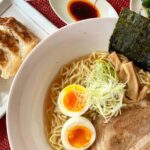
- Shoyu ramen with toppings like chicken, bamboo shoots, and green vegetables
What I like about this setup is balance. The toppings are intentionally straightforward because the broth is the star. That teaches you something useful: don’t overcomplicate the toppings if your broth already carries the depth.
Even better, the class uses ingredients you can find back home. You’ll work with items like soy sauce and miso, and also ingredients that show up in Japanese cooking: garlic, ginger, mirin, sesame oil, lard, mirin, and cooking sake. You’ll also see how flavor layers stack—seasoning, aromatics, and fat all working together to round the broth.
Important note: this class does not make noodles. That’s not a problem—it’s actually the point. You’re learning the part most people can’t easily recreate when they just buy a bowl to go.
From Filling to Seal: Mastering Gyoza Without Guesswork
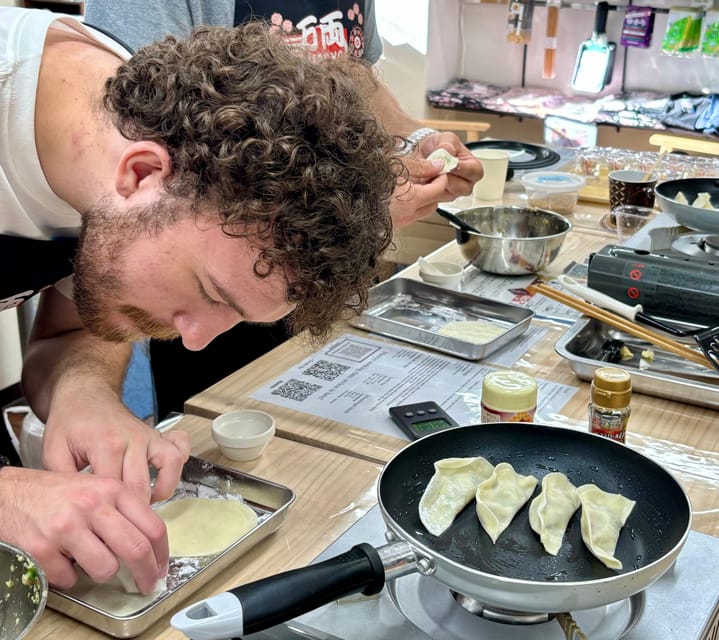
Gyoza looks simple until you try it. Then you realize it’s really a technique class: filling balance, proper wrapping, and sealing so the dumpling holds together.
This is where the class earns its reputation. The goal is that you fully master how to wrap gyoza and understand it, not just copy a single example. You get taught the wrapping technique, and you’ll end up with gyoza you can eat at the end of the session.
What you’re learning in the filling is the same kind of logic you use in ramen broth: seasoning and balance. The class instruction emphasizes a mix of meat and vegetables and the right seasoning blend so the gyoza isn’t flat or overly heavy.
One practical advantage of doing this with an instructor in front of you: you get correction while your hands are still learning the motion. If you try to teach yourself from videos on your first attempt, you can waste a lot of dumplings. Here, the structure keeps you moving quickly toward a result you can be proud of.

Onigiri: Shaped Rice Balls for Lunch, Not Just a Novelty Snack
Onigiri is often treated like a quick grab-and-go item. In this class, you learn how to shape rice balls so they look right and feel satisfying to eat.
The value here is that onigiri is forgiving and repeatable. Rice plus seasoning plus a filling gives you a snack you can make when you don’t want sandwiches, but still want something handheld and Japanese in spirit.
You’ll practice making the rice balls with guidance so the final shape is consistent. Then, once you’ve made them, you understand how the stuffing choices affect flavor and texture. It’s the kind of skill that turns onigiri from store-bought convenience into something you can pack for yourself later.
What You Actually Get to Eat (And Why It Matters)
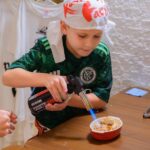
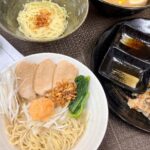
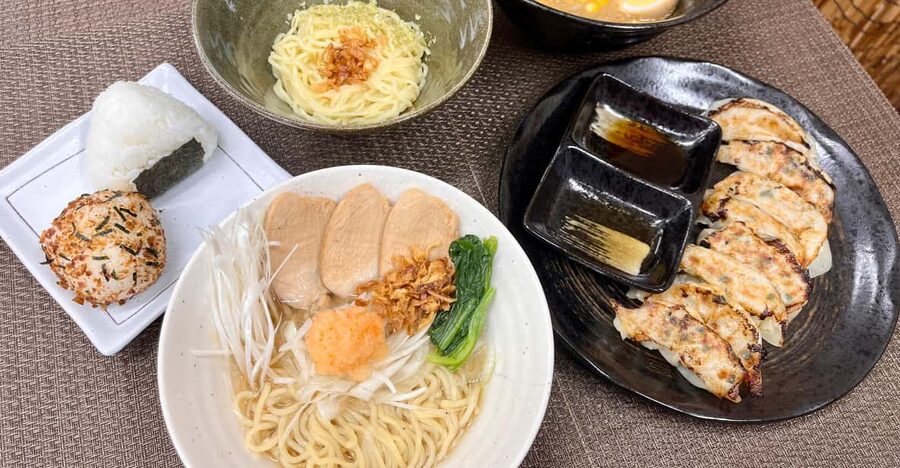
This is a cooking class where your end goal is a meal you helped create. You’ll prepare ramen broth plus gyoza plus onigiri, and you eat what you make. That changes the whole experience.
For one thing, it makes the lesson stick. When you taste the broth you just built, you immediately understand what each ingredient did. When you bite into a gyoza you wrapped yourself, you can feel what a good seal and good stuffing balance should be.
The class also includes free coffee and tea. If you’re coming in on an empty stomach, you’ll want to pace yourself—there’s a lot of food in a short time, and you’ll be cooking, then eating, without much downtime.
One more practical detail: during the meal, some visitors have mentioned the chance to purchase beer afterward. That isn’t the centerpiece of the class, and it isn’t the deal-maker, but if you like a celebratory drink, it’s worth asking on the day.
Dietary Rules You Need to Know Before You Reserve
This part is not flexible, so check it early.
The class offers only two menu options:
- Regular Menu
- Vegetarian Menu, where only pork is replaced with tofu and other ingredients remain the same
The class states it cannot accommodate:
- Vegan
- Pescatarian
- Gluten-free or any other special diets
Also, you need to be able to cook by yourself without staff “stuff help.” The class requires participants be 13 and able to cook independently. It is not suitable for children under 12.
If your group has dietary needs, you’ll want to confirm right away that the available menus are a true match. Don’t assume the kitchen can swap ingredients beyond the listed vegetarian modification.
Who This Kyoto Class Is Best For
This class is ideal if you:
- Want ramen training that focuses on the broth (the part you can’t copy from a packet)
- Like learning a hands-on technique, especially gyoza wrapping
- Want recipes you can use at home, not just a one-time experience
- Prefer small group instruction over large, slow tours
It’s also a strong pick if you’re traveling with friends or family and want one shared activity that ends with a real meal.
Where it may not be the best fit:
- If you need vegan, gluten-free, or other dietary accommodations
- If you’re not comfortable with a fast pace and cooking without constant assistance
- If mobility or medical recovery limits make hands-on cooking difficult
Wheelchair users aren’t suitable, and people with recent surgeries should not join.
The Instructor Team and the Style of Teaching
The instructors often work as a team, and names that show up again and again in the teaching credits include Nori and others like Kairi and Aoi. The overall teaching style is practical: clear explanations, quick feedback while you’re working, and encouragement so you stay confident even when your first gyoza isn’t perfect.
I like that the class doesn’t treat cooking as a mysterious art. You get the logic behind what you’re doing—why toppings should stay mild when the broth is strong, and why gyoza requires technique more than luck.
Should You Book This Kyoto Ramen, Gyoza, and Onigiri Class?
Book it if you want a hands-on Kyoto food experience with real take-home value. The price makes sense when you look at what’s included: ingredients, instruction, the meal you cook, and printed recipes for ramen and gyoza. In 90 minutes, you’ll learn three skills that are easy to practice again at home: broth building, dumpling wrapping, and onigiri shaping.
Skip it if your group needs diet flexibility beyond the two stated menu options. Also skip it if you expect a relaxed pace with minimal cooking. This is for people who want to cook, not just watch.
If you’re the kind of traveler who likes leaving a country with one practical skill you can repeat, this is a smart choice.
FAQ
What dishes are included in the class?
You’ll learn how to make ramen broth, gyoza, and onigiri.
Does the class make ramen noodles?
No. This class focuses on preparing delicious broth. Noodles are not made.
What menu options are available?
There are two menu options: Regular Menu, and Vegetarian Menu. In the vegetarian option, pork is replaced with tofu while other ingredients remain the same.
Can the class accommodate vegan, pescatarian, or gluten-free diets?
No. Vegan, pescatarian, gluten-free, and other special diets are not accommodated.
How long is the class?
The class runs for 90 minutes.
What’s included in the price?
English-speaking instructors, all cooking ingredients and equipment, the food you make, recipes for ramen and gyoza, and free coffee and tea.
Where does the class meet in Kyoto?
The classroom is located at B1 of Life Building. It’s not on the main street. A cab stop is suggested at Family Mart at Sanjo Keihan, with a short walk from there.
Is hotel pickup or drop-off included?
No. Hotel pickup and drop-off are not included.