REVIEW · YOKOHAMA
Ramen,Gyoza,Udon,Tempura-Making experience in Japanese home
Book on Viator →Operated by Mana Home Made Cooking In Japan · Bookable on Viator
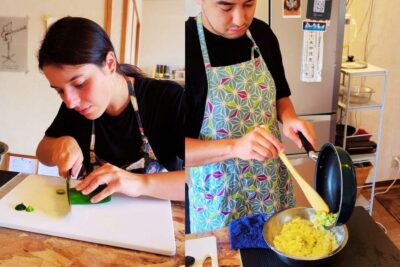
Dinner in disguise. It’s a cooking class in a real home, not a studio, and it’s led by Mana, a local Japanese cook who handles her family meals daily. I love the private, relaxed pace and the fact you’re learning with a home cook who teaches from simple, practical techniques you can use right after you get home. The one possible drawback is that last-minute changes to what you eat are limited, so if you have allergies or strong preferences, you’ll want to message in advance.
You’ll meet near Totsuka Station at a McDonald’s area, then Mana picks you up for a short ride to her house. The whole plan runs about 2 hours, with roughly 1 hour 45 minutes of hands-on cooking and then time to eat what you made together.
In This Review
- Key things I’d circle before you book
- Why cooking at someone’s table feels different
- Choosing Your Menu: udon & tempura, gyoza & maki-sushi, or soy sauce ramen
- Set 1: Udon and Tempura
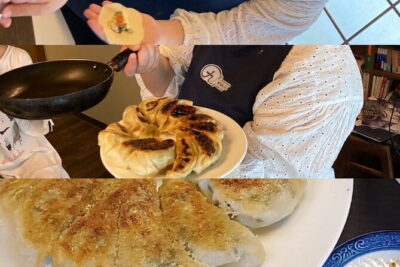
- Set 2: Gyoza and Maki-sushi
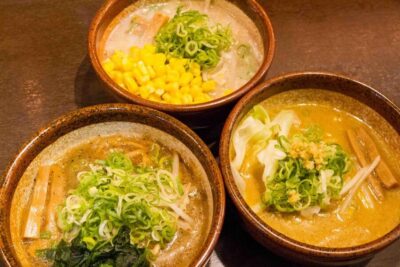
- Set 3: Soy source Ramen and Gyoza
- Getting to the home near Totsuka Station (and why the meeting point works)
- The 2-hour schedule: cooking time plus actual eating time
- What it’s like with Mana: calm hosting, clear teaching, real home energy
- What you’ll learn (and how it helps after your trip)
- Dietary needs: halal, vegan, veg, allergies, and dislikes (plan this early)
- Food included means this isn’t just a demo
- Price and value: $64.16 for a private home lunch lesson
- Who this is best for (and who might prefer something else)
- Should you book Mana’s Japanese home cooking lesson?
- FAQ
- What dishes are included in the class?
- How long is the experience?
- Where do I meet Mana?
- Will Mana pick me up?
- Is the experience private?
- Is lunch included?
- Can the menu accommodate halal, vegan, or vegetarian diets?
- What about allergies or dislikes?
- Can I change my food item on the day?
- Are ramen noodles made from scratch in the class?
- What is the cancellation policy?
Key things I’d circle before you book
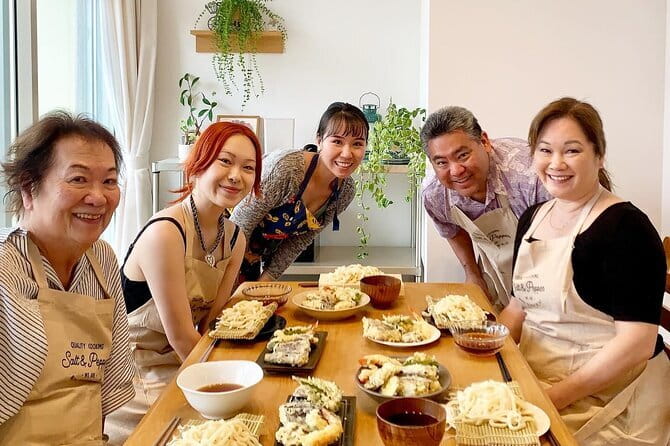
- A private lesson in an actual Japanese home, not a classroom or restaurant set-up
- Mana as host and instructor, with a Japanese cooking license and solid English support
- Choose one of three meal sets (udon & tempura, gyoza & maki-sushi, or soy sauce ramen & gyoza)
- Lunch is included, so you’re not just watching—you’re eating your work
- Diet help is possible (halal/vegan/veg and ingredient preferences), if you message early
- Ramen noodles are premade, which makes the class smoother for a fun, doable pace
Why cooking at someone’s table feels different
This experience works because it’s built around a real routine: Mana cooks for her family every day, and she teaches in that same rhythm. When you’re in a home, you feel the difference right away. The class is more casual than what you’d expect from a formal cooking studio, and the goal feels like sharing good food rather than putting on a show.
I also like the practical side. You’re not learning a bunch of fancy steps for the sake of it. Mana uses simple recipes and hands-on guidance so you can recreate the flavors later without needing a professional kitchen.
One thing to keep in mind: you’re choosing a set menu ahead of time. That’s great for clarity, but it means you should think through your dietary needs and communicate them early.
You can also read our reviews of more tours and experiences in Yokohama.
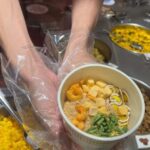

Choosing Your Menu: udon & tempura, gyoza & maki-sushi, or soy sauce ramen
You pick one of three sets. This matters because the class content centers on that choice, and you’ll eat the same set afterward for lunch.
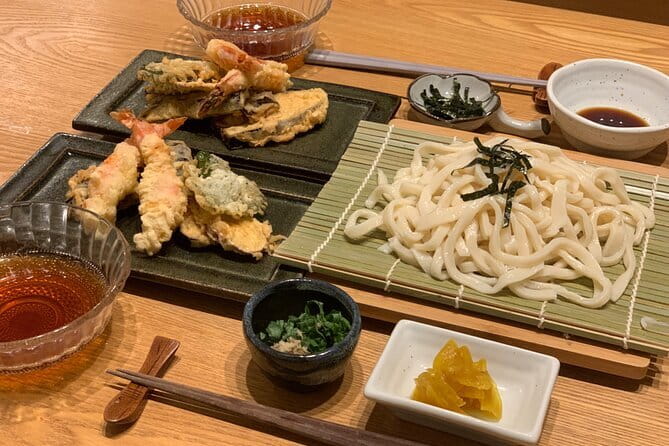
Set 1: Udon and Tempura
If you like comforting noodles and a crispy item, this is the easiest sell. Udon is familiar enough to feel friendly, while tempura gives you that classic Japanese texture contrast—something you can taste and replicate later. The class structure is designed to keep you busy while still feeling relaxed.
Set 2: Gyoza and Maki-sushi
This option is a good match if you want variety—dumplings plus sushi in one session. In a recent experience, the sushi side included miso soup and items like California rolls and small sushi pieces. Even if your exact menu details vary by what day Mana is teaching, this set clearly leans toward hands-on comfort food with a little Japanese home-cook creativity.
Set 3: Soy source Ramen and Gyoza
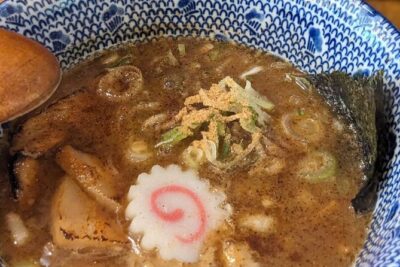
This is the best option for ramen lovers who want the flavor without worrying the class will run too long. A key detail: the ramen noodles are premade, so you can focus on the rest of the meal flow rather than spending the whole session on noodle making.


Getting to the home near Totsuka Station (and why the meeting point works)
The meeting point is at a McDonald’s near Totsuka Station. Mana meets you there and takes you to the house for a short trip—about five minutes.
That setup is helpful for two reasons. First, it keeps you from dealing with complicated local directions in the early part of your day. Second, it reduces friction: you can land in Yokohama, find the meeting spot, meet your host, and then relax into the class.
It’s also near public transportation, which you’ll appreciate if you’re juggling multiple stops in the city. The experience doesn’t include private transportation, so plan on using trains or local transit on your own.
The 2-hour schedule: cooking time plus actual eating time
This is a compact experience—about 2 hours total. The timing is built so you get real hands-on cooking, and then you’re not rushed when it’s time to eat.
Here’s the flow:
- Meet at the McDonald’s area near Totsuka Station
- Head to Mana’s home
- A class explanation, so you know what you’re making and what you’ll do next
- Cooking for about 1 hour 45 minutes
- Eating time for roughly 15 to 30 minutes
- Back to the meeting point
The biggest practical win is that you get both parts: the work and the payoff. Many cooking experiences blur together, but here you actually sit down and eat what you made together before you’re sent off.
What it’s like with Mana: calm hosting, clear teaching, real home energy
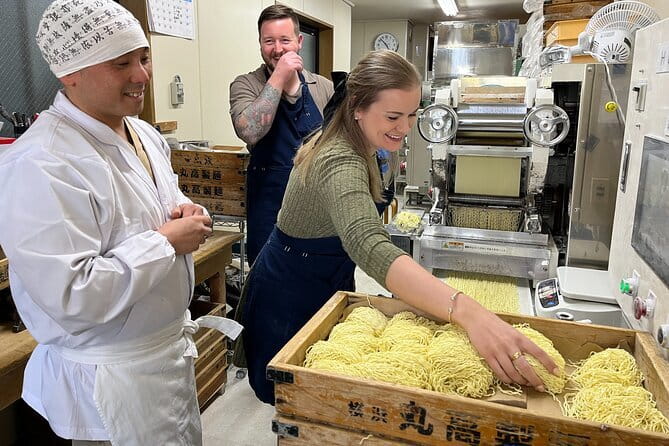
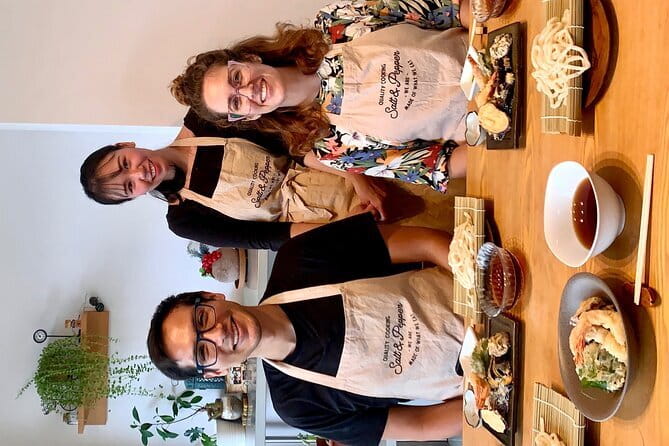
Mana runs this from her home, and that changes the atmosphere. You’re not in a warehouse-like kitchen. You’re in a lived-in space. That means the class feels like you’re joining someone for lunch, not checking off a chore list.
The other big upside is communication. In at least one set of experiences, Mana’s English support is described as very good. That matters because you’ll learn faster when you can ask quick questions and understand the steps without guessing.
You’ll also get a lot of the value people want from these classes: how to cook Japanese home food in a way that feels doable. Mana has a Japanese cooking license and cooks for her family daily, so her teaching style comes from repetition, not just theory.
What you’ll learn (and how it helps after your trip)
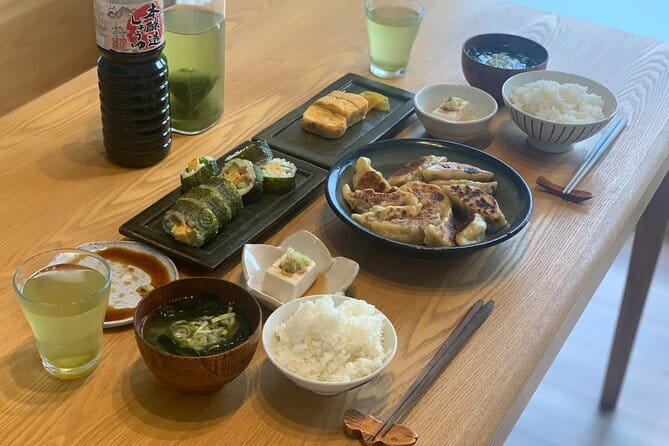
The menu is the obvious part, but the bigger takeaway is learning patterns: how Japanese home cooks put meals together with practical timing and simple methods. Mana teaches with straightforward recipes and techniques, and that’s what makes this useful back home.
Even if your kitchen tools aren’t identical, you should be able to recreate the dishes because you’re learning the core process rather than relying on restaurant shortcuts. And since you eat what you make, you’ll immediately understand the payoff for each step: what tastes right, what needs balancing, and how a home-cooked version should feel.
One more small but important detail: ramen noodles are premade for the soy sauce ramen set. That means the class stays friendly and time-efficient, and you can focus on the meal experience rather than treating this like a full production day.
Dietary needs: halal, vegan, veg, allergies, and dislikes (plan this early)

This is one area where you can get real value, as long as you communicate clearly.
The class offers halal/vegan/veg options and can handle ingredient preferences. If you have allergies or dislike certain foods, you must contact Mana through the message feature when you book soon.
Two caution points are worth repeating:
- The food item can’t be changed without notification.
- Mana can’t respond on the day, so last-minute requests are not the plan.
If you’re traveling with dietary restrictions, this is still a strong choice compared with many experiences that only offer a vague swap. But it only works well if you message ahead and are specific about what you need.
Food included means this isn’t just a demo
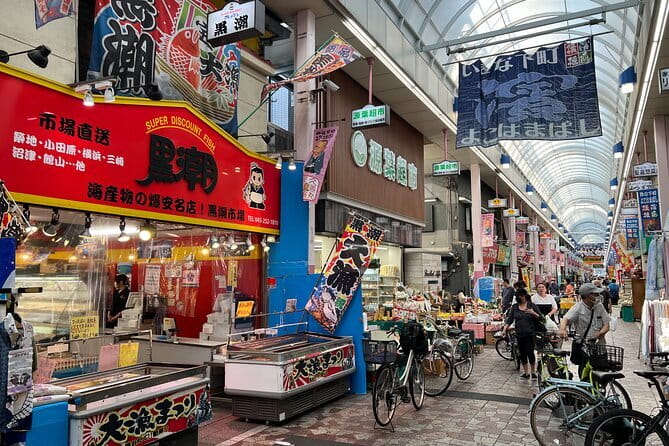
Lunch is included, and you eat the food you cook together. That turns the class into a practical meal option, not just an activity.
For a trip day, that’s a genuine time-saver. You’re not spending extra time hunting for food afterward, and you’re not paying for a separate lunch plan. You’re paying for a meal plus instruction, inside someone’s home.
Price and value: $64.16 for a private home lunch lesson
At $64.16 per person for about two hours, this sits in the “worth it if it matches your style” category. It isn’t a budget group tour price, but the value is tied to three things you actually feel:
- It’s private, so it’s your group with your instructor.
- You get a real home-cooked lunch included in the session.
- You’re learning from a local Japanese cook with daily family experience.
Also, the class is booked about 64 days in advance on average. That hints at demand—people like the idea of a home setting, not just a food spectacle. If you want a specific set option and you’re traveling during busy weeks, planning ahead helps.
Who this is best for (and who might prefer something else)
This works especially well if you:
- Want Japanese food instruction without the formality of a studio
- Like learning from a home cook with real daily experience
- Prefer a calmer, private format
- Have dietary needs and are willing to message ahead
It might feel less ideal if you:
- Expect to change your menu choices at the last minute
- Want transportation included end-to-end (private transportation isn’t included)
- Are the type who needs a large group for energy (this is private, so it’s quieter by design)
Should you book Mana’s Japanese home cooking lesson?
If you want a hands-on lunch lesson with a private home vibe in Yokohama, I’d book it. The combination of Mana’s teaching, the included meal, and the fact you’re learning dishes like udon, tempura, gyoza, and soy sauce ramen makes it a practical choice. You’re also not stuck wondering what you’ll get—you choose one of three sets and you eat it.
My main reason to hesitate would be if you’re relying on same-day dietary changes. If that’s you, message early or consider a different plan. Otherwise, this is the kind of experience that turns into food you remember, not just photos.
FAQ
What dishes are included in the class?
You choose one set: udon and tempura, gyoza and maki-sushi, or soy source ramen and gyoza.
How long is the experience?
It’s about 2 hours total, including cooking and eating.
Where do I meet Mana?
You meet at a McDonald’s near Totsuka Station. The start location is listed near Pizza-La (4790-13 Totsukachō, Totsuka Ward, Yokohama).
Will Mana pick me up?
Yes. Mana meets you at the meeting point near Totsuka Station and takes you to the home for a short trip.
Is the experience private?
Yes. It’s a private lesson/activity for only your group.
Is lunch included?
Yes. You eat the food you make together.
Can the menu accommodate halal, vegan, or vegetarian diets?
Halal, vegan, and veg options are available, but you need to message the instructor when you book.
What about allergies or dislikes?
You should message the instructor in advance with any allergies or foods you dislike, using the message feature after booking.
Can I change my food item on the day?
No. You can’t change food items without prior notification, and the instructor can’t respond on the day.
Are ramen noodles made from scratch in the class?
The ramen noodles are premade for the soy source ramen set.
What is the cancellation policy?
Free cancellation is available up to 24 hours before the experience starts for a full refund.