REVIEW · TOKYO
Tokyo: Sushi Making & Ramen Cooking & Drink Set Class
Book on GetYourGuide →Operated by Sushi Making Tokyo | Cooking Class in Japan · Bookable on GetYourGuide
Tokyo is where food lessons feel serious.
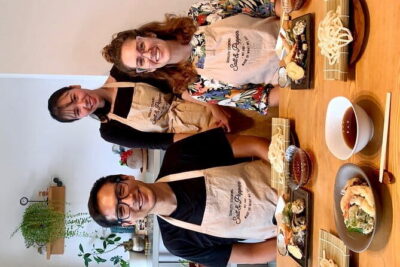
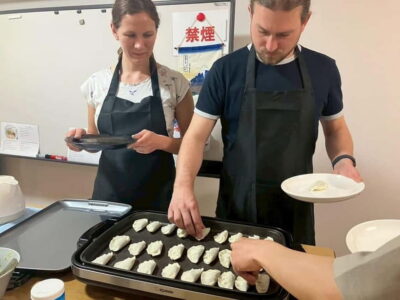
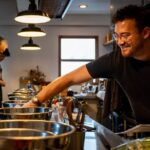
This hands-on sushi and ramen cooking class in the Tsukiji area turns an intimidating menu into step-by-step technique, with English instruction and a small group. I love that you’re working with real process, not just watching. I also love the added sake tasting element with a certified sake sommelier. One thing to plan for: you should expect to get a little messy, since the class asks for comfortable clothes you don’t mind dirtying.
The practical payoff is big. By the end, you’ll have sushi-handling confidence (especially nigiri) and ramen know-how (especially broth and chashu pork), plus a take-home booklet so you can recreate it after the noodles and rice fade from your memory. The only drawback is simple: it’s not a quick stop. It’s a focused 3-hour session, so you’ll want to choose a day when you’re not racing across Tokyo.
In This Review
- Key highlights you’ll feel during the class
- Where you meet: HAUS Tsukishima, and why the location is a win
- The small-group vibe: what “friendly and personalized” looks like
- Sushi 101 you can actually repeat: making nigiri the right way
- Ramen hands-on: broth from scratch and chashu pork technique
- The sake tasting: a guided, food-friendly add-on
- What you take home: recipe booklet, ingredient tips, and chopsticks
- After the class: using Tsukiji proximity without wasting time
- Price and value: what $140 gets you in real terms
- Who this class suits best (and who should consider alternatives)
- When booking makes sense: my quick verdict
- FAQ
- Where is the meeting point for the class?
- How long is the cooking class?
- Is the class taught in English?
- How big is the group?
- What’s included in the price?
- Do I need to bring ingredients or tools?
- Is hotel pickup or drop-off included?
- Are vegetarian options available?
- Is it okay if I wear clothes that might get messy?
Key highlights you’ll feel during the class
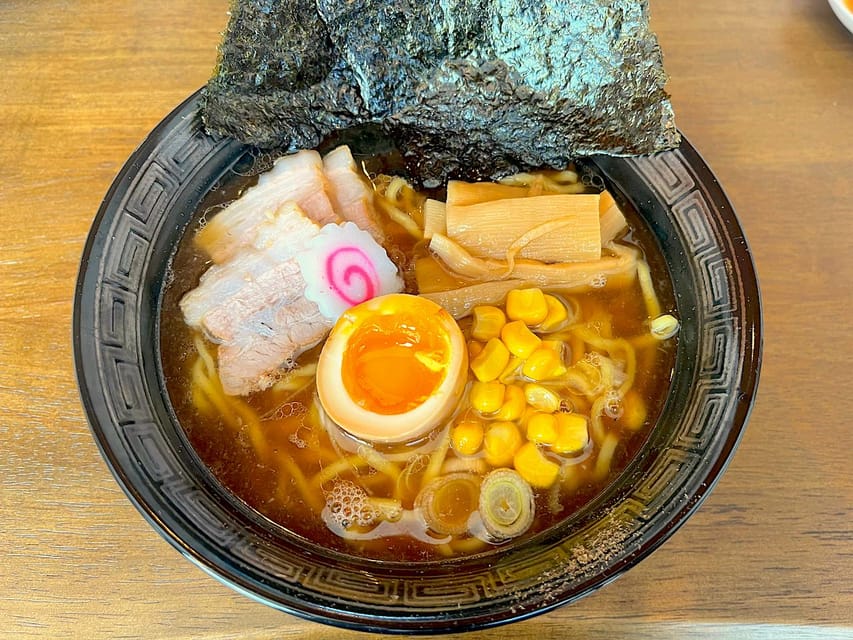
- Small-group instruction capped around 8 participants, so you’re not lost in the crowd
- Hands-on ramen: broth-building and chashu technique, not just assembly
- Nigiri sushi practice: you form the rice and top it yourself
- Curated sake tasting with three sakes selected by a certified sake sommelier
- Take-home recipe booklet for ramen, gyoza, and sushi, plus ingredient tips
- Keep-sake chopsticks included, so the experience leaves with you
Where you meet: HAUS Tsukishima, and why the location is a win
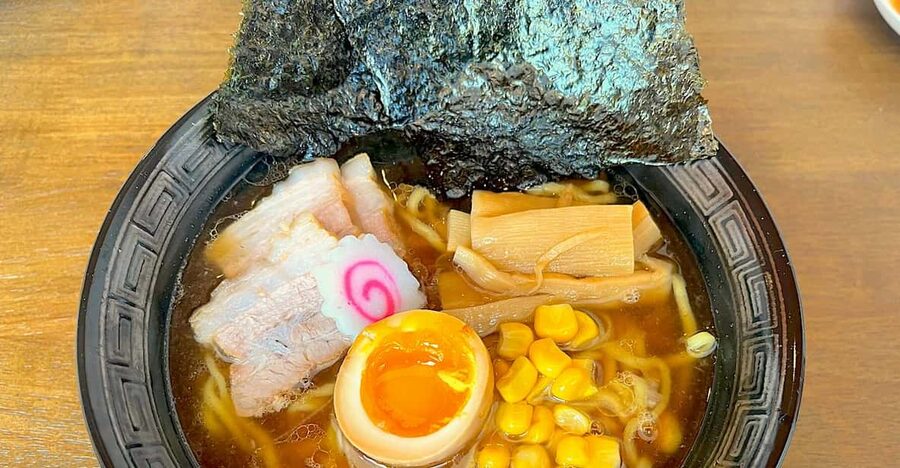
Your class starts at 2nd Floor, HAUS Tsukishima, 2-13-5 Tsukuda, Chuo-ku, Tokyo. It’s about a 5-minute walk from Tsukishima Station (Exit 4). In plain terms, that’s great if you’re staying anywhere around central Tokyo and don’t want to fight tricky last-mile directions.
From there, it’s also close to the Tsukiji area. The local directions given here are practical: it’s around 6 minutes by taxi from Tsukiji Fish Market, and about 9 minutes from Ginza. That means you can treat the class as an anchor, then continue your day by heading back into the market neighborhood afterward.
I’d plan to arrive about 5 minutes early. Not because you’ll be rushed, but because cooking classes run on timing. If you’re late, you’ll miss the warm-up briefing where instructors explain how the session flows (and what tools you’ll be using).
You can also read our reviews of more tours and experiences in Tokyo.


The small-group vibe: what “friendly and personalized” looks like
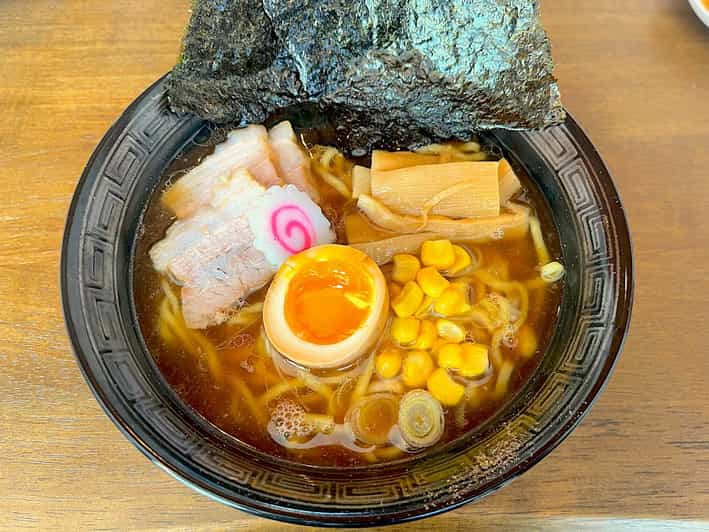
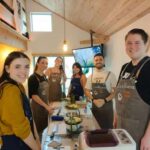
This isn’t a huge spectacle. The class is limited to about 8 participants, with English-speaking Japanese instructors guiding you through sushi and ramen steps. That group size matters because sushi and ramen are hands-on skills. You can’t really “figure it out later” if nobody is watching your rice handling or telling you how to position your knife.
In the feedback for this experience, the word that keeps showing up is supportive. People point out patient teaching, easy-to-follow guidance, and a welcoming atmosphere. One instructor name that comes up is Sato, praised specifically for helping learners produce tasty sushi and ramen while keeping things comfortable even for beginners.
You’ll also get a sense that this team is doing more than feeding you. They’re sharing the reasoning behind techniques—why the broth tastes the way it does, and why nigiri has that specific balance of rice texture and topping.
Sushi 101 you can actually repeat: making nigiri the right way
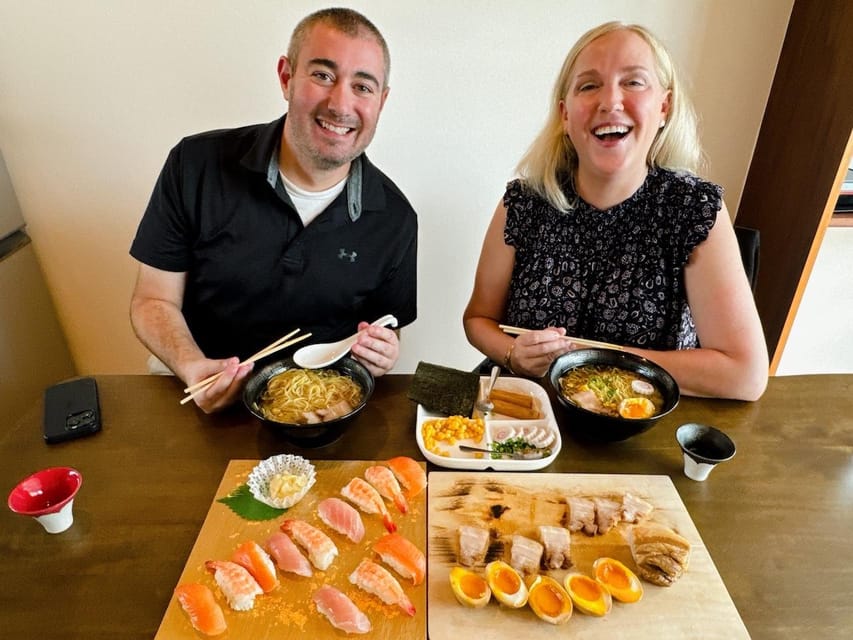
Sushi in Tokyo can look like art from a distance. Up close, it’s process. In this class, you learn to make nigiri sushi, using provided ingredients and tools to hand-form each piece.
Here’s the value of the approach: you get a chance to handle rice and shape it deliberately, instead of just learning “the motion.” Even if you’ve eaten sushi your whole life, nigiri techniques are a different skill set than chopsticks and soy sauce.
The class also includes origins of sushi as part of the cultural context. That sounds like trivia until you realize it changes how you think about the dish. Sushi isn’t just raw fish on rice; it’s a technique shaped by preservation, flavor, and tradition. When you learn the story, the method feels less random and more logical.
What to expect while you’re cooking:
- You’ll work with sushi rice and learn how to handle it for consistent texture
- You’ll form nigiri by hand using the materials provided
- You’ll assemble toppings based on what the class is teaching that day
If you’re the type who likes checklists, you’ll probably appreciate the structured feeling of this. It’s not “good luck, have fun.” It’s guided practice, with room to ask questions.
Ramen hands-on: broth from scratch and chashu pork technique
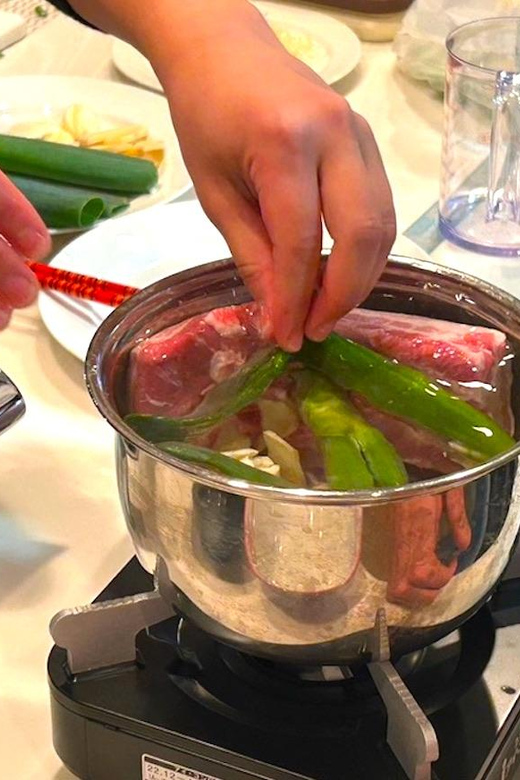
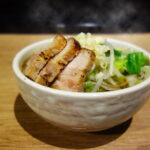
Ramen has a reputation for being complicated. The good news is that this class focuses on core skills that drive flavor. You’ll learn how to make ramen soup from scratch, including broth technique, and you’ll also tackle chashu, the melt-in-your-mouth pork belly.
Broth is where a lot of people get stuck when they try ramen at home later. Here, you’re taught the method early enough that you understand what’s happening, not just what you’re supposed to add. The goal isn’t to turn you into a professional ramen chef. It’s to give you the confidence to recreate a solid bowl.
Chashu is the other big piece. The class frames it as a technique, and that’s exactly right. Pork belly isn’t just “cooking meat.” It’s timing, seasoning, and the texture you’re working toward. The class gives you the chance to practice and understand how the finished result should feel.
In practical terms, you’ll leave with:
- A clearer path for building broth flavor (what matters most in the process)
- A repeatable idea for how chashu should come out, so it’s not guesswork
And yes, you’re going to be thinking about ramen flavors long after you stop mixing—probably while you’re walking through Tsukiji with your stomach asking for one more bowl.
The sake tasting: a guided, food-friendly add-on
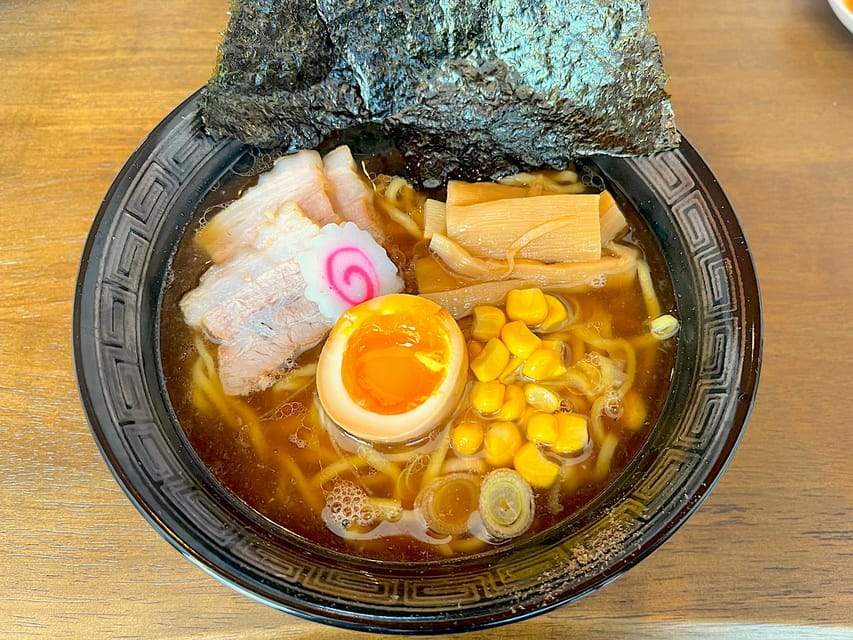
One of the best “extra” parts here is the curated sake tasting. You’ll enjoy three premium Japanese sakes, selected by a certified sake sommelier.
Why this matters: sake can be confusing if you only know a couple labels. Having someone guide you through the tasting helps you connect flavor styles with how they pair with food. In a cooking class, this isn’t filler. It’s part of the full flavor education, especially because you’re making salty, savory dishes with fish and pork.
A good benefit for the nervous first-timer: the class context means you’re not just tasting in a vacuum. You’ll likely have just made the dishes that the sake is meant to complement, which makes the experience feel tied together instead of like a separate event.



What you take home: recipe booklet, ingredient tips, and chopsticks
Food memories fade. Written steps don’t. This class includes a professionally designed recipe booklet with detailed instructions for recreating ramen, gyoza, and sushi at home.
Even if you don’t master every detail immediately, the booklet is what turns your cooking day into a future dinner plan. It also includes ingredient tips and substitutions for overseas cooking. That’s crucial for value, because the biggest reason home cooks fail isn’t effort—it’s trying to source ingredients that aren’t easily available.
You also get souvenir chopsticks. They’re small, but they matter because they turn this from an activity into a keepsake you’ll use. That’s the kind of detail that actually increases the satisfaction level.
After the class: using Tsukiji proximity without wasting time
The class ends back at the meeting point, so you’re not stranded across Tokyo. And the area connection is strong: it’s roughly 6 minutes by taxi from Tsukiji Fish Market.
Here’s the smart way to use that time. Don’t try to cram everything the instant you finish cooking, especially if you’re full. Instead:
- Walk the market area at a slower pace
- Look for fish stalls and food counters that match what you learned
- If you want to keep snacking, focus on small bites rather than a big meal right away
Since the class is Tsukiji-linked, you’ll likely notice the ingredients and traditions more than you would on a standard food tour.
Price and value: what $140 gets you in real terms

At $140 per person for a 3-hour session, you’re paying for three things at once: instruction, ingredients, and “flavor education.”
You get:
- Sushi making experience and ramen cooking class
- All necessary ingredients
- English-speaking instructor
- Sake tasting (three premium sakes) with a certified sake sommelier
- A recipe booklet with instructions beyond the day’s cooking, including gyoza coverage
- Souvenir chopsticks
- Small-group format with limited participants
So the price isn’t just “paying for a kitchen.” It’s paying for guided skill building. And because the group size is small, you’re more likely to get real coaching when something goes off. With sushi and ramen, that kind of feedback can be the difference between a fun mess and something you can recreate at home.
For comparison thinking, you can usually find cheaper food experiences in Tokyo. But cooking classes that also include structured sake tasting and take-home materials are harder to replace.
Who this class suits best (and who should consider alternatives)
This tour is a strong fit if:
- You want hands-on cooking in Tokyo, not just eating
- You like sushi and ramen and want the technique side
- You’re open to learning with English-speaking guidance
- You want a small-group setup where you can ask questions
- You’re curious about sake and want a guided tasting
It may not be the best match if:
- You want a fast, low-effort activity
- You dislike getting your clothes a little dirty
- You’re scheduling around limited time and can’t spare 3 hours
One extra planning note: vegetarian options are available, but you need to notify in advance. If that matters to you, handle it early so the class can set you up properly.
When booking makes sense: my quick verdict
If you’re the type who reads menus and then asks how the magic happens, book this Tokyo sushi and ramen cooking class. The small-group structure, the focus on real skills (nigiri + ramen broth + chashu), and the included sake tasting make it feel like a full culinary lesson, not a rushed workshop.
The decision comes down to one question: do you want to cook, or do you just want to eat? If you want to cook and learn, this is a smart use of time in Tokyo.
FAQ
Where is the meeting point for the class?
The class meets at 2nd Floor, HAUS Tsukishima, 2-13-5 Tsukuda, Chuo-ku, Tokyo 104-0051. It’s a 5-minute walk from Exit 4 of Tsukishima Station (Y21).
How long is the cooking class?
The experience lasts 3 hours. Starting times depend on availability.
Is the class taught in English?
Yes. The instructor is English-speaking.
How big is the group?
It’s a small group limited to about 8 participants.
What’s included in the price?
You get sushi making and ramen cooking experiences, all necessary ingredients, an English-speaking instructor, a sake tasting (three premium sakes), a recipe booklet, and a souvenir pair of chopsticks.
Do I need to bring ingredients or tools?
No. All necessary ingredients are provided for the class.
Is hotel pickup or drop-off included?
No. Hotel pickup and drop-off are not included.
Are vegetarian options available?
Yes, vegetarian options are available. You should notify the provider in advance if you want a vegetarian option.
Is it okay if I wear clothes that might get messy?
Plan on wearing comfortable clothes you don’t mind getting a bit dirty. You should also arrive about 5 minutes before the class starts.