REVIEW · FUJIKAWAGUCHIKO MACHI
Ramen Cooking Class at Ramen Factory in Mt.Fuji
Book on Viator →Operated by Japan food entertainment Ltd · Bookable on Viator
Ramen turns into a hands-on craft here. In about 90 minutes at Ramen Factory Mt. Fuji in Fujikawaguchiko, you go from flour to bowl with step-by-step guidance and a cooking rhythm that actually makes sense. It’s also capped at 18 travelers, so you get real attention when you’re holding the dough or mixing the soup.
I love that you knead, roll, cut, boil, and drain your own noodles, then assemble your ramen right there. I also like how the instructors keep things clear and supportive, and you can end up with a customized bowl by choosing your broth and sauces. The main tradeoff is simple: transportation isn’t included, so getting to the meeting point matters.
In This Review
- Key highlights worth circling
- Ramen Factory Mt. Fuji: hands-on ramen you can actually recreate
- Before You Go: pick the Mt. Fuji store, not the Kyoto one
- The 90-minute flow: noodles first, then soup and garnish
- Making the noodles (the part that feels like cooking, not watching)
- The chicken garnish (yes, you handle the prep)
- Building the soup (this is where personalization happens)
- Putting it all together (boiled noodles into your chosen soup)
- Broth choices and toppings: how to get flavor that fits you
- Dietary needs in the real world: tofu, Muslim-friendly options, and gluten-free
- The meal side: tastings plus lunch and dinner
- Souvenir omiyage: choose your take-home item
- Price and value: what $141.56 buys you
- Who should book this ramen class, and who might pass
- Should you book the Ramen Cooking Class at Ramen Factory Mt. Fuji?
- FAQ
- Where does the class meet?
- How long is the ramen cooking class?
- What is the price per person?
- What’s included in the experience?
- Is transportation included?
- Is the group size limited?
- Can I request dietary accommodations?
- Is tofu available for vegetarian or vegan diners?
- What souvenir do I get?
- What is the cancellation policy?
Key highlights worth circling
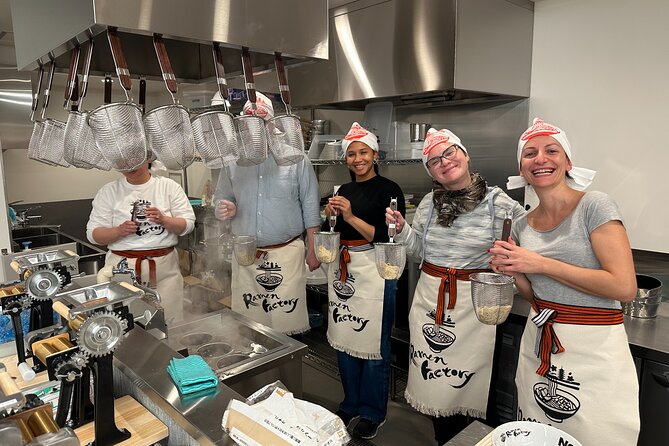
- You make everything from scratch: noodles, soup base, and your chicken garnish
- Soup choices are part of your build: you blend broths and sauces to match your taste
- Instructors help as you go: you’re not stuck figuring it out alone
- Dietary needs are handled: vegetarian, vegan, Muslim-friendly, and gluten-free options are available
- You leave with an omiyage souvenir: pick a T-shirt, ramen bowl, or Japanese apron
Ramen Factory Mt. Fuji: hands-on ramen you can actually recreate
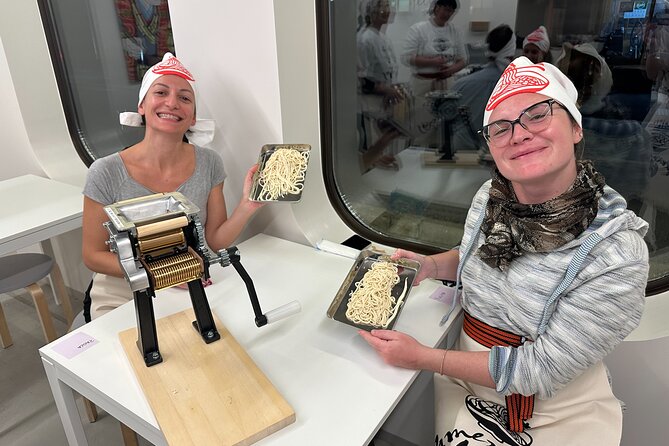
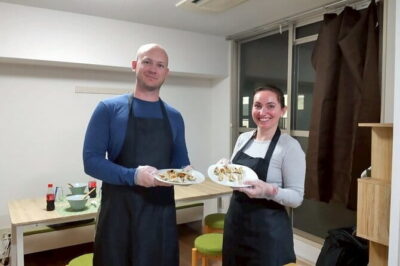
This class is built for people who want more than a tasting or a quick demo. You’re doing the work: handling dough, shaping noodles, and building flavor from the soup side too. The payoff is that your ramen tastes like your choices, not a one-size-fits-all meal.
Ramen Factory bills itself as a place where you create your own ramen from scratch, and the structure is designed to make that happen. You’re not just watching a chef. You’re the one tying the chicken garnish, cooking it, and then slicing it your way.
And because the group is limited, you’re less likely to feel like you’re getting separated from instructions. In a place where timing matters, that small group size is a real comfort.
You can also read our reviews of more tours and experiences in Fujikawaguchiko machi.

Before You Go: pick the Mt. Fuji store, not the Kyoto one
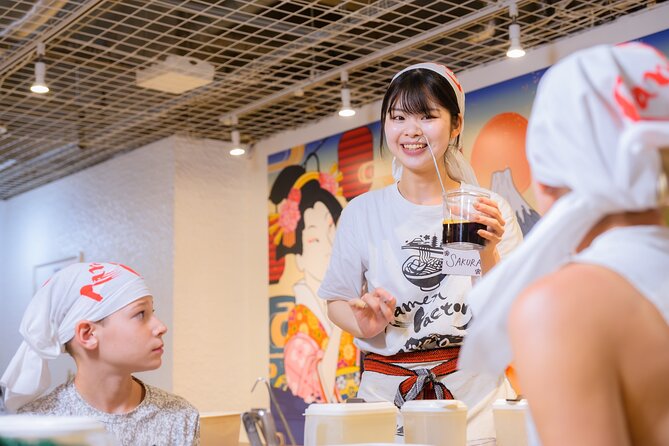
The class you want is at the Ramen Factory Mt. Fuji location in Fujikawaguchiko. The company notes you should avoid mixing it up with their Kyoto store, so double-check the address and booking details before you head out.
Your meeting point is:
Ramen Factory Mt.Fuji 3487-15 Funatsu, Fujikawaguchiko, Minamitsuru District, Yamanashi 401-0301, Japan.
They also say it’s near public transportation, which is helpful if you’re staying anywhere around Lake Kawaguchi. Plan to arrive a bit early so you can get settled before cooking starts.
One practical plus: you get a mobile ticket, which makes day-of check-in straightforward.
The 90-minute flow: noodles first, then soup and garnish
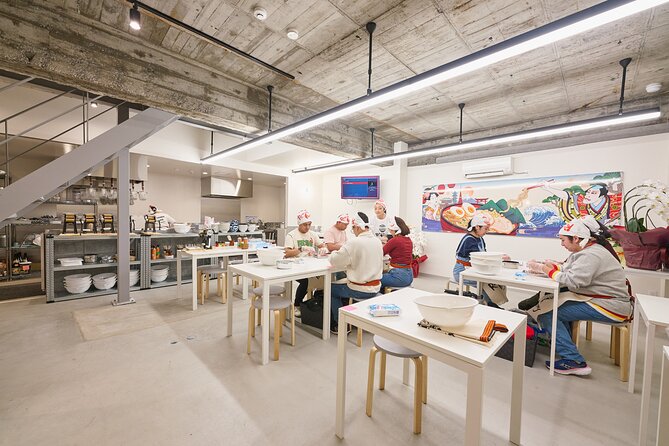
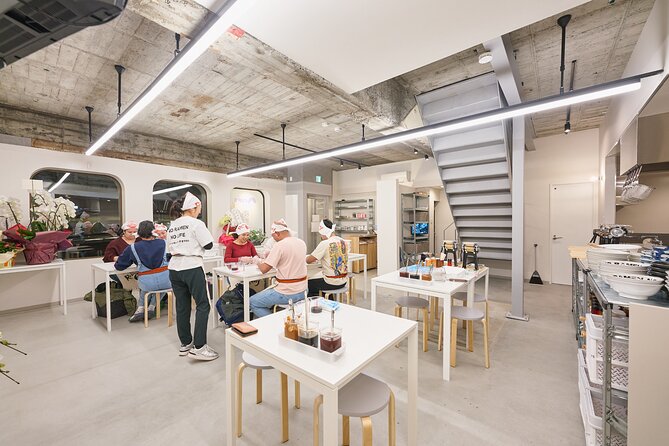
This is an all-inclusive class, and the best way to think of it is as a guided production line. You’ll move through sections that cover the core parts of ramen: noodles, soup, and toppings.
Making the noodles (the part that feels like cooking, not watching)
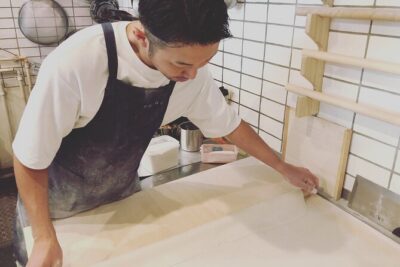
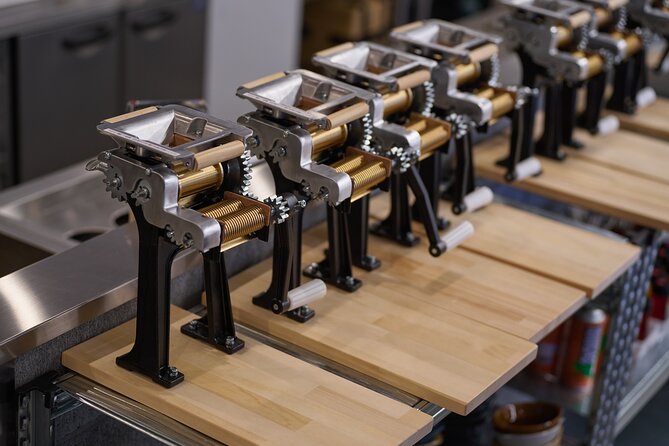
You start with noodle dough. That means kneading flour, rolling it out, and cutting it into shapes. Then you boil the noodles, drain them, and keep going without losing momentum.
What makes this section valuable is that it teaches you the ramen basics in a hands-on way. You’ll feel the dough texture as you knead, and you’ll see how shaping affects how the noodles end up in the bowl. Even if you don’t cook at home often, you’ll likely leave with a mental checklist you can repeat later.
The chicken garnish (yes, you handle the prep)
Next comes the chicken component. You’ll tie the chicken with string, add condiments, cook it, and then slice it as desired.
This matters because ramen is often described as broth first, but the garnish is part of the balance. You learn how flavors and cooking steps translate into what ends up on your spoon. It also gives you something concrete to do while the rest of the kitchen rhythm carries forward.
Building the soup (this is where personalization happens)
After the noodles and garnish prep, you move into soup-building. You’ll choose from various broths and sauces, then blend them for your bowl.
That step turns the class from a single recipe into a custom ramen session. If you like a richer taste, you can aim your blend that way. If you prefer something milder or more savory, you can steer your mix with the sauces you pick.
Putting it all together (boiled noodles into your chosen soup)
Finally, you assemble. Boiled noodles go into the soup, toppings get added, and your dish is ready.
This is the moment where the whole process clicks. You go from separate components (dough, garnish, soup base) to a finished ramen bowl you can eat immediately.
Broth choices and toppings: how to get flavor that fits you
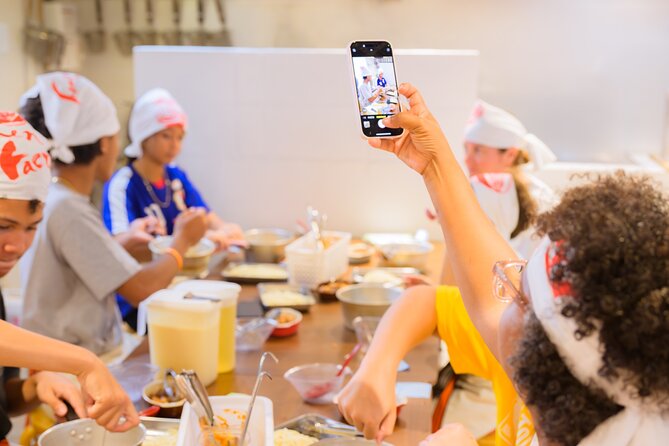
The class offers multiple broth and sauce options, and you blend them to create your final bowl. That’s important because different ramen styles rely on different layers of taste.
When you’re choosing, think about how you want your bowl to feel:
- If you want comfort, lean toward richer blends
- If you want lighter flavor, choose sauces that don’t overpower the broth
- If you like a stronger finish, pick toppings and sauce combos that add contrast
Even if you’re unsure, you’ll have instructors there if you need help. The whole setup is designed so you’re not stuck second-guessing every step.
One extra tip: take a moment before you blend to picture your ideal bowl. Once you start mixing, you’ll commit to that direction, and you’ll be happier with the result.
Dietary needs in the real world: tofu, Muslim-friendly options, and gluten-free
This class says it can accommodate dietary needs such as vegetarian, vegan, gluten-free, and Muslim-friendly options. The key is that you need to indicate your dietary requirements at booking.
They also mention tofu as a vegetarian or vegan option, but it needs advance notice. So if you’re going plant-based, don’t wait until the day of to ask.
This is one of the stronger points for value and comfort. A ramen class can easily become frustrating if your options are limited. Here, the process is structured to keep you in the cooking loop rather than sending you to the sidelines.
If you have specific restrictions beyond the listed categories, you should still submit them during booking so the team has time to prepare.
The meal side: tastings plus lunch and dinner
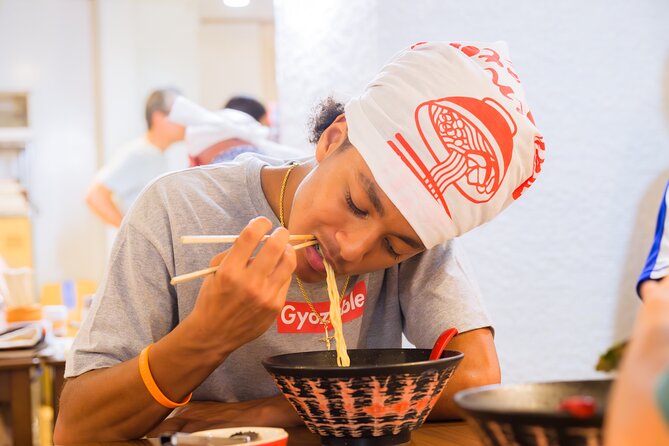
This experience isn’t only about cooking. It also includes food tasting, lunch, and dinner. That’s a big reason the price can make sense, especially in a tourism area where meals add up fast.
From a practical standpoint, the included meals mean you don’t need to plan separate eating around the class. You can focus on cooking and tasting what’s in front of you rather than trying to solve dinner logistics later.
And because you’re eating what you helped make (or at least build toward), the flavors feel personal. It turns the whole day into more than a one-and-done activity.
Souvenir omiyage: choose your take-home item
You get a gift omiyage, and you choose one option: a T-shirt, a ramen bowl, or a Japanese apron.
This is more than a cheap souvenir. It’s a reminder that you did the work, not just sampled it. If you’ve ever bought a magnet after a class, this is a better trade because it’s useful (especially the bowl or apron) and fits the ramen theme.
Pick what you’ll actually use. If you cook or host, the bowl or apron is a good pick. If you want a wearable memory, go with the T-shirt.
Price and value: what $141.56 buys you
At $141.56 per person, this isn’t a budget-only activity. But you’re paying for multiple layers:
- A guided, hands-on class (90 minutes)
- Included meals: food tasting, lunch, and dinner
- All fees and taxes
- A small group setup (max 18)
- A take-home souvenir
When you compare it to doing a cooking class plus paying for meals separately, the math often looks better. You’re not just buying instruction. You’re buying food, time with an instructor, and the ability to make components of ramen from scratch.
The one cost factor to watch is transportation. Since transportation isn’t included, your total day budget depends on where you’re starting from and how you’ll get to Fujikawaguchiko. If you’re already nearby, this class can be a strong way to turn a meal plan into a memorable activity.
Who should book this ramen class, and who might pass
You’ll likely love it if you want:
- A hands-on cooking experience in Japan with real output
- A class that supports multiple dietary needs (with advance notice)
- Clear instruction and a small-group feel
- A ramen souvenir you’ll actually bring home
It may not be ideal if you:
- Want a slow, meandering cooking session with lots of free time
- Have tight timing where getting to the meeting point is hard
- Are looking for pure sightseeing instead of kitchen work
Still, if you’re visiting the Mt. Fuji area and want something practical, food-focused, and genuinely interactive, this fits the bill.
Should you book the Ramen Cooking Class at Ramen Factory Mt. Fuji?
If you like the idea of learning ramen by doing it—kneading, shaping, blending, and assembling—then yes, book it. The format is built to get you through the full ramen loop, and the included meals plus souvenir add real weight to the price.
Do it especially if you care about dietary accommodations and want to stay involved in the cooking process. Just be sure you’re booking the Mt. Fuji store, not Kyoto, and that you’ve listed dietary needs during booking so they can prepare the tofu or other options.
Bottom line: this is one of the better ways to spend time around Lake Kawaguchi if your goal is to come home with both great food and a skill you can try again.
FAQ
Where does the class meet?
The meeting point is Ramen Factory Mt.Fuji 3487-15 Funatsu, Fujikawaguchiko, Minamitsuru District, Yamanashi 401-0301, Japan.
How long is the ramen cooking class?
The duration is about 1 hour 30 minutes.
What is the price per person?
The price is $141.56 per person.
What’s included in the experience?
It includes a tour escort/host, all fees and taxes, food tasting, lunch, and dinner.
Is transportation included?
No. Transportation is not included.
Is the group size limited?
Yes, the class has a maximum of 18 travelers.
Can I request dietary accommodations?
Yes. They can accommodate vegetarian, vegan, gluten-free, and Muslim-friendly options if you indicate your needs at booking.
Is tofu available for vegetarian or vegan diners?
Yes, tofu is offered as a vegetarian or vegan option, with advance notice.
What souvenir do I get?
You can choose one omiyage item: a T-shirt, ramen bowl, or Japanese apron.
What is the cancellation policy?
You can cancel for a full refund up to 24 hours before the experience starts. If you cancel less than 24 hours before, it won’t be refunded.