REVIEW · KYOTO
Kyoto Ramen Bowl Painting and Michelin Cooking Class
Book on Viator →Operated by 無双心ラーメンアカデミー · Bookable on Viator
If you love ramen, this is a fun way in. The Kyoto Musoshin Ramen Academy teaches you how to make Michelin-starred ramen in a real ramen-restaurant workshop, then gives you bowl painting time so you leave with something personal. I really liked getting hands-on with ingredients and technique, and I also enjoyed the creative bowl part that turns dinner into a souvenir you can use.
The only real catch to know up front: the class is about 1 hour 30 minutes, so you’re not getting a long, slow food tour. You’ll move fast, cook, eat, paint, and plan for the baked bowl pickup later.
In This Review
- What Makes This Experience Feel Different
- Key Highlights You’ll Actually Notice
- Kyoto Temple Stops: A Quick Hit Before You Cook
- Meeting Point and Group Size: Why Small Matters for Cooking
- Chef Shin’s Michelin-Style Ramen Workshop: What You Actually Make
- Where your ingredients come from (and why it matters)
- Vegetarian and vegan ramen swaps
- What you do after cooking
- Kinds of Questions You’ll Want to Ask in the Class
- Ramen Bowl Painting on the Second Floor: Your Souvenir Comes to Life
- The free upgrade: bake it, then pick it up later
- Taking Home the Extras: Bandana Plus Bowl
- Price and Value: Is $78.18 Worth It?
- Who This Is For (and Who Might Skip It)
- Should You Book This Kyoto Ramen Bowl Painting Class?
- FAQ
- How long is the Kyoto ramen workshop?
- What does the class include?
- Where is the meeting point?
- Is there a limit on group size?
- Can the ramen be made vegetarian or vegan?
- Where do the ramen ingredients come from?
- Can I take my painted bowl home?
- What is the free option for the bowl after painting?
- Do I get a souvenir besides the bowl?
- What is the cancellation policy?
What Makes This Experience Feel Different
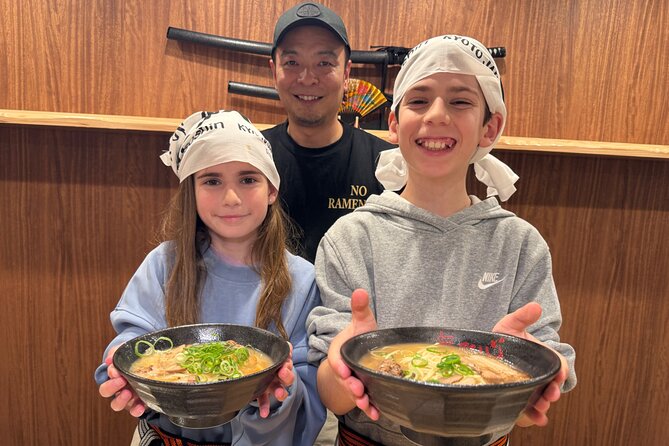
What you get here isn’t just a cooking demo. You’re working in the academy run by Musoshin Ramen, and the ingredients you cook with come from their nearby Musoshin Gion shop, made the day before. Chef Shin runs the class, and the tone is friendly and practical, with lots of room to ask how and why each step works.
And if you eat vegetarian or vegan, you can swap the ramen to match. That matters, because it’s not just a token adjustment. It’s built into the workshop.
Key Highlights You’ll Actually Notice
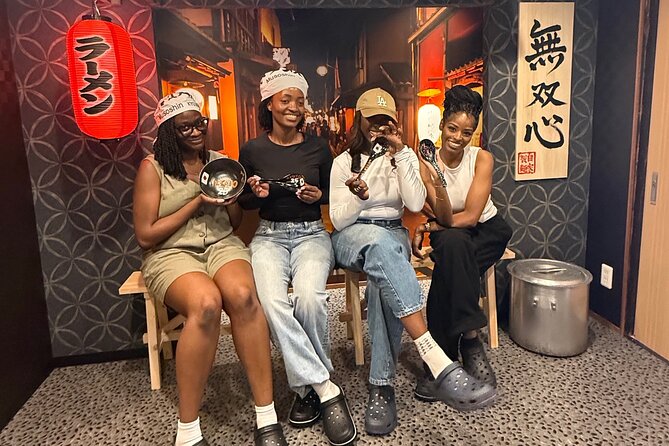
- Michelin-starred ramen in a working ramen academy with chef instruction
- Ingredients arrive from Musoshin Gion, made by the chef the day before
- Vegetarian and vegan ramen available as part of the workshop options
- Paint your bowl on-site, then bake it later for a take-home result
- Small group size (max 12), which keeps the class interactive
- You leave with a bandana souvenir plus your finished bowl
You can also read our reviews of more tours and experiences in Kyoto.

Kyoto Temple Stops: A Quick Hit Before You Cook
This experience mixes Kyoto sight points with a hands-on food session, and the pacing keeps it focused. Your day includes three temple stops: Kiyomizu-dera, Kennin-ji, and Sanjusangendo. All three are well-known, but they’re different enough that your eyes don’t get bored.
Kiyomizu-dera is the one most people picture first in Kyoto. You’ll have the chance to take in the temple setting and the classic views from the area around it. It’s also a good way to get your bearings in the Higashiyama side of town before you shift into food mode.
Then you move to Kennin-ji. This stop tends to feel calmer and more grounded. It’s a chance to slow your thoughts down a notch, especially if you’ve been hopping trains and walking a lot. The value here is simple: it gives context to the Kyoto you’re stepping into, not just the famous photo spots.
Sanjusangendo rounds things out. The big reason this stop works in a mixed itinerary is that it helps break up what could otherwise be a straight cooking schedule. You’re reminded that Kyoto isn’t only about food. Food is the main event, but the temples keep the trip feeling like Kyoto, not a class that just happens to be in Kyoto.
Small consideration: because your time is limited (about 90 minutes total), you’ll be doing a “see and move” style of visit, not a slow wander. Wear shoes you’re comfortable walking in, and be ready to stay on schedule.
Meeting Point and Group Size: Why Small Matters for Cooking
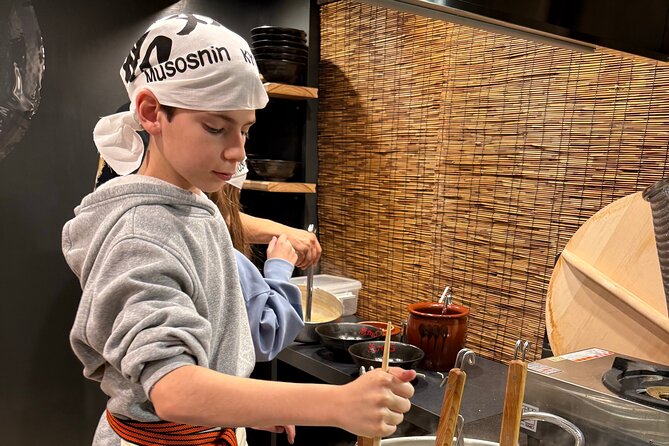
You meet at 440-5 Nishigomonchō, Higashiyama Ward, Kyoto, 605-0816. The listing notes it’s near public transportation, which is exactly what you want in Kyoto. Getting there shouldn’t be the hard part.
Group size is capped at 12 travelers. That’s a big deal for a cooking class. With a smaller group, you’re more likely to get help when you need it, and you’re not stuck watching while everyone else gets the attention. I like classes where you can ask a question and actually get an answer in time.
Also, you’ll receive a mobile ticket, which makes it easier to manage last-minute schedule changes and keep your phone handy.
Chef Shin’s Michelin-Style Ramen Workshop: What You Actually Make
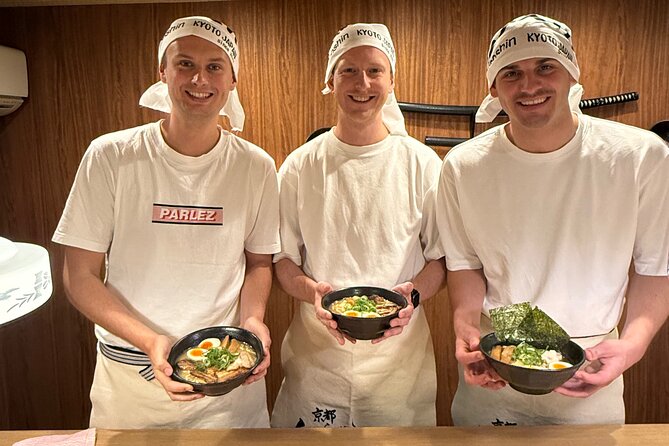
The heart of the experience is the ramen workshop itself, run by Musoshin Ramen. They describe it as a ramen academy, and that’s the right mental picture. You aren’t in a food theater. You’re learning in a setup that feels like it belongs to a restaurant that takes ramen seriously.
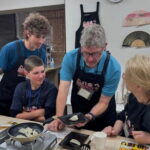
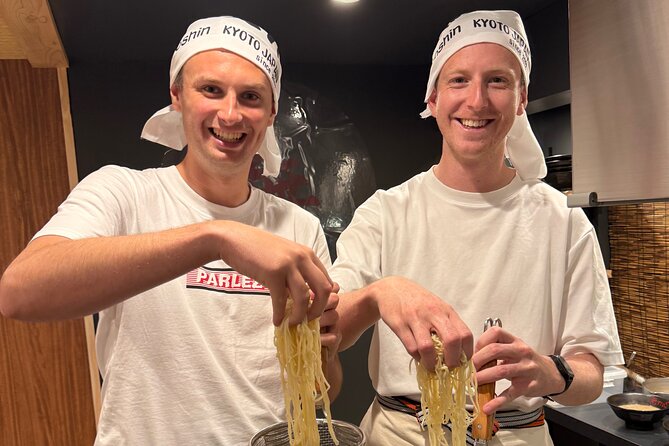
On the first floor, a chef instructs customers to make their own Michelin-starred ramen. That means you’re not just assembling components and calling it a day. You’re working through the process, with guidance as you go.
Where your ingredients come from (and why it matters)
Here’s one of the smartest details in the whole plan: the ingredients you cook with are brought from the nearby Musoshin Gion store, and they’re the ramen ingredients made by the chef the day before. That reduces the usual cooking-class stress of working with weirdly assembled, last-minute ingredients.
For you, it translates into better results. When ingredients are prepped properly, your cooking steps are more likely to land where they should. It also makes the experience feel legit, not like a simplified version meant only for tourists.

Vegetarian and vegan ramen swaps
Musoshin Ramen Academy is clear about this: ramen can be changed to vegetarian or vegan. This is a big reason I’d recommend it to people who prefer plant-based meals but still want authentic ramen technique. You can still participate fully, instead of sitting out parts of the workshop.
What you do after cooking
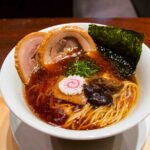
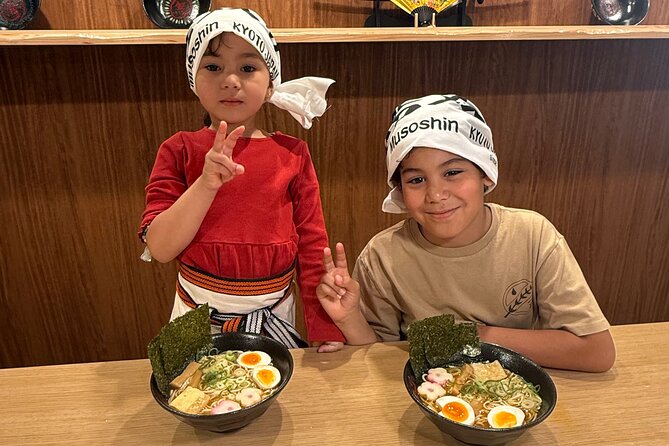
Once you finish cooking, you enjoy the ramen you made yourself. Eating what you just made is one of those things that sounds obvious until you’ve had cooking classes where the meal feels separate from the work. Here, it’s the payoff.
Kinds of Questions You’ll Want to Ask in the Class
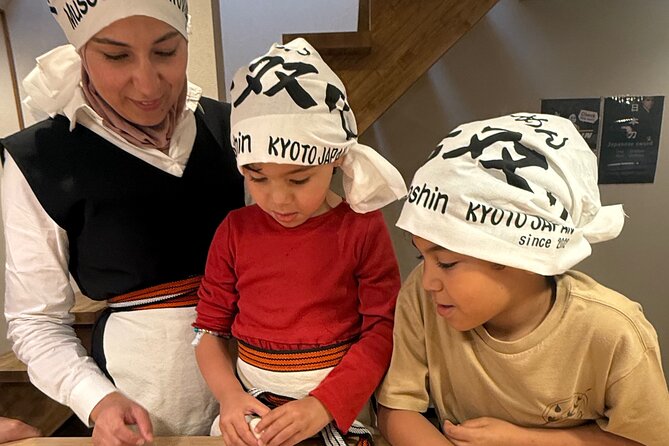
One theme from the experience feedback is that chef Shin doesn’t just run the room. He’s friendly and takes time with questions. If you’re the type who likes to learn the logic behind cooking, this is where you’ll feel at home.
Before you start, it helps to think about what you want to understand. For example:
- how ingredient choices affect flavor and texture
- what steps matter most for the final bowl
- how ramen components fit together as a recipe, not a set of random parts
If you ask direct, specific questions while you’re cooking, you’ll get more out of the 90-minute window.
Ramen Bowl Painting on the Second Floor: Your Souvenir Comes to Life
After the ramen cooking portion, you head to the second floor to paint your ramen bowl. This is the creative section, and it’s genuinely fun because it turns the class into something visual you’ll remember every time you eat.
You’ll paint your bowl while you’re there, and then you can take it home as it is. That’s the simple option.
The free upgrade: bake it, then pick it up later
There’s also a free option that I think most people will want: you can put the painted bowl into a special oven to bake it. With this option, you take your original bowl home as a souvenir to use later, and you’ll pick up the baked bowl the next morning or later.
Important practical note: this turns the experience into a two-day thing for your bowl. You’ll want to plan your Kyoto schedule so you’re around to retrieve it at the agreed time. If your trip is very tight and you’re flying out the next morning, consider whether that pickup window will fit.
If you love practical souvenirs, this is a rare one. It’s not just a photo. It’s something you can actually use.
Taking Home the Extras: Bandana Plus Bowl
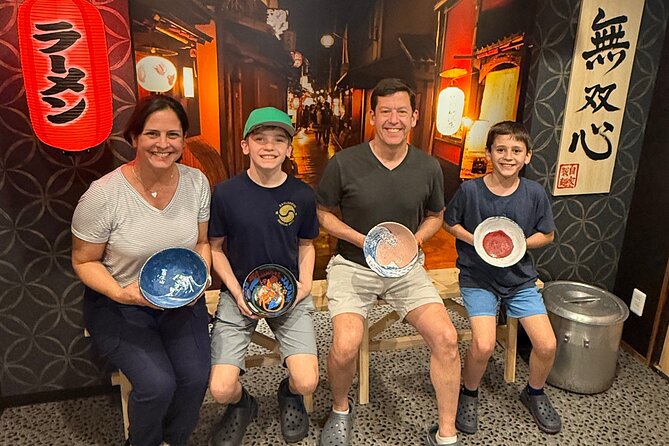
You receive a bandana as a souvenir, which is a nice touch because it ties into ramen culture in a tangible way. Beyond that, the painted bowl is the main keepsake, with two possible outcomes depending on whether you choose the baking step.
I like experiences where the takeaway doesn’t end up in a drawer. A ramen bowl that you can use for meals again and again is a better souvenir than most “take-home” items.
Price and Value: Is $78.18 Worth It?
At $78.18 per person, this isn’t a cheap snack-class price. But for Kyoto, it can still feel reasonable because you’re paying for several things at once: chef-led cooking instruction, access to Michelin-starred ramen recipe methods, and an included bowl painting session with optional baking.
Here’s how I’d judge value before you book:
- You’re not paying for a demo only. You cook and eat your own ramen.
- Ingredients are prepared in advance at Musoshin Gion, which helps the quality of what you make.
- You get an extra souvenir experience (painting + bandana), not just a meal.
- The class is capped at 12 people, which usually improves the quality of interaction.
The main reason it might not be worth it for you is if you only want temples and don’t care about hands-on cooking. If ramen is a top priority, the price starts making more sense because the experience is built around ramen twice: once in the bowl, and once in the art.
Who This Is For (and Who Might Skip It)
This experience is a strong fit if:
- ramen is a must-eat item for you in Kyoto
- you want a real class with actual cooking steps
- you like practical souvenirs you can use later
- you need vegetarian or vegan options that are part of the plan
It might be less perfect if:
- you want a long, slow cultural walk through Kyoto
- you have very limited time and hate anything that creates an extra pickup task
- you prefer watching over doing
Should You Book This Kyoto Ramen Bowl Painting Class?
I’d book it if ramen is your food mission. The combination of chef-led Michelin-style ramen making and the bowl painting adds up to more than a normal meal. You also get the advantage of prepped ingredients from Musoshin Gion, plus the comfort of a small group and a friendly chef, Shin, who answers questions and makes the workshop feel personal.
Before booking, just decide whether you can work around the baked bowl pickup the next morning (or later). If you’re flexible, it’s a great way to leave Kyoto with both knowledge and something you’ll use at home.
FAQ
How long is the Kyoto ramen workshop?
The duration is about 1 hour 30 minutes.
What does the class include?
You’ll learn how to make Michelin-starred ramen with chef instruction, enjoy the ramen you made, paint your ramen bowl, and receive a bandana souvenir.
Where is the meeting point?
You meet at 440-5 Nishigomonchō, Higashiyama Ward, Kyoto, 605-0816, Japan.
Is there a limit on group size?
Yes, the group size is capped at a maximum of 12 travelers.
Can the ramen be made vegetarian or vegan?
Yes. The ramen can be changed to vegetarian or vegan.
Where do the ramen ingredients come from?
The ingredients are brought from Musoshin Gion, and they are the ingredients made by the chef the day before.
Can I take my painted bowl home?
Yes. You can take the painted bowl home as it is.
What is the free option for the bowl after painting?
You can also put your painted bowl in a special oven to bake it. You would pick up the baked bowl the next morning or later.
Do I get a souvenir besides the bowl?
Yes. You receive a bandana as a souvenir.
What is the cancellation policy?
Free cancellation is available. You can cancel up to 24 hours in advance for a full refund. If you cancel less than 24 hours before the start time, the amount paid will not be refunded.