REVIEW · MATSUMOTO
Matsumoto Castle Tour & Soba Noodle Making Workshop
Book on GetYourGuide →Operated by Matsumoto Experience · Bookable on GetYourGuide
Matsumoto Castle and soba in one tight, memorable package. You start with a guided walk at Matsumoto Castle, a rare survivor of Japan’s castle history, then you switch gears and make noodles by hand at a soba-making workshop. Two things I really like about this setup are how it pairs major sightseeing with a practical cooking skill, and how the guide keeps it understandable in English while explaining what matters.
The main consideration is physical: the castle has steep, narrow stairs to reach the tower area, and the tour isn’t suitable for wheelchair users or pregnant women. Also, your soba portion is shared because the workshop requires a minimum amount of dough.
In This Review
- Key Highlights at a Glance
- Matsumoto Castle Tower Time: What You’ll Notice First
- The Soba Workshop: From Video Introduction to Cutting Your Own Noodles
- Lunch From Your Own Work: Hot or Chilled Soba and What You Get
- Price and Value: Why $92 Can Make Sense for This Mix
- Timing That Works: How the 3 Hours Usually Feels on Foot
- Who Should Book (And Who Might Sit This One Out)
- Practical Tips Before You Go
- Should You Book the Matsumoto Castle and Soba Workshop?
- FAQ
- Where do I meet for the tour?
- How long is the experience?
- Is the tour guided in English?
- What’s included in the price?
- What do I make and eat during the workshop?
- Are there vegetarian or vegan options?
- Is this tour accessible for wheelchair users?
- Is the tour suitable for pregnant women?
- How much soba is prepared for the group?
Key Highlights at a Glance
- Matsumoto Castle National Treasure focus: you see why the structure is so well preserved and historically significant
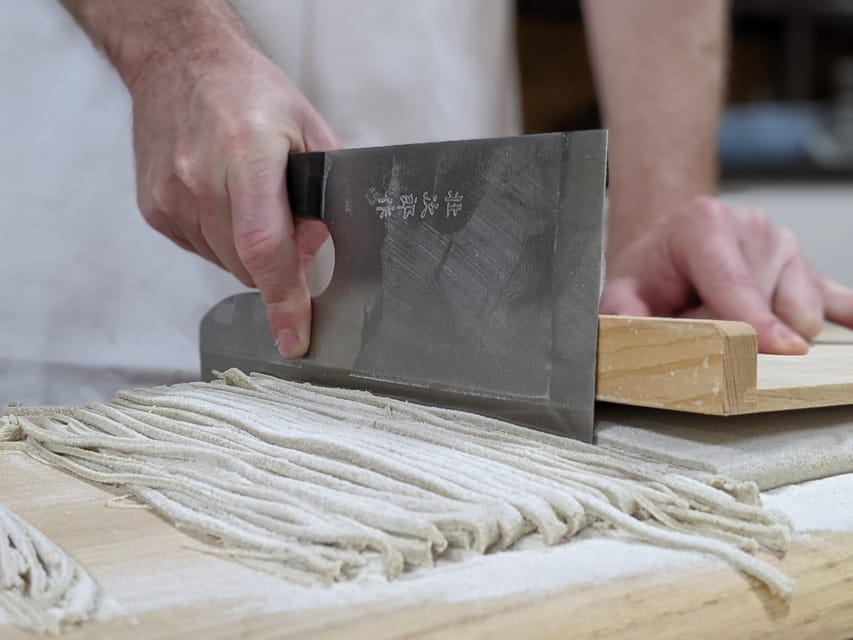
- Hands-on soba from dough to cutting: learn the process, then taste what you made
- A real soba master’s guidance: you’re not just watching; you’re using the tools and doing the steps
- Lunch made from your noodles: your dough work turns into a meal at the end
- Small, shared servings: the minimum dough requirement means a shared serving (typically for 2–3 people)
- English-guided storytelling: you get context, not just directions—guides like Tom are known for sharing area stories
Matsumoto Castle Tower Time: What You’ll Notice First
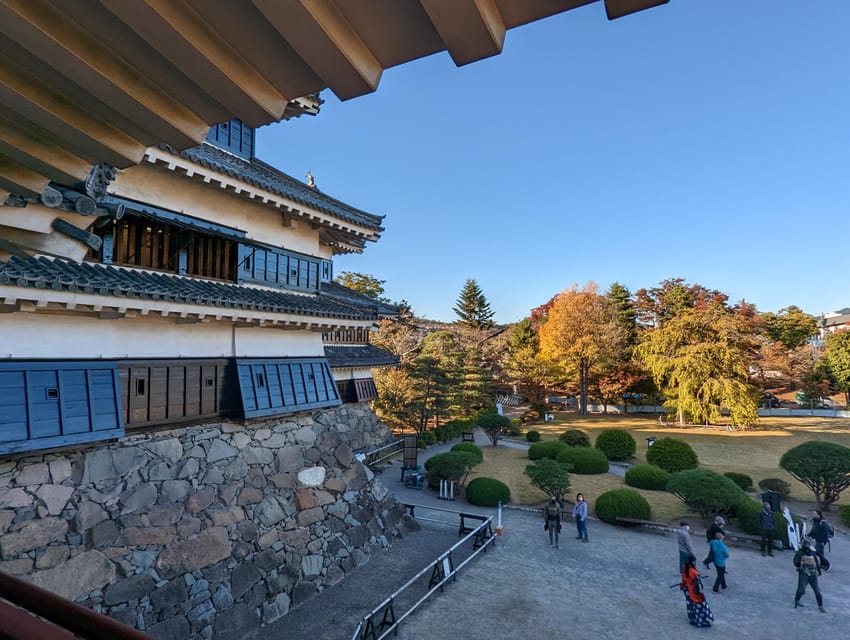
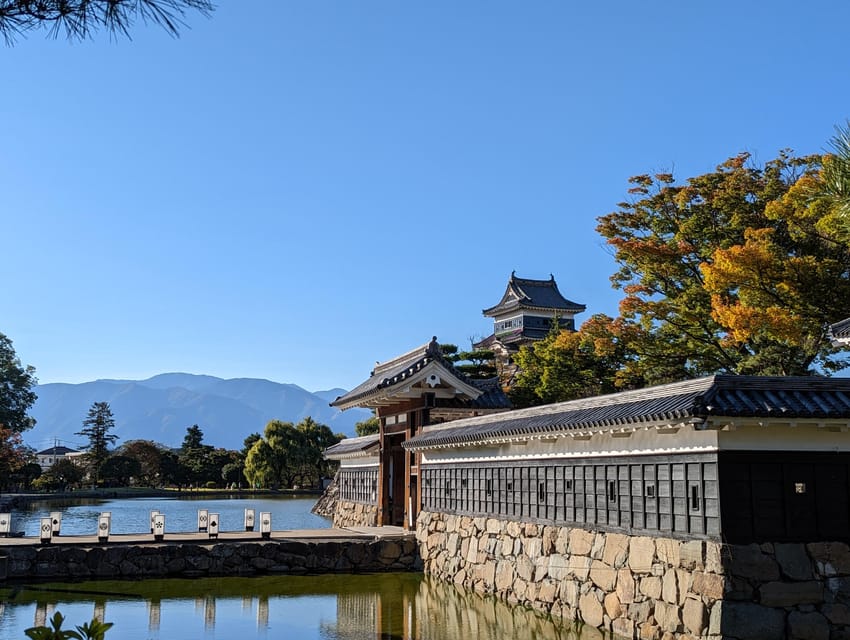
This tour starts where Matsumoto itself shows its backbone: Matsumoto Castle. You meet right outside the main gate, near the paid ticket area, so there’s no mystery about where to go. From there, the guided portion lasts about 90 minutes, and it’s designed for seeing the castle as more than a photo stop.
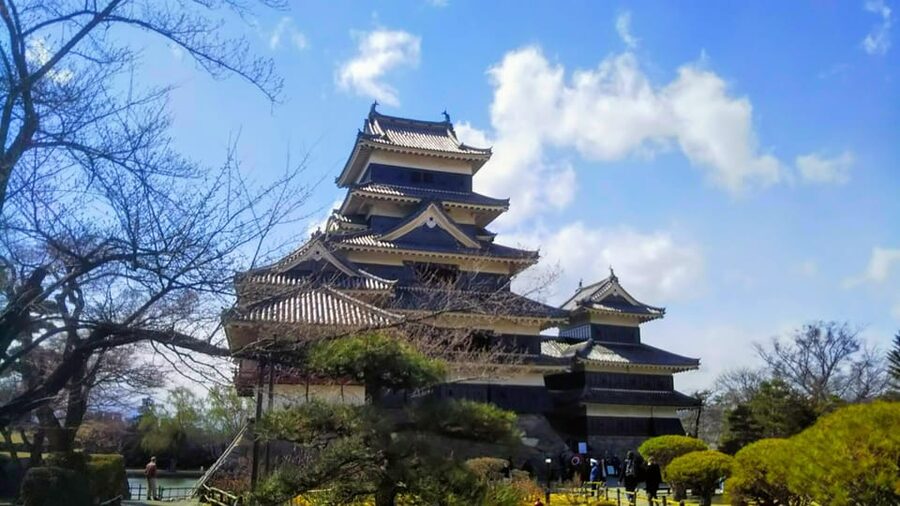
The castle is listed as a National Treasure of Japan, and the key word here is original structure. That matters because you’re not just looking at a modern imitation. You’re walking through a preserved piece of Japan’s castle legacy—one of the oldest original castles still standing. In plain terms, the architecture is the “story,” and your guide helps you read it.
Even if you’re not a castle super-fan, this is one of those experiences where your brain starts making connections: why castles were built the way they were, how the layout supports defense, and how the design still comes through today. A good guide also keeps you moving at a steady pace so you can see the main features without feeling rushed.
One heads-up: the tower area involves steep, narrow stairs. If you’re even slightly unsure about stairs, you’ll want to decide early whether you’ll push up to the top. The good news is you’re not asked to do anything risky—just be honest about your comfort level. And because the tour isn’t suitable for wheelchair users, it’s built around walking routes and stairs.
You can also read our reviews of more tours and experiences in Matsumoto.
The Soba Workshop: From Video Introduction to Cutting Your Own Noodles
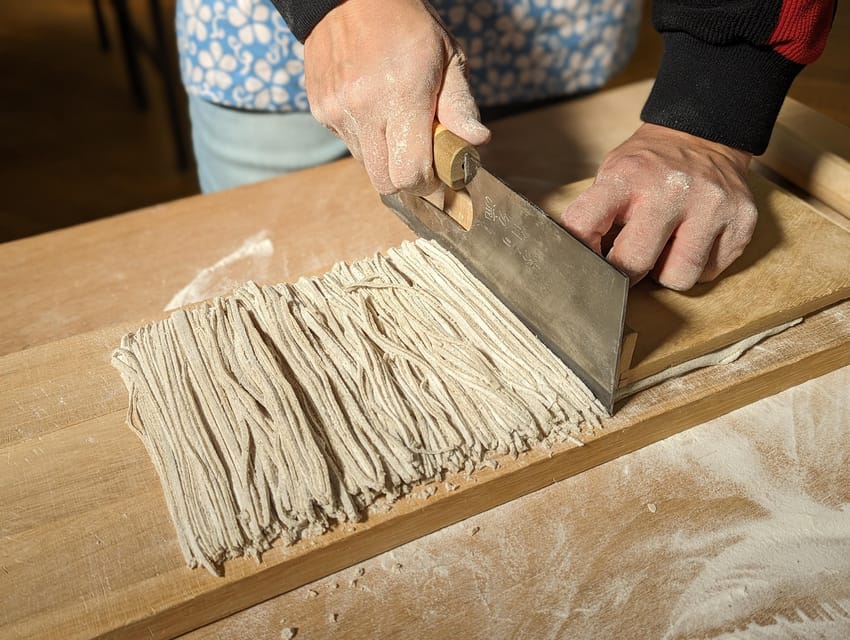
After the castle, you shift into a hands-on food lesson. The soba-making session is about 60 minutes, and it’s structured like a mini apprenticeship. First, you watch a short introduction video that explains what soba is and what steps come next. Then you move into the work with a local expert guiding you from start to finish.
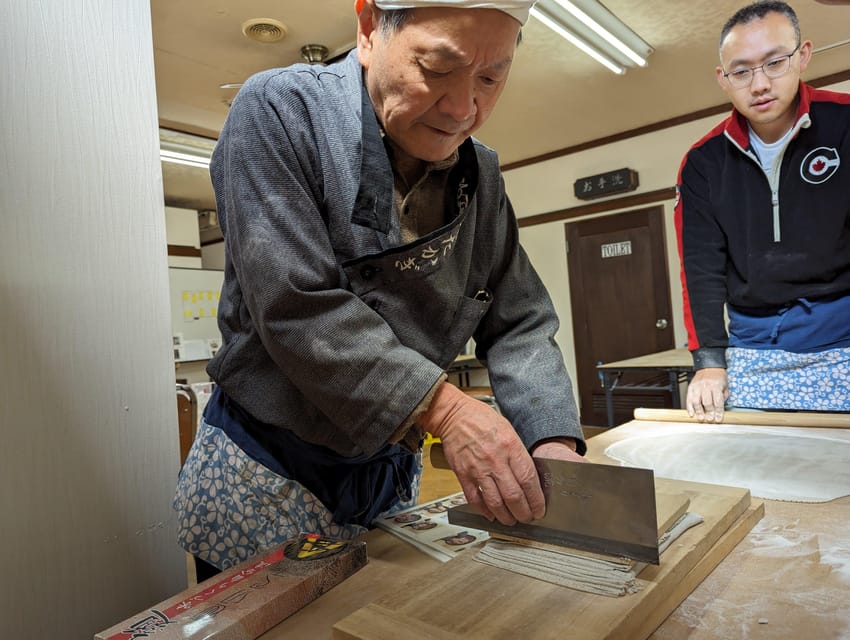
What makes this more than a cooking class is the full sequence. You learn the basics, you get familiar with authentic soba-making tools, and you work through the key moments: preparing the dough and then cutting the noodles. That order is important. Soba isn’t just “roll and cut.” The way the dough is handled affects the final feel of the noodles.
The pacing also helps. Instead of dumping a lot of technique at once, you’re taught step-by-step. You’ll be guided in the actual actions, not just told what should happen. In one of the reviews I read, the chef was clearly practiced and helped with each step—exactly what you want when you’re trying something new.
Another practical detail: there’s a minimum of 500 grams required for soba prep. So the workshop includes a shared serving appropriate for 2 or 3 people. That’s good value (you’re not being charged for personal portions), but it does mean you shouldn’t expect a big, one-person meal made only for you. Plan on sharing, then enjoying the experience of eating what you made.
And yes, you’re expected to actively participate. You’re not there to observe from the sidelines while someone else does the fun part. That hands-on element is where the tour earns its rating.
Lunch From Your Own Work: Hot or Chilled Soba and What You Get
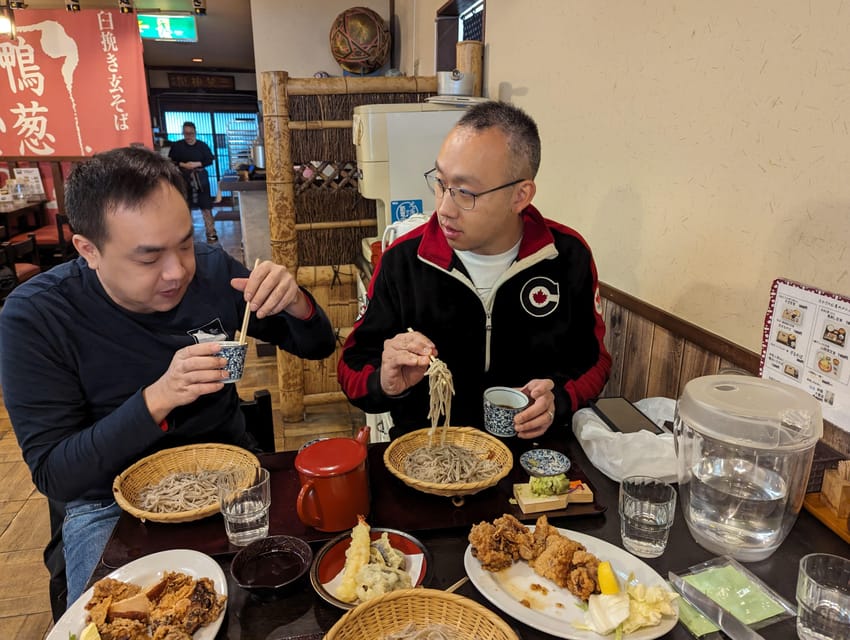
Once the noodles are cut, you head to the restaurant part of the experience—this is where your effort turns into lunch. A soba master cooks the soba that you made yourself. That’s the important twist: you don’t just take raw noodles home, and you’re not relying on a pre-made dish.
The meal can come in different forms, including hot or chilled soba. You may also have it with tempura or other side dishes, depending on what’s served that day. Since the tour includes a tasting of your noodles plus one extra dish, you’re getting more than a plain bowl and a small bite.
Here’s the fairness point: the tour doesn’t list drinks or all possible snacks as included. The information you’re given also flags that other items like oyaki or extra snacks aren’t part of the package. That’s normal for Japan food experiences—you can usually add extras if you want, but don’t count on them being included.
Still, the included lunch is a strong payoff. The moment you taste noodles made through your own hands is hard to replicate with a standard guided tour. It’s the “I get it now” feeling, because you can finally connect the technique you learned with the texture you’re eating.
If you’re traveling as a family, this kind of meal is a winner because different people can enjoy different aspects: the adults get the technique lesson, and everyone gets a hands-on story for the table. If you’re traveling solo, it’s also a good choice because the workshop naturally creates conversation while you work.
Price and Value: Why $92 Can Make Sense for This Mix
At $92 per person for a roughly 3-hour experience, you’re paying for a very specific bundle:
- Guided visit with admission to Matsumoto Castle
- English-speaking guidance
- Tools and instruction for soba noodle making
- Cooking and tasting of your noodles with an extra dish
If you tried to build this yourself, you’d likely spend time coordinating admission, finding a workshop, and paying for instruction separately. The value here is time and structure. In a short window, you get a major sightseeing stop plus a guided food activity that’s hard to recreate without local expertise.
Also, the inclusion of tools and step-by-step support matters. Soba-making tools aren’t something most visitors carry, and “try it on your own” classes can turn into frustrating chaos. Here, the workshop comes with guidance from a soba master and the tools you need to do the process the right way.
The only financial caution is the usual one: extras like additional snacks or drinks may cost extra, and the tour doesn’t include hotel pickup and drop-off. So your real cost is $92 plus your own transport to the meeting point and any added food. The good news is the meeting point is straightforward: outside the main gate area at the castle.
In other words, this price is less about a single attraction ticket and more about packing two strong experiences into one guided block. If you like both history and hands-on food, it’s a smart use of a half-day.
Timing That Works: How the 3 Hours Usually Feels on Foot
The experience runs for about 3 hours, with estimated segments: 90 minutes for the castle, 60 minutes for soba-making, and 30 minutes for lunch. Because it’s “estimated,” you should treat the schedule as a guide rather than a stopwatch.
That flexibility is normal for tours that involve stairs, line flow, and hands-on instruction. But it also means you’ll want buffer time for the rest of your day. Don’t schedule something that requires perfect timing immediately after, especially if you’re exploring more around Matsumoto.
Also, the tour can end earlier or later than the stated estimate. So if you’re catching trains or making another reservation right after, give yourself breathing room.
If you’re the type who likes to know how a day will flow, this one is actually predictable in a good way: castle first, then workshop, then lunch. You always know where you are in the arc, and that makes the time feel lighter.
Who Should Book (And Who Might Sit This One Out)
This tour is best for you if you want a blend of real local tradition and active participation. If you like learning by doing—cutting noodles, handling dough, following a step-by-step approach—this will land well.
It’s also a strong family choice. A review I saw described parents and a teenager doing it together and enjoying the process, especially the friendly, knowledgeable guidance. That makes sense: the workshop is hands-on and visual, and the meal is something everyone can evaluate with their taste buds.
You might reconsider if:
- You can’t manage steep, narrow stairs. The castle tower area includes them, and the tour is not suitable for wheelchair users.
- You’re pregnant. The tour data lists it as not suitable.
- You want a fully private, personal meal with no sharing. The minimum dough means shared servings for 2 or 3 people.
If you have dietary needs, the tour offers vegetarian and vegan options upon request. That’s helpful, but it’s still essential that you mention allergies or requirements at booking time so the team can plan the right approach. Don’t wait until the day of.
Practical Tips Before You Go
A few small things will make your day smoother.
- Wear comfortable shoes. You’re walking around the castle and then moving through the restaurant and workshop area.
- Plan around stairs. Even if you don’t go to the tower top, the route includes stairways to access key viewpoints.
- Ask about dietary needs early. Vegetarian/vegan options exist, but you need to request them in advance, along with any allergies.
- Expect sharing for soba. The workshop uses a minimum dough amount, so your lunch portion is shared for the group.
- Skip the assumption that drinks are included. The tour includes soba and one extra dish, but other snacks and drinks are not listed as included.
If you’re the kind of traveler who likes stories, keep an ear open. Some guides are known for adding area context and stories while keeping the English explanations clear. Having a guide who can connect what you’re seeing on the castle grounds to what you’re doing in the workshop makes the experience feel more “local” and less like two separate activities.
Should You Book the Matsumoto Castle and Soba Workshop?
If you’re visiting Matsumoto and you want more than a standard sightseeing loop, I’d say yes, book it—especially if you’re curious about Japanese food and you like learning with your hands. The mix of a National Treasure castle visit plus a guided soba-making session that ends in you eating your own noodles is exactly the kind of trip value that’s hard to replicate on your own.
Pass if stairs are a deal-breaker for you, or if you need wheelchair-friendly access, since the tour isn’t suitable for wheelchair users and the tower climb involves steep, narrow stairs. Also, if you dislike sharing meals, note the shared serving setup tied to the soba minimum amount.
Overall, this is a compact, high-payoff experience: architecture in the first half, noodle craft in the second, and lunch that makes the lesson real.
FAQ
Where do I meet for the tour?
You meet just outside the main gate of Matsumoto Castle, in front of the ticket gate and entrance to the paid admission area.
How long is the experience?
The tour is listed as about 3 hours, with the castle portion about 90 minutes, soba-making about 60 minutes, and lunch about 30 minutes (times are estimates).
Is the tour guided in English?
Yes. The tour includes an English-speaking guide.
What’s included in the price?
Admission and a guided tour of Matsumoto Castle, the soba noodle making workshop, guidance from an experienced soba master, all necessary soba-making tools, and a tasting of your own soba noodles with one extra dish.
What do I make and eat during the workshop?
You make soba noodles from scratch, then the soba master cooks them for you. You eat the soba at lunch, and it may be served hot or chilled with options like tempura or other side dishes.
Are there vegetarian or vegan options?
Vegetarian and vegan options are available upon request. Make sure you tell the provider about dietary requirements when booking.
Is this tour accessible for wheelchair users?
No. The tour is not suitable for wheelchair users, and it includes steep, narrow stairs to reach the top of the castle tower.
Is the tour suitable for pregnant women?
No. The tour is not suitable for pregnant women.
How much soba is prepared for the group?
The experience requires a minimum of 500 grams to prepare soba, and the soba-making portion includes a shared serving suitable for 2 or 3 people.