REVIEW · OSAKA
Cooking Ramen&Gyoza/KatsuCurry/Bento/Okonomiyaki+Store Tour@Osaka
Book on Viator →Operated by Osaka Cooking Base · Bookable on Viator
Three hours can change how you cook. You start near Osaka Tenmangu Shrine with a guided walk through local shops, then move into a small-group lesson with personalized coaching from the team (including teacher Rie) so you can actually nail techniques, not just watch. One possible drawback: if you’re hoping to do full ingredient shopping for the exact dish you pick, the shop time may feel more like a cultural walk than a recipe grocery run.
I like that this isn’t a “sit and sample” class. You choose what you want to cook, you learn in English, and the dishes are designed to be repeatable at home—useful if you want real carry-home skills, not just a meal. It’s also easy to fit into a sightseeing day since it’s built around public transit, a quick walk, and a clear start/end point.
In This Review
- Key things I’d bet you’ll care about
- Tenmangu Shrine shop walk: food culture you can actually picture
- Choose your dish in Osaka: katsu curry, bento, okonomiyaki, and more
- Cooking class in a warm kitchen: what small-group coaching changes
- What you’ll learn (beyond recipes)
- Rie and the instructors: English guidance you can ask questions in
- Location and timing: Tenjinbashi start, easy public transit, and a clean finish
- Cost and value: $85.89 for skill, not just food
- What to bring and how to get the most out of your session
- Who should book this Osaka Cooking Base class
- Should you book this tour?
- FAQ
- How long is the Osaka cooking class and shop walk?
- What dish options can I cook?
- Is the class taught in English?
- Do I get a private group?
- Where does the tour start and end?
- Is it easy to reach using public transportation?
- Does the tour include a guided shop walk?
- What if I have food allergies or dietary restrictions?
- Is this experience weather-dependent?
Key things I’d bet you’ll care about
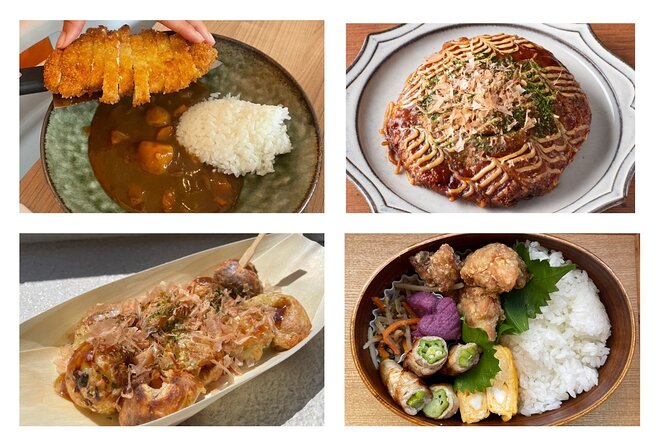
- Tenmangu-area shop walk focused on how locals shop, talk ingredients, and cook day to day
- Small-group teaching in English, with guidance you can ask questions around
- Choose your dish from Osaka favorites like katsu curry, bento, okonomiyaki, plus options referenced as ramen & gyoza or takoyaki (confirm what’s offered on your date)
- A private setup where it’s only your group, not a mixed crowd
- Beginner-friendly recipes that aim to be doable again after your trip
Tenmangu Shrine shop walk: food culture you can actually picture
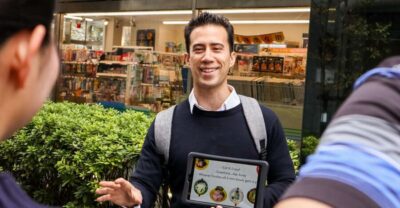
The experience begins with a guided walk through local shops around Tenjinbashi, near Osaka Tenmangu Shrine. This matters more than it sounds, because Japanese food culture isn’t only about the final dish—it’s about the ingredients, the tools, and the way people think about seasonality and quality day to day.
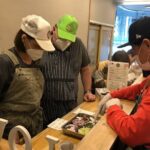
You’ll meet friendly shop owners and get a window into how locals shop and cook. You’re not just passing storefronts for photos. You can ask questions, taste along the way if that’s part of your session flow, and learn what seasonal ingredients mean in real life, not as a vague food-lesson concept.
Two things I like about this part for your trip:
- You learn how Osaka food gets built before you start cooking, so the classroom makes more sense.
- You see everyday shopping habits in a neighborhood setting, not a tourist market script.
Practical note: if your main goal is to buy specific ingredients for your chosen dish, plan for the shop walk to be more about cultural orientation than a full checklist grocery trip. You can still get useful ideas and possibly items along the way, but if you want to control everything precisely, you may need extra time elsewhere afterward.
You can also read our reviews of more tours and experiences in Osaka.
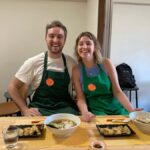
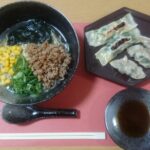
Choose your dish in Osaka: katsu curry, bento, okonomiyaki, and more
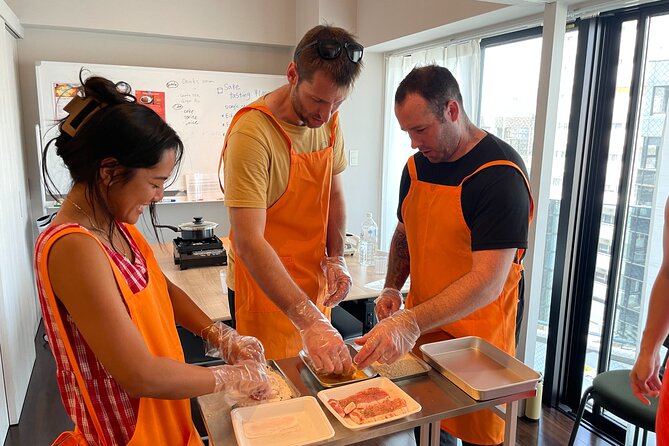
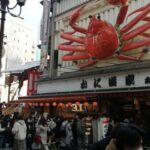
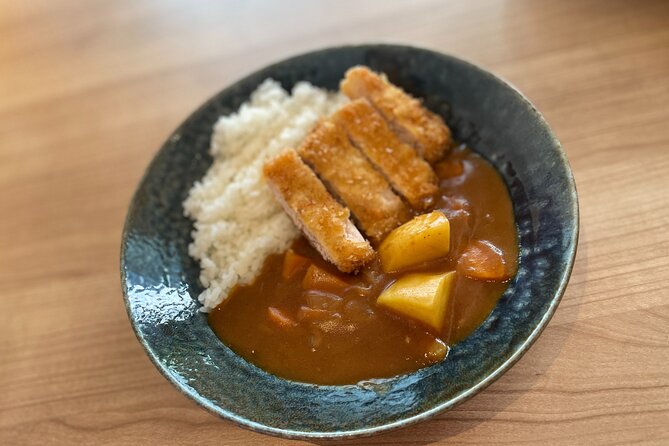
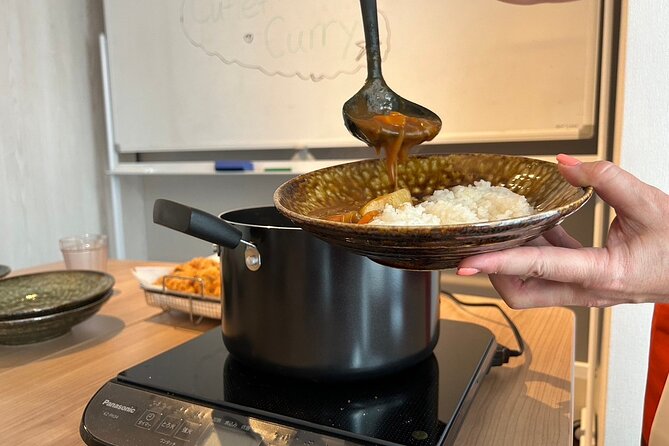
A big reason this class works is choice. Instead of a fixed menu, you pick the dish you want from the options the program lists. The core set includes katsu curry, bento, and okonomiyaki, and the experience description also references options such as ramen & gyoza or takoyaki.
That wording mismatch across materials is a real-life planning point. I’d treat it as a simple homework item: when you book, double-check which exact dishes are available for your date and which one you’ll cook.
Here’s why the option matters to you:
- If you already love one Osaka dish (katsu curry with crispy cutlet, okonomiyaki for savory layering, bento for smart portioning), you’ll cook something that feels familiar.
- If you’re newer to Japanese cooking, picking a dish you can picture at a restaurant makes the techniques easier to follow.
Cooking class in a warm kitchen: what small-group coaching changes
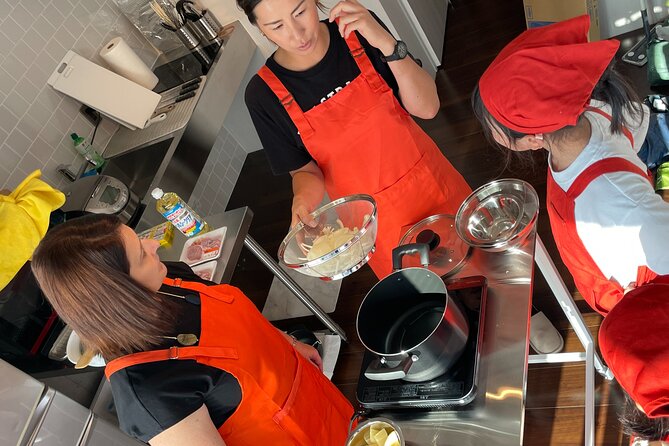
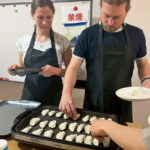
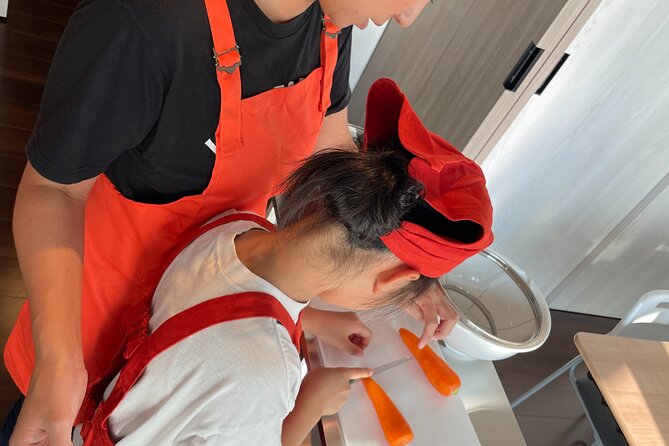
After the shop walk, you head back to the kitchen for the cooking lesson. The total experience runs about 3 hours, with the cooking portion typically around 2.5–3 hours. You’re in a small group, which is where this experience becomes more than “a fun thing to do.”
Small group means you get feedback. Instead of one big demonstration where you copy what you can, you can get nudges on technique—things like how to manage heat, how to handle sauce or seasoning balance, and how to keep the dish from going off-track while you’re cooking.
From the experience details, the class is taught in English, and the recipes are described as beginner-friendly. That’s important if you’re traveling with family or you don’t cook often. You’re not expected to be a kitchen wizard; you’re expected to follow steps and learn the why behind them.
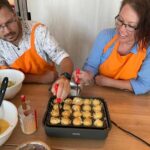
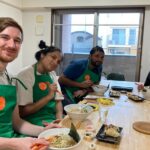
You’ll also experience a social, welcoming kitchen space where travelers and locals can come together through food. One theme that comes through strongly is that the teaching style feels friendly and supportive, not stiff or overly formal. That kind of environment is what turns a “watch me cook” moment into “I can do this at home.”
What you’ll learn (beyond recipes)
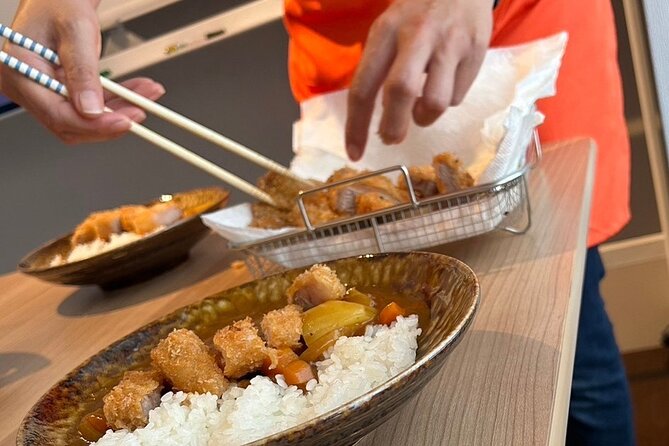
The dishes are the headline, but the real value is the cooking logic behind them. Even when the class focuses on a specific meal, you’re learning transferable skills that apply to your next Japanese cooking attempt.
Here are the practical skill areas your class is likely to cover, based on how the experience is described:
- Ingredient thinking: what makes an ingredient worth using and how seasonality shows up in everyday choices
- Technique control: how heat and timing affect texture (especially for dishes with crisp components)
- Sauce balance: how to avoid overly sweet or too-diluted flavor
- Assembly and portioning: especially relevant for bento-style learning, where neatness and consistency matter
And because it’s set up for you to recreate at home, you’re not only leaving with food. You’re leaving with a method you can repeat.
One of the strengths echoed by past participants is that the class can feel personalized even when you’re with a group. If your dish is something your household will actually eat again, that coaching is the difference between a souvenir meal and a future weeknight win.
Rie and the instructors: English guidance you can ask questions in
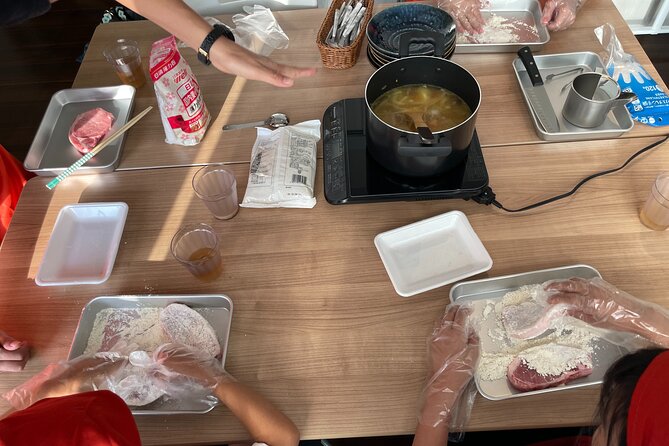
The program’s teaching team includes Rie (mentioned in standout feedback), and the class is taught in English. That sounds basic, but in practice it changes how much you get out of it.
When instruction is clear and questions are welcome, you can correct mistakes immediately. And when you’re cooking a dish with multiple steps—like making a crispy cutlet component or building a savory layered pancake/stack—timing and technique matter.
I also like that the experience feels human. Some sessions are described as involving a warm, local, kitchen-to-table style of interaction. That’s what makes the food taste better, but it’s also what makes the class easier to trust: you’re learning from people who treat these dishes as everyday comfort, not as a performance.

Location and timing: Tenjinbashi start, easy public transit, and a clean finish
You meet at 1-chōme-17-10 Tenjinbashi, Kita Ward, Osaka, 530-0041, Japan, and the activity ends back at the meeting point. That back-to-start design is useful: you’re not stranded in a random part of the city at the end.
The experience is noted as being easily accessible via public transit and near transit. That’s a big deal in Osaka, where subway lines connect well but walking between neighborhoods can still add time. Here, the session is built around a local zone and a walk-to-kitchen flow, so you’re not burning your day in transit.
You should plan for about 3 hours total. Book it earlier in the day if you want room to explore after cooking. Or book it in the middle if you want to replace a restaurant meal with something hands-on and filling.
Cost and value: $85.89 for skill, not just food
The price is $85.89 per person. That’s not a bargain-bin cooking class, but it also doesn’t feel overpriced for what you’re getting: a shop walk with cultural context plus a guided cooking session where you’re actively making a dish.
Here’s how I’d think about value:
- You’re paying for instruction time, ingredient handling, and coaching in a small-group format.
- You’re paying for a choice-based lesson, so you’re cooking a dish you actually want.
- You’re leaving with know-how you can reproduce at home, not only a one-time meal.
If you compare it to doing the same dishes at restaurants, you’ll probably spend less on food alone. But you’d spend zero on technique. This is the trade: pay for a lesson now, cook again later.
One more value point: it’s a private tour/activity where only your group participates. If you’re traveling with family or friends and want a less chaotic, more personal feel, that private setup can justify the cost.
What to bring and how to get the most out of your session
Because the class involves cooking and a local shop walk, go in prepared for the basics:
- Wear comfortable shoes for the walk and kitchen standing time.
- Bring a curious mindset. Ask about ingredients and how they’re used in Osaka.
- If you have food allergies or dietary restrictions, consult with the team in advance. The experience notes you should do this beforehand.
Also, arrive ready to choose your dish carefully. You don’t want decision fatigue after you’re already in the neighborhood. If you have one “must-cook” item—katsu curry or okonomiyaki, for example—pick it early.
Who should book this Osaka Cooking Base class
This works especially well for:
- Families with kids who want hands-on cooking, not just eating
- Couples who want a fun, structured activity that ends with a satisfying meal
- Food-minded travelers who enjoy markets and ingredient talk, not only restaurant hopping
- Anyone who wants beginner-friendly recipes they can actually repeat at home
It may be less ideal if:
- You want a strict, step-by-step ingredient shopping list you can buy during the tour
- You prefer purely sightseeing without any cooking time
Should you book this tour?
I’d book it if you want a real mix: short neighborhood exploration plus a cooking session with English instruction and small-group feedback. The dish-choice format is the biggest hook here, because you can align the class with your tastes. Add the Tenmangu-area shop walk, and you get context that makes the cooking click.
I’d think twice only if your expectation is that you’ll do a full ingredient market run for your exact recipe. If you’re flexible and you treat the shops as part cultural orientation, you’ll likely enjoy the experience a lot.
FAQ
How long is the Osaka cooking class and shop walk?
The experience lasts about 3 hours total. The cooking portion is typically around 2.5–3 hours.
What dish options can I cook?
The experience describes choices that include katsu curry, bento, okonomiyaki, and also references options such as ramen & gyoza or takoyaki. Check what’s offered for your specific date.
Is the class taught in English?
Yes. The cooking class is taught in English.
Do I get a private group?
Yes. It’s listed as a private tour/activity, meaning only your group participates.
Where does the tour start and end?
It starts at 1-chōme-17-10 Tenjinbashi, Kita Ward, Osaka, 530-0041, Japan, and ends back at the same meeting point.
Is it easy to reach using public transportation?
Yes. The experience is described as easily accessible via public transit and near public transportation.
Does the tour include a guided shop walk?
Yes. You begin with a guided walk through local shops near Osaka Tenmangu Shrine.
What if I have food allergies or dietary restrictions?
You should consult with the team in advance if you have allergies or dietary restrictions.
Is this experience weather-dependent?
Yes. It requires good weather. If canceled due to poor weather, you’ll be offered a different date or a full refund.