REVIEW · OSAKA
Three Types of Ramen Cooking Class in Osaka
Book on Viator →Operated by Sakura Cook · Bookable on Viator
Handmade ramen noodles change everything. This Osaka class is interesting because you learn from-scratch noodle making and turn it into three different ramen styles—then you actually eat the bowls you built with dessert and green tea. The one thing to consider: the timing is packed (about 2.5 hours), so you’ll want a calm day around it.
I also like that it’s a small-group setup limited to eight (with a maximum of 12), so questions don’t get lost in the shuffle. You’ll make a total of 100g of noodles, which is enough for a proper meal without leaving you overloaded.
In This Review
- Key Highlights You’ll Care About
- Ramen Cooking Class in Osaka: What Makes It Worth Your Time
- Meeting at Banix Kitahorie: Simple, Central, and Easy to Find
- From Apron to Handmade Noodles: How the Class Starts
- Salt Ramen: Pork, Bean Sprouts, and Seaweed
- Soy Sauce Ramen: Cabbage, Green Vegetables, and Sweet Corn
- Miso Ramen: Spicy Chicken, Boiled Eggs, and Green Onion
- Eating the Results: Ramen Meal, Dessert, Green Tea, and Fruits
- Group Size, English, and Pace: What This Feels Like in Real Life
- Price and Value: Is $79.28 a Smart Buy in Osaka?
- Who Should Book This Ramen Cooking Class (and Who Might Skip)
- What You’ll Bring Home: Skills, Not Just Souvenirs
- Should You Book This Osaka Ramen Class?
- FAQ
- What ramen types will I make in this class?
- Does the class include the meal?
- Are ingredients and utensils provided?
- How long is the cooking class?
- How many people are in the group?
- Where do we meet?
- Can I cancel for a full refund?
Key Highlights You’ll Care About
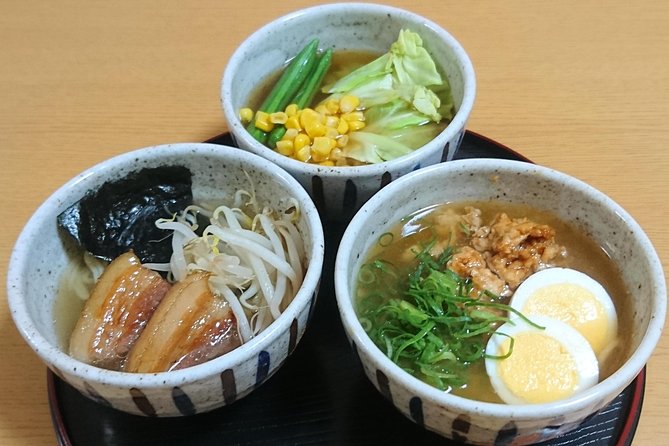
- Three ramen styles in one class: salt, soy sauce, and miso
- You make noodles from scratch: apron on, then handmade dough
- Real toppings, real sauces: pork, seaweed, sprouts; cabbage, greens, corn; chicken, eggs, green onion
- Everything for your meal is included: ramen, dessert, green tea, seasonal fruits
- Printed recipe to take home: so you can recreate the flavors later
- Instruction in English is a big plus: multiple instructors are reported to explain clearly
Ramen Cooking Class in Osaka: What Makes It Worth Your Time
Osaka takes ramen seriously, but this class does something more useful than just feeding you. You’re not only learning what’s in ramen—you’re learning how the parts come together. That means you get a feel for dough, broth seasoning, and topping balance.
Two parts stand out for me as the value engine here. First, handmade noodles. Store-bought is fine at home, but making your own at least once makes everything click. Second, you don’t stop at one ramen base. You build salt, soy sauce, and miso in the same session, so you can taste the differences and understand what changes flavor most.
One practical note: it’s hands-on and fast-moving. If you’re the type who likes to hang back and watch for 45 minutes, this may feel like a sprint. If you’re willing to jump in, you’ll leave with skills, not just a meal.
You can also read our reviews of more tours and experiences in Osaka.


Meeting at Banix Kitahorie: Simple, Central, and Easy to Find
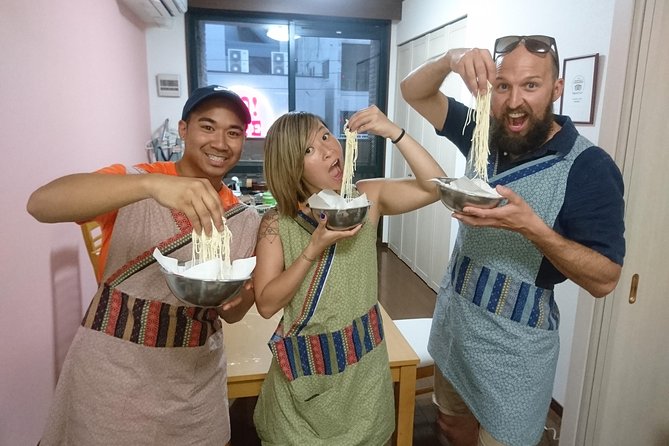
You meet at Banix北堀江Japan in Nishi Ward, Kitahorie, near public transportation. The location is in a normal neighborhood setting, not buried inside a mall maze. That matters because after a long day sightseeing, you don’t want a scavenger hunt before you even start cooking.
The experience ends back at the meeting point. That’s handy for planning dinner afterward—you don’t need to figure out a second commute.
You’ll also use a mobile ticket, which is great if you don’t want paper clutter. Just make sure your phone battery is happy before you arrive.
From Apron to Handmade Noodles: How the Class Starts
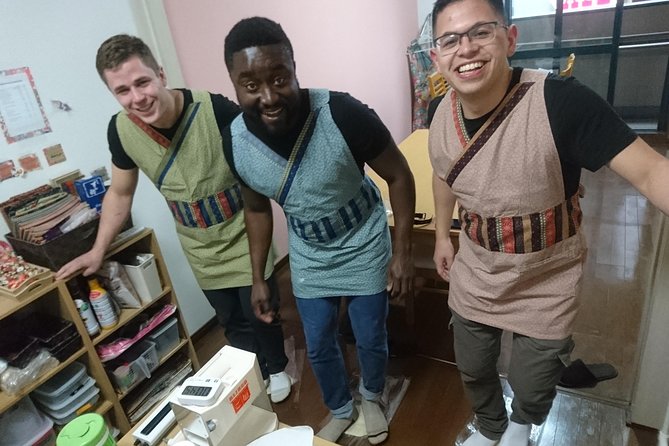
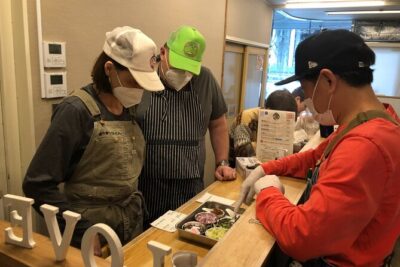
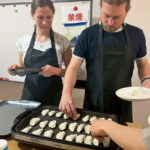
The class begins with you putting on an apron. Then you jump into the most “Japan at home” part of ramen: making noodles from scratch.
You’re guided through the process in a small group, and that’s where the pacing becomes important. In a bigger class, someone’s step could get skipped. Here, the instructor attention stays close, and it’s easier to correct small issues before they become big ones—like dough texture and how you handle the portion.
One helpful detail: the class includes the total noodle amount—100g overall. That gives you a real expectation of what you’ll produce. You’re not making a massive batch that wastes ingredients; you’re making enough to learn and then eat without feeling stuffed.
Salt Ramen: Pork, Bean Sprouts, and Seaweed
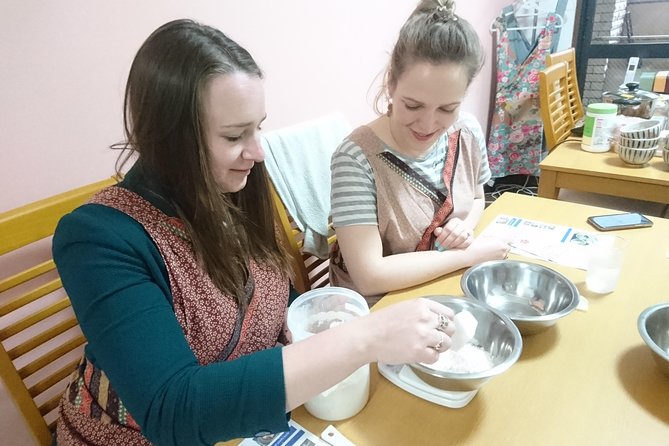
Once your noodle work is underway, the class shifts into ramen-building mode. For salt ramen, you top with:
- juicy sweet pork
- bean sprouts
- seaweed
Salt ramen is a good first base because it highlights clarity and seasoning. You can taste the difference between simply “salty” and genuinely balanced. That’s the lesson I like best: how a broth can taste clean while still feeling deep once pork and toppings are in the mix.
If you’re new to ramen cooking, pay attention to how the toppings interact with the broth. Bean sprouts bring crunch and freshness. Seaweed adds that ocean-umami layer. Pork brings richness so the broth doesn’t feel flat.
Soy Sauce Ramen: Cabbage, Green Vegetables, and Sweet Corn
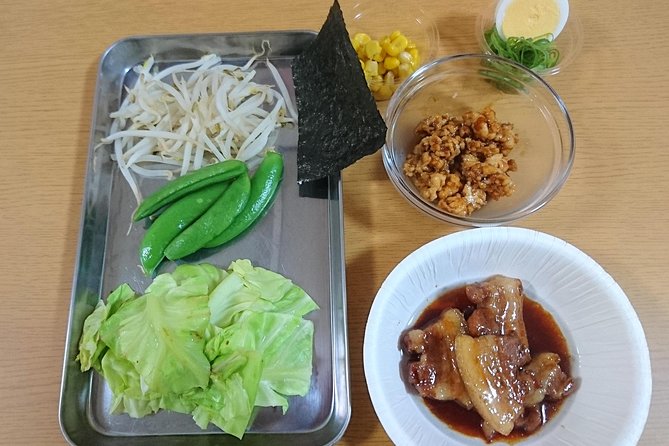
Next comes soy sauce ramen, topped with:
- steamed cabbage
- green vegetables
- sweet corn
Soy-based ramen tends to feel rounder and more savory. The cabbage is doing work here: it softens and absorbs flavor, so you get sweetness and tenderness rather than just “vegetables in a soup.”
Green vegetables add a fresher edge, which keeps the bowl from going heavy. And sweet corn brings an easy sweetness that makes the soy base feel warmer. This combo is a nice way to learn that ramen isn’t only about the broth. It’s also about contrast—soft vs crisp, savory vs sweet.
If you like food that feels comforting but not boring, this is the bowl to watch for. The toppings aren’t random; they’re teaching you balance.





Miso Ramen: Spicy Chicken, Boiled Eggs, and Green Onion
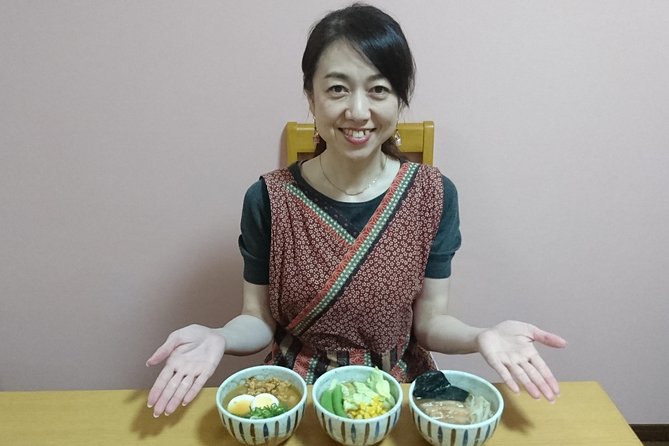
Finally, you make miso ramen, topped with:
- spicy chicken
- boiled eggs
- green onion
Miso is the thick, savory, and slightly bold base. It can taste almost creamy depending on how it’s prepared, and in a cooking class that’s a big part of the learning. You’re not just adding flavor—you’re shaping the character of the broth.
The toppings help you understand that miso goes great with both comfort and heat. The boiled eggs add richness and body. Green onion brings aroma right at the end. Spicy chicken adds forward punch, so the bowl feels active instead of heavy.
From a practical standpoint, this is also the bowl where you’ll want to be mindful with heat. One caution that comes up in the experience details: some people go heavy on chili oil during the serving moment, and then regret it later. If you’re sensitive to spice, start light. You can always add more.
Eating the Results: Ramen Meal, Dessert, Green Tea, and Fruits
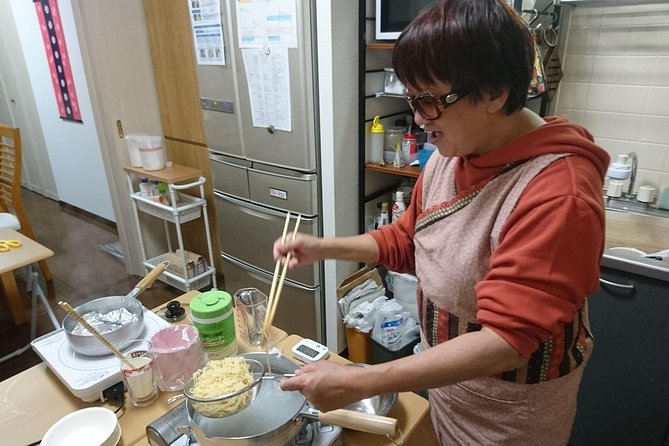
After cooking, you eat. The class ends with a full ramen meal presentation—chopsticks in hand, time to enjoy what you made.
You’ll also get dessert and green tea included, plus seasonal fruits. That’s a smart addition because it rounds out the class from “cooking demo” into a full meal experience. It also helps you pace yourself. When you’re making three bowls worth of work, you’ll be happy you’re not just moving from stove to empty stomach.
And yes, it’s genuinely the point. Making ramen is labor. Eating it is where it pays off.
Group Size, English, and Pace: What This Feels Like in Real Life
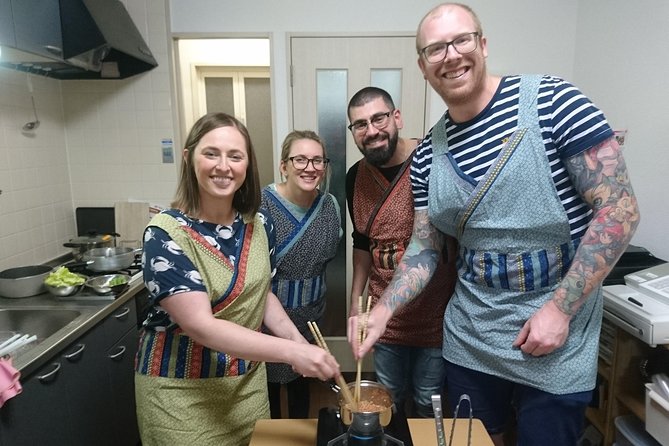
This is a small-group class limited to eight people, which is a major quality difference. In a group that small, you’re more likely to get real corrections. You’re also more likely to understand what you’re doing, not just mimic steps.
In multiple experiences of this type, instructors are praised for clear explanations and good English. Names that show up in the class accounts include Fumi and Keigo/Keiyo. In plain terms: the best version of this class is when your instructor can translate technique into something you can repeat later.
The overall duration is about 2 hours 30 minutes. That’s long enough to learn noodles and broth, but not so long that you lose attention. If you’re traveling with kids, this kind of timing is often manageable because it’s hands-on and structured. If you’re the type who likes quiet museums, it may not be your favorite afternoon.
Price and Value: Is $79.28 a Smart Buy in Osaka?
$79.28 might sound like a splurge until you map what’s included. You’re paying for:
- all ingredients for your meal
- kitchen utensils and equipment
- three ramen bases worth of prep
- a printed recipe to take home
- dessert, green tea, and seasonal fruits
- plus the skill guidance that helps you pull noodles off successfully
A normal meal in Osaka can be cheaper, but it won’t teach you how to make noodles from scratch or show you how salt vs soy vs miso changes the whole bowl. If you’ve ever bought ramen ingredients at home and still felt like something was missing, this class closes that gap fast.
Also, the fact that your class is small-group matters in the value math. You’re not paying the same price to sit in the back. You’re paying for time with the process.
If you’re traveling as a couple, it’s a great value strategy because you share the experience and still each get the full meal.
Who Should Book This Ramen Cooking Class (and Who Might Skip)
Book this if you want:
- hands-on cooking skills, not just watching
- a ramen-focused Osaka activity that still feels cultural
- a structured way to learn differences between broth styles
- a meal you can actually recreate at home later
It’s also a solid pick if you love food projects. Several class accounts mention that even people with no cooking background leave feeling confident because the steps are explained and the results are achievable.
You might skip this if:
- you hate getting hands-on
- you want a longer, slower experience with lots of breaks
- you’re extremely sensitive to spending an entire afternoon in one place
One more angle: if you’re vegetarian, you should plan to ask in advance. There are accounts of the instructor adjusting even broth ingredients for vegetarian diets, but you’ll still want to confirm specifics before you go so your meal matches your needs.
What You’ll Bring Home: Skills, Not Just Souvenirs
The printed recipe matters. It’s the difference between a fun evening and a skill you can repeat. You’ll know which broth base matches which toppings and why the flavors behave differently.
You’ll also leave understanding how ramen is built in layers:
- noodle texture matters
- broth seasoning sets the mood
- toppings add the contrast and final punch
That’s the kind of knowledge that makes you a better ramen eater too. You’ll be more likely to taste salt vs soy vs miso as distinct styles instead of just “different ramen shops.”
Should You Book This Osaka Ramen Class?
For most visitors, I’d say yes, book it—especially if you care about cooking or want a hands-on Osaka experience that feels honest and local. The class hits the sweet spot of real skills, small-group attention, and a complete meal with dessert and green tea.
My advice for making the decision:
- If you’re a ramen lover who wants to understand the why, this is a great use of time.
- If you’re traveling with someone who just wants to eat, you’ll still enjoy it, but set expectations that you’ll be cooking too.
- Pack patience for the 2.5-hour pace, and go easy with any chili oil if you’re spice-sensitive.
If that sounds like your kind of trip activity, you’ll likely feel like the price buys far more than a meal—it buys a repeatable ramen skill set.
FAQ
What ramen types will I make in this class?
You’ll make three types of ramen: salt ramen, soy sauce ramen, and miso ramen.
Does the class include the meal?
Yes. You’ll eat the ramen you make, and the experience also includes dessert and green tea, plus seasonal fruits.
Are ingredients and utensils provided?
Yes. All ingredients for the lunch/dinner are provided, along with kitchen utensils and equipment.
How long is the cooking class?
The duration is about 2 hours 30 minutes.
How many people are in the group?
The class is limited to eight people for a more personalized experience, and the overall activity can have a maximum of 12 travelers.
Where do we meet?
You start at Banix北堀江Japan in Kitahorie, Osaka. The activity ends back at the meeting point.
Can I cancel for a full refund?
Yes. You can cancel for a full refund if you cancel up to 24 hours in advance. If you cancel less than 24 hours before the start time, the amount paid is not refunded.