REVIEW · SAPPORO
Popular in SapporoExperience authentic hand-made soba at a real soba shop!
Book on Viator →Operated by もんど · Bookable on Viator
Handmade soba starts with your hands. In Sapporo, this hands-on session turns a classic craft into a clear, real-restaurant experience with short English help and step-by-step visuals. I like that you do the whole process, not just watch it, and I also love the payoff: you sample noodles you made yourself. One thing to consider is timing—starting late can throw off other groups, and the shop runs as a lunch restaurant.
What makes this feel different is the setting. This is taught inside a working soba shop with a long history, where you get practical instruction while the restaurant keeps doing its job. I also appreciate that the staff uses the same kinds of utensils you’d find in the shop, plus carefully selected buckwheat flour, so it feels like authentic craft work. The possible drawback: the experience is hands-on and focused, so if you’re hoping for a sightseeing-style tour, this won’t be that.
Still, it’s a great match for food lovers and craft fans, especially in wintery Hokkaido where soba is grown for flavor and texture. Just plan a little extra buffer getting there, and you’ll get the full value of the session.
In This Review
- Key Soba-Making Highlights in Sapporo
- What This Soba Workshop Really Is (And Why It Feels Authentic)
- Your First Step: Mixing Buckwheat Flour the Right Way
- Stretching Soba Noodles: The Skill You Can Actually Feel
- Cutting the Noodles with Real Tools and Real Technique
- Tasting the Results: Your Soba, Your Lunch (and Maybe Tempura)
- English-Friendly Teaching That Doesn’t Waste Time
- Time on the Clock: What 1 Hour Really Means Here
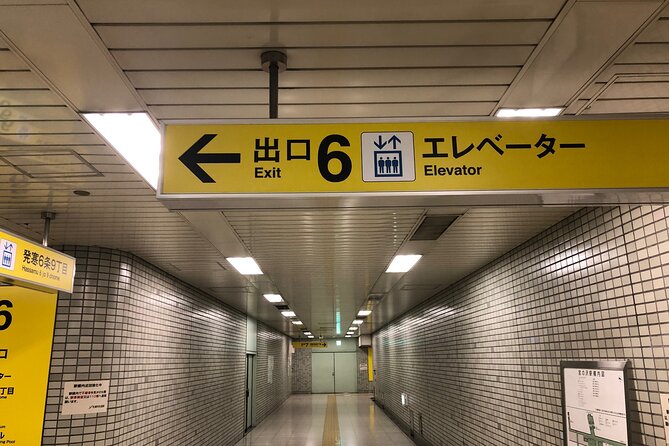
- Where You Meet and How to Get There Without Stress
- Price and Value: Paying for Skill, Time, and a Real Meal
- Who This Soba Experience Fits Best
- Should You Book This Soba-Making Session?
- FAQ
- How long does the soba-making experience take?
- Is this a private experience or shared with other groups?
- Do I need to bring anything or prepare in advance?
- Is there English support?
- Can children participate?
- What if I cancel last minute?
Key Soba-Making Highlights in Sapporo
- Full process, from dough to cutting so you understand the work behind everyday soba
- English support with visuals, designed to be easy to follow without heavy lecture
- Private group setup, so you move at a calm pace instead of being rushed
- You eat your own noodles, plus the option to add shop favorites like tempura
- Hokkaido context, since the region’s clean water and cold weather suit buckwheat growing
What This Soba Workshop Really Is (And Why It Feels Authentic)
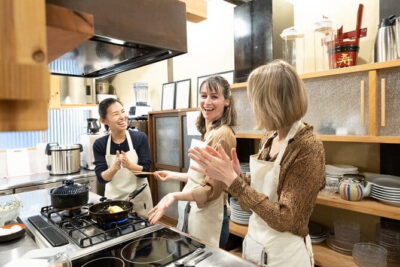
This isn’t a cooking show where you’re lined up, given aprons, and told a few stories. It’s built around a real soba shop rhythm, with a working craftsman teaching you how the dough becomes noodles. The goal is simple: you learn the traditional method well enough to taste it and connect the dots from ingredient to texture.
You start with the basics of soba, then move straight into the physical steps: mixing dough, stretching it out, cutting it into small pieces with a kitchen knife, and finally sampling what you made. The program is structured and refined through years of running the experience for people who want the craft itself—not just a performance.
The makers keep explanations short and clear in English, supported by visual demonstrations. That matters because soba technique has a few tricky moments where words alone won’t help. When you can see the method, then do it yourself, you stop guessing and start feeling what the dough wants.
You can also read our reviews of more tours and experiences in Sapporo.
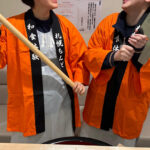
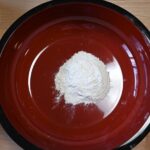
Your First Step: Mixing Buckwheat Flour the Right Way
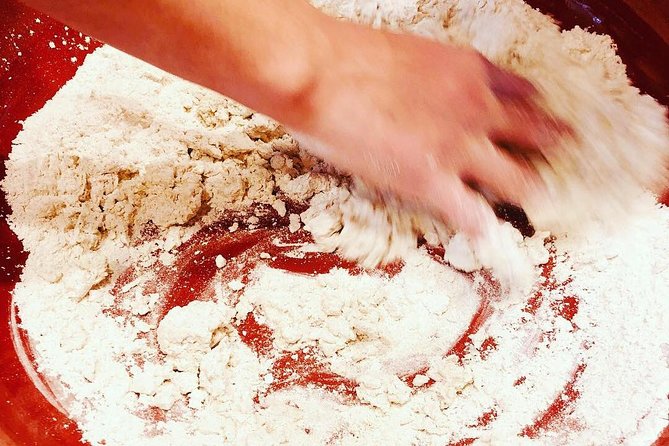
The session begins with mixing buckwheat flour and water. It sounds basic, but this is where soba becomes real craft. Buckwheat is different from wheat, so the dough behaves differently, and the instructor’s guidance helps you avoid common beginner mistakes—like trying to treat it exactly like bread dough.
You’ll be working directly at the station as your guide talks you through what to do. That hands-on approach is the big reason this is fun: you’re not waiting for your turn to hold a bowl. You’re making the dough.
Also, the ingredients matter here. The shop uses carefully selected buckwheat flour, and that shows up later in the chew and crunch you get from properly handled soba. If you care about food quality, you’ll notice the difference between pre-made noodles and something you helped shape from scratch.
Stretching Soba Noodles: The Skill You Can Actually Feel
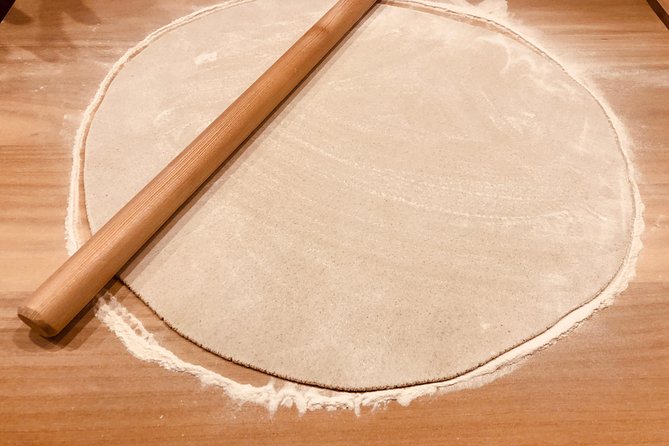
Next comes stretching. This part separates “I made noodles” from “I made soba.” Stretching affects thickness and uniformity, and those details change how noodles cook and how they feel when you eat them.
The pacing is beginner-friendly. Instructions are concise, and the guide uses demonstrations to keep you from overthinking. If you’ve never done dough work before, you’re still in good hands—many of the teaching moments are about helping you correct small errors without embarrassment.
A practical bonus: this is the kind of activity where you learn by doing. You’ll quickly understand that soba isn’t just a dish; it’s a set of technique decisions. Once you feel the dough’s response, you get why skilled shops make soba every day as a craft, not a one-off kitchen experiment.
Cutting the Noodles with Real Tools and Real Technique
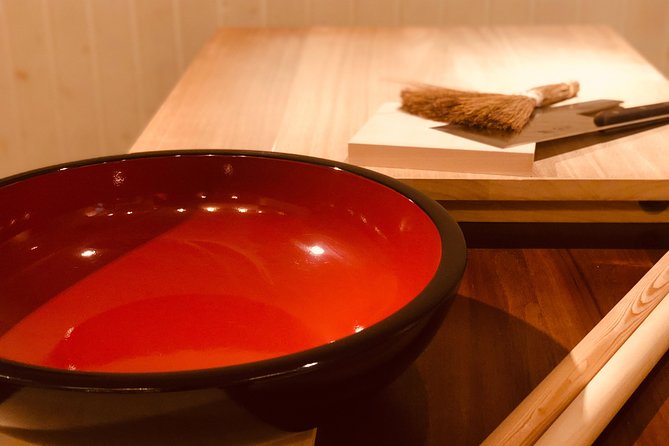
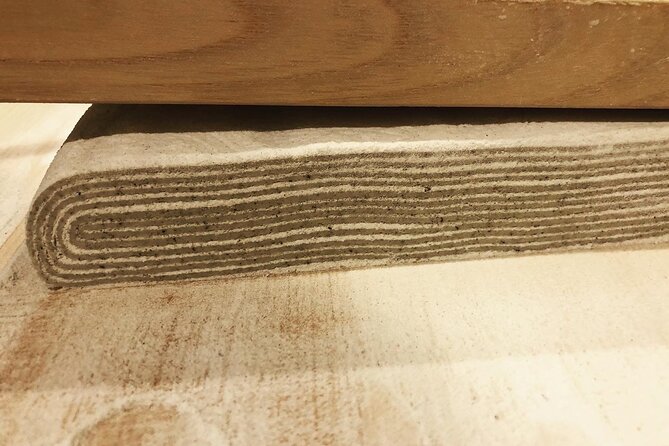
After stretching, you cut the soba noodles. This is where you use kitchen knives that are meant for real work in the shop—tools the staff typically uses when serving customers. That authenticity is a quiet but important part of the value: you’re practicing the method the same way the restaurant does it.
Cutting also affects how the noodles tangle, cook, and portion on the plate. A slightly uneven cut can still taste great, but you’ll likely understand what the instructor is aiming for: consistency and good bite.
One detail I like is that the process includes time for you to get the steps right. The actual making portion is about 30 minutes, and then there’s tasting time afterward. In other words, you’re not rushed through the craft and then kicked out for the next group.
Tasting the Results: Your Soba, Your Lunch (and Maybe Tempura)
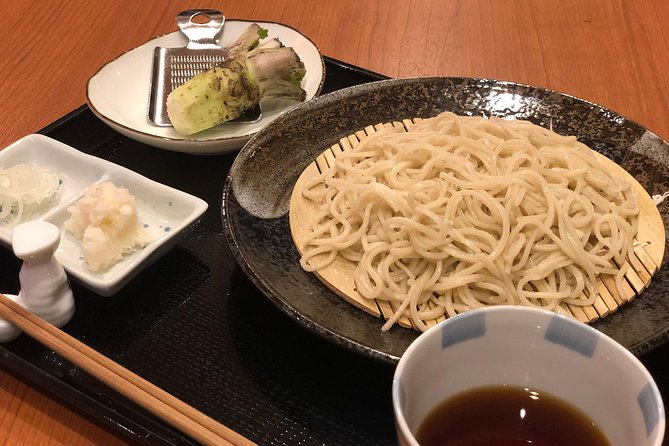
The best part comes last: you sample the soba you made. There’s nothing like eating noodles while the memory of what you just did is still fresh. You’ll taste the difference that correct dough handling makes—especially in texture.
This shop also encourages pairing. In the experience, people mention ordering tempura and even duck soup at the restaurant, usually as add-ons. One person specifically noted picking tempura to eat with the noodles for extra cost. So if you want a fuller meal, it’s worth considering that extra order rather than treating soba as a lone course.
Why this matters: tasting is how you build real understanding. If you only cut noodles and walk away, you might enjoy the activity but not connect technique to flavor. Here, the tasting is built into the timeline, so you leave with a clearer idea of what makes good soba.

English-Friendly Teaching That Doesn’t Waste Time
Some classes drown you in information. This one keeps it usable. Explanations are concise in English and supported by visuals, which helps a lot if you’re traveling with limited Japanese. The goal is to get you making noodles quickly and correctly.
In practice, what you want from a good teacher is patience during small mistakes. Multiple accounts describe the instructor as friendly and careful with guidance, including clear directions. One name that shows up in the feedback is Taku. The vibe you’re aiming for is: you mess up a little, learn from it, and end up confident enough to eat your own work.
Also, because this is designed for people—especially Japanese guests originally—who want earnest craft experience, the tone stays practical. It feels like learning a skill, not attending a lecture.
Time on the Clock: What 1 Hour Really Means Here
The listing duration is about 1 hour, but the full experience runs longer in practice. The making portion is around 30 minutes, then tasting takes more time, and the whole session is about 1 hour and 15 minutes to finish everything.
That timing matters because it affects your day plan. If you’re trying to stack multiple activities, give yourself breathing room. If you’re eating lunch afterward, you’ll probably still feel satisfied right after tasting.
One more thing: the shop works as a restaurant during lunch hours. That means it may be busy, and the staff can’t always stop to answer questions at the last minute. Plan ahead, arrive on time, and you’ll have a smoother experience.
Where You Meet and How to Get There Without Stress
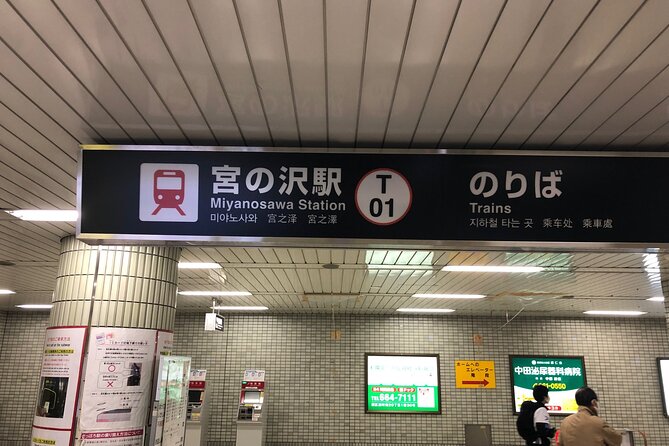
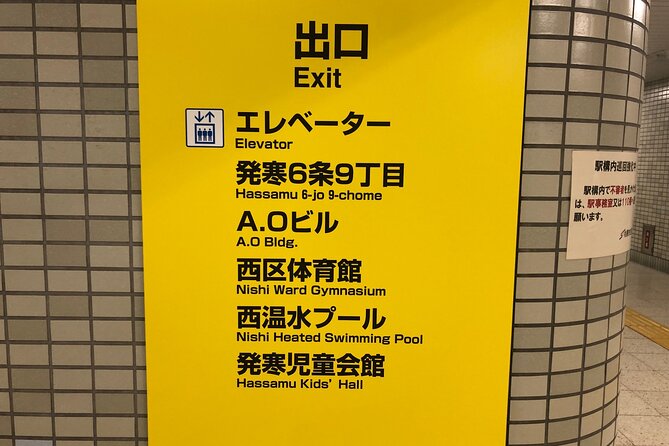
You meet at 9-chōme-17-28 Hassamu 6 Jō, Nishi Ward, Sapporo. The location is near public transportation, with the shop described as about a 5 minutes walk from Miyazawa Station on the Tozai Line. There’s also parking for up to 4 cars, which can help if you’re traveling by rental vehicle.
Because this is a hands-on session with a set start, logistics matter more than usual. If you arrive late, it can inconvenience other groups and your session may be treated as a no-show. So treat arrival like part of the experience, not an optional step.
If you’re the type who likes a safety net, bring a map screenshot and confirm the exact address before you leave your hotel.
Price and Value: Paying for Skill, Time, and a Real Meal
At $72.67 per person, this isn’t a bargain craft you squeeze into an afternoon. But it’s also not overpriced for what you get—because you’re paying for more than “a tasting.”
You’re paying for:
- instruction from a working soba professional (not a casual demonstration)
- hands-on time using real tools and carefully selected flour
- a private setup for your group (so you’re not competing for attention)
- the meal result: you eat what you made
Also, the experience is popular enough that it’s often booked around 29 days in advance, so you’re not likely to find a last-minute slot without planning.
One way to judge value: ask yourself whether you want the story of soba or the skill of soba. This is the skill track, and that’s why it costs what it costs.
Who This Soba Experience Fits Best
This is a strong match if you:
- love Japanese food and want something more active than eating
- care about craft work and technique, not just sightseeing
- travel with kids who can handle a hands-on table activity (with supervision)
Children can participate with guidance. There’s also a note that children under 2 years old are free of charge, but they can only visit. So if you’re traveling as a family, you’ll want to check the age situation before booking so expectations match reality.
It’s also a good choice during rainy weather. One of the commonly shared reasons people loved the session was spending a rainy afternoon indoors doing something useful and fun.
Should You Book This Soba-Making Session?
I’d book it if you want an authentic, hands-on food experience where you leave with edible proof of what you learned. The craft focus, English-friendly teaching, and the fact that you eat your own soba make it feel worth the price.
Skip it if you’re primarily seeking a classic tour with lots of viewing and history stops. This is about making—kneading, stretching, cutting, tasting—so come ready for work at the table and a meal at the end.
If you’re in Sapporo and you like the idea of learning a skill tied to Hokkaido’s soba culture, this is one of those activities that tends to stick in your head long after the noodles are gone.
FAQ
How long does the soba-making experience take?
The hands-on making portion takes about 30 minutes, and the full experience—including tasting—takes about 1 hour and 15 minutes.
Is this a private experience or shared with other groups?
It’s private. Only your group participates.
Do I need to bring anything or prepare in advance?
No. You don’t need to bring or prepare anything for the experience.
Is there English support?
Yes. Explanations are designed to be easy to understand in English and are supported by visual demonstrations.
Can children participate?
Yes. Novices and children can participate with confidence because the craftsmen guide you carefully. Children under 2 are free of charge, but can only visit.
What if I cancel last minute?
You can cancel up to 24 hours in advance for a full refund. If you cancel less than 24 hours before the start time, the amount you paid is not refunded. If you’re late to the start time, it may be treated as a no-show.