REVIEW · OSAKA
Osaka: Ramen and Gyoza Cooking Class in Dotonbori
Book on GetYourGuide →Operated by Cooking Sun · Bookable on GetYourGuide
Ramen class turns Osaka into your own kitchen. In this Osaka workshop, I went from kneading dough to cutting fresh ramen noodles and filling gyoza with my own hands. It is a fun break from just eating Dotonbori and a very direct way to understand what makes Japanese comfort food tick.
Two things I especially loved: the class keeps it hands-on (not watch-and-learn), and the group size stays small enough for real help. When I needed a nudge, the instructors were quick to step in and reset my technique without making it feel awkward.
One possible drawback to plan for: the meeting spot is a specific room inside a building. You will press 807 and use the call button at arrival, and a few people find the building a bit tricky.
In This Review
- Key points before you go
- Finding Cooking Sun Osaka and settling in fast
- What you make: ramen and gyoza, the Osaka set in full detail
- From flour to noodles: kneading and cutting ramen like a pro
- The broth lesson: soy sauce ramen built with chicken bones and dried sardines
- Gyoza practice with minced chicken, plus diet-friendly options
- Timing and group size: why this class feels calm instead of rushed
- Eating your ramen and gyoza: the best part is immediate feedback
- The $70 value in Osaka: what you really get for the money
- Who should book this class (and who might skip it)
- Practical FAQ
- FAQ
- What dishes do I learn to cook?
- Is this a hands-on cooking class?
- How long is the class?
- What’s included in the price?
- Do I get recipes to take home?
- Is the class offered in English?
- Is the group size small?
- Can the class accommodate vegan or vegetarian diets?
- What if I have issues with fish broth?
- Where do I meet, and how do I find the room?
- Should you book this Osaka ramen and gyoza class?
Key points before you go
- Knead wheat into ramen noodles from scratch, not from a package
- Use a noodle machine to cut uniform ramen noodles like you know what you’re doing
- Make soy sauce ramen with a broth built from chicken bones and dried sardines
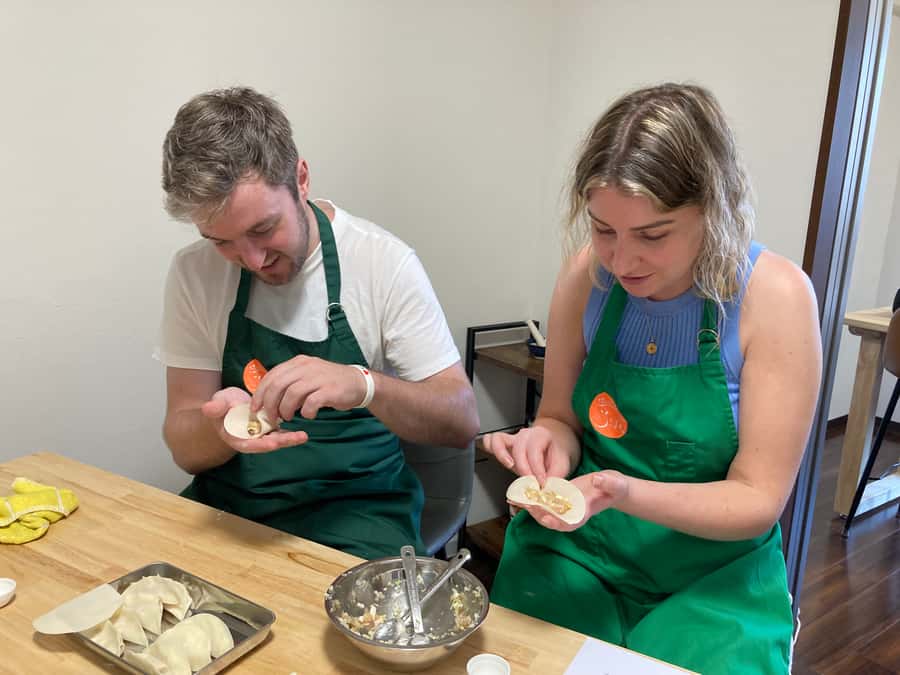
- Wrap gyoza with minced chicken and cook them as part of your meal
- Get written recipes to take home, so you can remake it later
- Special diets can be handled, including a vegan plant-based option
Finding Cooking Sun Osaka and settling in fast
This class starts at Cooking Sun Osaka, room 807. When you arrive, you press 807 and then the 呼出 (call) button at the entrance. It is not the kind of meeting point where you can wander for long and hope you find it by vibe, so I recommend arriving a few minutes early and taking your time at the door.
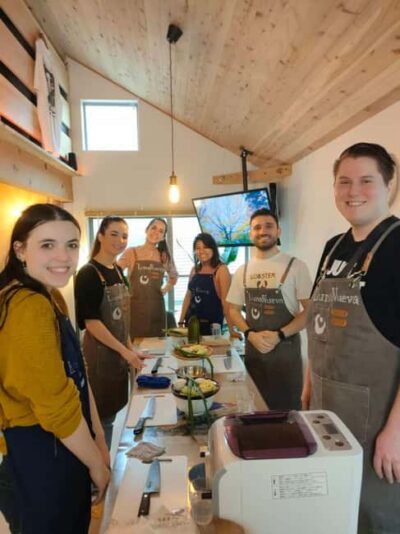
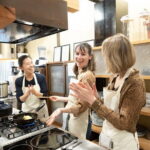
Good news: once you are inside, the kitchen setup is built for people to actually cook. More than one person noted the space and the clean, organized feel, which matters because ramen and gyoza need hands, not just attention. Also, there are typically two instructors, so you are rarely waiting in a line for help.
And since hotel pickup and drop-off are not included, you’ll want to handle your own way in. If you are already staying near Dotonbori, this can still be easy. If you are farther out, give yourself extra buffer time so you do not show up frazzled.
You can also read our reviews of more tours and experiences in Osaka.
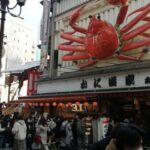

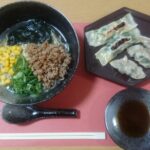
What you make: ramen and gyoza, the Osaka set in full detail
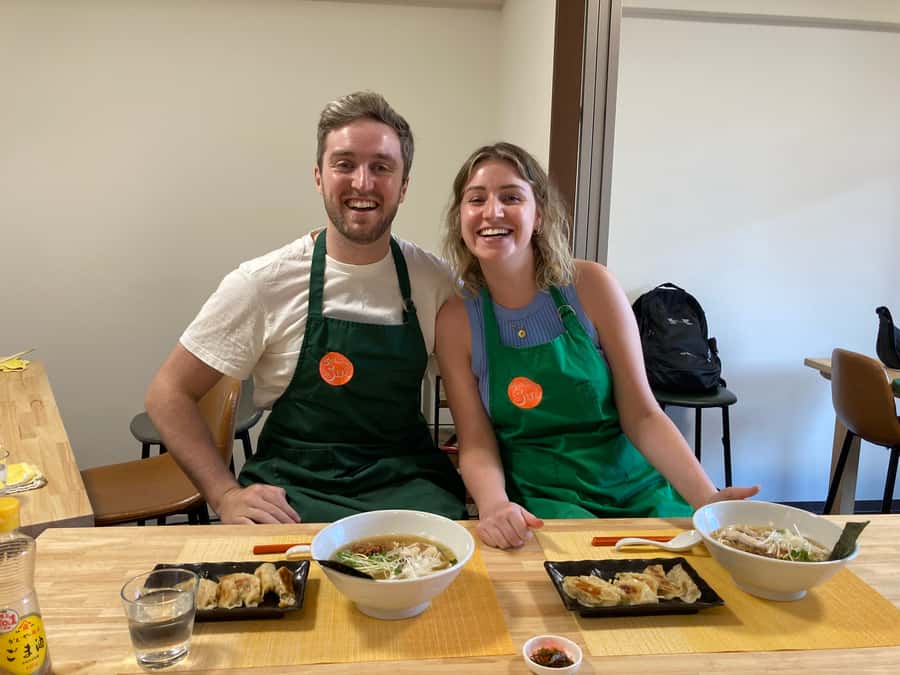
This is built around Japan’s classic pairing: ramen and gyoza. You cook both from scratch, then sit down and eat what you made. That part matters. You are not just learning technique; you get the payoff right away, while the food is hot and the flavors are still fresh in your mind.
For ramen, the class focuses on a standard soy sauce ramen base. You learn how the noodles and soup come together, then you can personalize toppings. If you want to shift the flavor direction, you can also add miso to make it miso ramen style.
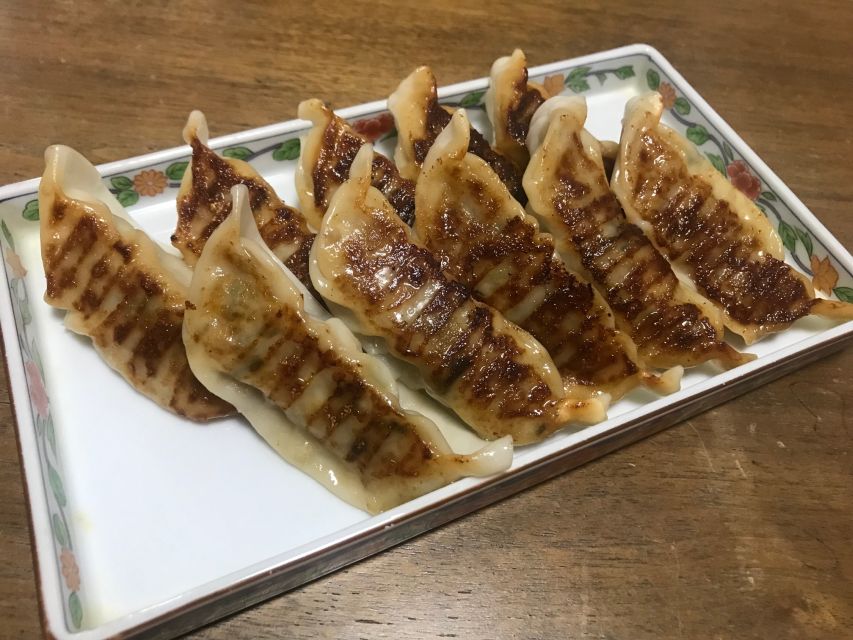
For gyoza, you make original dumplings using minced chicken. The goal is confidence: once you understand the rhythm of mixing the filling and wrapping, it stops feeling like an impossible street-food trick and starts feeling like a skill you can repeat at home.
From flour to noodles: kneading and cutting ramen like a pro
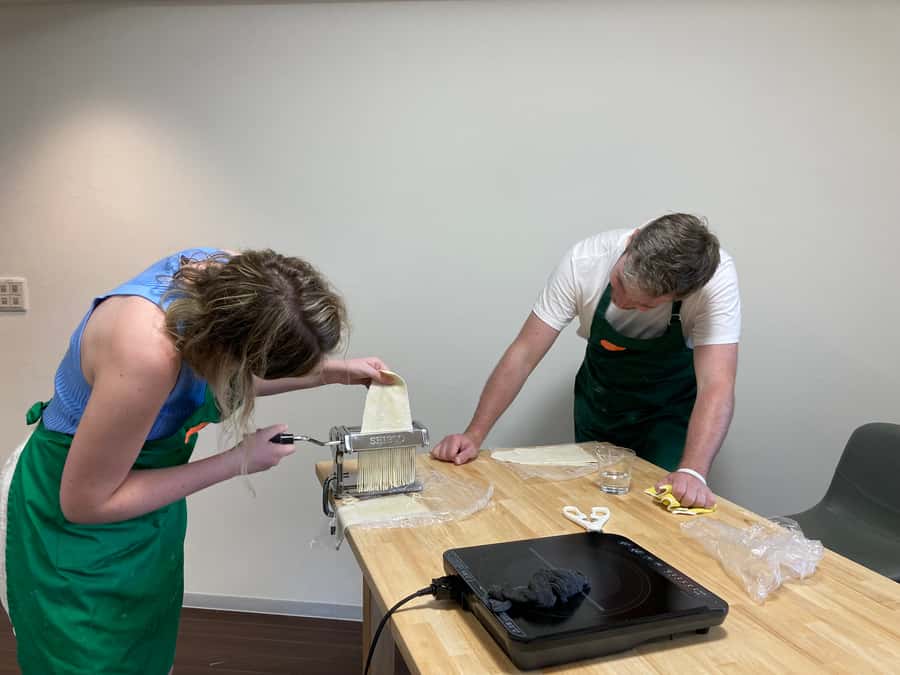
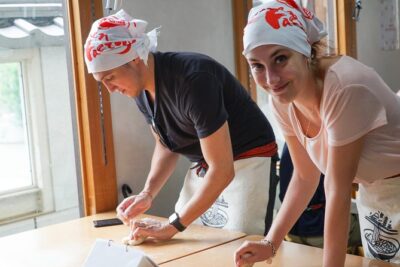
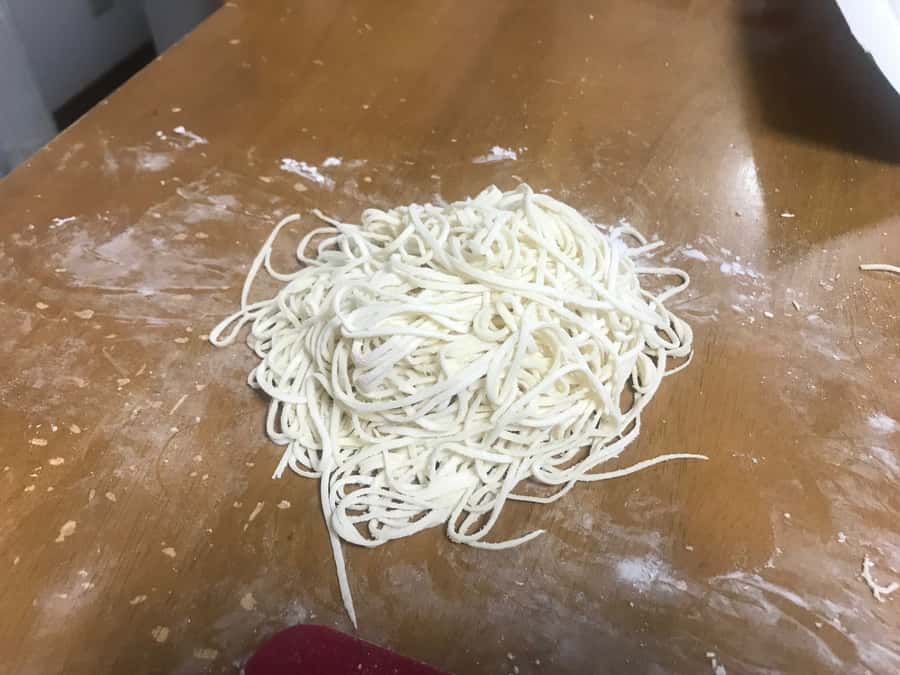
The most memorable moment for me is when you knead the wheat. Ramen starts as plain dough, then you work it until it becomes smooth and workable. This is one of those techniques that sounds simple until you do it, and then you realize why cooks take their time.
Next comes the noodle machine. You do not just watch someone else do it; you cut ramen like you’re part of the operation. Uniform thickness is a big deal for ramen texture. Too thick and it feels heavy; too thin and it turns fragile. In class, you get the guidance to land in the right zone without overthinking it.
A lot of people walk out with a new respect for ramen noodles. You see how precision becomes flavor, even though the ingredients stay basic. Even if you are not a bread person, this section is the part where you start trusting your own hands.
The broth lesson: soy sauce ramen built with chicken bones and dried sardines
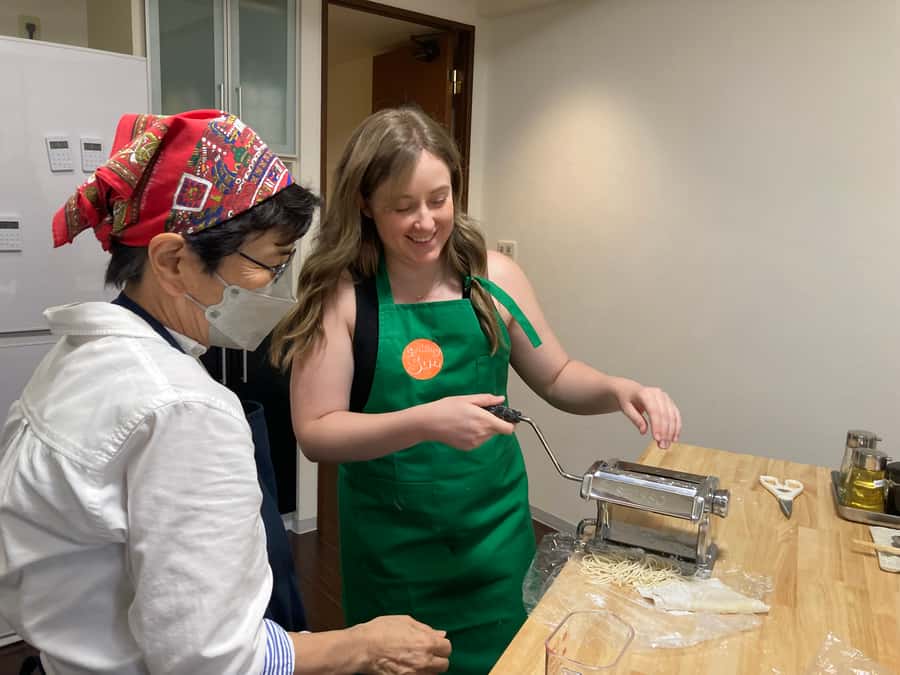
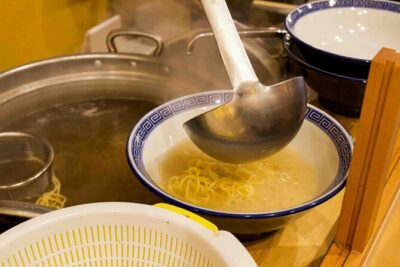
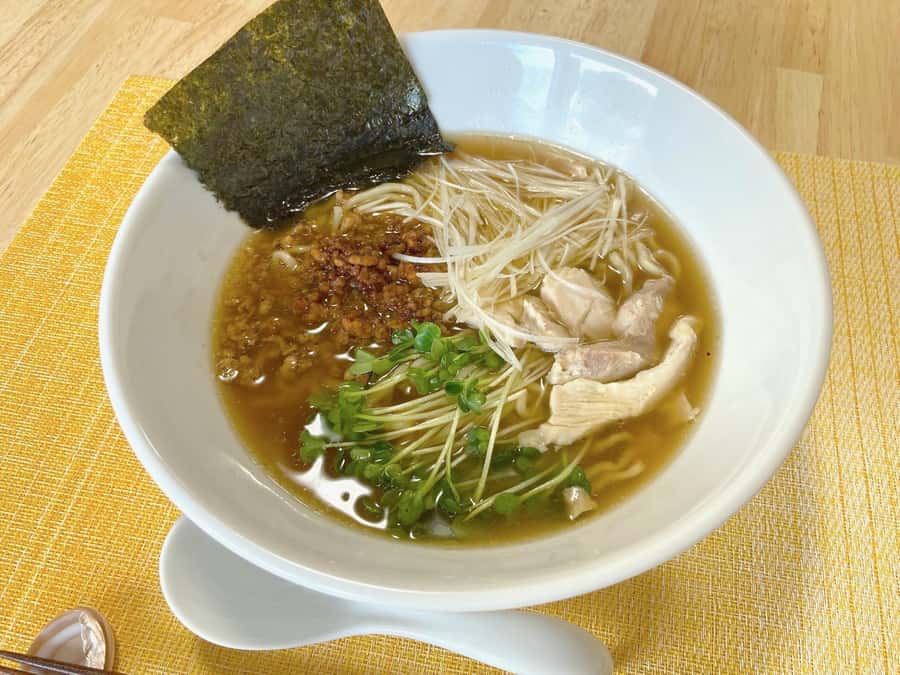
Ramen is broth plus noodles, and this class treats broth like the foundation it really is. You learn the base for a soy sauce ramen style using chicken bones and dried sardines. That combination is why ramen can feel both deep and comforting, not just salty.
What I liked is the way the class explains the logic behind flavor. You are not memorizing a list of steps. You are learning what the broth is doing and how changes affect the final bowl.
There is also an option to make it miso ramen by adding miso. That is a great learning moment, because miso changes more than color. It adds body and a different kind of warmth. If you always assumed ramen broth is one fixed thing, this is where you realize it can pivot quickly while still staying recognizably ramen.
Gyoza practice with minced chicken, plus diet-friendly options
Gyoza is where precision meets comfort. You mix and portion the filling using minced chicken, then you wrap. The workshop pacing makes this feel doable even if you are not used to dumpling work.
One standout detail from the experience: the class can adapt for dietary needs. If someone arrives and mentions vegan requirements, the instructors can adjust and offer a plant-based option that still tastes like something worth making again. There is also mention of a substitution for those who do not like fish broth, which shows the staff is watching for ingredient issues early rather than forcing everyone into one setup.
That adaptability is not just nice customer service. It is part of what makes the class feel “real.” Japanese food has a backbone, but chefs and home cooks adjust based on what people can eat. Here, you learn within those boundaries without losing the point of the dish.



Timing and group size: why this class feels calm instead of rushed
This is not a huge factory-style cooking demo. People noted the class is intimate, with around 7 to a class, and some mention a max group size around 8. That small size changes everything: you get hands-on time, and the instructors can correct your technique before you go too far off track.
Class duration is described as about 2 hours in some cases, and about 3 hours in others. For planning, I would treat it as roughly 2 to 3 hours. The pace stays tight, with steps that move forward on schedule, but many people also said they never felt rushed.
Also, you get personal help if you fall behind. Several accounts mention instructors stepping in quickly and explaining again clearly, keeping the class on schedule without making the moment stressful. That is a big deal for beginners. Dumplings and noodle dough are not always forgiving if you are learning the first time.
Eating your ramen and gyoza: the best part is immediate feedback
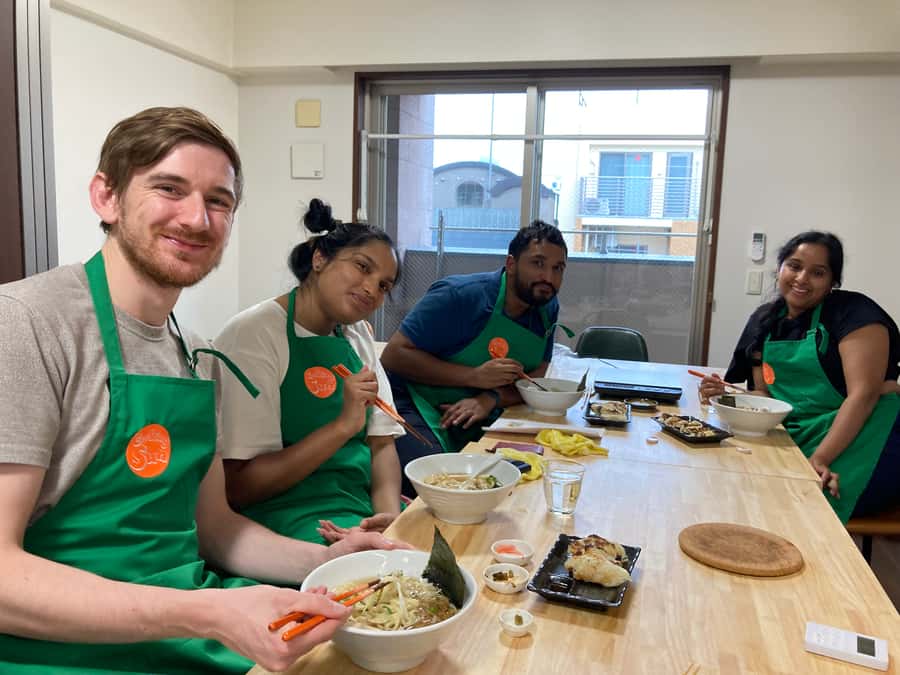
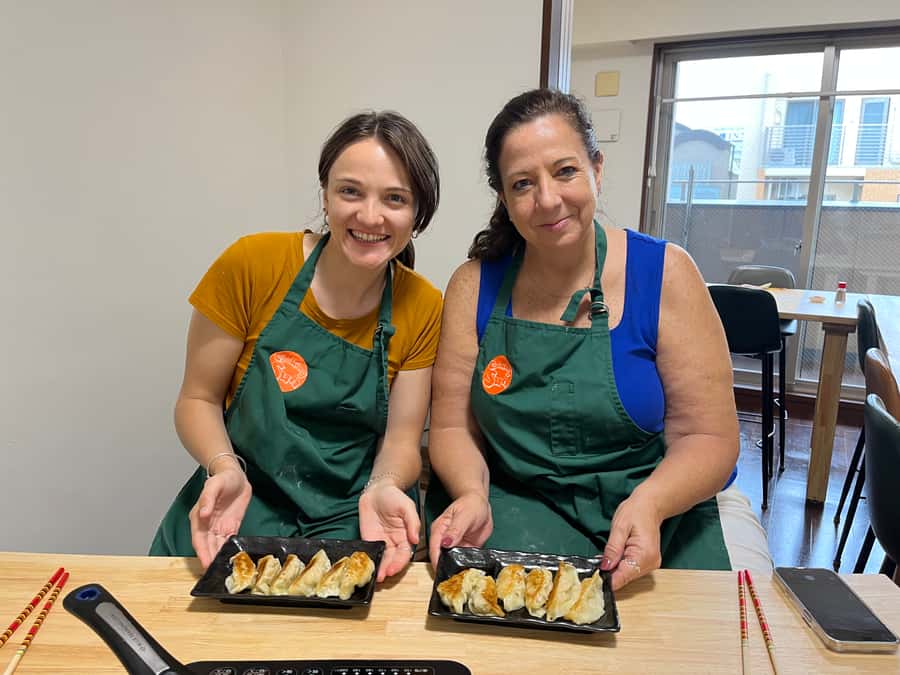
After making the noodles and gyoza, you sit down to eat. This matters more than it sounds. When you taste right after cooking, you can connect cause and effect: how noodle thickness affects bite, how broth balance affects depth, and how gyoza filling and wrapping affects texture and satisfaction.
People specifically called out the ramen as rich and flavorful and the gyoza as some of the best they had. I get that reaction. When you make the full process yourself, you notice details you normally ignore at a restaurant.
Another small but important perk: you get recipes to take home. Multiple people mentioned that the recipes are written and given to you so you can recreate the dishes later. That turns the class from a one-time experience into a tool you can use at home.
The $70 value in Osaka: what you really get for the money
At $70 per person, this is not a street-market bargain. But it also is not just a meal. You are paying for hands-on ramen noodle making, gyoza wrapping, broth work, and instruction that helps you succeed.
Here is the value math that made sense to me:
- You learn multiple techniques (dough handling, noodle cutting, soup building, dumpling wrapping)
- Ingredients are provided, which removes a big hidden cost
- The class is small, so you are not sharing attention with dozens of people
- You get written recipes to take home, which stretches the usefulness of the experience
- The final meal is part of the experience, not an extra purchase
If your goal is just to eat well in Osaka, you can do that cheaper. But if your goal is to leave with the skill to make ramen noodles and gyoza again, the price starts to look fair.
Who should book this class (and who might skip it)
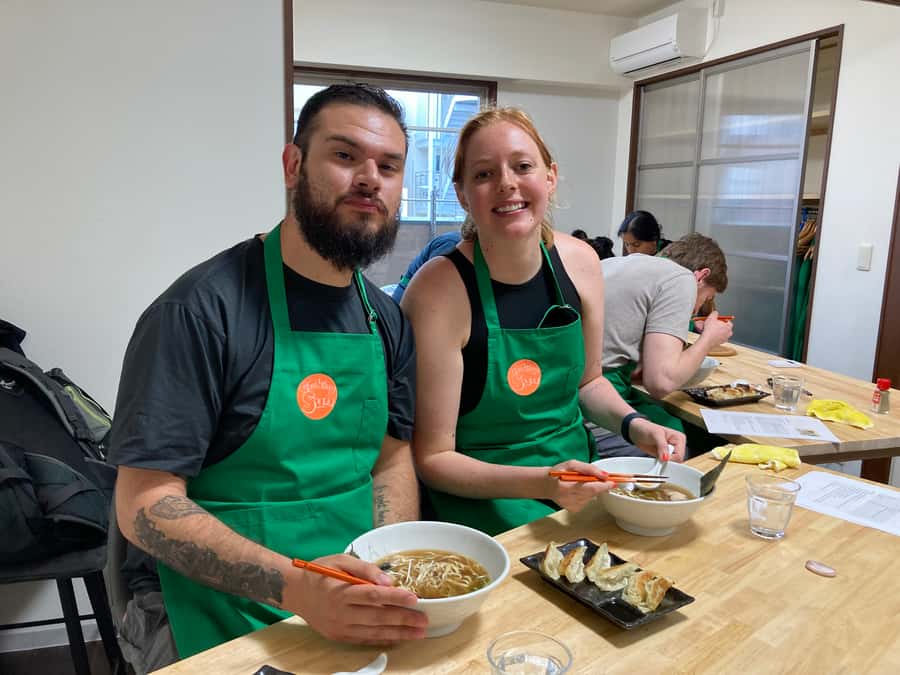
I think this fits best if you are:
- a food lover who wants to understand why ramen tastes the way it does
- someone who enjoys learning by doing, not just watching
- traveling as a couple, friend group, or family (one family mentioned an 11-year-old really enjoyed it)
- someone who wants an experience that goes beyond photo stops around Dotonbori
You might skip it if you hate cooking with your hands, or if you are short on time and need a faster activity. Also, if you are the type who panics at meeting points inside buildings, you’ll want to plan for that room 807 check-in.
Practical FAQ
FAQ
What dishes do I learn to cook?
You make ramen and gyoza. The ramen is a soy sauce ramen style, with options to add miso for miso ramen, and the gyoza uses minced chicken.
Is this a hands-on cooking class?
Yes. You knead wheat for ramen noodles, cut noodles using a noodle machine, and make the gyoza yourself.
How long is the class?
It’s described as about 2 hours to about 3 hours, depending on timing on the day.
What’s included in the price?
All ingredients for the cooking class are included.
Do I get recipes to take home?
Yes. The class provides written recipes that you can take home.
Is the class offered in English?
Yes, the class is in English.
Is the group size small?
It’s described as intimate, with about 7 people in a class, and some mentions of a max group size around 8.
Can the class accommodate vegan or vegetarian diets?
Yes. There is mention that the instructors can adapt for vegan needs with a plant-based option, and they’ll look after vegetarian or vegan participants.
What if I have issues with fish broth?
There is mention of a substitution for a couple that didn’t like fish broth.
Where do I meet, and how do I find the room?
You meet at Cooking Sun Osaka, room 807. On arrival press 807 and the 呼出 call button at the entrance.
Should you book this Osaka ramen and gyoza class?
If you like Japanese food and you want something active, I would book it. The key reason is the combination: you get scratch ramen noodles plus dumpling work, then you eat your results right away. That turns the experience into real skill, not just a tasty snack.
I’d particularly recommend it if you care about learning details, since instructors (including names like Yoshi, Kasa, Miki, and June in different sessions) are described as patient, clear, and quick to help when people fall behind. If you show up ready to cook and you can handle a building-meeting-point check-in, this is one of the most practical ways to experience Osaka through food.