REVIEW · KYOTO
Kyoto Ramen & Gyoza Cooking Class with Professional Chefs
Book on GetYourGuide →Operated by MagicalTrip · Bookable on GetYourGuide
Cut, knead, eat, repeat in 150 minutes. I like that you make ramen noodles from scratch and then eat them right away, because it turns a simple bowl into something you can actually repeat at home. I also like the full meal rhythm: ramen, gyoza, and fried rice all taught by professional chefs, with an English-speaking local guide translating the in-kitchen details. One drawback to keep in mind: a smaller set of steps may feel chef-led, so if you’re hoping to cut and assemble every single moment, you might want to know you won’t control every task.
This is the kind of class that feels practical, not performative. You’ll work in a small group (up to 8), get hands-on instruction, and finish with a sit-down meal plus drinks. Guides such as Rika, Yuki, Ayuri, and Ken are specifically mentioned in past sessions for clear translation and friendly pacing, which matters when Japanese kitchen instructions get fast.
It’s also a good fit if you want Kyoto fun without adding another museum stop to your day. The only real caution is for food needs and mobility: the class can’t accommodate vegan/vegetarian or gluten-free requests, and it’s not recommended for wheelchair users.
In This Review
- Key things you’ll care about before you book
- Small Group Setup at the Latitude 35° Story Monument
- The 150-Minute Flow: From Dough to Dinner
- Ramen From Scratch: Knead, Cut, and Build Your Bowl
- Gyoza Wrapping: Your Dumplings, Your Plate
- Fried Rice Lessons That Don’t Feel Like an Afterthought
- Pro Chefs + English Guide: What Makes This Class Work
- Drink and Meal Experience: Beer or Sake Included
- Price Check: Does $83 Deliver Value in Kyoto?
- Who This Class Fits Best (and Who Should Skip)
- When to Book Your Slot in Kyoto (Real-Life Tips)
- Should You Book This Kyoto Ramen & Gyoza Class?
- FAQ
- What dishes will I learn to cook?
- Are drinks included?
- How long is the class?
- Is the class in English?
- How many people are in the group?
- Where do I meet the guide?
- Can I request vegetarian or vegan options?
- Is gluten-free possible?
- What age is allowed?
- What do I take home after the class?
- Is there a refund if plans change?
Key things you’ll care about before you book
- You cook the noodles. Knead the dough and cut it yourself, then top your own bowl.
- Gyoza is a real assembly job. You wrap them, then eat them with your included drink.
- Fried rice is part of the same class. You learn more than dumplings and noodles.
- Two drinks are included. Choose beer, sake, or soft drinks.
- You’ll get take-home recipes and photos. Downloadable recipes plus emailed tour photos/videos.
Small Group Setup at the Latitude 35° Story Monument
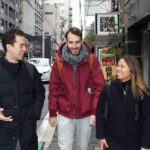
The class meets in front of the Latitude 35° Story Monument (北緯35°物語). Your guide will be holding an orange board with the MagicalTrip name, so it’s usually easy to spot even if you arrive a little early.
Small group size (limited to 8 participants) is more than a number on a booking page. In a kitchen, that usually means you’re not waiting around while someone explains the same steps to five more people. It also helps with translation, since English guidance has to match what the chefs are doing in real time.
Plan to arrive with a clear appetite. This is not a quick bite-and-watch format. You’re there for 150 minutes of cooking, then you eat the full meal you made: ramen, gyoza, and fried rice.
You can also read our reviews of more tours and experiences in Kyoto.
The 150-Minute Flow: From Dough to Dinner
The class timing is built around a simple loop: prep → cook → assemble → eat. Because the session is 150 minutes, there’s enough time for you to participate without the day eating up your entire evening.
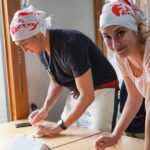
In practice, you’ll spend a chunk of time working on the ramen dough (mixing/kneading) and then moving into cutting and setup. After that, gyoza wrapping comes in, followed by fried rice. When people say they went from hungry to finished meal fast, this is why: the class moves with purpose.
The biggest “timing” tip is mental, not logistical. If you’re nervous about knife work or dough handling, tell yourself you’re learning a routine, not trying to impress anyone. The guide’s job is to translate the chef’s instructions clearly and keep you on track.
Ramen From Scratch: Knead, Cut, and Build Your Bowl
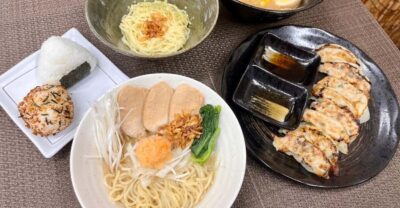
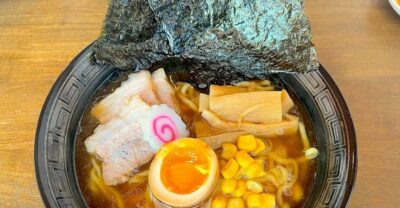
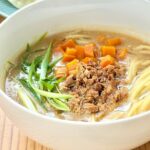
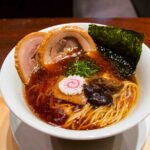
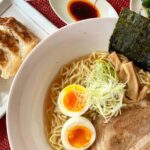
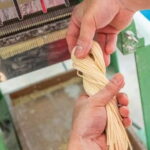
Making ramen noodles from scratch is the headline for a reason. Many Japan ramen experiences let you eat ramen and watch cooking. This one has you doing the manual work: kneading the dough and then cutting it, so your bowl has your fingerprints on it.
You’re not just turning a crank. The class focuses on getting the dough to the right feel and then handling the noodles so they work in the finished soup. When the guide and chefs stay organized, this part becomes surprisingly doable, even for beginners.
Here’s what makes this useful for your life after Japan: ramen is mostly technique. Once you understand what the chef is doing during kneading, cutting, and topping, you can recreate the experience at home with your own ingredients later. That’s exactly what the take-home recipe materials are for.
And yes, there’s a little context during the experience. You’ll hear about how ramen spread in Japan, including the commonly shared timeline that points back to the late 1600s and then the 1910 mainstream push connected to Asakusa’s Rairaiken. It’s not a lecture. It’s there to make what you’re cooking feel like part of a bigger story.
Gyoza Wrapping: Your Dumplings, Your Plate
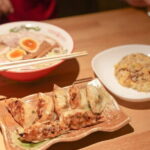
Gyoza is the other core skill, and this class treats it like a craft. You’ll wrap your own dumplings, then you’ll eat them as part of the meal rather than as a token snack.
The “why it matters” here is confidence. Gyoza can seem mysterious if you only ever order them at restaurants. When you wrap them yourself, you learn how the filling and dough behave together, and that changes how you understand every future plate of pan-fried dumplings.
Pairing is part of the fun. You get two drinks included, and gyoza is often where beer or sake feels especially right. Many participants highlight the way drinks are handled during the class, including quick refills when cups get empty.
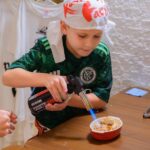
One small reality check: gyoza can be a little fiddly. If you’re traveling with kids (ages 6 and up), you’ll need to follow the supervision rules carefully around knife use and other higher-risk steps. It’s still doable with careful help, but it’s not a hands-off cooking class for young children.
Fried Rice Lessons That Don’t Feel Like an Afterthought
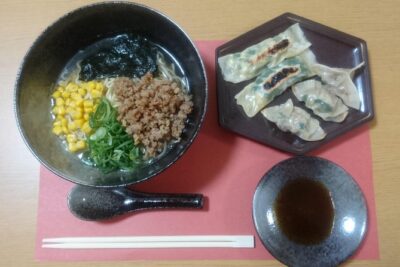
You don’t just get ramen and gyoza here. You also learn fried rice as part of the same session, so you leave with a complete comfort-food set.
That matters for two reasons. First, it rounds out your meal, so you’re not left hungry after the ramen excitement. Second, it gives you a second technique to recreate later. Fried rice is forgiving compared to noodles, so it’s a great “practice win” at home.
The class structure keeps fried rice connected to the rest of your cooking flow, which helps you understand the order of tasks. When you see how chefs move from cooking to assembling a full meal, it gives you a template for cooking at home instead of treating each dish as a separate project.
Pro Chefs + English Guide: What Makes This Class Work
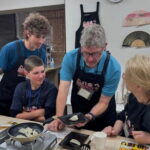
In a kitchen, the difference between a good class and a frustrating one is translation plus pacing. This experience is built around an English instructor and an English-speaking local guide working alongside the ramen master and chefs.
Names you may recognize from past sessions include Rika, Yuki, Shiori, Ayuri, and Ken as guides who provided translation and explanations that kept the group comfortable. One recurring theme in that kind of feedback is that the guide doesn’t just translate words. They translate timing and technique, which is what you need when you’re kneading dough, handling dumplings, and cutting noodles.
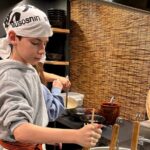
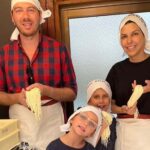
Another practical plus: guides also help with the fun side of the experience. Several participants mention lots of photos and even videos, taken during the class so you don’t have to balance phones while your hands are covered in flour.
The best way to use this setup is simple: ask questions in the moment. If something feels off while you’re shaping dough or wrapping gyoza, say it early. With a small group and active guidance, you can usually fix course quickly.
Drink and Meal Experience: Beer or Sake Included
You get two drinks included with the tour price. Options include beer, sake, or soft drinks.
This isn’t just a perk. It’s part of how the class naturally lands you in dinner mode. After kneading and cutting, it’s hard to stay patient for a long “sit and watch” segment. The drinks help the meal feel like a celebration of what you just made.
Also worth knowing: the format can include a little service rhythm, like guides keeping an eye on empty cups. That’s a small detail, but it makes the meal smoother.
If you’re thinking about alcohol, choose what fits your cooking pace. For sake lovers, it can pair nicely with gyoza. For beer people, it matches the relaxed dumpling-and-noodle vibe. Soft drinks are fine too.
Price Check: Does $83 Deliver Value in Kyoto?
$83 per person can look steep until you break down what you’re actually getting. At this price, you’re paying for:
- instruction from a ramen master and professional chefs
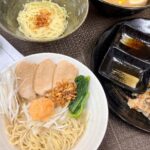
- a full meal you cook yourself: ramen, gyoza, and fried rice
- two drinks (beer/sake/soft drinks)
- downloadable recipe materials for home practice
- tour photos emailed after the class
- a small group format (up to 8 people)
If you tried to recreate this day at home, you’d quickly pay for ingredients, time, and skill-building support. This class packages all of that into a single 150-minute block, so the value isn’t only food cost. It’s the shortcut to technique plus the fun of doing it in a guided kitchen environment.
So if you’re deciding between this class and a more standard ramen lunch, choose this when you want a hands-on skill experience. Choose standard ramen when you want zero cooking, maximum speed. For many people, the cooking class becomes the better “memory per hour” option.
Who This Class Fits Best (and Who Should Skip)
This is ideal for anyone who likes ramen and wants to understand what makes it work. It’s also strong for people who enjoy practical activities, not just sightseeing.
It can work for families, since kids aged 6+ are welcome with supervision during knife use or riskier steps. If you’re traveling with children, bring the expectation that they’ll be learning alongside you, not just watching.
It’s also great for solo travelers. The class is small and naturally social because you’re all working at similar stations and sharing a meal at the end.
Here’s who should reconsider before booking:
- Vegetarian and vegan requests can’t be accommodated.
- Gluten-free meals aren’t supported.
- Allergy-free meals aren’t guaranteed since dishes are prepared outside MagicalTrip kitchens (though small adjustments may be possible).
- Wheelchair users shouldn’t book because of mobility limitations.
- If you need a completely meat-free meal, you must let the chef know at booking so they can prepare in advance.
And there’s one more practical consideration: some parts of the process may feel more chef-led than hands-on cutting for everyone. That doesn’t make it less fun, but it’s good to know if you’re craving maximum participation every minute.
When to Book Your Slot in Kyoto (Real-Life Tips)
Kyoto can be packed, so pick a time that gives you margin for walking and finding the meeting point. The meetup is specifically in front of the Latitude 35° Story Monument, and your guide holds the orange MagicalTrip board, so you can arrive and orient yourself quickly if you’re early.
Because the class starts on time and late arrivals can’t join, aim to be early rather than perfect. Cooking classes are unforgiving by design: once the dough and frying schedules start, the kitchen can’t pause for someone who arrives 15 minutes late.
If you’re planning the rest of your evening, remember you’ll eat a filling meal afterward. You probably won’t want a big dessert stop right after, unless you’re the type who snacks no matter what.
Should You Book This Kyoto Ramen & Gyoza Class?
If you want a meal that teaches you something, book it. I’d pick this class if ramen is a must-do food for your Kyoto trip and you also enjoy activities where your hands do the work.
Skip it if you need vegan/vegetarian or gluten-free options, or if mobility is an issue. Also skip if you want a passive experience where you just watch chefs cook. This class is designed for hands-on participation, even if a few steps are chef-led.
If you’re on the fence, here’s a simple decision rule: if making noodles and wrapping dumplings sounds fun, you’ll likely leave with a skill you can actually use again at home.
FAQ
What dishes will I learn to cook?
You’ll make ramen, gyoza, and fried rice from scratch during the class.
Are drinks included?
Yes. Two drinks are included, with options like beer, sake, or soft drinks.
How long is the class?
The duration is 150 minutes.
Is the class in English?
Yes. The instructor is English, and there’s also an English-speaking local guide.
How many people are in the group?
It’s a small group limited to 8 participants.
Where do I meet the guide?
You meet in front of the Latitude 35° Story Monument (北緯35°物語). The guide will be holding an orange board named MagicalTrip.
Can I request vegetarian or vegan options?
No. Vegetarian and vegan requests can’t be accommodated.
Is gluten-free possible?
No. Gluten-free requests are not accommodated.
What age is allowed?
Guests aged 6+ are welcome, and children must be supervised during knife use or risky steps.
What do I take home after the class?
You get downloadable recipe materials, plus tour photos that your guide sends by email after the experience.
Is there a refund if plans change?
Yes. Free cancellation is available up to 24 hours in advance for a full refund.