REVIEW · NAGOYA
Nagoya: Miso Ramen Lesson with plenty of vegetables
Book on GetYourGuide →Operated by Japanese Cooking Class / NAGOYA · Bookable on GetYourGuide
Miso ramen gets way more fun when you make it yourself.
This Nagoya lesson is hands-on, vegetable-forward, and built around the city’s beloved miso culture. You’ll learn how to turn aka-miso into a ramen-style soup that actually stays mild and friendly with toppings and noodles.
I especially love two things here: you make your own bowl from scratch using Nagoya miso, and you don’t stop at tasting the food—you eat the hot ramen you cooked right there. The vibe also tends to be personal, with instructors like Yuko and Chinatsu, and other friendly teachers such as Mikito and Michiyo, helping you through each step while talking culture along the way.
One thing to consider: this class does not accommodate allergies, and the menu is not vegetarian. If you need special dietary handling, you’ll want to check first and be ready for limitations.
In This Review
- Quick reasons this miso ramen class is worth it
- Why Nagoya’s aka-miso ramen hits differently
- The 2-hour flow at Higashi Lifelong Learning Center (and what matters)
- Hands-on ramen building: vegetables, soup seasoning, and your own recipe
- What you taste: hot, freshly made ramen with Nagoya character
- Price and value: what $64 buys beyond the cooking
- Language support and teaching style that keeps you comfortable
- Where it fits in your Nagoya day plan
- Who should book this miso ramen lesson
- Should you book the Nagoya miso ramen lesson with lots of vegetables?
- FAQ
- How long is the Nagoya miso ramen lesson?
- Is this lesson vegetarian or can it accommodate allergies?
- What languages do the instructors speak?
- Where do I meet for the class?
- Is transportation included in the price?
- What’s included in the class besides cooking?
Quick reasons this miso ramen class is worth it
- Nagoya’s aka-miso (red miso): darker, slightly salty miso that turns mild in ramen and works beautifully with vegetables.
- Real practice, not just watching: you’ll actively cook alongside an instructor and ask questions as you go.
- Your meal is the final product: you eat the hot, freshly made ramen on the spot.
- Take-home guidance: you can leave with a copy of the recipe and tips on miso to look for locally.
- Vegetable-heavy approach: you get a ramen style that feels lighter and more filling than heavy broth versions.
- Easy access from Nagoya Station area: meeting point is a short walk from Shinsakae-machi Station.
Why Nagoya’s aka-miso ramen hits differently
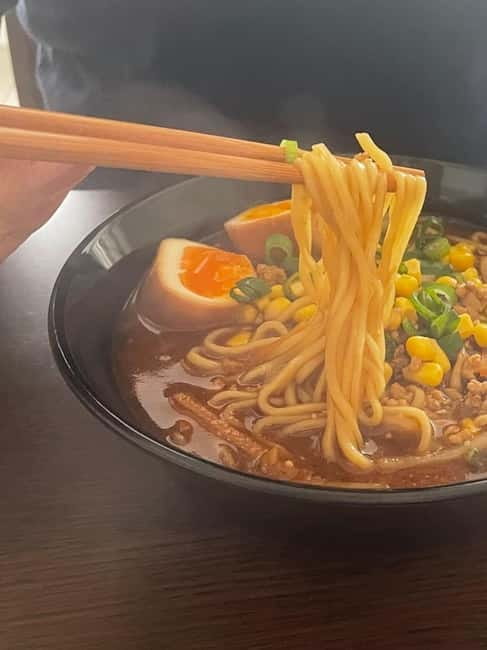
Nagoya is famous for fermentation, and miso is right at the center of that. In Japan, people sometimes treat miso like it’s just a seasoning, but here it’s more like a flavor system. This class takes that seriously by focusing on aka-miso, or red miso, from Nagoya.
What you need to know: Nagoya aka-miso is typically darker and a bit saltier than Kyoto’s lighter, whiter miso. The good news for ramen lovers is that when it’s mixed into ramen soup, the result becomes surprisingly mild—so you’re not stuck with an overly intense salty punch. Instead, the miso rounds out the broth and gives you a savory backbone that stays friendly with vegetables and noodles.
If you’ve ever had miso ramen and wondered why some versions taste rich while others taste balanced, the answer often comes down to the miso type. This lesson is useful because it teaches you the logic, not just the taste. You’ll learn a recommended approach for building flavorful ramen soup using Nagoya’s style miso, then adjust it into an original recipe for your own preferences.
The 2-hour flow at Higashi Lifelong Learning Center (and what matters)
The class runs for 2 hours, and it’s scheduled in Nagoya city. Your meeting point is Nagoya City Higashi Lifelong Learning Center, about a 3-minute walk from Shinsakae-machi Station. It’s also about 7 minutes by train from Nagoya Station, which matters if you’re trying to fit the class into a sightseeing day instead of scrambling around at the last minute.
One practical note: the location can change depending on reservation dates. You’ll get notified before you confirm, so it’s worth checking your message details after booking.
During the session, the format is built around doing. You’ll practice along with your instructor, not just watch a demonstration and take notes. You can ask questions as you cook, which is the real difference between a cooking class that teaches you and a cooking class that entertains you.
And while you eat, the lesson naturally shifts into conversation about Nagoya and sightseeing around Japan—plus your country and whatever questions you bring. That’s a small thing, but it makes the meal feel connected to place instead of being a standalone activity.
Hands-on ramen building: vegetables, soup seasoning, and your own recipe
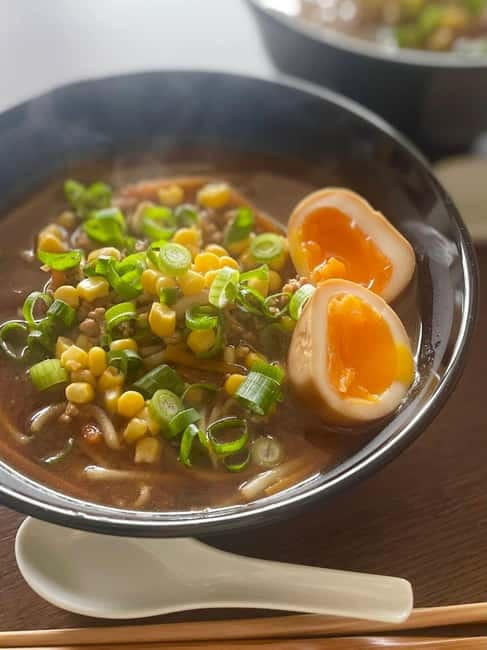
This isn’t a vegetarian ramen lesson, but it is a vegetable-forward one. The class is designed around making miso ramen with plenty of vegetables, which changes the texture and the “feel” of the bowl. Instead of leaning only on broth depth and noodles, you’re balancing flavor with fresh and cooked produce.
Here’s what the lesson experience is like in practice:
- You’ll follow a recommended recipe and learn how to create a flavorful ramen soup base.
- You’ll work step-by-step with your instructor, not alone at a station you have to figure out.
- You’ll create your own version of ramen using Nagoya miso and the vegetable approach emphasized for the class.
Since the menu includes non-vegetarian elements (and the allergy policy is limited), you should expect typical ramen-style ingredients rather than a purely plant-based setup.
The star ingredient is aka-miso. In this class, it’s not presented as a harsh, salty paste. It’s positioned as a fermentation product with character that behaves well when turned into ramen soup. That’s a key insight for cooks at home: you’re learning a miso style that contributes depth, but doesn’t have to overpower the bowl.
If you’re the type of traveler who likes turning food into skills, this part is where the value shows up. You’ll come away knowing the type of miso that matters, not just that miso belongs in ramen.
What you taste: hot, freshly made ramen with Nagoya character
After you cook, you don’t wait around for food to cool, package, or deliver. You eat the ramen you made on the spot, hot and freshly made.
That matters more than it sounds. Ramen is temperature-sensitive and timing-sensitive. If a soup sits too long or toppings are added at the wrong moment, you lose that springy noodle feel and the way the broth bonds to everything. Eating right away helps you taste what the recipe is actually aiming for.
You also get the chance to compare your bowl to the Nagoya flavor direction the lesson is built around. The miso profile here is mild in ramen, but still unmistakably miso-savoury, with the vegetable-heavy approach adding balance and variety in bite.
One helpful takeaway from the teaching: the instructors don’t just run the steps; they explain how to recreate the result later. In past sessions, teachers like Yuko and Chinatsu walked participants through each step and also provided a recipe copy and recommendations for the specific misos to look for in local stores.
Price and value: what $64 buys beyond the cooking
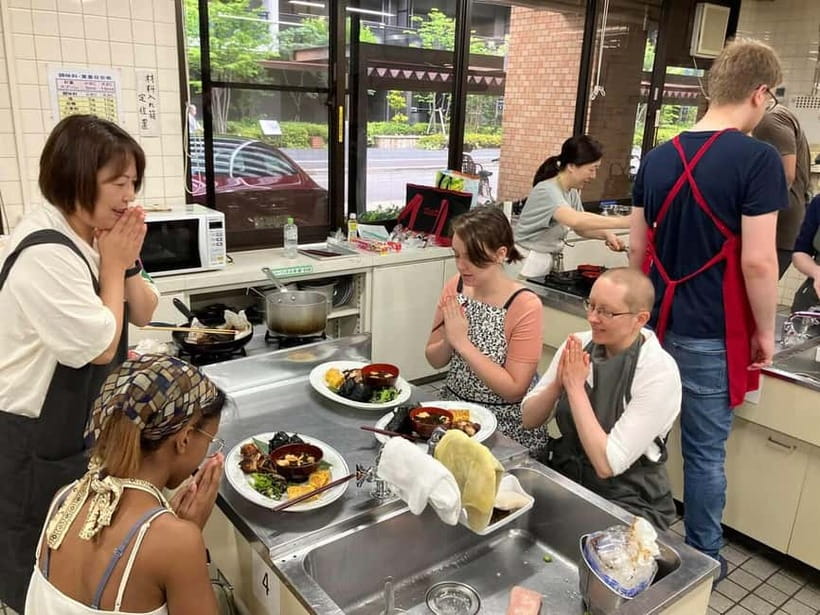
At $64 per person for a 2-hour class, you’re paying for more than ingredients and a quick meal. The included items make it feel like a real workshop:
- cooking class experience
- ingredients used
- cooking utensils
- aprons
- tasting time
Transportation isn’t included, so you’ll cover getting there, but the meeting point is close enough to make that manageable. From Nagoya Station, plan for about a 7-minute train ride plus a short walk.
What makes the price feel fair is the combination: you get hands-on instruction, you get to eat what you make, and you get guidance meant to help you recreate miso ramen at home. The take-home usefulness is the big differentiator. If you’ve ever done an activity where you learn nothing transferable, this is the opposite. The goal is that you can build Nagoya-style miso ramen again after you go back to your own kitchen.
Also, you’re paying for cultural context. The conversation about Nagoya and sightseeing while you eat is part of the experience, not an extra. It turns a cooking class into something that helps you understand what makes Nagoya food habits make sense.
Language support and teaching style that keeps you comfortable
Instructors use English and Japanese, which is a practical plus if your Japanese is limited. The class encourages questions as you cook, and the learning rhythm is interactive instead of rigid.
From past experiences in this format, the teaching has a warm, confidence-building tone. Names that have shown up include Mikito and Michiyo, and also Yuko and Chinatsu—people who lead step-by-step and make you feel comfortable right from the start.
If you’re nervous about cooking or you’re worried about language barriers, you’re likely to appreciate that support. Being able to ask questions while you work helps you fix mistakes in real time instead of guessing later.
Where it fits in your Nagoya day plan
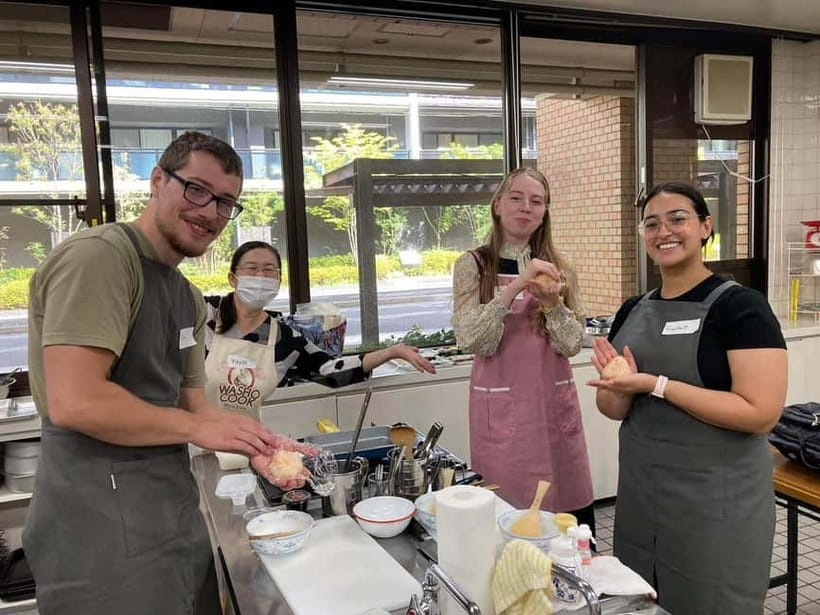
Because the class is 2 hours long and located near Shinsakae-machi Station, it’s easy to pair with other nearby plans. You can build a day around ramen and then spend the rest of your time wandering with more appetite than just photos.
A smart approach:
- Place the class earlier in your schedule if you want to use it as a food learning anchor for the rest of your trip.
- Place it later if you want a relaxing activity that ends with a hot meal and conversation.
Either way, it helps to arrive with a clear head. Cooking works best when you’re paying attention, especially since the session is about practicing a specific ramen method with Nagoya miso and vegetable-focused toppings.
Who should book this miso ramen lesson
This is a great choice if you:
- want hands-on ramen skills, not just a meal
- like the idea of learning how aka-miso behaves in ramen soup
- enjoy learning through doing and asking questions
- want a practical souvenir: a recipe you can reuse at home
It’s not the best fit if:
- you need an allergy-friendly menu (the class does not accommodate allergies)
- you’re looking for vegetarian ramen
- you only want a quick, passive food experience with no cooking practice
Should you book the Nagoya miso ramen lesson with lots of vegetables?
Book it if you want real cooking value and a tangible outcome. This class is built around practicing ramen soup using Nagoya aka-miso, making a vegetable-heavy bowl, and then eating your own hot ramen right away. For $64, the included ingredients, tools, and tasting time add up, and the take-home recipe and miso recommendations make it more than a one-off meal.
Skip it if your diet requires allergy accommodations or you need vegetarian-only options. Also, if you hate hands-on cooking or get overwhelmed in kitchens, you may find the practice part stressful rather than fun.
If you’re in the sweet spot—curious about Nagoya food culture, excited to cook, and ready to learn a ramen approach you can repeat—this is an easy yes.
FAQ
How long is the Nagoya miso ramen lesson?
The experience lasts 2 hours.
Is this lesson vegetarian or can it accommodate allergies?
This menu is not vegetarian, and it does not accommodate allergies.
What languages do the instructors speak?
The instructor provides support in English and Japanese.
Where do I meet for the class?
The meeting place is Nagoya City Higashi Lifelong Learning Center, about a 3-minute walk from Shinsakae-machi Station.
Is transportation included in the price?
No. Transportation to the venue is not included.
What’s included in the class besides cooking?
You’ll have the cooking class experience, ingredients, utensils, aprons, and tasting time. You’ll also have the food you make to eat on the spot.