REVIEW · KYOTO
Ramen Cooking Class at Ramen Factory in Kyoto
Book on Viator →Operated by Japan food entertainment Ltd · Bookable on Viator
A ramen cooking class beats another dinner stop fast. At Ramen Factory in Kyoto, you’ll learn the full noodle-to-bowl process—kneading and shaping dough, building broth, and finishing toppings—then eat what you made for lunch. I like the hands-on ramen-making part and the clear customization (flavors and toppings), so your bowl feels personal. One consideration: you’re paying for a skill-based meal, and drinks aren’t included, so plan on water or bring cash if you want extras.
This is also built for real needs, not just a one-size-fits-all class. The factory is Halal-certified, and vegetarian options are available, with vegan handled on request. With a max group size of 20 and multiple departure times during the day, it’s easy to fit into your Kyoto schedule without feeling rushed.
In This Review
- Key Things That Make This Class Worth Your Time
- Why Ramen Factory Feels Like a Real Kyoto Food Workshop
- The 90 Minutes: What You’re Actually Doing From Start to Finish
- Making ramen noodles from dough to strands
- Mixing and seasoning the soup
- Prepping toppings and finishing details
- Custom Bowls: Flavors, Toppings, and Dietary Options That Don’t Feel Like a Compromise
- Lunch That Actually Tastes Like Progress
- The Instructors: When Humor and Clarity Make the Steps Stick
- Price and Value: What You’re Paying For (and Why It’s Not Just a Meal)
- Logistics That Matter in Kyoto: Finding the Place and Timing Your Slot
- Mobile Ticket, Photos, and the Media Notice You Should Not Ignore
- Who Should Book This Ramen Cooking Class in Kyoto
- Who Might Want to Skip It
- FAQ
- FAQ
- How long is the ramen cooking class in Kyoto?
- Where does the class start, and do I need a printed ticket?
- What’s included in the price?
- Are Halal and vegetarian options available?
- Are drinks included with lunch?
- What group size should I expect?
- Should You Book Ramen Factory’s Ramen Cooking Class?
Key Things That Make This Class Worth Your Time
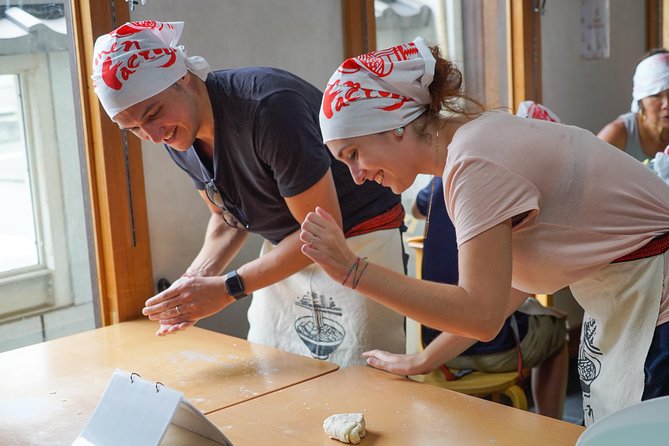
- Noodles from scratch: knead, roll, and shape the dough with instructor guidance
- Pick your bowl: choose among flavors and toppings to customize your ramen
- Lunch is the payoff: you finish by eating your own home-cooked bowl
- Halal and vegetarian-friendly: Halal-certified site with vegetarian options, vegan on request
- Small group feel: capped at 20 travelers, so you’re not lost in a crowd
- Fun teaching styles: classes can be led by instructors like Mahiro, Moeka, China, Hiro, Fuku, Haruka, Akemi, Reika, or Moe
Why Ramen Factory Feels Like a Real Kyoto Food Workshop
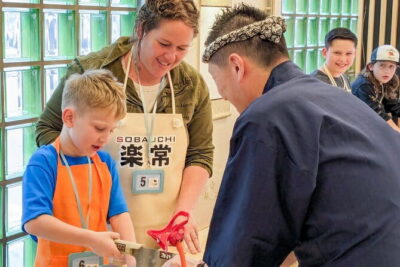
Kyoto has no shortage of cooking experiences, but this one is special because the product is the whole point: your bowl of ramen. Instead of watching a performance, you build the noodles, mix the soup, and prep toppings with close guidance and a workflow that makes sense.
The class is also paced like a workshop. You’re given steps, you practice them, and you get results you can taste right away. That matters because ramen has a few tricky textures, and doing it yourself is the quickest way to understand what “good” means beyond flavor.
If you’re the kind of person who likes to eat well and go home with a skill, this is a strong fit. You’ll leave knowing what to do when you see a ramen recipe later, not just what to order in a restaurant.
You can also read our reviews of more tours and experiences in Kyoto.


The 90 Minutes: What You’re Actually Doing From Start to Finish
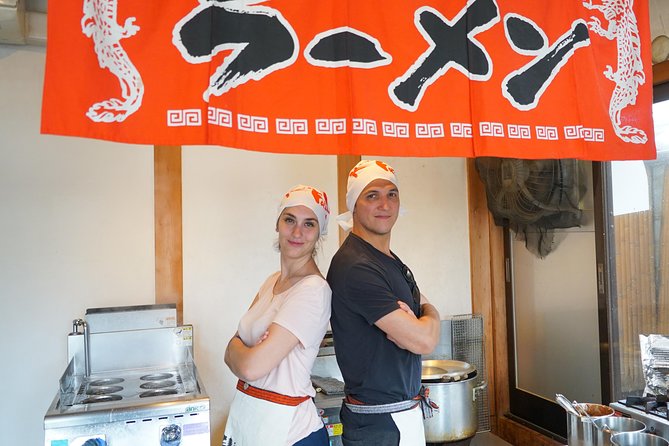
The class runs about 1 hour 30 minutes. You start at the Ramen Factory Kyoto location, using a mobile ticket. From there, the format is straightforward: the instructors walk you through the ramen process, step by step, and you handle the main actions.
Here’s what the hands-on flow typically feels like:
Making ramen noodles from dough to strands
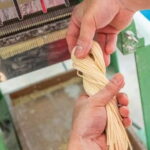
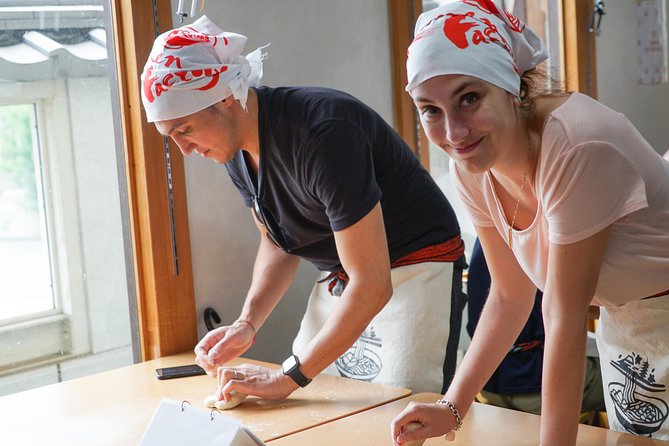
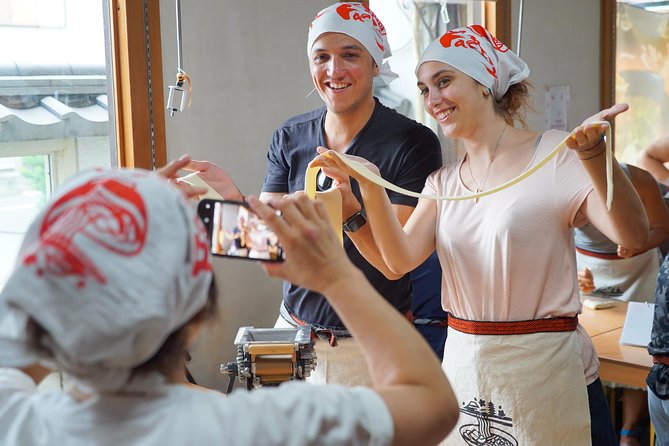
You begin with the noodle dough, then learn how to knead and roll it out. Several reviews highlight that the work is more hands-on than it looks, which is good news for anyone who enjoys tactile tasks. You’ll practice shaping and pressing the noodles so they come out ready for cooking.
This is where you pick up the most practical knowledge. Even if you never make ramen at home again, you’ll understand the texture and how dough behavior affects the final bite.
Mixing and seasoning the soup
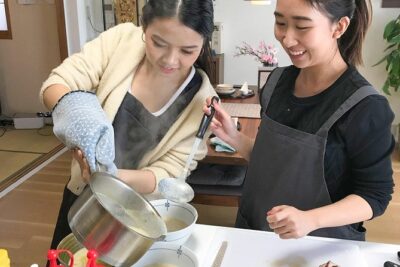
Next comes the broth side of the ramen equation: mixing the soup and adjusting seasonings. The class is designed around customization, so you’re not stuck with one flavor path. You’ll learn how components and seasoning choices change the bowl.
This part is also why ramen isn’t just noodles and toppings. Once you see the soup process in action, restaurant ramen starts making more sense.
Prepping toppings and finishing details
You choose toppings from the available options, then cook and finish what goes into your bowl. Some reviews mention techniques like roasting or torching meat after cooking steps, which helps explain that charred aroma you associate with great ramen. You’re guided on the timing so your toppings land in the bowl at the right moment.
At the end, you eat what you made. That’s not a small detail—it’s the main reason this class feels worth the time.


Custom Bowls: Flavors, Toppings, and Dietary Options That Don’t Feel Like a Compromise
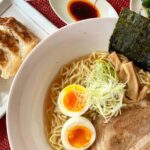
Ramen Factory builds flexibility into the experience. You can choose from a variety of flavors and toppings, so even if you’re traveling with people who think they want totally different ramen, you can both be happy.
Dietary needs are handled with the factory’s broader Halal setup and on-request substitutions:
- The factory is Halal-certified
- Vegetarian options are available
- Vegan options are available if you contact after booking
This is exactly how it should work. Instead of pretending one broth works for everyone, you’re told how to request the right fit. If you have strict needs, send your request quickly after booking so the kitchen has time to plan.
Also, remember what customization really means here. It’s not just choosing toppings like a menu. The class structure supports how you assemble and season your bowl, so your preferences show up in the taste you take home.
Lunch That Actually Tastes Like Progress

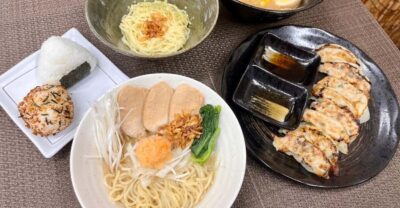
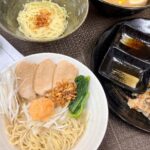
The class ends with a home-cooked lunch: you enjoy your personalized ramen bowl. That last step is important for two reasons.
First, it turns the class into a meal, not an add-on. When you spend time learning, you want the reward to match the effort. Here, it does.
Second, eating your bowl right after you make it locks in what you did. If your noodles turned out thicker than you expected, you taste how that changes the bite. If your broth came out heavier than you like, you realize what to adjust next time.
One small note: drinks are not included. That’s normal for cooking classes, but it can affect your total spend. If you’re a soda or tea person, plan on buying your own.
The Instructors: When Humor and Clarity Make the Steps Stick
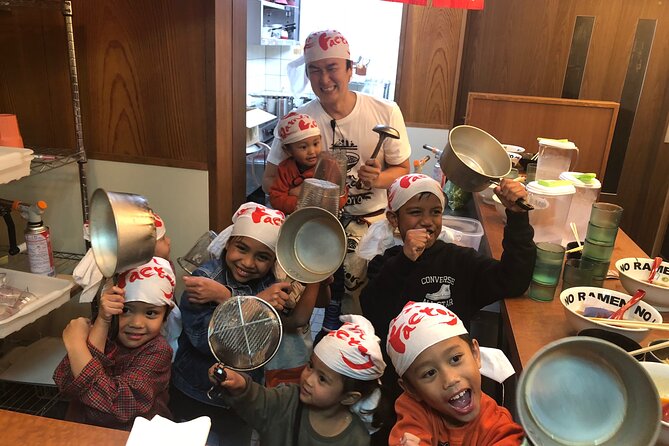
The teaching team seems to follow a consistent style: clear instructions plus a friendly, lightly funny energy. In reviews, instructors are named often, including Mahiro, Moeka, China, Hiro, Fuku, Haruka, Akemi, Reika, and Moe.
You don’t need a food science degree to enjoy this class. What you need is someone who keeps you moving and shows you what to watch for. The instructors do that, and many reviews also point out how supportive they are when you get a step wrong.
That matters because ramen isn’t always intuitive. The dough and texture steps can feel awkward at first. Having an instructor who helps you correct quickly turns the class from frustrating into fun.
Price and Value: What You’re Paying For (and Why It’s Not Just a Meal)
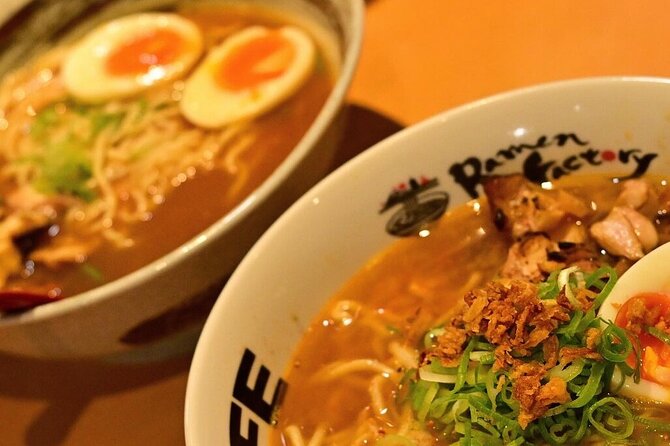
The price is $131.32 per person, and the tour includes:
- Tour escort or host
- Local taxes
- Food tasting
- Lunch
You’re also paying for the “learn it once” advantage. You get a structured lesson that covers noodles, broth, toppings, and assembly. If you’ve ever tried to follow ramen instructions online, you know how easy it is to miss the texture cues. This class gives those cues in real time.
Is it a deal compared to eating ramen in Kyoto? It depends on your travel style. If your goal is only to eat, restaurants are the faster route. But if you want a hands-on activity with a real skill outcome and a satisfying meal at the end, the price starts to look reasonable.
The small group size helps too. With a maximum of 20 travelers, you’re less likely to feel like an observer. You’re more likely to get help when you need it.
Logistics That Matter in Kyoto: Finding the Place and Timing Your Slot
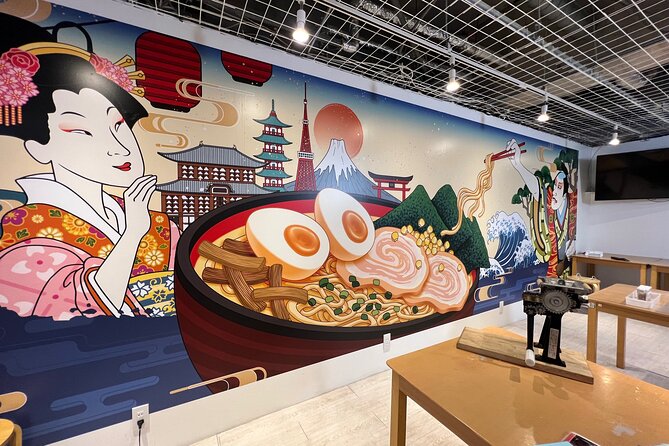
You’ll meet at Ramen Factory Kyoto, in the Kamigyo Ward area, at:
Japan, 602-0841 Kyoto, Kamigyo Ward, Kajiichō, 44714 BF1 Ramen Factory Kyoto
It’s near public transportation, which matters because Kyoto can eat your time if you’re far from rail or bus stops.
You also have several departure times throughout the day. That’s handy because ramen tastes better when you plan your appetite. If you can, pick a time that lines up with when you usually want lunch or early dinner, since the class ends with your bowl.
You should also show up hungry. The class includes lunch, but you’ll enjoy the whole process more if you’re not already full from an earlier snack run.
Mobile Ticket, Photos, and the Media Notice You Should Not Ignore
You’ll use a mobile ticket for entry. That’s simple for most travelers, but make sure your phone has battery and that you can access the ticket without digging through apps mid-line.
There’s also a media shooting notice. During the visit, you may be photographed or filmed for promotional or media purposes. If you don’t want to appear in recordings, tell staff before the class begins. They’ll try to accommodate your request.
This is one of those practical policies that’s easy to overlook. I treat it like weather: it’s not personal, but it affects how you want to handle photos.
Some reviews also mention extra keepsakes like a photo and an apron. Even if you’re not counting on that, the class clearly aims to leave you with something more than just the meal.
Who Should Book This Ramen Cooking Class in Kyoto
This class is a strong match if you:
- Want a hands-on food activity, not just a tasting
- Like learning skills you can repeat at home
- Travel with family or friends and want a shared, interactive meal
- Need Halal or vegetarian-friendly options (and can request vegan on your schedule)
It’s also a good choice if you tend to get tired of walking all day. Cooking and sitting down to eat at the end gives your feet a break without sacrificing cultural value.
Who Might Want to Skip It
Skip or think twice if you’re mainly chasing convenience. At $131.32, you’re paying for instruction and your own labor, not just a quick bowl.
Also, if you don’t want to participate in hands-on food prep at all, you may find it less satisfying than a restaurant experience. This is built for doing.
If you have a tight schedule with no room for a 1.5-hour activity, that’s another reason to reconsider.
FAQ
FAQ
How long is the ramen cooking class in Kyoto?
The class lasts about 1 hour 30 minutes.
Where does the class start, and do I need a printed ticket?
The meeting point is Ramen Factory Kyoto in Kamigyo Ward (BF1). You’ll use a mobile ticket.
What’s included in the price?
The tour includes a tour escort or host, local taxes, food tasting, and lunch.
Are Halal and vegetarian options available?
The factory is Halal-certified. Vegetarian options are available, and vegan options are available on request.
Are drinks included with lunch?
No. Drinks are not included.
What group size should I expect?
The activity has a maximum of 20 travelers.
Should You Book Ramen Factory’s Ramen Cooking Class?
If you want one of the most practical, fun food experiences in Kyoto, I’d book it. You’ll go beyond eating ramen by learning the noodle process, mixing soup, and building a bowl with your own choices. The class also handles dietary preferences with Halal certification and vegetarian options, plus a clear path for vegan requests.
Book it especially if you like interactive learning and you’re okay spending a bit more for the “do it yourself” payoff. If your priority is only budget ramen right now, a restaurant will be faster. But if your goal is a memorable meal with a skill you can carry home, this is an excellent choice.