REVIEW · TOKYO
Tokyo: 2-Hour Vegan and Vegetarian Ramen Guided Walking Tour
Book on GetYourGuide →Operated by Tokyo Ramen Tours · Bookable on GetYourGuide
Tokyo’s ramen map starts right here. This guided vegan and vegetarian walk sends you to two top ramen stops plus four mini bowls in just 2 hours. I like how you get real ramen education, not just food photos, and you also stroll through the big-name neighborhoods of Shibuya and Shinjuku. One thing to consider: you’ll need extra time and money for the train between the two areas, since it’s not included.
What really sells this experience is the variety. You can customize your bowls to match your needs, including non-vegan broth options if you want them and gluten-free noodles when available. For veg and vegetarians, it’s also one of the easier ways to taste multiple styles back-to-back without spending your trip hunting menus.
Key things that make this tour worth your time
- Four mini bowls across two ramen shops, so you can compare flavors fast
- A focused history lesson on where Hokkaido fits in ramen’s story
- You’ll hit Shibuya and Shinjuku, with the train ride built into the plan
- Vegan ramen as the baseline, with customization like gluten-free noodles
- The guide format works well for small groups and private tours, not just crowds
In This Review
- Four Mini Bowls Across Two Stops: What You Actually Get
- Where to Meet: Shibu Hachi Box and the Hachiko Shortcut
- Shibuya to Shinjuku by Train: The Smart Middle Step
- Stop One in Hokkaido-Style: Learning the Roots While You Eat
- Stop Two in Tokyo Tsukemen: The Dipping Ramen Contrast
- Dietary Flexibility That Actually Helps: Vegan, Broth Options, Gluten-Free
- The Neighborhood Walk: Shibuya and Shinjuku Without the Chaos
- The Guide Matters: From Brian to Makayla to Frank
- Included Value: Four Bowls, One Drink, and Real Context
- Time, Pace, and Logistics: The Practical Checklist
- Should You Book This Tokyo Vegan Ramen Walking Tour?
- FAQ
- How many mini bowls of ramen are included?
- Are the ramen bowls fully vegan?
- Is gluten-free available?
- Where does the tour take place?
- How long is the tour?
- Is the tour in English?
- What is included in the price?
- Do I need to pay for train fare?
- Is the tour wheelchair accessible?
Four Mini Bowls Across Two Stops: What You Actually Get
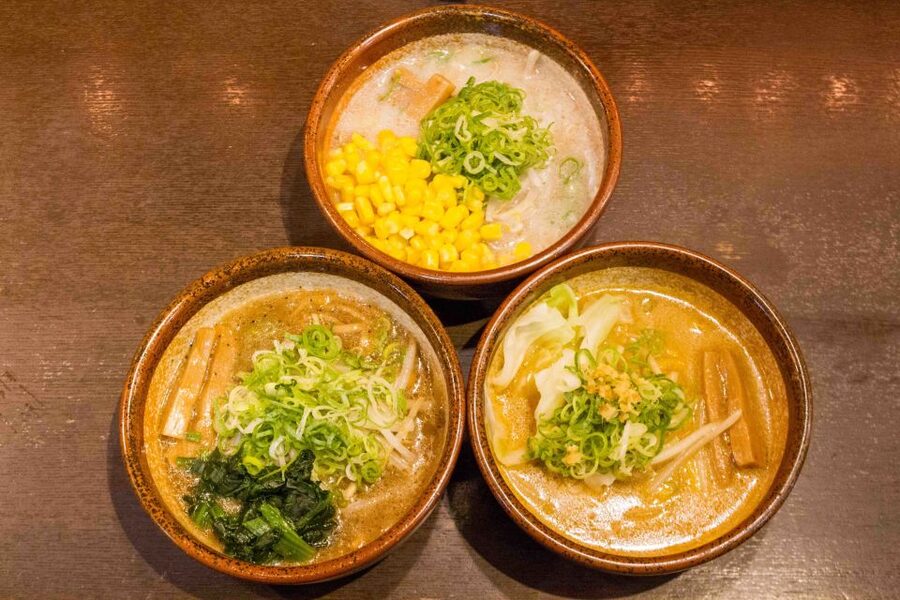
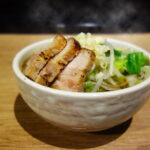
This is a short tour with a very clear payoff: you sample four mini bowls of vegan ramen during a 2-hour guided walk. The mini-bowl format matters. It lets you taste more styles without feeling stuffed, and it keeps the experience moving so you’re never stuck in a long line with one bowl as your entire plan.
You’re not only getting food. You’re also getting a ramen framework: why certain styles exist, what people associate with Hokkaido ramen versus Tokyo styles, and how the country’s regional tastes shaped the dish you see everywhere today. That makes the meal feel less like eating on autopilot and more like understanding what’s in front of you.
The tour includes 1 drink too, so you’re not walking away thinking you need to chase a beverage right after the last bowl. And because the tour is built for vegan and vegetarian diners, you’re likely to spend less time doing frantic menu translation and more time enjoying the flavors.
Where to Meet: Shibu Hachi Box and the Hachiko Shortcut
Meet in front of Shibu Hachi Box, directly across from the Hachiko statue. The guide is waiting a bit to the left under the word Shibu, holding a sign for Tokyo Ramen Tours.
That might sound small, but in Shibuya it’s a big deal. Hachiko is the anchor point you can’t miss. If you arrive a few minutes early, you’ll have time to find the correct spot without stressing. This is also one of those tours where you want to start on time, since the whole plan is built around two different shops with a train hop in between.
If you’re nervous about meeting points, do this: get to the Hachiko area, then look for the guide sign. Don’t wander into side streets for too long. Stay close to the front-of-station landmarks and you’ll be fine.
You can also read our reviews of more tours and experiences in Tokyo.



Shibuya to Shinjuku by Train: The Smart Middle Step
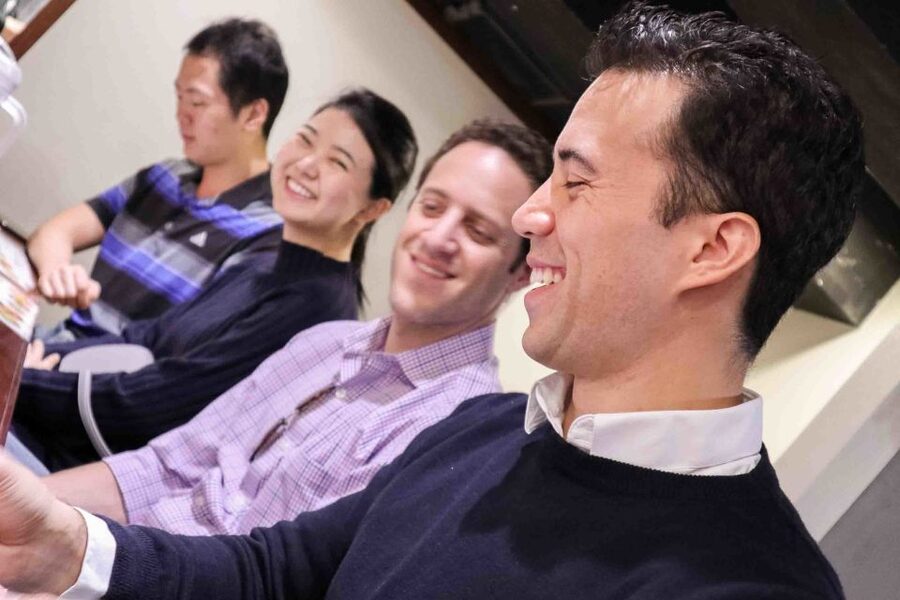
You’ll take the train from Shibuya to Shinjuku between the two ramen stops. Train fare isn’t included, so bring your transportation card or cash. That’s the one practical cost you should plan for.
Why include the train at all? Because it lets the tour cover two different food zones without forcing you to turn the experience into a long walking day. You get the fun of moving through Tokyo’s most famous neighborhoods, but your time stays focused on ramen.
Also, the train segment helps you see how Tokyo’s neighborhoods connect. Shibuya and Shinjuku feel like separate worlds until you realize how fast you can move between them. That’s useful even after the tour ends—now you know how to get yourself back to a favorite neighborhood without guessing.
Stop One in Hokkaido-Style: Learning the Roots While You Eat
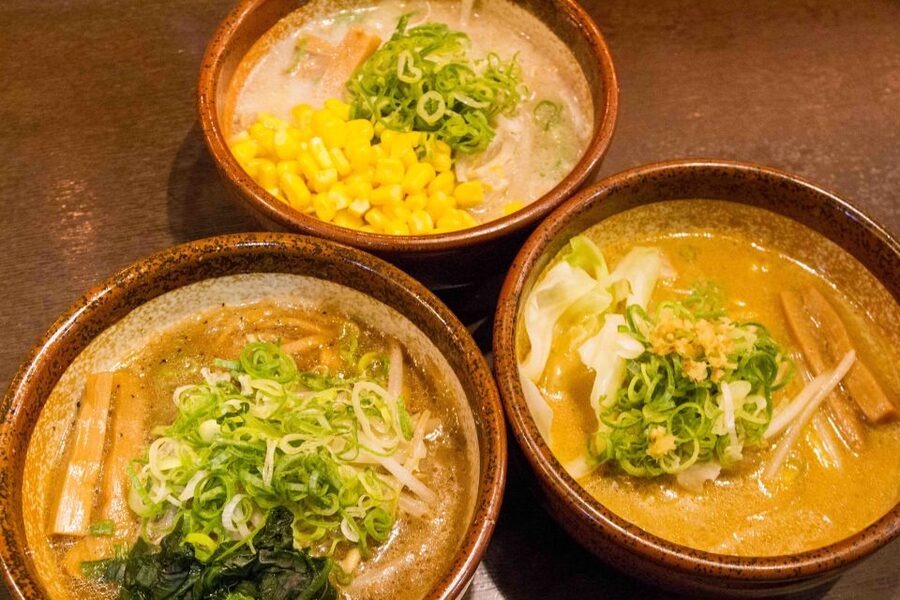
One stop focuses on Hokkaido-style ramen, and this is where the tour gets especially educational. Hokkaido has a strong place in ramen lore, and you’ll hear how its ingredients and style influenced what people later expected from hearty ramen in Japan. The guide’s goal here isn’t to turn the tour into a lecture. It’s to give you a flavor map—so when you eat, you can actually identify what you’re tasting and why it works.
Expect an authentic-feeling bowl built to fit vegan diners. Even when a dish uses familiar ramen building blocks, the vegan approach changes the experience. You start noticing things like how the base flavors are created and how toppings and noodle texture carry the bowl.
A mini bowl is the right size for this stop because it keeps your palate fresh for what comes next. If you’re a slow eater, no problem—you can still savor, but you’re not stuck finishing a full bowl before moving on to the next comparison.
Stop Two in Tokyo Tsukemen: The Dipping Ramen Contrast
The second shop specializes in Tokyo tsukemen, which is ramen designed around a dipping bowl. Instead of eating it like a soup you sip, you dip noodles into a separate sauce.
That change in format is exactly why this tour works. By the time you reach tsukemen, you’ve already tasted the idea of ramen in one style. Now you can compare something much more direct: how the sauce behaves, how the noodles hold flavor, and how the overall experience shifts when broth becomes a dipping sauce.
Tsukemen can feel different even when ingredients overlap. The guide’s ramen context helps you notice what’s purposeful: thickness, saltiness, and the way the sauce clings to noodles. For many people, this stop is the one where the favorites suddenly appear.
If you’re gluten-free, this is also where the tour’s flexibility matters, since gluten-free noodle options are available. You can keep the experience true to the style without forcing your diet into a compromise.
Dietary Flexibility That Actually Helps: Vegan, Broth Options, Gluten-Free
This is a vegan-first tour, but it’s not rigid in a way that ruins the day for mixed groups. Each ramen selection is vegan by default, and for each bowl there are non-vegan broth options available. That means if you’re traveling with someone who eats differently, you can still share the same stops and keep the experience together.
You can also request gluten-free noodles when available. That’s huge in Tokyo, where menu labels and noodle ingredients can be hard to interpret quickly. Even if you’re not gluten-free, the fact that the tour is prepared for it signals something important: the planning isn’t an afterthought.
One more point I appreciate: the guide is there to help you customize according to dietary needs. That cuts down stress. You’re not just hoping the shop can accommodate you; you’re part of a structured experience designed with these requests in mind.





The Neighborhood Walk: Shibuya and Shinjuku Without the Chaos
You’ll stroll through Shibuya and Shinjuku, two neighborhoods that can feel loud and complicated if you’re wandering alone. This tour gives you a path with purpose. You’re moving between ramen-related landmarks, not just wandering randomly looking for somewhere to eat.
The walk also makes the food feel grounded. Ramen is part of daily life in Tokyo, not a museum exhibit. Seeing the streets and crowd energy while you taste the food helps it click.
You’ll also get the benefit of having someone else manage the timing. In just 2 hours, you’re likely to hit the main ramen-food experience without spending your entire morning or evening in transit and line-watching.
The Guide Matters: From Brian to Makayla to Frank
The quality of this tour comes down to the guide. The best versions of this experience don’t just bring you to shops; they turn ramen into a story you can taste.
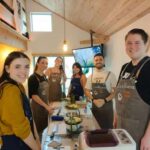
I’ve seen guides on this tour described as fun, friendly, and genuinely into ramen. Names that show up include Brian, Makayla, Bunga, Frank, and Sahori. That variety is a good sign. It suggests the provider’s focus is on matching guests with guides who can explain ramen in a way that feels natural, not robotic.
You’ll hear lots of useful context: ramen history, regional differences, and how ramen-making ideas translate across styles. One of the smartest pieces of advice you can take from the guide style here: go early in your trip. Then you can come back later and order a full bowl of your favorite style once you know what you like.
Also, the guide’s willingness to answer lots of questions shows up repeatedly in real-world feedback. That’s what turns a food stop into a personal learning moment.
Included Value: Four Bowls, One Drink, and Real Context
Let’s talk about price and what it buys you. This costs $96 per person for 2 hours and includes four mini bowls plus 1 drink. That’s not cheap, but it’s not just paying for food.
You’re paying for:
- Access to two ramen shops in different areas
- A guided explanation of ramen styles, especially Hokkaido’s place in ramen history
- A structured way to handle dietary needs, including gluten-free noodles and vegan-first ordering
- The coordination of the in-between train segment and timing
If you tried to DIY this, you’d likely spend time figuring out where vegan ramen actually exists, then spend time deciding between styles without a clear comparison. The tour saves you that mental load, plus it delivers multiple flavor profiles in one sitting.
So for ramen lovers, the value lands in the comparison itself: you taste more, learn more, and leave with a short list of what to seek again on your own.
Time, Pace, and Logistics: The Practical Checklist
Plan for a 2-hour experience with a train ride between the two ramen stops. You’ll want to be punctual at the start since the meeting point is specific and the plan depends on meal timing.
Bring:
- Your transportation card or cash for the train fare
- Any dietary notes you want your guide to know ahead of time
- Comfort for short walking segments in Shibuya and Shinjuku
It’s also listed as not suitable for wheelchair users. If mobility is a factor for you, this is an important filter before you spend time considering the tour.
Group size can vary because it’s offered as private or small groups. Small-group tours usually feel easier for questions and ordering, which matters a lot when you’re customizing ramen.
Should You Book This Tokyo Vegan Ramen Walking Tour?
Book it if you fit at least one of these boxes:
- You want multiple vegan ramen styles without hunting for them yourself
- You like the idea of pairing eating with ramen history and regional context
- You’re visiting Shibuya and Shinjuku anyway and want a food-driven route
- You need gluten-free noodles or you want a vegan plan that’s built-in
Skip it if:
- You have trouble with short walks and it’s important that the activity be wheelchair accessible
- You hate train segments or you’d rather spend your time doing one long meal on your own
My take: this is a strong choice for the first half of a Tokyo trip. You’ll taste, compare, and learn what to order again later. Then you can turn that knowledge into your own Tokyo ramen routine.
FAQ
How many mini bowls of ramen are included?
You get 4 mini bowls of vegan ramen during the 2-hour tour.
Are the ramen bowls fully vegan?
The tour is vegan, and the ramen is presented as vegan. There are also non-vegan broth options available for each bowl.
Is gluten-free available?
Yes, gluten-free noodles are available as an option.
Where does the tour take place?
The tour focuses on Shibuya and Shinjuku, with two ramen shops as stops.
How long is the tour?
The tour lasts 2 hours.
Is the tour in English?
Yes, the live tour guide offers English.
What is included in the price?
The tour includes 4 mini bowls of ramen and 1 drink.
Do I need to pay for train fare?
Yes. Train fare from Shibuya to Shinjuku is not included, so bring a transportation card or cash.
Is the tour wheelchair accessible?
No, it’s not suitable for wheelchair users.