REVIEW · TOKYO
Mt. Fuji & Hakone: Fuji Sengen Shrine, Cruise, and Ramen-Making
Book on Viator →Operated by LIMON Tours · Bookable on Viator
Mt. Fuji in one day is a tall order. This tour packs the best odds: Lake Ashi views, ramen you make yourself, and the Fuji-area shrines and ponds that people come back for again and again.
What I like most is how much you get without fighting Tokyo transit. The tour runs on an air-conditioned bus with free Wi‑Fi, plus round-trip transfers from Shinjuku. One thing to factor in: this is a lot of walking, especially if you choose the staircase to the Arakura observatory.
Key points to know before you go
- Shinjuku start at 7:40 am keeps you ahead of the crowds and traffic
- Lake Ashi cruise is the classic Fuji photo angle, weather permitting
- Ramen-making lunch lets you pick soup base, toppings, and noodle firmness
- Arakura Fuji Sengen Shrine climb includes a 398-step option to the Churei-to Pagoda deck
- Oshino Hakkai ponds are tied to Fuji’s meltwater and volcanic filtration over decades
- Guides like Yoko, Mami, and Hiro are repeatedly praised for clarity and problem-solving
In This Review
- Why This Mt. Fuji and Hakone Day Feels Worth Your Time
- Price and Logistics: What $128.69 Really Covers
- The 7:40 am Shinjuku Start: Comfort, Wi‑Fi, and Staying On Track
- Lake Ashi Pirate Ship Cruise: Fuji From the Water (When the Weather Plays Nice)
- Ramen-Making Lunch at the Mt. Fuji Ramen Factory: This Is the Hands-On Win
- Arakura Fuji Sengen Shrine (or Tenku no Torii): The Best Fuji Photo Climb
- Oshino Hakkai: Eight Ponds, Fuji Meltwater, and a Different Kind of Souvenir Stop
- Timing, Bathrooms, and the Pace That Makes or Breaks the Day
- The Tour Guide Factor: When Yoko, Mami, or Hiro Shows Up
- Who This Tour Fits Best (And Who Might Feel Rushed)
- Small Comfort Details That Matter on a Long Day
- Should You Book This Mt. Fuji and Hakone Tour?
- FAQ
- What time does the tour start and where do I meet?
- How long is the tour?
- Is there an air-conditioned bus?
- Do I need to use public transport to reach the sights?
- Is the Lake Ashi cruise included?
- What happens if the cruise can’t run due to weather or service issues?
- What does the ramen-making experience include?
- Are vegetarian, halal, or vegan meals available?
- How much walking is involved?
- What’s the maximum group size?
- Cancellation and flexibility (quick heads-up)
Why This Mt. Fuji and Hakone Day Feels Worth Your Time
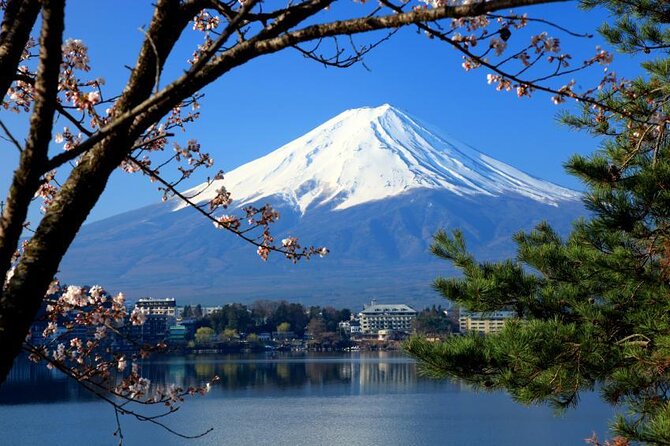
This isn’t a slow “wander and hope” day. It’s built like a best-of sampler, focused on three things you actually want from a Fuji/Hakone trip: iconic views, hands-on culture, and a food experience that doesn’t feel like a gimmick.
You’ll spend the day moving through Hakone and the Fuji region in a tight rhythm: a cruise for scenery, a ramen-making lunch for something interactive, and then shrine and pond stops that explain why this area matters beyond photos. If Mt. Fuji is visible, you’ll catch it from multiple angles. If it’s cloudy, you still get a meaningful cultural day with sights that don’t disappear just because the sky gets grumpy.
The value angle for me is simple: you’re paying for logistics done for you—bus, transfers, timing, and an English-speaking guide—so you can spend your energy on the places, not on figuring out the train connections.
Price and Logistics: What $128.69 Really Covers
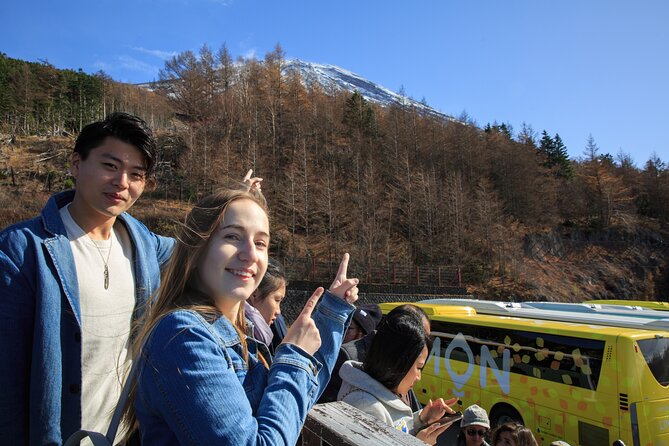
At about $128.69 per person, the cost isn’t just “tickets to Japan’s highlights.” You’re also buying down friction. The tour includes an air-conditioned bus, round-trip transfers from Shinjuku, an English-speaking guide, and the ramen-making experience/lunch. Plus, the Lake Ashi cruise boarding ticket is included if you choose that option.
That matters because Shinjuku to Hakone can be a headache—especially when you’re also trying to maximize daylight for Mt. Fuji views. With this format, you don’t have to plan each hop, buy separate tickets, or worry about missed connections. The trade-off is that you’re on a fixed schedule, so you’ll want to be early and ready to go.
Duration is about 11 to 12 hours, so it’s a full day. If you’re the type who hates being rushed, you’ll want to be okay with short site blocks and walking time. If you like structure and a packed itinerary, you’ll probably feel like it’s money well spent.
You can also read our reviews of more tours and experiences in Tokyo.


The 7:40 am Shinjuku Start: Comfort, Wi‑Fi, and Staying On Track
Meet at Shinjuku Center Building near JR Shinjuku Station (about a 7-minute walk). The start time is 7:40 am, and the bus leaves as scheduled—no waiting for late arrivals.
This is where the tour earns points for comfort. You’re on an air-conditioned coach with free Wi‑Fi. That sounds like a small thing, but on a long day it helps you stay calm, check maps if you want, and keep your phone charged. Also, you get the guide and group energy early, so the morning doesn’t feel like a solo scramble.
Two practical tips from watching how these kinds of tours can go:
- Arrive a little early and scope the exact meeting spot. Shinjuku is huge, and it’s easy to end up one block off.
- If you’re nervous about finding the bus, pick a clear landmark near the building and use that as your anchor.
Group size maxes at 42, which is large enough to be efficient but small enough that you’re not stuck in a totally chaotic mob.
Lake Ashi Pirate Ship Cruise: Fuji From the Water (When the Weather Plays Nice)
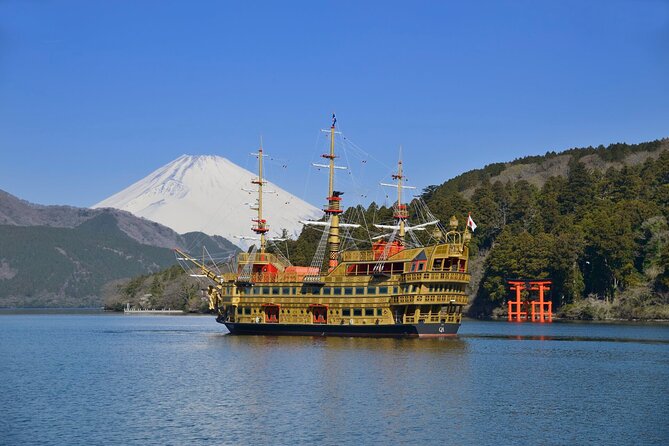
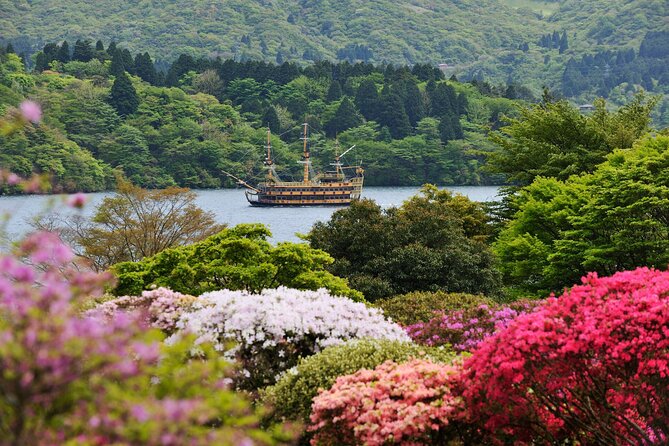
The day kicks off with the Lake Ashinoko/Lake Ashi area and a sail on the Hakone Pirate Ship. The core idea is classic: you’re on the water for the Fuji view angle, with the lake and surrounding greenery (or cherry blossoms, depending on season) wrapping around you.
This is also the most weather-dependent part. If the cruise becomes inaccessible—bad weather, service suspension, traffic issues—the tour plans an alternative. Refunds aren’t given for those weather/operational changes, so you should book with the mindset that Fuji views are a bonus, not a guarantee.
Even with cloud cover, this stop is useful. It breaks up the long road trip early and gives you a calm, scenic breather before the rest of the day gets busy with walking and temples. If the mountain does appear, it often looks more dramatic from the lake’s open space than it does from the roadside.
Ramen-Making Lunch at the Mt. Fuji Ramen Factory: This Is the Hands-On Win
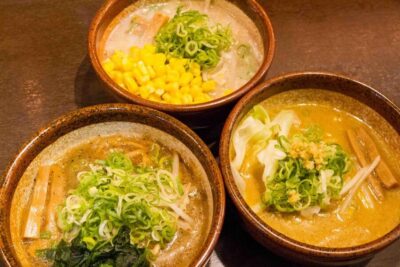
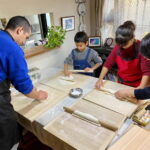
The ramen factory stop is the “do this now” part of the day, and it’s a smart choice. You’re not just eating ramen—you’re making noodles from scratch, then building your bowl by choosing:
- soup base
- seasonings
- toppings
- and even the noodle firmness
That turns lunch into an experience, not a line item. The session runs about 1 hour, and the meal is included as part of the tour package.
A couple details make this feel more authentic than many “food experiences”:
- It’s interactive. You’re making decisions and doing steps, so you remember it.
- It’s tied to the theme of the day—Mt. Fuji/region vibes instead of a generic restaurant stop.
Comfort-wise, be aware that the lunch format can mean seating that’s low to the floor, which may feel awkward if you have mobility limits. There’s no mention of special accommodations beyond dietary notes, so if you’re sensitive to sitting on the floor, plan for that.
Dietary note you should not ignore: vegetarian requests can be handled if you message the provider at least 7 days before the tour. Halal and vegan lunches aren’t available.
Arakura Fuji Sengen Shrine (or Tenku no Torii): The Best Fuji Photo Climb
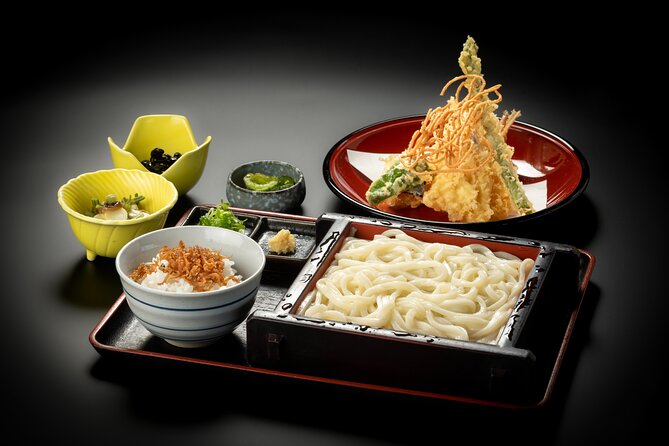
This is the spiritual and scenic payoff. You’ll visit a Fuji shrine of your choice: Arakura Fuji Sengen Shrine or Tenku no Torii. In either case, the focus is on the views and the cultural storytelling around Fuji.
Let’s talk Arakura first, because it comes with a built-in wow moment. The shrine is Shinto, founded over 1,500 years ago (dating to 705). You’ll walk through a grand red torii gate, then up a stone staircase toward the main hall area. Along the route you pass smaller shrines devoted to safe childbirth (Shiogama Shrine) and fire protection (Atago Shrine).
Then comes the key practical detail: to reach the observatory area and Churei-to Pagoda, you can choose either:
- a staircase route with 398 steps, or
- a gentler sloping path.
This “choice” matters. If you’re traveling with older relatives or you just don’t want to test your knees at elevation, use the sloping path. The tour is very clear that it involves significant walking, and it’s not recommended if you have difficulty with distances like 10 to 15 minutes on foot.
If you go on a clear day, the observatory deck is the type of spot where you stop doing photos and just stare. If it’s overcast, you may still get a great sense of place—the kind of viewpoint that makes the region feel like it has gravity.



Oshino Hakkai: Eight Ponds, Fuji Meltwater, and a Different Kind of Souvenir Stop
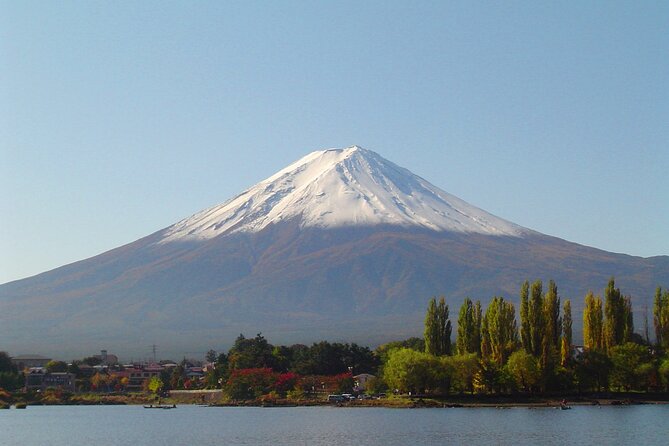
Next up is Oshino Hakkai, famous for its crisp water ponds fed by Mt. Fuji. Here’s the neat story that makes the stop more than a tourist pause: the name refers to “eight seas,” and the ponds are formed from melted snow at the peak. Volcanic rock filters the water over an 80-year process, which is why the water is so clear.
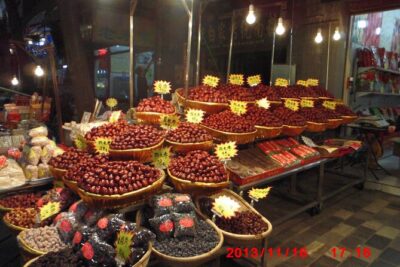
The stop also includes time around the area’s markets. You can find regional snacks and items like wine, fresh fruit, and souvenirs. In other words: after shrines and views, you get a more human, everyday slice of the Fuji region.
Why I think this works well late in the day:
- You’ve already “earned” the scenery earlier.
- Oshino gives you something slower and more sensory—water, walking paths, and local treats.
Just plan for a fair amount of on-foot movement and keep your shoes comfortable. This is not a “sit and snack” zone unless you pick a spot and commit to watching people.
Timing, Bathrooms, and the Pace That Makes or Breaks the Day

The tour runs 11 to 12 hours from a morning start, so the pacing is intense by design. The good news is that the route includes stops that give you chances to reset—something reviews often highlight as making the day feel manageable.
Still, there are two things you should plan around:
- Walking time adds up. The shrine climb choice at Arakura is the big one, but you’re also moving between the cruise area, ramen factory, Oshino paths, and return travel.
- Weather can change the cruise. If rain or conditions shut the cruise down, the tour does redirect to alternative facilities. Just don’t count on a refund for that specific part.
On food timing: ramen is included, but it’s lunch-style, not a late-night snack. If you skip breakfast or you’re sensitive to long gaps, you’ll feel it by early afternoon. Also, the tour doesn’t list lunch as optional—if the ramen option isn’t selected (for a different version of this tour), lunch wouldn’t be included. For this exact experience, ramen-making/lunch is part of the package.
The Tour Guide Factor: When Yoko, Mami, or Hiro Shows Up
This kind of itinerary lives or dies based on the guide. You’re traveling long distances, with weather variables and multiple stops. The strongest feedback points to guides who keep things organized and explain what you’re seeing without making it a lecture.
In particular, names like Yoko, Mami, and Hiro show up in strong reports. The common thread isn’t just friendliness. It’s practical problem-solving—like handling changes when the cruise pickup situation goes off-plan and arranging a new meeting point so you don’t lose the experience.
If you’re the type who likes context—why this shrine exists, what the water means, what to look for as Mt. Fuji appears—you’ll likely enjoy the guided storytelling. And if you’re more “I just want the view,” a good guide still helps you get there faster and know what’s worth your camera time.
Who This Tour Fits Best (And Who Might Feel Rushed)
This is a great match for you if:
- you’re in Tokyo for a short visit and want a full Fuji/Hakone day without transit headaches
- you want a mix of iconic sights plus a hands-on cultural activity
- you’d rather pay for organization than spend your morning building an itinerary from scratch
It might feel less ideal if:
- you have trouble walking 10 to 15 minutes at a time (the tour itself warns against it)
- you’re hoping for a leisurely day with lots of free time at each location
- you need halal or vegan food (those lunches aren’t available; vegetarian needs must be arranged at least 7 days ahead)
If you’re traveling with kids, the ramen-making can be a hit because it’s active and visual. If you’re traveling with seniors, the sloping path option to Churei-to Pagoda is a key detail to keep in mind.
Small Comfort Details That Matter on a Long Day
A full-day bus tour lives in the details. Here are the ones that actually help:
- Free Wi‑Fi keeps you from feeling stranded during the drive
- Reclining, roomy seating is repeatedly praised in feedback, which matters when you’re sitting for hours
- Multiple stops help with bathroom timing
- Photo opportunities are built into every segment—cruise, villages, shrines
One caution: you may find seating at the ramen stop can be low-floor style. If you’re not used to it, it can be uncomfortable for a while. Bring a little patience (and maybe a plan for how you’ll stretch after).
Should You Book This Mt. Fuji and Hakone Tour?
I’d book it if you want a structured, high-effort day that hits the big themes: Lake Ashi, ramen-making, Oshino Hakkai, and a Fuji shrine viewpoint. The guide quality and the comfort factor from Shinjuku are consistent selling points, and the ramen-making adds something you can’t replicate as easily on your own.
I’d skip or switch tours if you strongly dislike walking, need halal/vegan food, or you’re traveling with mobility limits that make stair climbs risky. And if you’re set on the lake cruise as your main dream, keep in mind that weather can change it—and refunds won’t cover that specific scenario.
If your goal is a memorable first Fuji day with minimal planning stress, this tour is a solid pick.
FAQ
What time does the tour start and where do I meet?
The tour starts at 7:40 am at Shinjuku Center Building, 1-chōme-25 Nishishinjuku, Shinjuku City. The meeting point is about a 7-minute walk from JR Shinjuku Station.
How long is the tour?
It runs about 11 to 12 hours.
Is there an air-conditioned bus?
Yes. The tour includes an air-conditioned bus with free Wi‑Fi.
Do I need to use public transport to reach the sights?
No. The tour includes round-trip transfers from Shinjuku, so you avoid the hassle of public transportation.
Is the Lake Ashi cruise included?
It’s included if you select the cruise option (the sightseeing cruise boarding ticket is included if selected).
What happens if the cruise can’t run due to weather or service issues?
If the cruise becomes inaccessible, the tour will take you to alternative facilities. Refunds aren’t given for this reason.
What does the ramen-making experience include?
You start from scratch, including making your own noodles. You can also choose your soup base, seasonings, toppings, and noodle firmness.
Are vegetarian, halal, or vegan meals available?
Vegetarian requests can be handled if you contact the provider at least 7 days before the tour. Halal and vegan lunches are not available.
How much walking is involved?
The tour involves a significant amount of walking. To reach the Arakura shrine observatory area, you may take either a staircase or a sloping path. It’s not recommended if you have difficulty walking distances around 10 to 15 minutes.
What’s the maximum group size?
The tour has a maximum of 42 travelers.
Cancellation and flexibility (quick heads-up)
Free cancellation is available up to 24 hours before the start time for a full refund. After that window, refunds aren’t available.