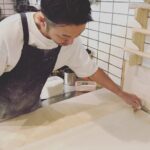
REVIEW · SAPPORO
Authentic Handmade Soba Experience!
Book on GetYourGuide →Operated by 手打ち蕎麦 もんど · Bookable on GetYourGuide
Handmade soba turns lunch into a hands-on craft. In Sapporo, I like how this Teuchi-Soba Mondo class has you work with Hokkaido buckwheat flour the same way locals do, then eat what you make. The bonus is the very focused instruction in Japanese and English, so you don’t feel lost when the dough gets tricky. One downside: it’s a short 75-minute noodle session, so you’ll leave with skills for today—not a full home-chef career.
What makes it feel special is the restaurant’s local rhythm. You’re not doing a performance for tourists; you’re doing a real soba workflow, from mixing and rolling to cutting strands, plus the post-meal tradition called soba-yu. If you’re expecting a long, multi-course saga, plan for a compact experience that centers on making noodles and sharing a simple, satisfying lunch.
In This Review
- Key Points Worth Knowing
- Sapporo’s Handmade Soba Class: What Makes It Feel Local
- Meeting at Teuchi-Soba Mondo (Hassamu 6 Jō) and Settling In
- 75 Minutes of Noodle Work: Mixing, Rolling, Cutting
- Noodles to Lunch: How You Eat What You Made
- Why Hokkaido Buckwheat Flour Matters (And How It Changes the Lesson)
- Language Support and the Human Side of the Instruction
- Price and Time: Is This Worth About $70?
- Who Should Book This Soba Experience in Sapporo
- Practical Tips Before You Go
- Should You Book This Soba Experience or Skip It?
- FAQ
- How long is the handmade soba experience in Sapporo?
- Is lunch included?
- Where do I meet for the activity?
- What languages are used during the class?
- Is it a private group?
- What is the cancellation policy and payment option?
Key Points Worth Knowing
- Hokkaido buckwheat flour is the star ingredient, tied to the region’s reputation for buckwheat noodles
- A local Sapporo restaurant hosts the class, so the pace feels like eating out with Japanese food people
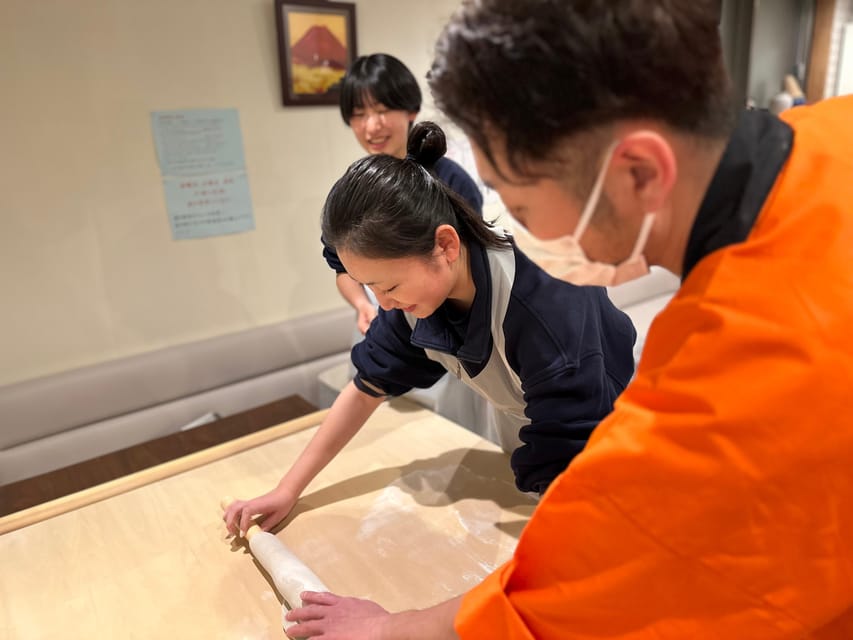
- You’ll mix, roll, and cut your own soba noodles with restaurant tools and space
- Lunch is built in: you eat the soba you made after the hands-on part
- Instruction runs in Japanese and English, helpful if your Japanese is basic
- The experience includes soba culture details, including soba-yu after your meal
Sapporo’s Handmade Soba Class: What Makes It Feel Local
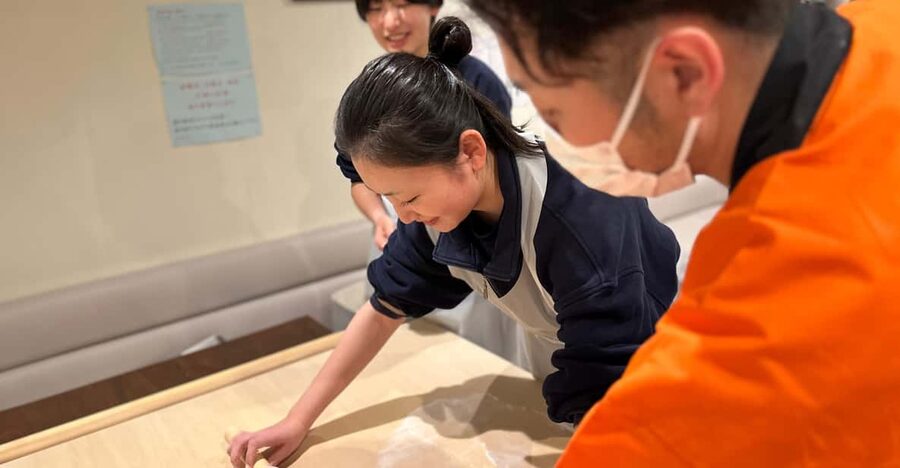
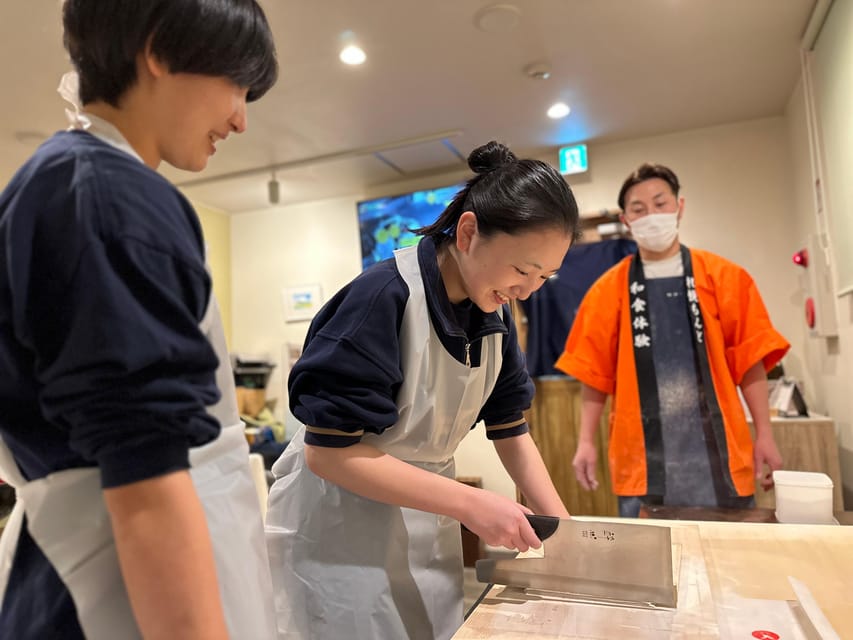
This isn’t the kind of soba class where you’re mostly watching and snapping photos. The heart of it is working the dough and cutting strands yourself, with the restaurant set up for real noodle-making. That difference matters. When a kitchen has the right tools, space, and flow, you can focus on the craft instead of fighting your environment.
Soba is one of Japan’s big traditional foods, alongside sushi and tempura, and the lesson connects the noodle to its culture. You’ll learn about why soba matters in everyday Japanese life, and you’ll get the kind of guidance that helps you understand how to eat it properly, not just how to pronounce it.
I also like that the experience is designed to feel authentic but still easy for international visitors. That balance is tricky to get right, and here it’s handled through hands-on coaching and a simple structure: make noodles, eat noodles, learn the small customs that sit around the meal.
You can also read our reviews of more tours and experiences in Sapporo.
Meeting at Teuchi-Soba Mondo (Hassamu 6 Jō) and Settling In
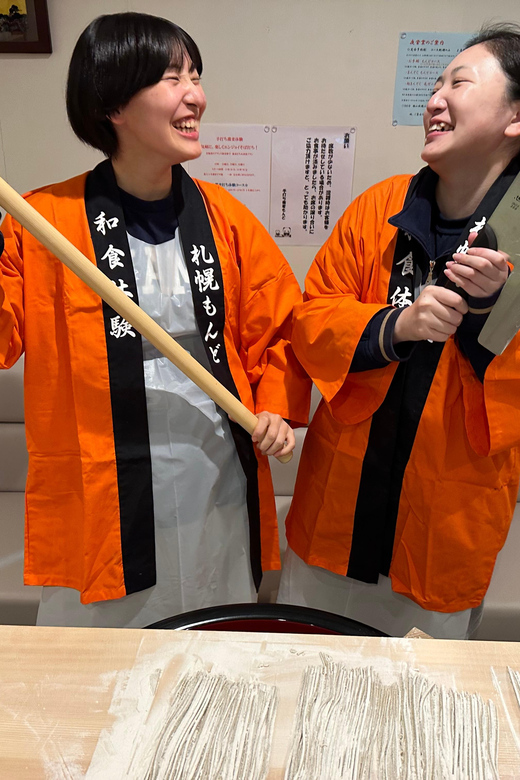
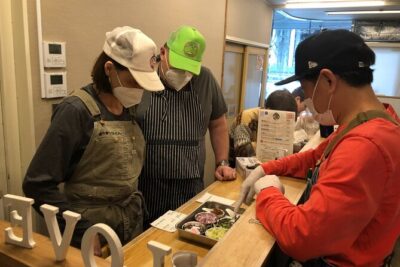
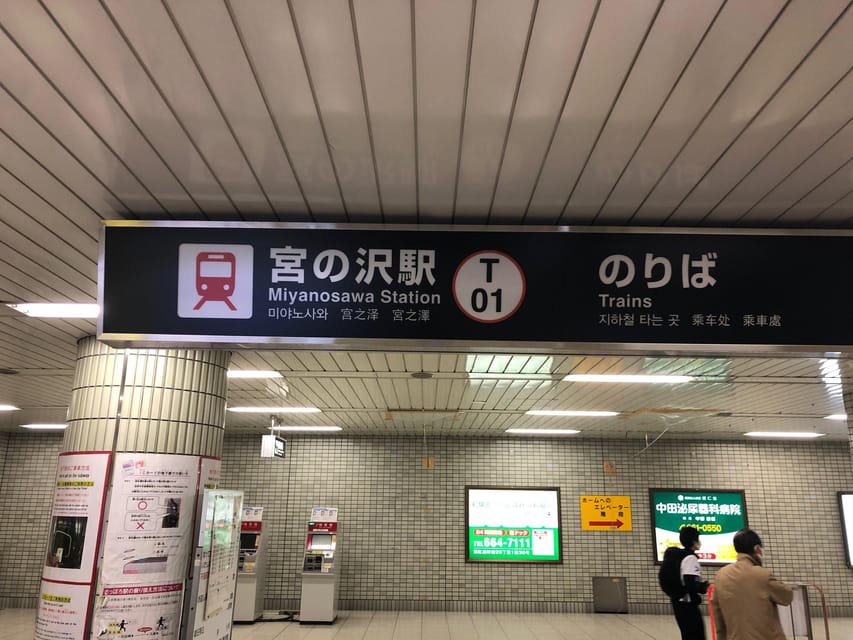
You’ll meet at Teuchi-Soba Mondo, a local favorite for lunch that specializes in handmade buckwheat noodles. The listed meeting point is 9-chōme-17-28 Hassamu 6 Jō, and the team will confirm your ticket before the start. Look for the signage and banners at the restaurant so you don’t waste time searching.
One practical comfort: you’re doing this in the outskirts of Sapporo. That sounds like a small detail, but it changes the feeling of the day. You’re not stuck in the tight push of central tourist zones. Instead, you get a calmer setting that helps you pay attention to what you’re doing—especially when you’re kneading and rolling dough.
This is also a private group experience, with a minimum of 2 adults. Private doesn’t just mean quieter. It usually means you get more direct attention from the chefs when you hit a snag with the dough, the roll thickness, or the cutting rhythm.
75 Minutes of Noodle Work: Mixing, Rolling, Cutting
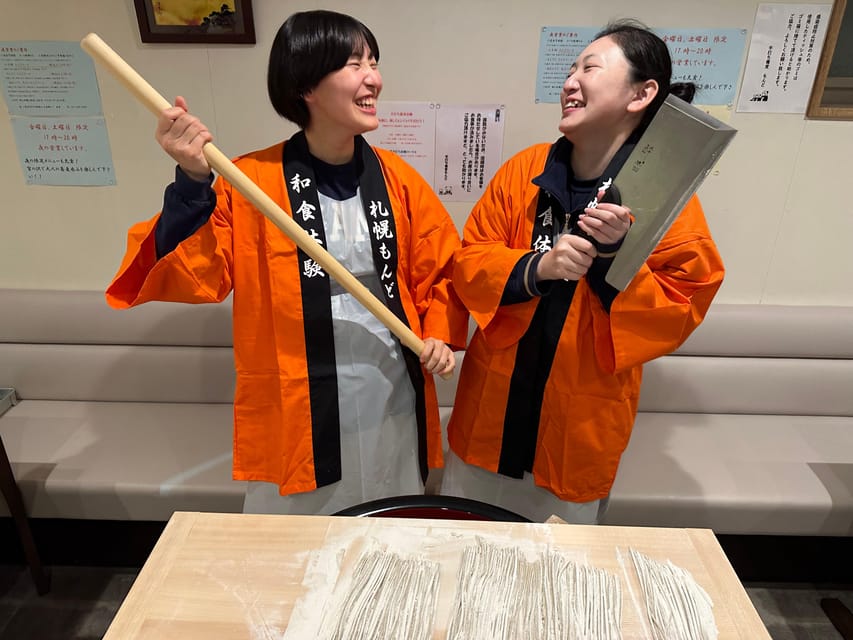
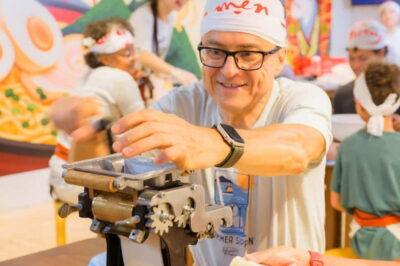
The class is listed as 75 minutes, and that’s exactly where the value is. You go beyond theory. You’ll mix the buckwheat flour dough, roll it out, and then cut each strand carefully. Soba dough can be a little finicky, and the restaurant tools and setup are there to help you succeed.
Here’s what I think is most useful about doing this at an actual restaurant: you’re borrowing the restaurant’s know-how. The team isn’t giving you a generic “make noodles at home” lesson; they’re teaching you the restaurant method, using the workspace they already rely on.
Also, this is one of those activities where the learning is physical. You’ll feel the difference as you handle the dough, rather than just hearing instructions. That’s why so many people end up enjoying it even if they’re not a big foodie. It’s part making, part craftsmanship, and part simple concentration.
Noodles to Lunch: How You Eat What You Made
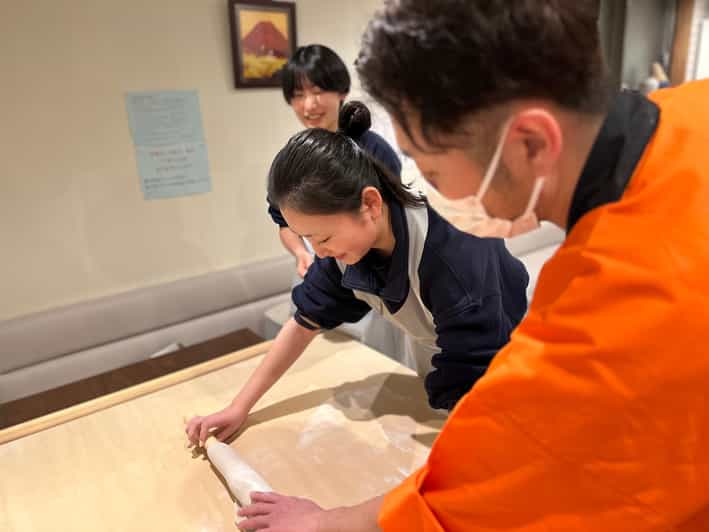
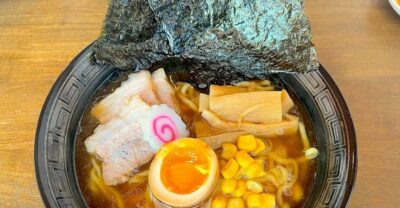
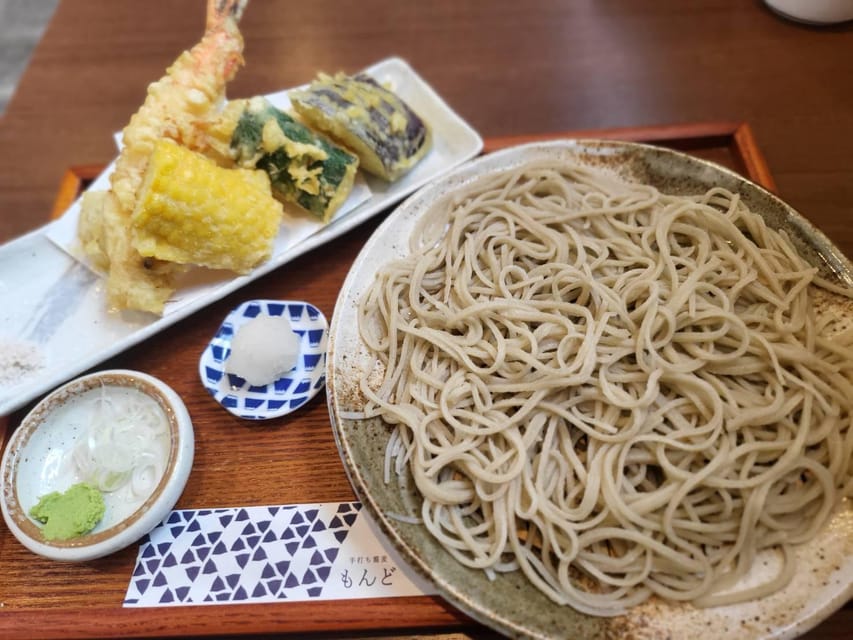
After the hands-on part, lunch is the payoff. You’ll eat the soba noodles you made, served in a way that’s tied to how soba is normally enjoyed. The experience includes learning the proper way to eat soba, so you’re not left guessing at the table.
One detail that surprised some people is that there may be an extra step involving choosing food to mix with your noodles. In other words, the meal doesn’t feel like you’re just handed a plate and sent on your way. If you like a little variety, that add-on can make your lunch feel more personal, while still staying within the soba theme.
Then comes the cultural finish: soba-yu. This is a post-meal tradition unique to Japan. You’ll learn about it as part of the experience, so it doesn’t feel like a random ritual. For me, this is where the class becomes more than cooking. It’s about understanding what Japanese diners do after the main bite.
Why Hokkaido Buckwheat Flour Matters (And How It Changes the Lesson)
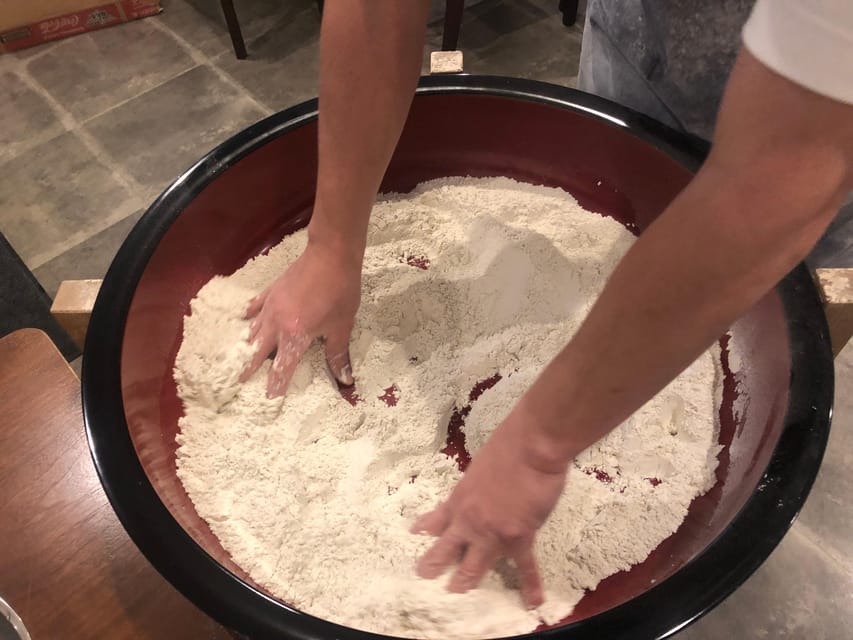
Hokkaido is Japan’s top buckwheat noodle producing region, and that reputation isn’t just marketing. In this class, the dough uses Hokkaido buckwheat flour, and that’s important because flour quality affects everything you do with the dough: how it rolls, how it cuts, and how it tastes when cooked.
It also ties your hands-on work to a specific place. Instead of learning soba as a generic skill, you learn it as a regional specialty. That gives the experience extra meaning, especially if you’re already thinking about what makes Hokkaido different from the rest of Japan.
And there’s another reason this matters for value: lots of people in Japan don’t get to make soba at all. The restaurant provides the tools and space that many home kitchens don’t have. So even if you’ve traveled to multiple food-related spots, this can feel genuinely rare—because it’s not just about eating soba, it’s about creating it in the right conditions.
Language Support and the Human Side of the Instruction
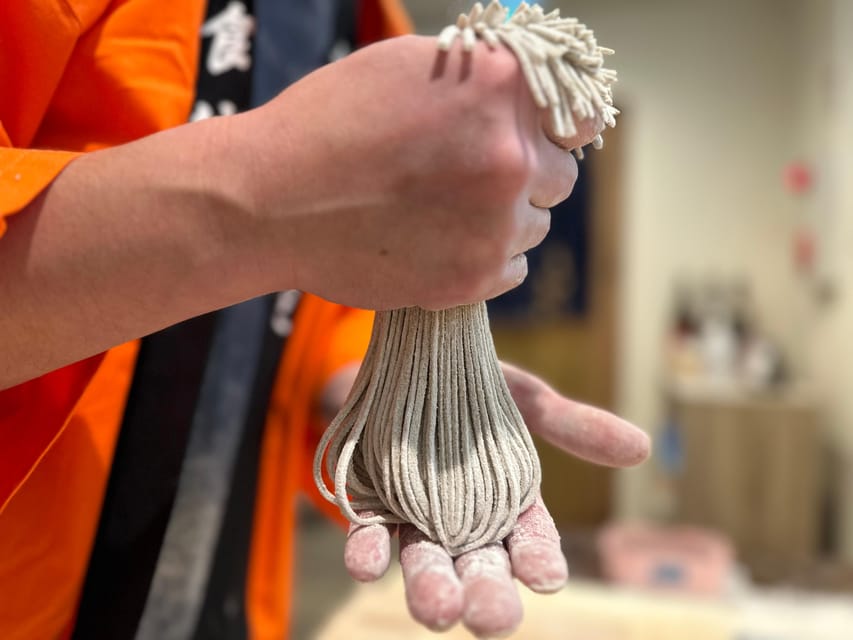
The instructor uses Japanese and English, which is a big deal for comfort. You’ll hear instructions clearly, and if something doesn’t translate the first time, you can usually catch up with the chef’s explanation. That’s what keeps the class fun instead of stressful.
I also like the tone of the team described here: warm, kind, and focused on making sure you understand how to make a good soba. That matters with noodle-making because small issues snowball. If your dough is too thick or your cuts aren’t even, you feel it right away. Having patient guidance helps you correct course quickly.
All of this is especially helpful for families. One family reported that the team handled a child’s gluten allergy. I can’t promise every dietary situation will be accommodated in every way, but it’s a good sign that they’re used to paying attention to what people need. If you have allergies, tell the staff directly and early so they can guide you appropriately.
Price and Time: Is This Worth About $70?
At $70 per person for a 1-hour experience (with a 75-minute class), you’re paying for a lot more than ingredients. You’re paying for:
- A real restaurant setup with tools and space for cutting noodles
- Hands-on coaching from Japanese chefs
- A full lunch built around what you make
- Cultural context, including soba-yu and table manners for eating soba
In plain terms, you’re buying time in a professional kitchen, plus the meal that comes out of it. If you’ve done cooking classes before, you’ll recognize the logic. But if you haven’t, it’s worth thinking of this as a guided meal experience where you’re also the cook.
The minimum is 2 adults, which keeps it from becoming a solo “wander in and watch” situation. Also, because it’s a private group, it’s often better value than public classes when you want direct attention. If you’re traveling with someone you like spending time with, this is a strong choice.
Who Should Book This Soba Experience in Sapporo
This fits best if you like hands-on travel—where your learning comes from doing, not just reading a sign. It’s also a good match if you’re curious about traditional Japanese food culture beyond eating.
You’ll probably enjoy it most if:
- You want an authentic Sapporo food activity that feels local, not scripted
- You’re okay with a short, intense class and a focused meal
- You like food traditions that have small rituals, not just big sightseeing
It might be less ideal if:
- You want a long cooking lesson with multiple dishes and lots of downtime
- You expect a purely sightseeing-style outing
- You’re looking for something that runs like a full-day tour
Practical Tips Before You Go
To get the most out of the experience, come in ready to concentrate for about an hour. Noodle-making is part skill, part feel, and it helps when you’re not rushing your attention.
Also:
- Wear comfortable clothes you don’t mind getting a little dough on (even if it’s minor).
- If you have food allergies, mention them clearly in advance so the chefs can guide you.
- Plan to eat lunch as part of the class flow. The experience is built so you’ll taste what you make, plus the soba-yu tradition after.
- If you’re traveling during busy times, check starting times and book your slot early so you’re not choosing an awkward time.
Finally, if you’re trying to keep your plans flexible, the booking format allows reserve now & pay later, and the experience also offers free cancellation up to 24 hours in advance for a full refund.
Should You Book This Soba Experience or Skip It?
I’d book it if you want a memorable, genuinely hands-on food moment in Sapporo. The strongest reason is simple: you’re not just learning soba; you’re making soba in a proper restaurant setup with Hokkaido buckwheat flour, then eating it right away. Add the cultural layer (including soba-yu) and the language support, and you get a well-rounded experience for the price.
Skip it if you’re the type who prefers browsing markets or watching from the sidelines. This is a do-the-work class. If that sounds fun, you’ll likely come away smiling—and with a better understanding of why soba is such a big deal in Japan.
FAQ
How long is the handmade soba experience in Sapporo?
The total duration is listed as 1 hour, and the class portion is 75 minutes.
Is lunch included?
Yes. The restaurant is open for lunch, and after the soba-making experience you can eat the soba you made.
Where do I meet for the activity?
You’ll meet at the restaurant, Teuchi-Soba Mondo, at 9-chōme-17-28 Hassamu 6 Jō. The team will confirm your ticket before the start.
What languages are used during the class?
The instructor provides support in Japanese and English.
Is it a private group?
Yes. The activity is listed as a private group, with a minimum of 2 adults.
What is the cancellation policy and payment option?
You can cancel up to 24 hours in advance for a full refund. There is also a reserve now & pay later option.