REVIEW · KYOTO
Ramen Broth Class by Michelin Guide Shop & Custom Chopsticks
Book on GetYourGuide →Operated by Musoshin Fit inc. · Bookable on GetYourGuide
Ramen starts with a broth, not a package. This class in Kyoto’s Gion feels practical and hands-on: you learn how to recreate ramen soup at home, and you also leave with a memorable, personal souvenir. My favorite part is the chopsticks engraved with your name, because it turns a cooking class into a take-home keepsake that actually feels Japan-specific.
The other thing I really like is how the cooking lesson connects to real ramen ingredients: fresh homemade noodles from a nearby noodle factory, plus handmade toppings and two special chashu styles. One consideration: it is not suitable for wheelchair users, and children under 10 should not participate, so it’s best for able-bodied adults or older teens who can comfortably work at a cooking station.
In This Review
- Key Things You’ll Love About This Ramen Broth Class
- A 90-Minute Ramen Reset in Kyoto’s Gion
- Starting With Your Name: Engraved Chopsticks Right Away
- The Tenugui Chef Look: How the Class Gets You Into It
- Chef-Led Ramen Broth Lessons (The Part You’ll Repeat at Home)
- Cooking the Noodles: Fresh, Homemade, and Used in Your Bowl
- Toppings and Chashu Choices: Two Styles, One Limited Here Option
- Vegan, Vegetarian, and Gluten-Free Options That Are More Than an Afterthought
- Included Photo Spot and What It Means for Your Experience
- Price and Value: Is $58 Worth It?
- Who This Class Suits Best (And Who Might Not Enjoy It)
- Quick Prep: What to Bring and How to Dress
- Should You Book This Ramen Broth Class?
- FAQ
- How long is the ramen broth class?
- Where does the class take place?
- What souvenirs do I receive?
- What will I cook and eat during the class?
- Are there vegetarian, vegan, or gluten-free options?
- Is shipping included if I want items delivered to my next hotel?
Key Things You’ll Love About This Ramen Broth Class
- Name-engraved chopsticks made right there with a dedicated engraving machine
- Musoshin tenugui (head towel) that becomes your souvenir
- A chef-led lesson focused on making broth you can recreate at home
- Fresh, homemade noodles made nearby, used during your meal
- Handmade toppings sourced from the Musoshin Gion restaurant area
- Diet support including gluten-free, vegetarian, and vegan options
A 90-Minute Ramen Reset in Kyoto’s Gion
Kyoto’s Gion district has that classic old-street feeling, and this experience uses it in a smart way. You’re not just sightseeing near the pretty lanes. You’re in a ramen-focused space where the goal is simple: learn broth basics you can actually repeat at home, then eat what you made.
The class runs about 90 minutes, which is just long enough to get meaningful cooking time without turning it into a day-long project. Instruction is available in English and Japanese, and the chef team keeps the process clear and step-by-step. You’ll likely find this format works well if you want an authentic food activity but don’t want to spend your whole vacation learning the “my aunt taught me this” kind of secret that still doesn’t help you cook later.
Also, this isn’t a demo where you sit back and watch. You wash your hands, put on the cooking gear, and get to the work. If you enjoy food you can learn from—heat control, timing, seasoning decisions—this class fits that mindset.
You can also read our reviews of more tours and experiences in Kyoto.
Starting With Your Name: Engraved Chopsticks Right Away
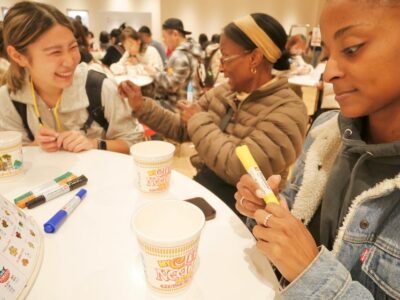
The first surprise is how quickly the experience personalizes itself. Before the broth even starts, they ask for your name. Then they engrave it onto a pair of chopsticks using a special machine, put them in a traditional Japanese box, and present the finished souvenir to you.
Why this matters: food tours can give you photos and memories, but your chopsticks are something you’ll use. And because they’re engraved, it’s not the generic souvenir kind of thing. It’s personal, and it stays with you when you cook or eat later.
This also makes the class feel like an event, not a class. You’re doing something tangible from minute one, and it sets the tone for the cooking part. Plus, your souvenir is ready during the class, so you’re not stuck guessing whether it will arrive later or require shipping.
The Tenugui Chef Look: How the Class Gets You Into It
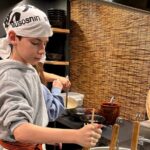
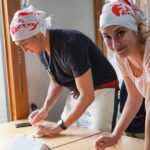
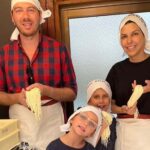
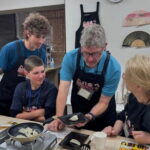
Next comes the chef transformation. You’re given a Musoshin tenugui (a souvenir head towel) and an apron. You wrap the tenugui around your head and put on the apron, then you’re ready to cook.
This sounds like a costume detail, but it’s practical. It signals that the class has a real cooking workflow—hands-on, focused, and a bit theatrical in a good way. It also creates a “you’re doing this now” momentum that makes learning easier.
One thing you’ll take home: the tenugui you use during the class (including during the noodle-making part) becomes your souvenir. So even if you rarely wear anything like this at home, you get it in a way that still feels meaningful—because you wore it while you cooked.
And yes, there’s also a special effects-themed photo spot included, so you can grab a quick fun picture while you’re in your chef mode.
Chef-Led Ramen Broth Lessons (The Part You’ll Repeat at Home)
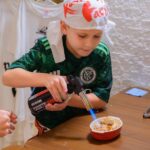
The heart of the class is ramen broth. A professional chef teaches you how to make a delicious broth step-by-step. The soup portion takes about 40 minutes to complete.
That 40-minute window is important for value. It’s long enough to learn the rhythm of ramen broth preparation: what to do first, how long each stage takes, and how the broth comes together. It also gives you time to ask questions as you cook, rather than rushing through everything at show-and-tell speed.
The class is aimed at making the process easy to recreate back home. You’re not memorizing a vague flavor profile. You’re learning a method you can follow when you’re standing in your own kitchen with your own pots and ingredients.
One useful mindset shift: ramen broth is not just “tasty water.” When you watch how the broth is built and season-adjusted, you start to understand why good ramen tastes layered. Even if you don’t copy the exact ingredients on day one, the method helps you get closer.
Cooking the Noodles: Fresh, Homemade, and Used in Your Bowl
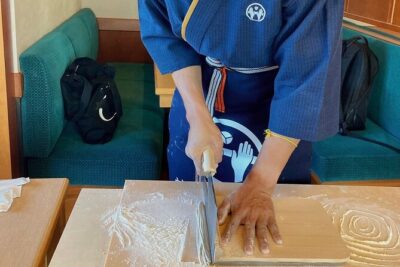
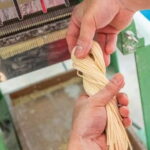
Once your broth is ready, the class moves to noodles. The key detail here is that the noodles are fresh and homemade, made at a nearby Musoshin noodle factory. That means you’re not working with dried noodles or just “assembling a bowl.” You’re cooking in a way that matches how ramen is meant to be eaten.
Fresh noodles cook differently than dried ones. You’ll feel the difference in texture and timing, and that’s part of why this class is more effective than a generic ramen tutorial. It’s not only about what the bowl tastes like; it’s about understanding how the parts behave.
Also, you’ll be building your ramen bowl yourself after the broth and noodles steps. So you don’t just learn techniques. You also experience the final result immediately.
Toppings and Chashu Choices: Two Styles, One Limited Here Option
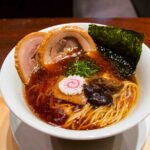
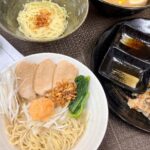
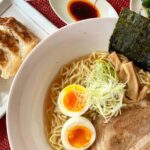
Ramen is toppings and texture, not just broth and noodles. This class leans into that truth by using handmade toppings prepared by the chefs and sourced from the nearby Musoshin Gion restaurant area.
You’ll see classic ramen structure at work on your plate:
- Seasoned soft-boiled egg
- Bamboo shoots
- Green onions
- And chashu (the star pork element)
There are two chashu options, which is a big deal because chashu is where ramen can taste dramatically different.
1) Pork belly chashu, carefully prepared over one full day in their kitchen
2) Pork cartilage chashu, pressure-cooked for two hours, seasoned with a special sauce
- This cartilage chashu can only be enjoyed in this class setting
If you’re someone who likes comparing textures, you’ll appreciate these differences. Pork belly tends to deliver rich fattiness and a softer melt, while cartilage can bring a springy, distinctive bite. Either way, you’re eating chashu that isn’t just “available in a restaurant somewhere,” it’s integrated into the class bowl experience.
Vegan, Vegetarian, and Gluten-Free Options That Are More Than an Afterthought
This is where the class earns extra credit. The experience offers options for gluten-free, vegetarian, and vegan guests. And the vegan/vegetarian support isn’t limited to toppings. It includes options for the broth too, which matters because broth is where most of the flavor foundation lives.
So if you’re eating plant-based, you’re not stuck with an apology bowl that tastes like noodles and hope. You should be able to make a complete bowl that matches the spirit of ramen, not just the shape.
Practical tip: if you have dietary restrictions, double-check what’s included for your specific option before the cooking starts. The class has different paths (broth and toppings), so you’ll want to make sure you’re following the correct one for your needs.
Included Photo Spot and What It Means for Your Experience
The class includes a special effects-themed photo spot. That can feel like a small add-on, but in this case it helps you remember the day. When you’re doing cooking, you can end up with photos that don’t show the actual experience.
Getting a fun, themed photo early or mid-class also helps you relax. You’re not constantly thinking about documenting every step. You can focus on learning the broth, cooking the noodles, and building your bowl.
Price and Value: Is $58 Worth It?
At $58 per person for about 90 minutes, this isn’t a budget cooking class. But the value comes from multiple layers that most ramen experiences don’t combine.
What you get for your money:
- A chef-led ramen broth lesson designed to be recreated at home
- Fresh, homemade noodles cooked into your final meal
- Handmade toppings and real chashu variety
- Personal souvenirs: name-engraved chopsticks and the tenugui you use
- You eat the ramen you made yourself
If your goal is only to taste great ramen once, you can find cheaper bowls. But if you want the recipe method, the ingredient know-how, and a memorable keepsake, the pricing makes more sense.
Think of it as part food lesson, part ramen workshop, part souvenir session. The name-engraved chopsticks alone are the kind of detail you usually only see at special experiences, not generic cooking classes.
Who This Class Suits Best (And Who Might Not Enjoy It)
This works best for you if:
- You like hands-on food activities where you cook, not just watch
- You want to take ramen technique home, not just a photo
- You enjoy souvenirs that are actually usable (engraved chopsticks and tenugui)
- You have dietary needs and want vegan/vegetarian/gluten-free options built into the meal
It might not fit if:
- You use a wheelchair, since the experience is not suitable for wheelchair users
- You’re traveling with children under 10, since participation should be avoided for that age group
- You want a low-effort activity. This is an interactive cooking class. You’ll be working while you learn
Quick Prep: What to Bring and How to Dress
Come ready to cook. You should bring:
- A camera
- Comfortable clothes
Comfort matters because you’ll be hands-on during broth and noodle steps, plus you’ll be wearing the tenugui and apron during the cooking phase. Dress in a way that lets you move easily and handle heat without worry.
If you’re planning to do other things in Gion the same day, it can help to wear shoes you don’t mind getting food-fun dust on. This isn’t a formal dinner night. It’s cooking.
Should You Book This Ramen Broth Class?
If you want Kyoto that’s more than walking and shopping, book it. This class gives you something practical: a ramen broth method you can repeat at home. And it gives you something memorable: engraved chopsticks and a tenugui souvenir from the cooking process itself.
It’s especially worth it if you care about ingredient quality and variety. The inclusion of fresh homemade noodles and the two chashu styles, including the cartilage chashu you can only enjoy here, makes the meal feel like it was built for the class—not just assembled for convenience.
If you’re not comfortable with hands-on cooking, or if mobility/age restrictions apply, then skip it and choose a ramen meal that matches your needs. For everyone else, this is one of those “you’ll still be talking about it later” food experiences that turns your Kyoto trip into a skill, not just a snack.
FAQ
How long is the ramen broth class?
The class lasts about 90 minutes.
Where does the class take place?
It’s taught in Kyoto’s Gion district. The exact meeting point may vary depending on the option you book.
What souvenirs do I receive?
You’ll receive chopsticks with your name written on them, and the Musoshin tenugui you use during the class becomes your souvenir.
What will I cook and eat during the class?
You’ll make ramen broth, cook the noodles, add toppings, and then eat the ramen you made yourself.
Are there vegetarian, vegan, or gluten-free options?
Yes. Options are available for gluten-free, vegetarian, and vegan guests.
Is shipping included if I want items delivered to my next hotel?
No. Shipping cost for delivering the painted items to your next hotel is not included if you request it.