REVIEW · TOKYO
Ramen & Dumpling Cooking in Tokyo with Chef/Vegan possible
Book on Viator →Operated by Luna Nueva "Japanese Cultural Experience" · Bookable on Viator
Tokyo ramen gets way easier when you cook it. In this small-group class near Ekoda Station, you’ll learn Japanese ingredients and techniques for ramen and gyoza with real feedback from Chef Amo and Yoshi (and their friendly team). You also get a real choice: a morning or noon session, so you can fit it around the rest of your Tokyo plans.
Two things that stand out for me are the hands-on cooking (not just watching) and the personal attention you get in a max 12-person setting. One possible drawback: this experience starts in a residential area, so plan a little time for getting there and walking to the home kitchen.
In This Review
- Key highlights you’ll care about
- A Tiny Tokyo Kitchen Lesson Near Ekoda Station
- What You Cook: Ramen Bowls, Gyoza, and the Bits That Make It Taste Right
- The Hands-On Flow: From Ingredients to Your Own Plated Bowl
- Morning or Noon: Picking the Session That Fits Your Tokyo Day
- Small Group Cooking: Why You Get Feedback Instead of Just Tasks
- Vegan and Vegetarian Options: Getting Real With Dietary Needs
- The Value Check: Why $102.41 Can Feel Worth It
- Who Should Book This Ramen and Dumpling Class
- Should You Book This Ramen and Dumpling Class in Tokyo?
- FAQ
- How long is the cooking class?
- Where does the class start?
- What will I cook during the class?
- Is vegan or vegetarian cooking available?
- How big is the group?
- What ticket type do I receive?
- Is free cancellation available?
- FAQ
- What if I need a morning or noon schedule?
- Is it near public transportation?
- Do I get recipes to take home?
- Can I customize my bowl?
- Will I get feedback while cooking?
- Is the class good for families?
- Is the class mostly hands-on or watching?
Key highlights you’ll care about
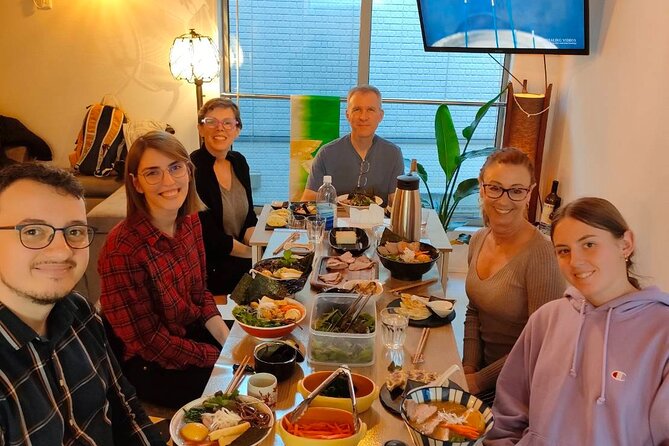
- Small group (max 12) so you can actually ask questions while you cook
- Ramen + gyoza hands-on with techniques like folding dumplings and building bowls
- Morning or noon class for easier scheduling
- Vegan or vegetarian possible, with hosts prepared for dietary needs
- Chef-led plating so you leave with a way to recreate your own signature ramen bowl
A Tiny Tokyo Kitchen Lesson Near Ekoda Station
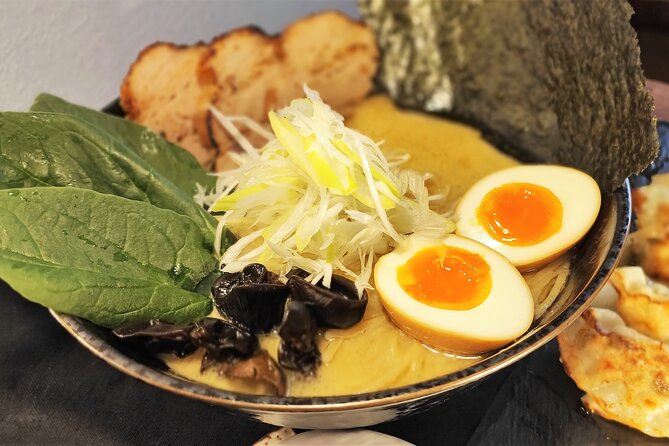
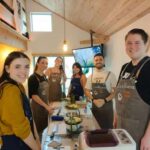
If you’re tired of tours that feel like sightseeing checklists, this one pulls you into everyday Japan: a working kitchen, a calm residential neighborhood, and a couple of people who genuinely love sharing the details. The class starts at Ekoda Station and you’ll meet there before heading to the home kitchen in Nerima City.
This matters more than you might think. Being in a neighborhood setting (not a big downtown studio) tends to make the vibe more relaxed, and you’re more likely to get direct tips instead of a rushed “pass the bowl” production line. Several participants also describe it as cozy and clean, with the space set up for cooking.
Before you go, I’d plan your transit like a pro: get to Ekoda early, then use the extra minutes to settle your bearings. The start point is a specific address area (Asahigaoka, Nerima City), and once you’re close, your guide helps you finish the last step so you don’t end up wandering.
You can also read our reviews of more tours and experiences in Tokyo.



What You Cook: Ramen Bowls, Gyoza, and the Bits That Make It Taste Right
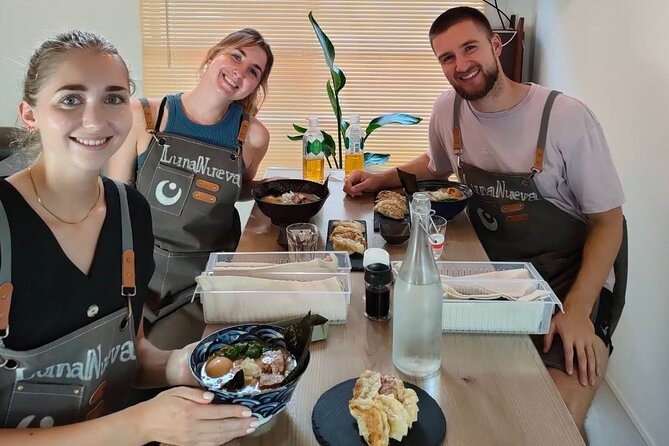
This class isn’t just ramen in name. You’re building a bowl and a meal, with multiple components that make Tokyo-style ramen feel like ramen.
You’ll learn to:
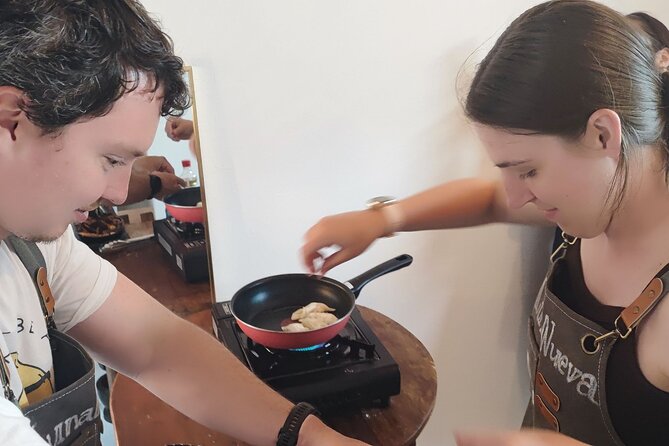
- cook gyoza and get the folding technique right
- make seasoned eggs
- work with toppings (the colorful, flavorful finishing layer)
- handle the ramen process through the big phases—broth, noodles, and assembly
- end by plating your own signature ramen bowl
One of the smartest parts of the class is that you’re not handed a single final dish and told to take photos. Instead, you practice the repeatable techniques—the kind you can bring home later. Many ramen makers at home struggle most with the “middle work”: portions, timing, and how to assemble so everything stays tasty together.
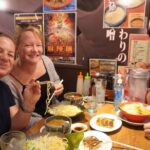
Also, come ready for a real meal. People consistently mention that there’s a lot of food and that you leave full. If you usually snack lightly on tours, I’d switch to a proper meal plan today: light breakfast or early lunch, then treat this class like dinner in the making.
The Hands-On Flow: From Ingredients to Your Own Plated Bowl
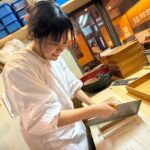
You can think of the experience as a sequence of small wins. Each step builds on the last, and Chef Amo and Yoshi keep you moving without making you feel lost.
Here’s the shape of what happens:
- You start with ingredients and the basics of what makes the flavors work together.
- You practice ramen-related prep, including components that affect flavor depth (like the broth approach) and texture (like noodles).
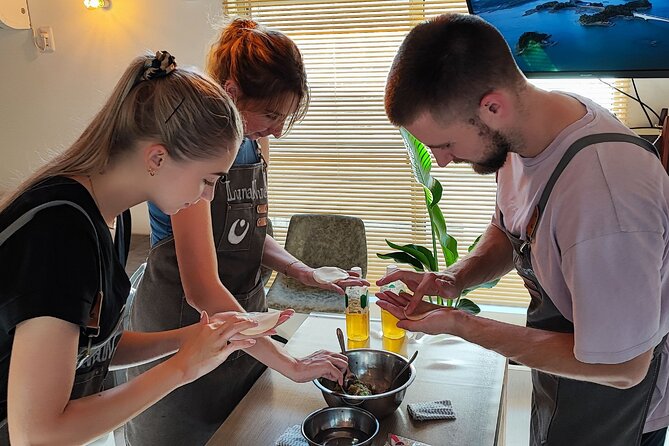
- You make gyoza using the folding method you’ll repeat until it clicks.
- You finish with toppings and assembly, then plate your ramen bowl in a way that looks good and tastes even better.
One detail I like: the broth and meat can take serious time, so the hosts handle some prep in advance—then teach you what’s involved. That means you still learn the core process without losing the whole session to waiting.
If you enjoy cooking as a skill (not just eating), this is the kind of class that rewards attention. You’ll notice how technique changes the outcome. It’s also easier to remember because you’re doing it with your hands, not reading it on a recipe card.
Morning or Noon: Picking the Session That Fits Your Tokyo Day
Tokyo is great, but timing can make or break your day. This experience gives you morning or noon options, and that flexibility helps because you’re only here for about 2 hours.
A morning class works well if:
- you want to beat crowds in central areas later
- you’d rather cook earlier than eat a late dinner
- you prefer using your energy before the day gets heavy
A noon class can be ideal if:
- your schedule is packed in the morning
- you want this meal as a centerpiece activity
- you like the idea of cooking and eating the same session
Either way, you’ll want to plan your other plans with the understanding that you’ll leave with food and likely want a slower post-class pace. People also mention the neighborhood walking afterward feels nice—quiet streets, local rhythm, and you’re already in the right headspace.
Small Group Cooking: Why You Get Feedback Instead of Just Tasks
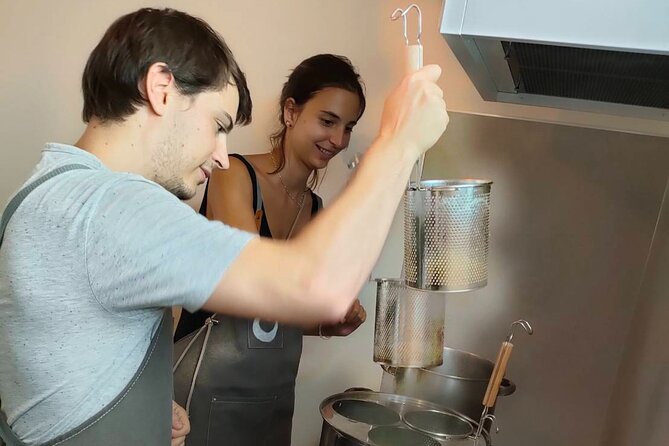
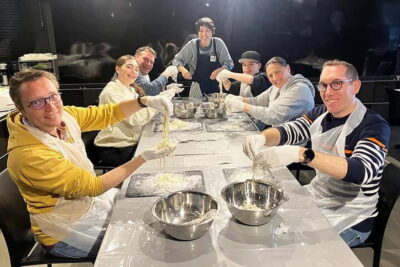
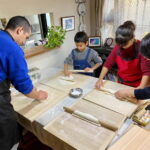
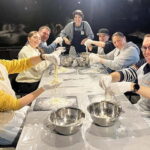
With a maximum of 12 travelers, this class stays in the sweet spot between social and personal. You’re close enough to the instructors that questions don’t get lost, and you can correct technique before it turns into a bad habit.
That’s the real value of the small group setup. In a larger class, you often spend your time following steps and hoping the result comes out right. Here, you can focus on the “why” behind the steps—how the broth approach affects taste, why certain toppings matter, and how gyoza folding changes the final bite.
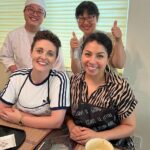
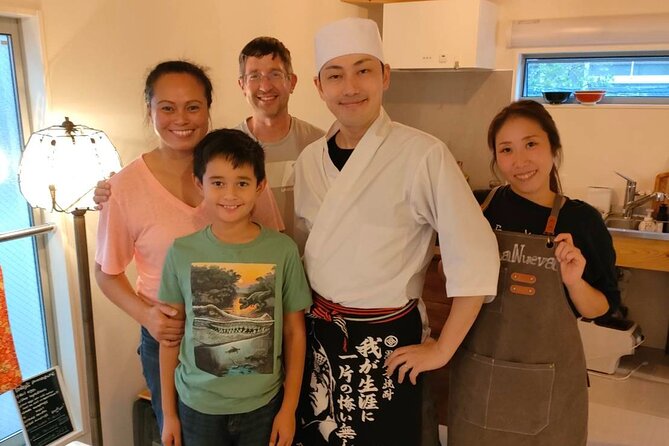
The hosts—Amo and Yoshi—also bring a welcoming, conversational style. Many participants describe them as warm and patient, especially with hands-on learning. If you’ve never folded gyoza before, you’ll likely appreciate how clearly they break it down.
One fun extra: a few people mention light entertainment during the session, and there’s even talk of ramen-inspired items Yoshi has created. Don’t count on anything specific, but it’s another sign the hosts keep it friendly, not stiff.

Vegan and Vegetarian Options: Getting Real With Dietary Needs
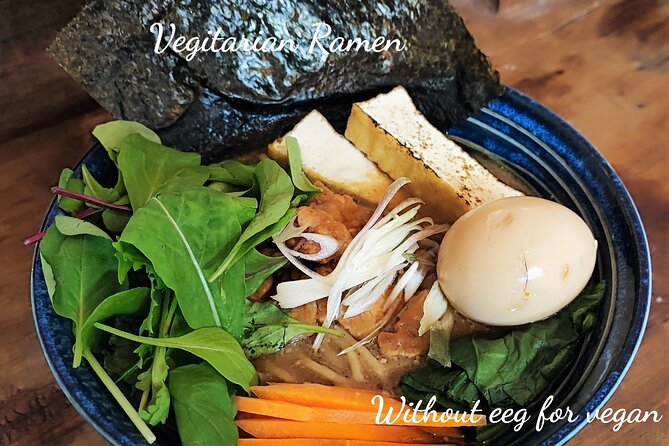
If you eat vegetarian (or want vegan ramen), this is one of the rare Tokyo activities that sounds like it’s built for you instead of forcing you to “make do.” The experience is explicitly described as Chef/Vegan possible, and participants report the hosts prepared vegetarian options and accommodated restrictions like no fish/seafood.
That matters because ramen depends on broth flavor. Vegetarian-friendly ramen still needs depth. The class structure helps here because you’re taught components and assembly—not just given a finished bowl and told it’s special.
My practical advice: when you book, clearly state your needs (for example, vegetarian vs vegan, and whether you avoid fish/seafood). Then show up ready to cook. The hosts seem comfortable walking through options, and several people mention they were explained in English with patience.
The Value Check: Why $102.41 Can Feel Worth It
At $102.41 per person for about 2 hours, you’re paying for more than a meal. You’re paying for:
- a pro chef teaching ramen and gyoza techniques
- a small-group setup with hands-on coaching
- ingredients provided for multiple components (not just one dish)
- the time-consuming prep behind the scenes
- a chance to take home the know-how
Is it cheap? No. Is it fair for what you’re getting? Often, yes—especially if you compare it to buying ramen plus dumplings plus guided instruction time in a market-based setting. Also, ramen-making classes aren’t just about eating. They’re about skill transfer. If you leave knowing how to replicate parts of your bowl at home, the cost starts to look more reasonable.
And you’re not stuck with a single flavor direction. You can customize your bowl within the class approach, and people mention the ability to tailor their ramen experience.
Who Should Book This Ramen and Dumpling Class
This class is a great match if you:
- want a hands-on ramen making class Tokyo experience (not a demo)
- enjoy gyoza and want to learn a folding technique you can repeat
- care about dietary needs like vegetarian or vegan ramen
- like small-group cooking where you can actually chat and ask questions
- want a more local-feeling day outside central Tokyo
It might be less ideal if you:
- hate residential-area transit or don’t like walking between train stops and activities
- are looking for a long, sightseeing-heavy itinerary
- prefer very quiet, minimal interaction cooking
But even then, the structure is simple: meet, cook, eat, leave with a method. You’re not waiting around for long.
Should You Book This Ramen and Dumpling Class in Tokyo?
I’d book it if you want one memorable Tokyo meal that teaches you how to make it at home. The mix of ramen, gyoza, and component-based instruction is exactly what turns a food experience into a skill experience. Add the small group size and the fact that vegan/vegetarian options are possible, and it becomes a strong choice for a lot of different travel styles.
My decision shortcut:
- If your goal is great food, go hungry and enjoy.
- If your goal is learning, show up ready to repeat techniques and ask questions.
- If your goal is dietary fit, confirm your needs clearly when booking so the team can set you up.
If that sounds like your kind of day, this is an easy yes.
FAQ
How long is the cooking class?
It’s about 2 hours.
Where does the class start?
You start at Ekoda Station (near address area: 1 Chome-78 Asahigaoka, Nerima City, Tokyo 176-0005, Japan).
What will I cook during the class?
You’ll make ramen and gyoza, and you’ll also prepare items like seasoned eggs and toppings. The class includes building and plating your ramen bowl.
Is vegan or vegetarian cooking available?
The experience is described as Chef/Vegan possible, and the hosts can prepare vegetarian options and accommodate restrictions such as no fish/seafood.
How big is the group?
The class has a maximum of 12 travelers.
What ticket type do I receive?
It uses a mobile ticket.
Is free cancellation available?
Yes. You can cancel up to 24 hours in advance for a full refund.
FAQ
What if I need a morning or noon schedule?
You can choose a morning or noon class to fit your day.
Is it near public transportation?
Yes, it’s near public transportation.
Do I get recipes to take home?
The class shares recipes, and participants mention receiving recipes as part of the experience.
Can I customize my bowl?
You can customize your ramen bowl during the class within the options provided.
Will I get feedback while cooking?
Yes, the small-group format is designed so you get feedback from the instructor as you cook.
Is the class good for families?
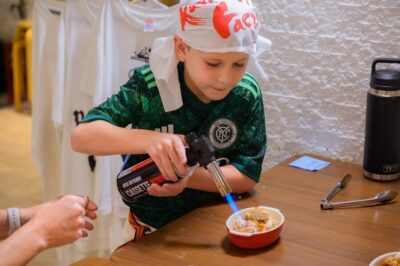
Many participants specifically mention it works well for families, including kids and teens.
Is the class mostly hands-on or watching?
It’s hands-on. You practice cooking techniques, including folding gyoza and assembling ramen.