REVIEW · TOKYO
Ramen Making from Scratch +Akihabara Tour –Tokyo Cooking Class
Book on Viator →Operated by Patia's Japanese Cooking Class · Bookable on Viator
Ramen starts with a grocery basket. I love how the day blends Akihabara sightseeing with real cooking, and I also like that you learn from-scratch ramen noodles instead of just assembling a bowl. It’s a small-group class capped at 12, so you get more hands-on time while you’re working.
One thing to plan for: the class doesn’t offer vegan or vegetarian options, and the focus includes chashu pork for Jiro-style ramen.
In This Review
- Key highlights you’ll feel right away
- Akihabara to the Kitchen Studio: A smart 3.5-hour flow
- The Akihabara walking tour: orientation in the loudest part of Tokyo
- A small drawback to keep in mind
- The supermarket stop: learning how to shop like a local
- What you might notice in the store
- The train ride to the studio: where the class stops being sightseeing
- Cooking from scratch: noodles, broth, and Jiro-style chashu
- Noodles: the texture lesson you can reuse
- Broth: learning what makes it taste like ramen
- Chashu for Jiro-style ramen: the topping that carries flavor
- A note on instructors and communication
- Lunch you actually earned, plus digital photo souvenirs
- Price and value: is $123.55 a good deal for ramen skills?
- Who this is best for
- Who might hesitate
- Practical planning tips before you go
- Should you book the Tokyo Cooking Class with Akihabara ramen tour?
- FAQ
- Where does the tour start and when?
- How long is the experience?
- What is included in the price?
- Do I get photos from the class?
- Is hotel pickup and drop-off included?
- How big is the class?
- Are there vegan or vegetarian options?
- Is the tour led in English?
- What if the minimum number of travelers isn’t met?
- Can I cancel for a full refund?
Key highlights you’ll feel right away
- Akihabara walking orientation so you’re not guessing where to look in the electric town
- Guided supermarket time to learn what to buy and why
- Make noodles and broth yourself in a modern studio kitchen
- Chashu + Jiro-style technique for a ramen you can replicate later
- Small group setup (max 12) for better pacing and questions
- Digital photos afterwards as an easy souvenir
Akihabara to the Kitchen Studio: A smart 3.5-hour flow
This experience is built like a mini food lesson plus a short Tokyo orientation. You start at Akihabara Station around 11:00 am, then spend part of the time walking and shopping before you head to a kitchen studio for the main cooking work.
The total time is about 3 hours 30 minutes, which is a big plus in Tokyo where a lot of food activities either feel too short (you do almost nothing) or too long (you spend the whole day in transit). Here, the schedule keeps momentum: a quick Akihabara walk, a supermarket stop for ingredients, a short train ride to the studio, then about 90 minutes in the kitchen.
If you like experiences that teach practical skills you can reuse at home, this one fits. You’re not just eating ramen; you’re learning the workflow behind a bowl—what you buy, how you prep, and how you put it all together.
You can also read our reviews of more tours and experiences in Tokyo.



The Akihabara walking tour: orientation in the loudest part of Tokyo
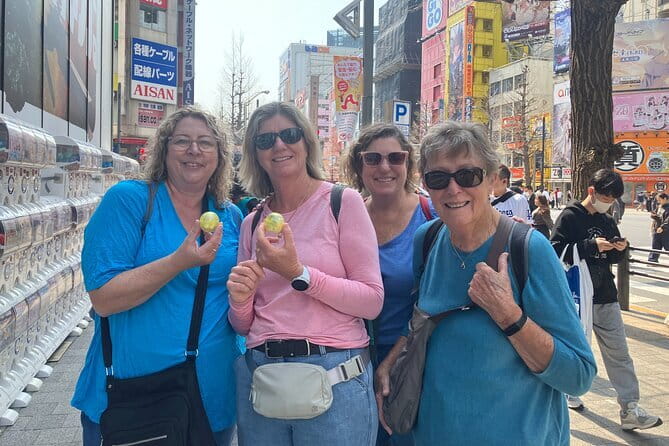
Akihabara can be overwhelming if you show up cold. Bright signage, anime and game culture, gadgets everywhere. This stop works because it’s short and guided, and it helps you understand what you’re looking at.
You’ll do about 20 minutes of walking with a guide, stopping to see popular spots along the way to the supermarket. The point isn’t to cover every corner of Akihabara. It’s to help you get your bearings fast before the practical part of the day.
From the guide names that have led sessions, you may be with someone like Saori or Bunga for the Akihabara portion. That matters because they can explain the local context while you’re moving, rather than tossing you into a shopping street and hoping you figure it out.
A small drawback to keep in mind
If you’re already confident navigating Akihabara on your own, this walking segment might feel like a warm-up rather than the main event.
The supermarket stop: learning how to shop like a local

After the short walk, you head to a supermarket in Akihabara for around 20 minutes. This is where the tour earns its keep, because it’s not just a chance to buy ingredients. It’s a guided lesson on how Japanese grocery shopping works and how ingredients fit into ramen.
You’ll pick up what you need for the class, while learning about local ingredients and seasonings. The goal is to demystify the labels and categories that can be confusing in Japan—especially if you’re not reading Japanese well.
I like this approach because it’s transferable. Even if you never make the exact same ramen twice, you’ll walk away knowing how to build a shopping list for Japanese cooking: what kinds of products matter, how they’re commonly used, and what to look for when you want a specific flavor outcome.
What you might notice in the store
Expect to see foods and seasonings that are common in Japanese cooking but less familiar at home. You’re not just grabbing items—you’re learning what they do in the final bowl.




The train ride to the studio: where the class stops being sightseeing

There’s a train ride of about 15 to 30 minutes from Akihabara to the kitchen studio. This is long enough to reset your head from street-level Tokyo to kitchen mode, but short enough that you don’t feel like the day is slipping away.
A practical tip: treat the ride time as part of the experience. If you’re the type who likes to read the menus before you eat, use this stretch to think about what you want to learn. This class is about technique—so coming in curious will pay off when you’re working at the station.
Cooking from scratch: noodles, broth, and Jiro-style chashu
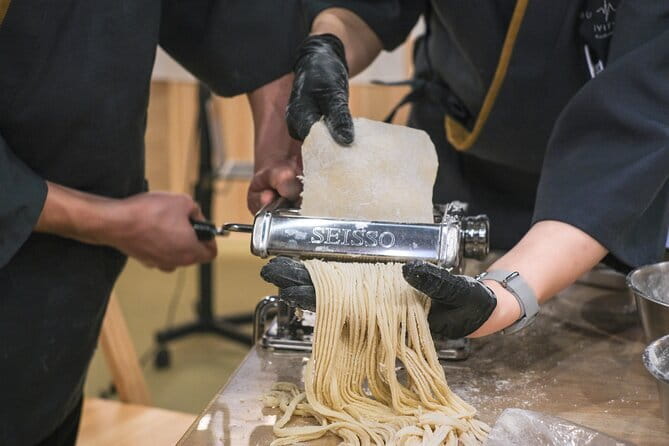
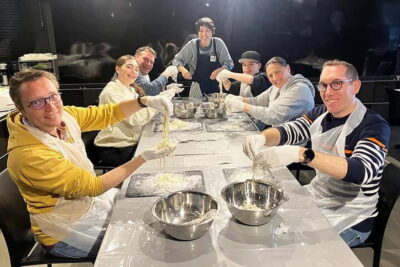
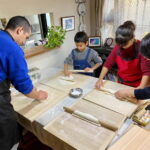
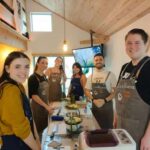
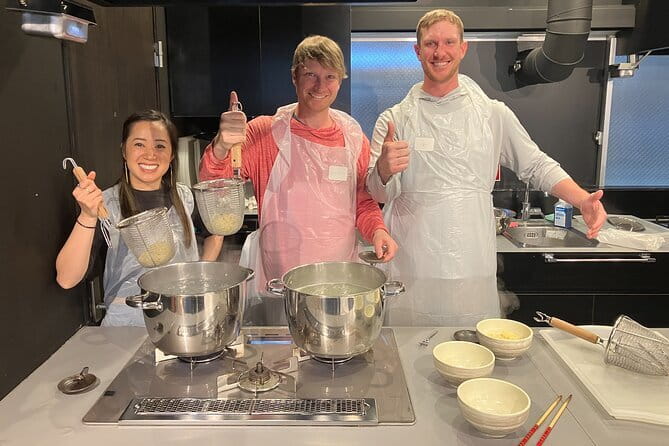
Now for the heart of the day: about 90 minutes in a modern kitchen studio where you make ramen from scratch with an English-speaking instructor. With group size kept to a maximum of 12, it should feel more like a cooking workshop than a show.
The main learning targets are clear:
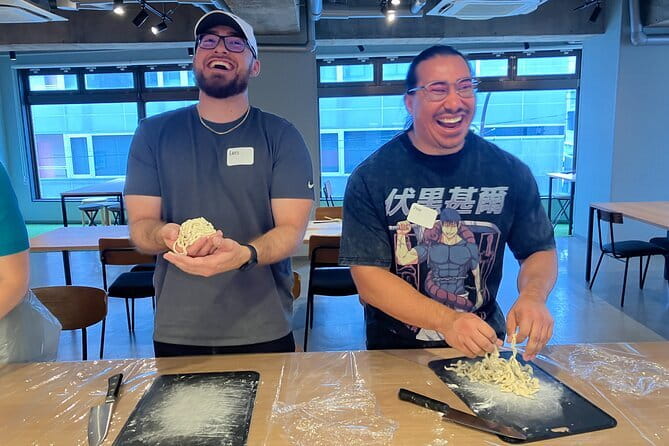
- Make fresh noodles
- Prepare a rich broth
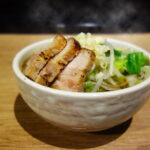
- Cook chashu pork for Jiro-style ramen
And yes, the ramen you eat at the end is the one you made. That’s a huge deal for food classes. When you can taste what your decisions created—texture, richness, seasoning—you’re much more likely to remember the steps next time.
Noodles: the texture lesson you can reuse
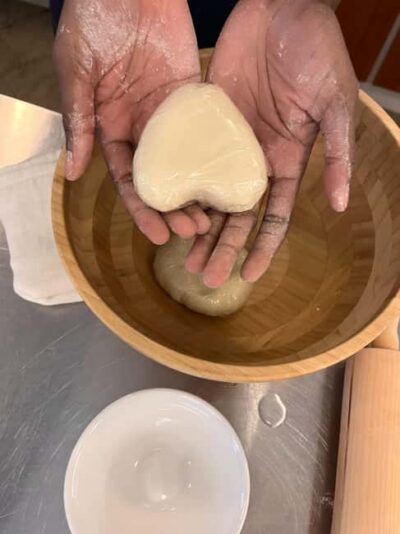
Making noodles from scratch is the hardest-to-fake part of ramen at home, and that’s why it’s so valuable. You’ll learn how the noodle process changes the final bite, and you’ll understand what “fresh” really means in a bowl.
Even if your first attempt at home isn’t perfect, you’ll know where the variables are: dough handling, timing, and how you approach the noodle itself.
Broth: learning what makes it taste like ramen
A good broth isn’t just about ingredients—it’s about development. In this class, you’ll work on creating a rich broth, which is the foundation for that deep ramen flavor people chase.
You won’t just be tasting along the way. You’ll be making choices that affect how the broth turns out, which is exactly what you want if your goal is to cook ramen again later.
Chashu for Jiro-style ramen: the topping that carries flavor
This is one of the key reasons to choose this tour instead of a basic ramen meal. You learn how to cook chashu pork specifically for Jiro-style ramen, so the ending bowl feels like a real style—not a generic bowl with toppings.
Because Jiro-style emphasizes a particular balance and presentation, the class structure helps you understand what matters for that look-and-taste combo.
A note on instructors and communication
In at least some sessions, the cooking lead has been Kyoko and Hioroko, and the guides have spoken good English. That combination is important: you’ll want clear instruction when you’re handling broth, noodles, and pork.
Lunch you actually earned, plus digital photo souvenirs

You’ll have lunch included, and it’s tied to the work you do. That means you’re eating something that feels earned, not purchased. In Tokyo, where food options are everywhere, this kind of meal stands out because it connects the experience to the final taste.
You also get later-downloadable photographs from the class. I like this because it’s not a stressful “pose for the camera” moment. You still get a souvenir, but the class stays focused on doing.
If you’re the kind of traveler who likes documenting food progress, the photos can help you remember the setup and steps when you recreate your bowl later.
Price and value: is $123.55 a good deal for ramen skills?
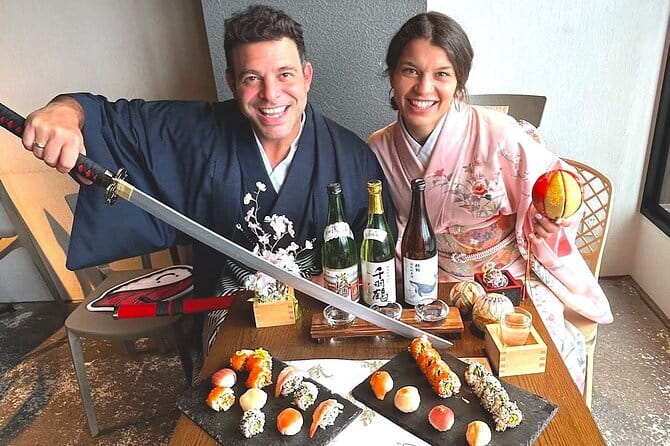
At $123.55 per person, this isn’t a budget activity. But the price makes more sense when you count what’s included:
- A guided Akihabara walking introduction
- A supermarket ingredient tour where you learn what to buy
- A small-group cooking session (max 12)
- Ramen from scratch with noodles, broth, and chashu
- Lunch included
- Digital photos later
So you’re paying for instruction, ingredient gathering, studio time, and the meal. If you’ve ever taken cooking classes where you leave hungry, confused, or with only a recipe card that doesn’t match the bowl you ate—this setup feels more grounded because it’s structured around producing the final ramen.
Also, the “small group” factor matters. In a class with bigger numbers, you spend more time waiting and less time learning. Here, you’re more likely to get hands-on support when questions pop up.
Who this is best for
This is a strong fit if you:
- Want a more meaningful Tokyo food day than just restaurant hopping
- Like learning shopping skills, not only recipes
- Enjoy cooking workshops with time to work at your station
- Want ramen techniques aimed at a recognizable style (Jiro-style)
Who might hesitate
If you’re looking specifically for a vegetarian meal, this one isn’t a match since vegan and vegetarian options are not available.
Practical planning tips before you go
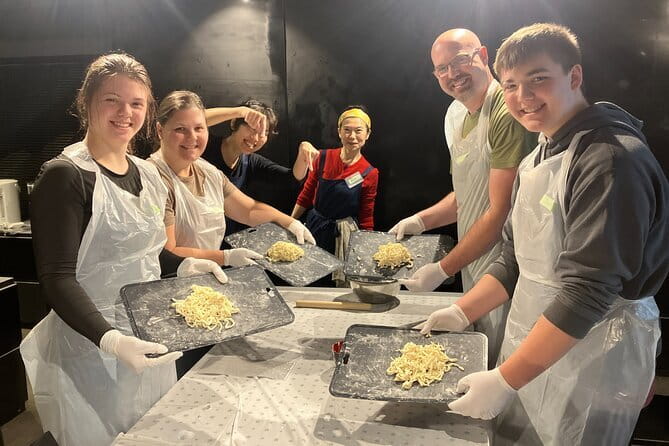
A few details to keep your day smooth:
- You start at Akihabara Station, and the experience ends in a different location than where you start. Plan your next stop with that in mind.
- You’ll be near public transportation, so you likely won’t need complicated routing once you’re in the area.
- You should expect a working cooking environment. Wear clothes you’re okay getting splashed or smelling faintly like ramen for the rest of the day.
Weather can also play a role since the activity requires good weather. If it’s outdoors-heavy for the Akihabara portion, that makes sense.
Should you book the Tokyo Cooking Class with Akihabara ramen tour?
I’d book this if your goal is to leave Tokyo with ramen skills you can actually use. The combination of supermarket guidance plus a real from-scratch class is the standout value. You’ll learn how to navigate a Japanese grocery store and how to make noodles, broth, and Jiro-style chashu—then you get to eat what you built.
Skip it only if you need vegan/vegetarian options, or if your main goal is purely wandering Akihabara without structured shopping and cooking.
If you want one food experience that ties Tokyo culture (Akihabara) to a recipe you can repeat later, this is a solid choice.
FAQ
Where does the tour start and when?
The tour starts at Akihabara Station (1 Chome Sotokanda, Chiyoda City, Tokyo 101-0028) with a start time of 11:00 am.
How long is the experience?
It lasts about 3 hours 30 minutes (approx.).
What is included in the price?
It includes the groceries store tour, the cooking experience, lunch, and later-downloadable photographs.
Do I get photos from the class?
Yes. You receive digital photos later as a souvenir.
Is hotel pickup and drop-off included?
No. Hotel pickup and drop-off are not included.
How big is the class?
There is a maximum of 12 travelers, and the experience is meant to be more personalized because of that small size.
Are there vegan or vegetarian options?
No. Vegan and vegetarian options are not available.
Is the tour led in English?
The cooking class is guided by an English-speaking instructor.
What if the minimum number of travelers isn’t met?
The experience requires a minimum of 2 people per booking. If it’s canceled for not meeting that minimum, you’ll be offered a different date/experience or a full refund.
Can I cancel for a full refund?
Yes. You can cancel up to 24 hours in advance for a full refund. If you cancel less than 24 hours before the start time, you won’t get your money back.