REVIEW · KYOTO
Arashiyama’s Best Vegan Ramen & Gyoza Class
Book on Viator →Operated by Kyoto green cuisine · Bookable on Viator
This ramen class is about more than being vegan. I love the focus on real Japanese-style depth and the hands-on payoff of making two ramen broths plus gyoza from scratch in Arashiyama. It’s also refreshingly honest: the hosts aim for the kind of bowl you’d happily serve meat-lovers, not just a token plant-based option.
One thing to think about: this is hosted in a home, and the provider notes they keep a dog, so it’s not recommended if you have an animal allergy.
In This Review
- Key points to know before you go
- Arashiyama Vegan Ramen, Rebuilt for Real Umami
- From Arashiyama Station to a Home Kitchen with Satoru and Akiko
- What You Make: Two Broths and Crispy Gyoza (From Scratch)
- The ramen broths (how they get flavor without meat)
- The gyoza (crispy dumpling technique)
- The Flow of the Class: Cook Together, Eat Together
- What you’ll take home
- Price and Value: Is $65.15 a Fair Deal?
- Gluten-Free and Allergy Notes You Should Actually Care About
- Where This Class Fits Best in Your Kyoto Plan
- Should You Book This Arashiyama Vegan Ramen & Gyoza Class?
- FAQ
- Is this class vegan and dashi-free?
- How long does the Arashiyama ramen and gyoza class take?
- What food will I make during the class?
- What’s included in the price?
- Is there gluten-free support?
- Where do I meet the host?
- Are drinks like alcohol included?
Key points to know before you go

- Secret Umami Broth is built from scratch using kombu, shiitake, and Kyoto vegetables
- It’s 100% plant-based and dashi-free, so you get an umami profile without the usual shortcuts
- You’ll make two types of ramen broth and crispy gyoza from scratch
- English instruction is included, plus recipes you can take home
- The vibe is organized and relaxed, with clear directions from hosts Satoru and Akiko
- You’ll cook and eat together, with tea and water provided, and no alcohol included
Arashiyama Vegan Ramen, Rebuilt for Real Umami

If you’ve ever tried plant-based ramen that tasted like, well, plant-based ramen, this class is designed to reset your expectations. The premise is simple and bold: they’re not trying to make something that feels like a compromise. They’re chasing the kind of richness that makes people forget to ask if there’s meat inside.
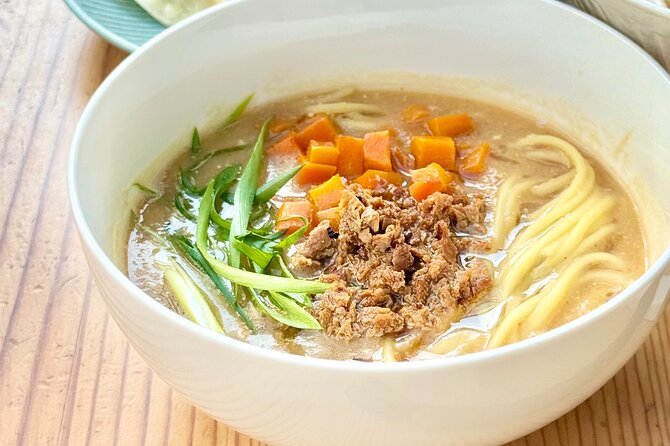
What I like most is the method. Instead of relying on the idea that vegan food must be light, they build a broth that mimics the satisfying body of heavier soups. You’re working with kombu (kelp), shiitake, and fresh Kyoto vegetables, layered until it tastes deep and rounded. That matters because true ramen comfort comes from texture and lingering flavor, not just seasoning.
Another key point: it’s dashi-free. Many Japanese plant-based dishes start with dashi, but here the class leans on kombu, shiitake, and vegetable layers to create a similar umami impact. If you’re gluten-free, you’ll be glad to know there are gluten-free options available too.
The takeaway for you: this isn’t just a one-bowl meal. It’s a way of thinking about ramen—how to build flavor step by step so it tastes complete.
You can also read our reviews of more tours and experiences in Kyoto.


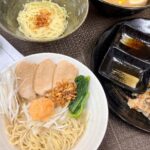
From Arashiyama Station to a Home Kitchen with Satoru and Akiko
The class starts and ends back at Arashiyama Station, which is a smart move in Kyoto. You get an easy anchor point near public transportation, then return to the same place when you’re done—no guesswork, no awkward last-mile wandering when you’re full.
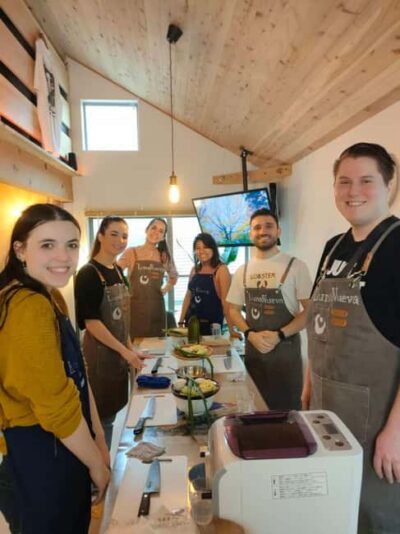
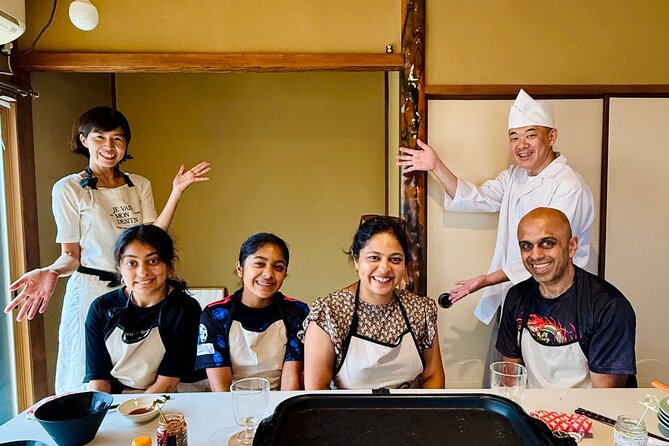
From the reviews and the way the experience is described, you can expect a private, home-style setup rather than a big show kitchen. It’s only your group, which usually means the instructor can slow down when questions pop up—especially for broth-building and dumpling technique. The hosts are Satoru and Akiko, and the overall tone described is welcoming, clean, and organized, with instructions that stay clear and friendly.
A practical detail: the class is about 2 hours (approx.), and it runs either lunch or dinner depending on your reservation. So you’ll want to treat it like a meal event, not a quick snack workshop.
One more consideration before you go: they specifically note a dog in the home. If you have sensitivities, it’s worth skipping this class or messaging the provider ahead of time. Also, if you have food allergies, you should let them know in advance.
What You Make: Two Broths and Crispy Gyoza (From Scratch)
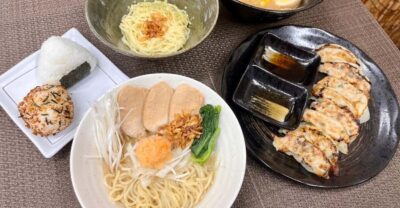
This is a serious cooking class, because you’re not just assembling toppings. You’ll make two types of rich ramen broth and crispy gyoza from scratch. That lineup is valuable because you learn two different Japanese comfort flavors: one is a slow-brewed bowl, and the other is a dumpling technique game.
The ramen broths (how they get flavor without meat)
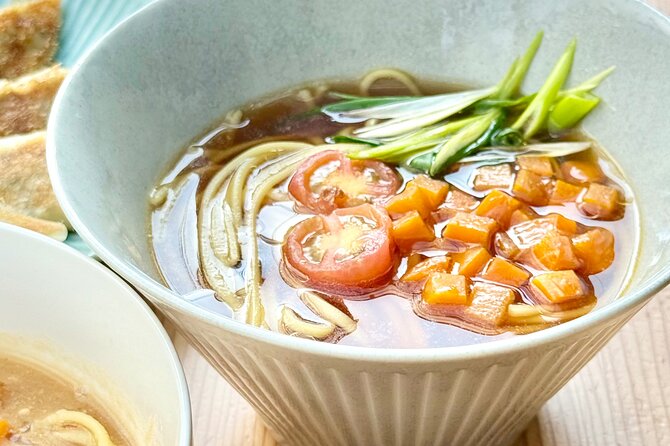
The class focuses on creating a Secret Umami Broth. You’re layering umami using kombu and shiitake, then building body with local Kyoto vegetables. The goal is the kind of richness people associate with meat-based ramen—only it stays fully plant-based.
Why you’ll care: ramen broth is where most at-home attempts fail. People either under-season, rush the build, or don’t develop the flavor depth that makes a bowl taste “finished.” Learning the layering approach makes it far easier to recreate at home with ingredients you can actually find.
Also, because it’s described as 100% plant-based and dashi-free, you should think of this as a broth template. You’re not just learning a recipe—you’re learning how to make umami from plant ingredients in a way that doesn’t taste flat.
The gyoza (crispy dumpling technique)
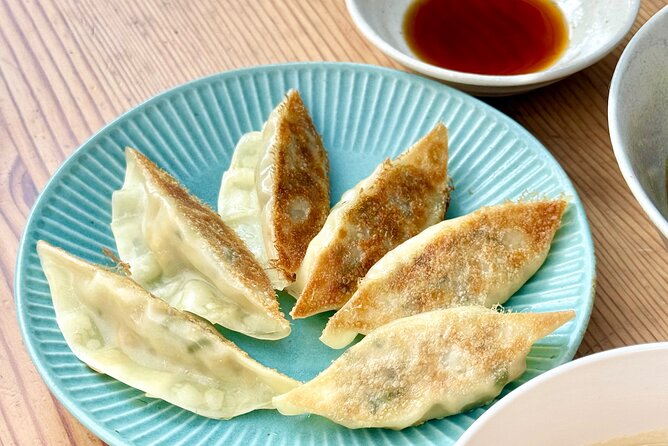
Gyoza is the satisfying counterpart to ramen. The class includes making crispy gyoza, which usually means you’ll focus on the texture contrast—crisped outside, flavorful filling inside, and a cook method that helps you control browning.
Even if you already make dumplings at home, there’s a good chance you’ll pick up new technique. Dumpling success often comes down to small details like heat control and handling during cooking. A guided class helps you avoid the common trap of ending up with soggy bottoms.
If you’re the type of person who likes to eat with your hands and then go back for one more, gyoza is also just a morale booster during a cooking class. It breaks up the broth work and gives you something to practice quickly while you learn.
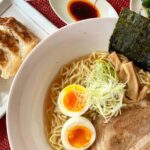

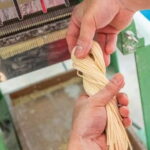

The Flow of the Class: Cook Together, Eat Together
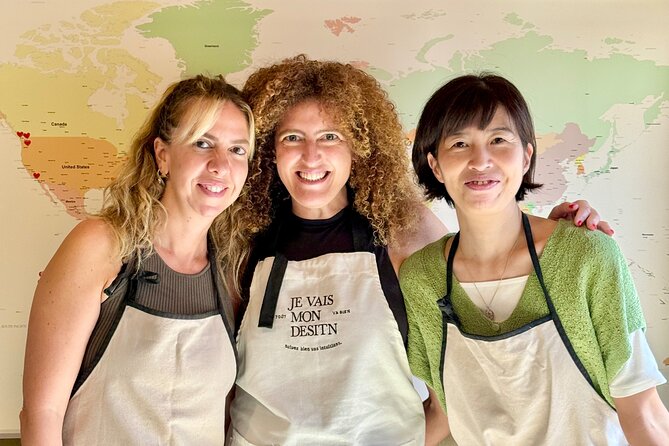
The structure is simple and meal-centered: you cook, then you eat with the hosts. For both lunch and dinner reservations, you’ll be in that same rhythm—hands on in the kitchen, then a shared table moment afterward.
You’ll also have useful comforts provided: aprons and towels are free, plus bottled water and tea are available. That means you can focus on cooking instead of bringing your own supplies beyond whatever you’ll wear.
From the tone of the experience (organized, relaxed, friendly), the class seems designed to keep you moving without feeling rushed. And because it’s private, you’re more likely to get answers when something doesn’t look right on the first try.
A subtle benefit for you: learning in a calm setting often makes recipes easier to remember. When the timing and instructions are clear, you’re not panicking, and you’re more likely to notice what changes in smell, color, and texture as you cook.
What you’ll take home
The class includes cooking recipes, which is one of the best reasons to book. Many food experiences give you a great meal but leave you with vague memory. Recipes turn this into something you can repeat later—especially for broth, where you’ll want a written guide for your at-home version.
Price and Value: Is $65.15 a Fair Deal?

At $65.15 per person for about 2 hours, this class isn’t trying to be a budget street-food snack stop. It’s priced like what it is: a guided, ingredient-focused cooking session in a home setting with a real outcome—two broths plus gyoza—and recipes at the end.
Here’s why I think it can be good value:
- You’re not just tasting; you’re making multiple dishes from scratch.
- The course includes English-speaking instruction, which makes a difference when you’re trying to understand broth-building steps.
- You receive recipes you can use at home, which stretches the value beyond the meal.
- You get tea and water included, so you’re not calculating add-ons for basic drinks.
Also, the class is booked about 11 days in advance on average, which suggests demand is steady. If your Kyoto dates are fixed, booking earlier can help you lock in the lunch or dinner slot that fits your schedule.
Gluten-Free and Allergy Notes You Should Actually Care About
This experience includes details that can matter a lot for dietary planning. First, it specifically says gluten-free options are available. That’s helpful if you’re managing celiac disease or gluten sensitivity.
Second, the provider asks that you tell them about any food allergies ahead of time. That’s the right kind of detail to look for, because dumplings and broth can include hidden ingredients depending on the batter, seasoning, or add-ins.
Third—and this is easy to miss—there’s a note that the hosts have a dog and that it’s not recommended for people with animal allergies.
For you, the practical approach is:
- If you’re gluten-free, confirm what gluten-free options mean for ramen elements and gyoza preparation.
- If you have allergies, send the list before you arrive.
- If you have animal allergies, don’t assume it will be fine just because it’s a kitchen. Message the provider first.
Where This Class Fits Best in Your Kyoto Plan
Arashiyama is a great area for food, nature, and slower pacing. A cooking class here works especially well if you’re looking for something that feels local and hands-on instead of another checklist meal.
This also suits you if:
- You want a plant-based experience that still aims for serious flavor
- You like learning techniques you can repeat at home
- You’re traveling with someone who may not be vegan but still wants a bowl that tastes “real”
You might want to skip it if:
- You have a strong animal allergy and the dog note is a deal-breaker
- You’re trying to squeeze every minute of Kyoto into your day and won’t be able to enjoy a sit-down cooking-and-eating flow
Should You Book This Arashiyama Vegan Ramen & Gyoza Class?
Book it if you care about flavor and technique—not just labels. The whole point is that the broth is built from kombu, shiitake, and Kyoto vegetables into a plant-based, dashi-free umami bowl that’s meant to satisfy meat-lovers too. You’ll also leave with crispy gyoza skills and recipes, which is where most classes earn their keep.
Don’t book if dog allergies are a problem, or if you need guaranteed dietary accommodations and can’t confirm them in advance. In that case, messaging the provider about allergies and gluten-free specifics is essential.
If you’re flexible on lunch versus dinner, grab the slot that pairs best with your Arashiyama day, and plan to arrive hungry. This is the kind of class where the best souvenir is the cooking knowledge—plus the fact that your future ramen night won’t taste like a sad vegan experiment.
FAQ
Is this class vegan and dashi-free?
Yes. The broth is described as 100% plant-based and dashi-free, built from kombu, shiitake, and Kyoto vegetables.
How long does the Arashiyama ramen and gyoza class take?
It’s about 2 hours (approx.).
What food will I make during the class?
You’ll make two types of rich ramen broth and crispy gyoza from scratch.
What’s included in the price?
Included items are bottled water, dinner or lunch (depending on your reservation), aprons and towels, an English-speaking instructor, and cooking recipes.
Is there gluten-free support?
Gluten-free options are available.
Where do I meet the host?
You meet at Arashiyama Station, and the experience ends back at the same meeting point.
Are drinks like alcohol included?
Alcoholic beverages are not included. Soda/pop is also not included. Water and tea are freely available.