REVIEW · DA NANG
RICE PAPER Noodle Making Experience & Hoi An Cooking Class Class
Book on Viator →Operated by Hoi An Eco Tours Discovery · Bookable on Viator
Purple crabs and noodles in one morning. This half-day outing blends rural Hoi An-area life with a hands-on rice paper noodle making moment and a full Vietnamese cooking class, all capped with what you make and eat. I especially like the small-group feel (limited to 15, with a maximum of 18), and I like that you’re not just tasting food—you’re learning how it comes together step by step.
You start with round-trip transfers from Hoi An hotels and then move through a coconut palm forest on a boat, followed by local fishing-village time that includes catching purple crabs and enjoying a feast. One drawback to consider: this is an active, hands-on style experience (walking in villages, boat time, and crab catching), so it’s not the best match if you want a totally hands-off, low-energy outing.
In This Review
- Key things I’d watch for before you go
- Small-group transfers out of Hoi An and into real food country
- Boat through coconut palms, then basket-boat crab catching
- Kim Bong village time and carpentry-area atmosphere
- Rice paper noodle making: the real skill behind the meal
- Cooking class with a local chef: Vietnamese flavors you can repeat
- Your meal: a feast that matches the story
- Price and logistics: what $33.99 buys you in practice
- Who should book this cooking class and who should skip it
- Should you book the Rice Paper Noodle Making and Hoi An Cooking Class?
- FAQ
- Where is this tour based?
- How long does the tour take?
- What does the tour cost?
- Is pickup included?
- Is there a mobile ticket?
- How big is the group?
- What activities are included during the day?
- Are recipes provided after the class?
- Who teaches the cooking class?
- What is the cancellation policy?
- How far in advance do people usually book?
Key things I’d watch for before you go
- Small-group limit: capped around 15, with an overall maximum of 18 for the activity.
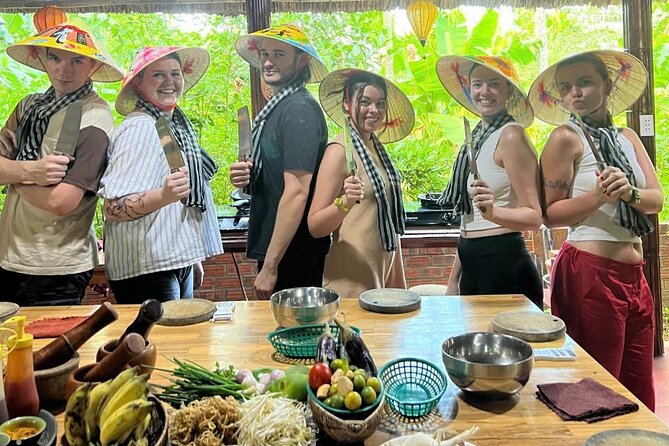
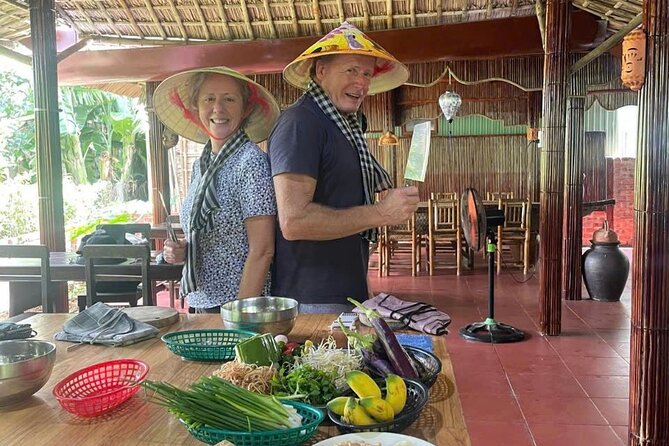
- Hands-on food work: you’ll make rice paper noodles and then cook Vietnamese dishes with a chef.
- Crab catching in the fishing-village setting: you’ll learn how to catch purple crabs with a local fisherman.
- Coconut palm forest boat ride: you get scenic, slow travel time before you hit the food.
- Recipes provided after class: you can recreate at least some of the dishes later, not just remember them.
Small-group transfers out of Hoi An and into real food country
Hoi An is famous for its calm, timeless feel. This tour uses that contrast in a smart way: you’ll get the convenience of hotel pickup, but you’ll spend the day’s focus in the rural spaces that support the food on your plate.
Price is $33.99 per person for about 4 hours 30 minutes, which is a big clue about what you’re paying for: not just cooking. You’re paying for a packed half-day that includes transport, a boat segment, a village visit, and a chef-led class that ends with your own meal. That’s usually where cooking classes go either cheap and thin (just tasting) or pricier and longer. Here, the timing and the mix of activities make it feel like you’re getting your money’s worth in one shot.
One practical detail I like: this tour uses a mobile ticket, so you can travel lighter. Confirmation is also handled right at booking, which helps if you like everything locked in.
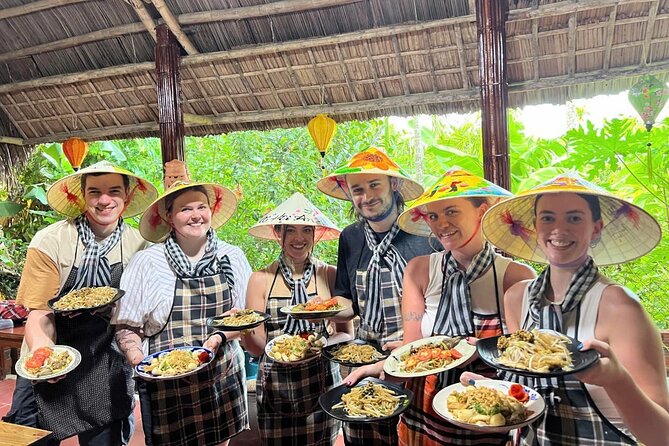
The vibe is intentionally small. With a limit around 15 (max 18), you’re more likely to actually get questions answered while you’re working, instead of just watching from the back. And yes, the cultural stops feel connected to food: you’re moving through places where ingredients and routines are part of daily life, not just staged showpieces.
Boat through coconut palms, then basket-boat crab catching
A standout promise here is the nature-and-local-fishing portion. After pickup, you’ll travel toward a nearby fishing area. The scenic boat through a coconut palm forest is the kind of in-between time that many tours skip. It’s not just decoration; it helps you slow down before the hands-on part begins.
Then comes the fishing-village element. You’ll paddle a traditional basket boat, and you’ll learn how to catch purple crabs with a local fisherman. That combination matters. Basket boats aren’t the same as a random boat ride; they connect you to local water routines. And the crab-catching lesson turns the moment into a skill, not just a photo.
What to expect from this segment in real terms:
- You’ll be outdoors and moving around, so wear footwear you trust.
- You’ll likely get close to the tools and methods used by local fishermen.
- The goal isn’t to make you an expert; it’s to show you how they think and work, then let you join in.
If your idea of a perfect tour is food only, with zero interaction, this might feel more active than you planned. But if you’re the kind of person who wants the story behind the meal, this is a big part of the value.
Kim Bong village time and carpentry-area atmosphere
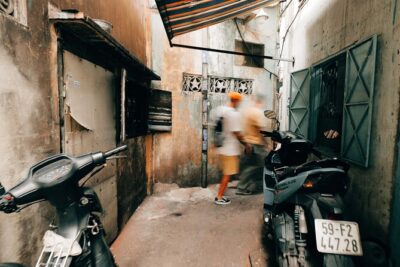
The first major cultural stop is Kim Bong Carpentry Village. Even if your main goal is food, I think this is a smart start. It puts you into the rhythm of rural craft and daily life before you start cooking.
From there, the tour shifts into village exploration and hands-on food prep. You’ll walk around the area and then get into noodle making with local villagers. This is where the day stops being a “class” and becomes a connection: you see how the process starts long before the chef tells you what to do.
Why this works for you:
- You’re not learning noodles from a lecture. You’re making something.
- You see the ingredients and texture stages firsthand, which makes the final cooking steps make more sense later.
- Village time helps you understand why Vietnamese cuisine feels practical—rice-based staples, vegetables, and sauces all built for real eating life.
A small note on expectations: names can vary slightly (Kim Bong vs Kim Boongf), but what matters is the experience: a rural village stop linked to food production and local guidance.
Rice paper noodle making: the real skill behind the meal
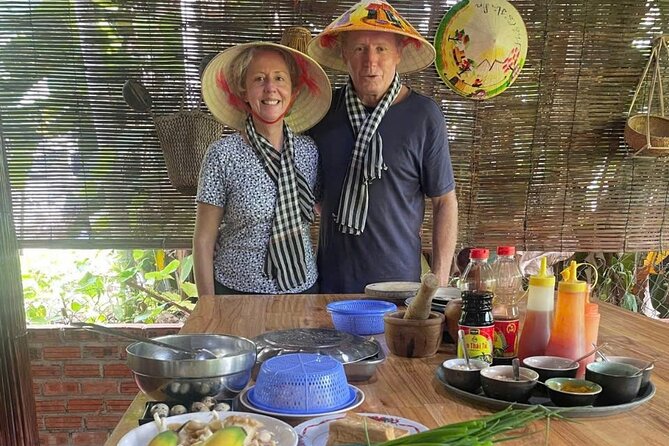
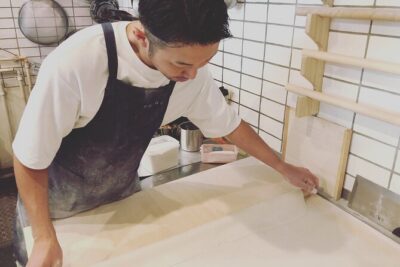
The title says it plainly: rice paper noodle making. And that’s the part many people gloss over in cooking tours. Here, you’re actually doing it.
Even without exact minute-by-minute instructions provided, you can expect this to be step-based: working the ingredients, shaping or preparing the noodles, and learning what “right” looks like at each stage. That matters because rice-paper-based products can be temperamental. If you only watch, you miss the tricks. If you make it, you remember the feel—especially how the mixture behaves and how thickness/handling changes the outcome.
I love this kind of skill-focused cooking because it turns your trip into something useful at home. It also gives you more confidence when you sit down later with the chef’s instructions.
Practical tips for this section (so you can enjoy it instead of wrestling with it):
- Wear clothes you don’t mind getting slightly messy. This is hands-on food work.
- Bring a small towel or be ready for dampness from food prep and cleaning.
- Don’t rush the stages. With noodles, speed usually means mistakes.
Cooking class with a local chef: Vietnamese flavors you can repeat
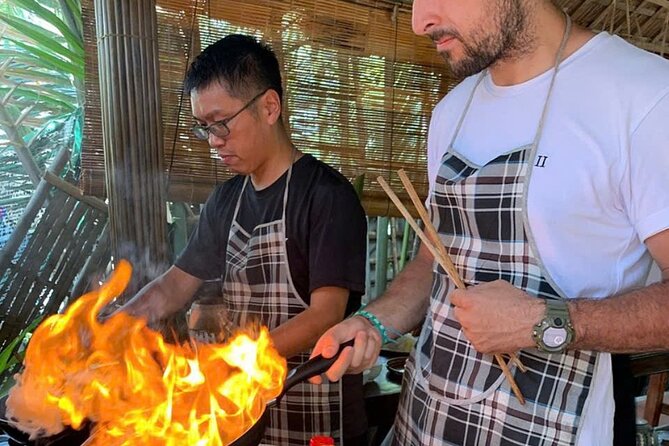
After the noodle making, the tour moves into a classic cooking-class rhythm: guided instruction, hands-on cooking, and a chance to eat what you made.
Chef Tim is specifically mentioned in feedback as an experienced instructor who explained recipes in detail. That’s the exact kind of teacher you want. Vietnamese cooking often depends on balance—salt, acidity, sweetness, and heat. When the chef explains the logic, you’re not copying steps blindly. You’re learning why a sauce tastes the way it does.
Another name that comes up is Lan, who’s associated with the overall experience feel. When guides are focused on clarity and cultural context, you get more than a recipe sheet. You get small cues: how to read doneness, how to adjust flavor, and what ingredients are commonly used in Vietnamese cultural cuisine.
What you’ll likely do in the cooking class:
- Cook Vietnamese dishes as instructed by the chef
- Use what you made earlier (rice-paper noodles) in the meal in some form
- Get cultural info tied to ingredients and technique
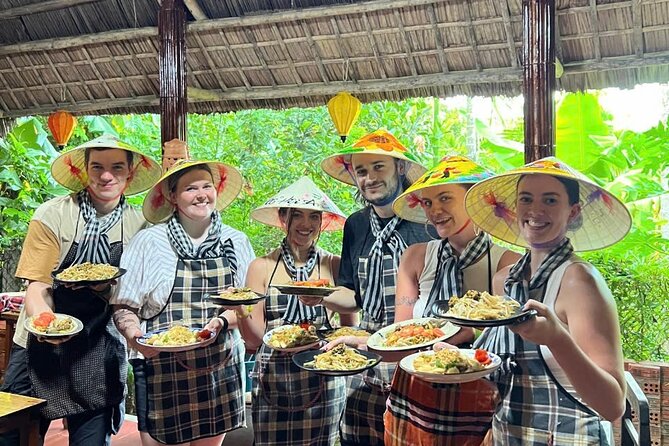
- Finish by eating the food you produced
Recipes from the class are made available to you afterward. That turns the class from a one-time show into a take-home reference. And for me, that’s a key quality marker. You’re not paying for a memory only; you’re paying for repeatable knowledge.
Your meal: a feast that matches the story
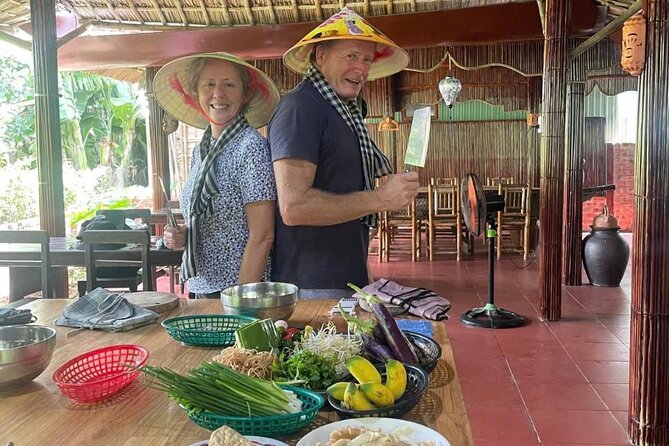
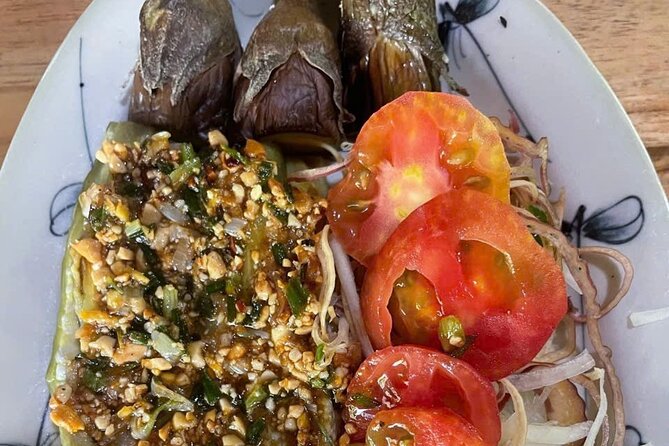
The tour wraps with a meal—lunch or dinner, depending on timing—built from what you cooked and what your day produced. You’ll also have that earlier crab-catching and fishing-village setting in your head when you eat, which makes the flavors feel more connected.
This is one of those tours where the food story isn’t a lecture. The sequence matters:
1) Village walk and noodle making
2) Cooking with a chef
3) Your own feast
By the time you sit down, you understand what the ingredients are and why they’re used. That’s the difference between eating food and understanding food.
One extra detail: lantern making appears in the feedback as an added colorful step that adds to the experience. If it’s included during your date, treat it as a bonus activity that fits the calm, craft-focused feel of Hoi An-style evenings—more personal than a generic souvenir stop.
Price and logistics: what $33.99 buys you in practice
At $33.99, you’re buying a half-day plan that stacks multiple “hard to arrange” parts into one: hotel pickup and round-trip transfers, rural village time, boat travel through a coconut palm forest, crab catching with local guidance, rice paper noodle making, and a chef-led cooking class with recipes provided.
Could you piece that together on your own? Maybe. But doing it solo usually costs more time and often less coherence. The value here is that the day flows like a story: rural craft → food production → cooking → eating.
A couple of logistics points that matter for a smooth day:
- You start from Hoi An hotels with pickup included.
- You get a mobile ticket, so plan to have your phone charged.
- The group size stays tight (around 15, max 18), which makes hands-on parts more comfortable.
This is also booked about 14 days in advance on average. That suggests it’s a popular schedule slot, so if you want a specific day, you’ll have better odds if you book early.
Who should book this cooking class and who should skip it
This tour is a great match if you want:
- A hands-on cooking experience, not just watching
- The combo of rural culture plus real Vietnamese techniques
- A small group where you can ask questions while working
- A day that includes both scenic time (coconut forest boat) and active learning (crab catching and cooking)
You might want to choose a different style if you prefer:
- Quiet, totally sedentary activities
- Only city sightseeing, with minimal outdoor time
- No food mess and no interaction beyond eating
For most food lovers, though, this is exactly the sweet spot: practical skill building, local context, and a meal that feels earned.
Should you book the Rice Paper Noodle Making and Hoi An Cooking Class?
If you like learning food skills you can use later, yes. The rice paper noodle making plus the chef-led cooking class plus the village-and-fishing context makes this feel more complete than a basic cooking workshop.
Book it if you’re excited by the idea of catching purple crabs, paddling a traditional basket boat, and then sitting down to eat what you helped create. If you’re unsure, think about one question: do you want a story behind your meal, or do you just want the meal? This tour answers the first option well.
FAQ
Where is this tour based?
The experience is listed for Da Nang, Vietnam, and it includes pickup from Hoi An hotels.
How long does the tour take?
The duration is about 4 hours 30 minutes.
What does the tour cost?
The price is $33.99 per person.
Is pickup included?
Yes. The tour offers hassle-free round-trip transfers from Hoi An hotels.
Is there a mobile ticket?
Yes, you’ll receive a mobile ticket.
How big is the group?
The experience is limited to 15 travelers, with a maximum of 18 travelers.
What activities are included during the day?
You can expect boat travel through a coconut palm forest, learning to catch purple crabs with a local fisherman, rice paper noodle making, and a Vietnamese cooking class. You’ll also enjoy the food you make.
Are recipes provided after the class?
Yes. Recipes from the class will be made available to you.
Who teaches the cooking class?
A local chef teaches the cooking class, and Chef Tim is specifically mentioned in feedback as providing detailed explanations.
What is the cancellation policy?
Cancellation is free up to 24 hours before the experience start time, with a full refund if canceled in that window.
How far in advance do people usually book?
On average, this is booked about 14 days in advance.