REVIEW · TOKYO
Tokyo: Shinjuku Ramen Tour Taste 4 Mini Bowls of Tradition
Book on Viator →Operated by Japan tradition · Bookable on Viator
Ramen tastes better when you compare it side by side. This Shinjuku mini-bowl tour sends you through three ramen stops and has you sampling four classic styles in a tight 2.5-hour loop. I like that it is not one big splurge-bowl moment. It’s a guided comparison: you get the flavor differences, the food logic, and enough time pressure to keep moving.
Two things I really love: first, the mini portions. They let you try shio, miso, shoyu, and tonkotsu without feeling stuffed. Second, the guides’ stories land with actual food details, and in feedback I saw names like Yo and Kazu tied to the history talk and friendly vibe.
One possible drawback: this is tasting-focused, not a long sit-down feast. If you want to linger in a single shop for an hour with zero switching, this pace may feel a little like a well-fed sprint.
In This Review
- Key Tour Highlights
- Four Ramen Styles in Shinjuku: What You’re Really Tasting
- Your Four Mini Bowls: Shio, Miso, Shoyu, Tonkotsu Explained in Plain Terms
- Stop 1 in Shinjuku 3-chōme: Shio Ramen That Sets the Baseline
- Stop 2 in Kabukichō: Miso Ramen in a Place That Feels Like Tokyo
- Stop 3 in Shinjuku: Shoyu and Tonkotsu in the Final Hour
- Why Mini Bowls Make This Tour Worth It
- Price and Value: Is $114 a Good Deal for Four Bowls?
- Pacing, Group Size, and the Solo-Friendly Factor
- Who This Tour Fits Best (And Who Might Skip It)
- Should You Book This Shinjuku Ramen Tour?
- FAQ
- What time does the Tokyo Shinjuku ramen tour start?
- Where is the meeting point, and does the tour end nearby?
- How long is the tour?
- What’s included in the price?
- Which ramen styles are you tasting?
- How many stops are there?
- What’s the maximum group size?
- Is transportation included in the tour price?
- Can I cancel for free?
Key Tour Highlights
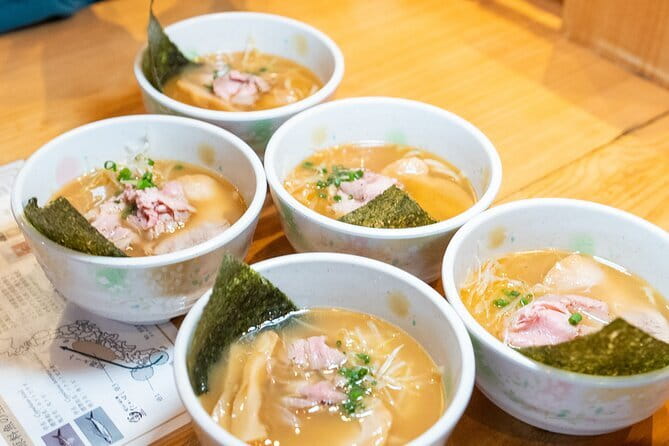
- Four iconic broths, four mini bowls so you can compare flavors without committing to one style
- Small group cap (max 7) for a more human, not-chaos, experience
- Three neighborhood stops in Shinjuku with shio, miso, then shoyu and tonkotsu
- Guides with ramen history stories (including names like Yo and Kazu) that make each bowl make sense
- Perfect timing for first-timers: 2 hours 30 minutes, then back to where you started
Four Ramen Styles in Shinjuku: What You’re Really Tasting
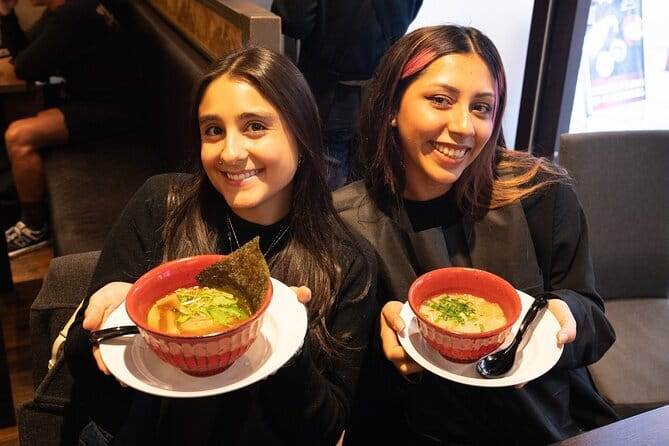
Tokyo ramen can feel endless until you break it into categories. This tour does that for you using four foundation styles: shoyu (soy sauce), tonkotsu (pork bone), miso, and shio (salt). Instead of hunting blindly, you get structured tastings in a way that helps your brain lock onto differences.
Here’s what I think makes the concept work. Ramen style changes more than the taste. It shifts the whole soup profile: how the broth hits your tongue, how the aroma sits in the background, and how toppings play their role. When you taste four styles in the same general ramen-day flow, you start noticing patterns fast. You’ll also figure out what you like enough to seek later on your own.
I also like that the tour keeps portions small and intentional. You’re not being asked to power through a full meal at each stop. You’re sampling like a curator with a spoon, which is exactly how you learn what you actually want when you return to Tokyo ramen for a second round.
You can also read our reviews of more tours and experiences in Tokyo.

Your Four Mini Bowls: Shio, Miso, Shoyu, Tonkotsu Explained in Plain Terms
Let’s translate the ramen label talk you’ll hear into something practical.
Shio (salt) is often the “clean” tasting start. Salt-forward soups tend to feel lighter on the palate and good for resetting between heavier bowls. If you’re new to ramen, shio can help you understand the broth base without getting overwhelmed by extra depth.
Miso usually comes across as warmer and more rounded. It can feel like comfort in a bowl, and it is a great mid-tour stop because it balances well with the other styles you’ll try after.
Shoyu (soy sauce) brings a classic savory tang. Soy sauce ramen is a steady anchor style. If you like straightforward savoriness, shoyu is often the one you can taste immediately, then keep comparing all day.
Tonkotsu (pork bone) is the heavy-hitter category: richer broth style built on pork bone. Tonkotsu fans often call it their favorite, and that makes sense because it can deliver a deeper, more coating feel than the salt and soy styles.
The practical payoff: by the end, you’ll have a short list in your head. And you’ll know what to order later, not just what you sampled once.
Stop 1 in Shinjuku 3-chōme: Shio Ramen That Sets the Baseline
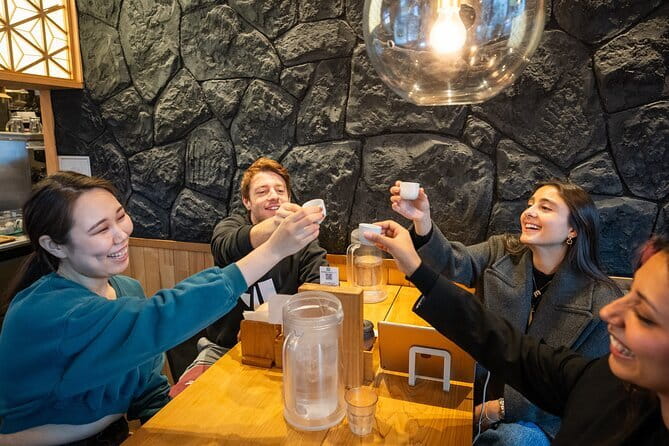
Your first stop is Shinjuku 3-chōme, and it starts you off with shio ramen. Plan for about 30 minutes here, enough time to eat, ask questions, and get your ramen senses switched on.
Why start with shio? Because it’s an easy baseline. When the soup is less heavy than the tonkotsu type of richness, you can taste the broth character more clearly. You’ll also get a feel for the shop’s rhythm: ordering, slurping etiquette (yes, it’s part of the deal), and how toppings fit into the soup instead of floating in it.
The vibe here matters too. Shinjuku is packed and loud in general, but the tour timing and small group size help you focus on food, not crowds. That can be a big deal if you’re new to Tokyo.
Possible consideration: if you only like very rich ramen, shio might not be your favorite. But it is a smart warm-up. You’re training your palate for comparisons, not choosing a single winner yet.
Stop 2 in Kabukichō: Miso Ramen in a Place That Feels Like Tokyo
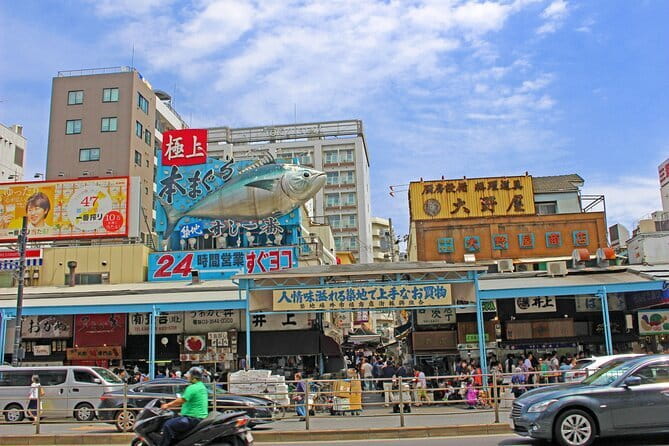
Next up is Kabukichō, and you’ll try miso ramen for another 30 minutes. Kabukichō is busy energy, so it helps that this stop is timed like a breather. Eat, reset, and let your guide steer your attention back to the soup.
Miso can be a turning point on this route. By this stage, you’ve likely noticed how different broth styles feel in your mouth. That makes miso more than just another taste. It becomes the “middle” that helps you interpret what comes next.
What I’d pay attention to during this stop:
- How the broth aroma sits when it’s not just salt-forward or pork-bone rich
- How the toppings interact with that soup base
- Whether miso feels like comfort or like flavor intensity for you
Also, the guides often make this part fun by connecting the tasting to how ramen became such a shared food in Japan. In feedback, guides like Yo and Kazu came up in connection with the history and storytelling tone. Either way, you should expect talk that makes your bowl feel less random.
Stop 3 in Shinjuku: Shoyu and Tonkotsu in the Final Hour
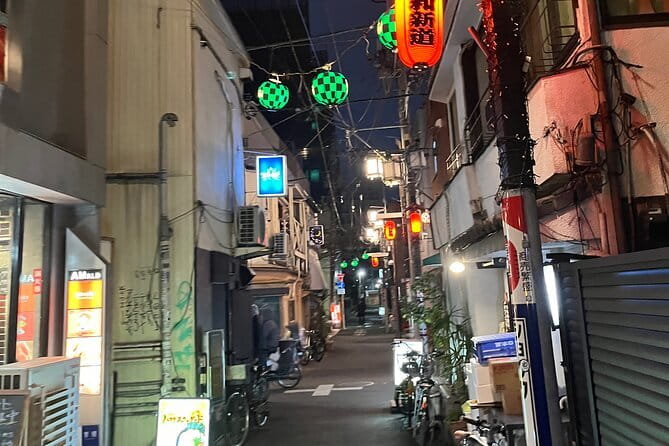
Your last stop brings you back to Shinjuku for about 1 hour, and this is where you get two styles: shoyu and tonkotsu. This structure is smart. You get a classic savory lane (shoyu), then you get the richest “I came here for this” category (tonkotsu).
If you’re a first-timer, tonkotsu is often where people decide what they want to order next time. A lot of ramen lovers go big for tonkotsu because the pork bone broth style can feel thick, bold, and satisfying in a way the lighter styles can’t fully replicate.
But shoyu matters just as much as a contrast. Think of it like this: shoyu gives you that familiar soy-sauce savory profile, while tonkotsu changes the texture and depth game. Together, they help you understand why ramen isn’t one food. It’s a system of broth styles, seasoning balance, and toppings.
One more practical note: the tour ends back at the meeting point, so you’re not left figuring out where to wander after your last bowl. That keeps the experience smooth, especially on a day when you still want to explore Shinjuku after dinner-time crowds start.



Why Mini Bowls Make This Tour Worth It
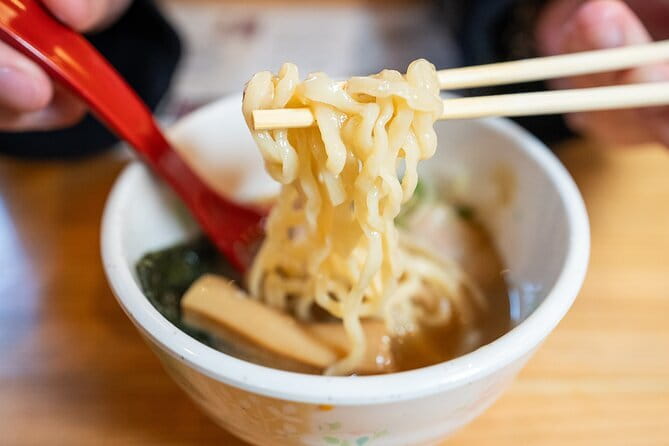
This tour uses perfectly portioned mini bowls, and it is not just a cute idea. It’s the difference between learning and just eating.
With mini bowls:
- You can taste four broths without the heavy “I can’t taste anything anymore” phase.
- You can compare texture and flavor more honestly.
- You leave space for other Tokyo food plans later.
Here’s the real value: when you travel, your biggest ramen problem is usually choice. Should you pick the creamy one? The salty one? The one with the vibe? This tour reduces that stress. You’ll leave with evidence-based preferences.
And the pacing helps. The whole tour runs about 2 hours 30 minutes, with 30 minutes at each of the first two stops and a longer final stretch. That’s enough time to eat thoughtfully, and still move before the group gets sluggish.
Price and Value: Is $114 a Good Deal for Four Bowls?
At $114 per person, this isn’t a bargain-snack. But it can be good value if you look at what you’re actually buying.
You get:
- 4 mini bowls across four ramen styles (shio, miso, shoyu, tonkotsu)
- A local guide who explains what makes each style distinct
The real cost comparison isn’t just ramen price. It’s time and effort. In Tokyo, finding great ramen isn’t impossible, but it is time-consuming if you don’t know where to look. Paying for the guide saves that planning headache. You also get structured tastings, which are harder to replicate on your own unless you plan a multi-stop food crawl with confidence.
Also, this tour is built for small groups, with a maximum of 7 travelers. That affects value in a tangible way: less waiting, more attention, and a more relaxed eating rhythm than big food-tour buses.
One more angle: transportation is not included. So factor in your subway or walking costs to/from the meeting point. Still, once you’re there, the food and guided experience are covered.
Pacing, Group Size, and the Solo-Friendly Factor
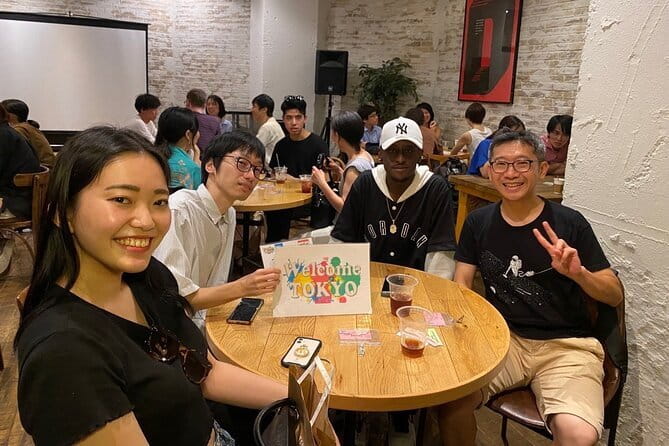
This is a small-group tour (max 7 travelers), and that’s a big quality signal. In tight groups, you can actually hear the guide without playing a guessing game. It also makes it easier to ask questions about broth and toppings without feeling like you’re holding everyone up.
The tour is also near public transportation, which matters in Tokyo. You don’t want a “guide takes you to a maze” situation. Here, your meeting point is in Shinjuku (3-chōme-28-15 area), which is one of the city’s best-connected hubs, and the start time is 1:30 pm.
Timing tip: because you start mid-afternoon, you’ll likely avoid the worst pre-dinner crush at some ramen shops. You’ll still get hungry soon enough. But you’re less likely to feel rushed while eating.
If you’re traveling solo, the small group format can be a plus. It’s easier to chat while eating because you’re not floating with 20 strangers. Keep it simple: introduce yourself, share what bowl you’re most excited to try, then let the conversation run on ramen facts and fun talk.
Who This Tour Fits Best (And Who Might Skip It)
This tour is a great match if:
- You want to learn ramen differences fast
- You love eating, but you also want context
- You’re short on time and want a structured Shinjuku food plan
- You’re the kind of person who likes to compare and decide what you’ll order again later
You might consider a skip if:
- You prefer one long meal in a single restaurant over multiple stops
- You want a full-size bowl experience every time
- You’re worried about tonkotsu specifically, since it’s defined as pork bone ramen
And if you’re traveling with kids, keep in mind the mini-bowl format. Smaller portions can be easier for pacing and digestion than one massive bowl. (Your kids still need to like soup and noodles, of course.)
Should You Book This Shinjuku Ramen Tour?
I’d book it if you want a smart ramen crash course with four classic styles and a guide who helps you taste with intention. The biggest win is the mini-bowl approach: you get variety without the stomach math. And the small group cap keeps it from turning into a chaotic food stampede.
I’d think twice if your idea of a perfect Tokyo meal is one restaurant, one big order, and plenty of time to relax. This tour is built to move and taste. It’s a “comparison meal,” not a “hangout meal.”
If you’re new to Japanese ramen culture, this is a strong first step. You’ll leave with flavor clarity and a shortlist of what you want to chase next in Tokyo.
FAQ
What time does the Tokyo Shinjuku ramen tour start?
The tour starts at 1:30 pm.
Where is the meeting point, and does the tour end nearby?
You’ll meet at Trn, 3-chōme-28-15 Shinjuku, Shinjuku City, Tokyo 160-0022, Japan. The tour ends back at the same meeting point.
How long is the tour?
The duration is about 2 hours 30 minutes.
What’s included in the price?
The price includes 4 mini bowls of traditional ramen and a local guide.
Which ramen styles are you tasting?
You’ll taste shio, miso, shoyu (soy sauce), and tonkotsu (pork bone).
How many stops are there?
There are 3 stops across Shinjuku and Kabukichō.
What’s the maximum group size?
The tour has a maximum of 7 travelers.
Is transportation included in the tour price?
No, transportation is not included.
Can I cancel for free?
Yes. You can cancel for free up to 24 hours before the experience starts for a full refund. If you cancel less than 24 hours in advance, the amount paid is not refunded.