REVIEW · OSAKA
Osaka: Gluten-Free Ramen and Gyoza Cooking Class
Book on GetYourGuide →Operated by yuki Japanese cooking class · Bookable on GetYourGuide
You’re one step away from chewy gluten-free ramen. In this Osaka gluten-free ramen and gyoza cooking class, you’ll make noodles and dumpling wrappers from scratch, then turn them into a full meal in about three hours.
What makes it especially interesting is the mix of classic Japanese techniques and practical gluten-free substitutions. You’ll learn two ramen styles, including a soy sauce version and a tomato ramen that’s described as a modern twist, plus you’ll master gyoza folding and pan-frying for crisp dumplings.
Two things I like a lot: the class stays hands-on from noodle to dumpling, and the small group size (max 4) means you’re not stuck watching from the side. One drawback to consider: this is a home setting in a quiet residential area, so you’ll want comfortable cooking clothes and you’ll need to handle getting to the meeting point on your own.
In This Review
- Key things to know before you go
- Why this Osaka gluten-free ramen class feels different
- The meeting point: easy walk from Nukata Station
- How the 3-hour flow keeps you moving (and learning)
- Step 1: ramen noodles using rice flour (how you get that chew)
- Step 2: soy sauce ramen broth (classic depth, gluten-free built in)
- Step 3: tomato ramen (the twist you’ll actually remember)
- Step 4: gluten-free gyoza wrappers from rice flour
- Step 5: filling, folding, and crisp pan-frying
- Optional sake pairing: small servings, clear purpose
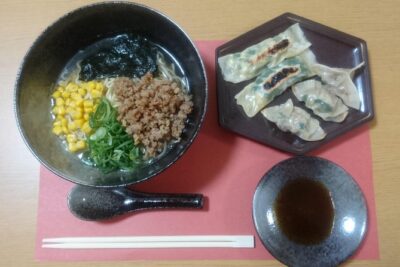
- Eating what you made: the payoff is the meal, not the demo
- Price and value: why $103 can make sense
- Who this class suits best
- What to wear and bring so you feel comfortable
- Should you book this gluten-free ramen and gyoza class in Osaka?
- FAQ
- How long is the Osaka gluten-free ramen and gyoza cooking class?
- How many people are in the class?
- Is the class taught in English?
- Do I need experience cooking before I take the class?
- What will I make during the class?
- Is sake included?
- What’s included in the price?
- How do I get to the meeting point?
- What should I bring or wear?
- Is there a cancellation refund?
Key things to know before you go
- Rice flour noodles and gyoza wrappers from scratch, so you’ll see how gluten-free texture is built
- Two ramen recipes: soy sauce ramen plus a tomato ramen twist
- Gyoza folding and pan-frying focused on getting that crisp outside, tender inside
- Three 45 ml sake servings can be part of the experience (Junmai, Junmai Ginjo, plus a warm Junmai), if offered
- Max 4 participants with one main instructor, making it easier to get help as you cook
Why this Osaka gluten-free ramen class feels different
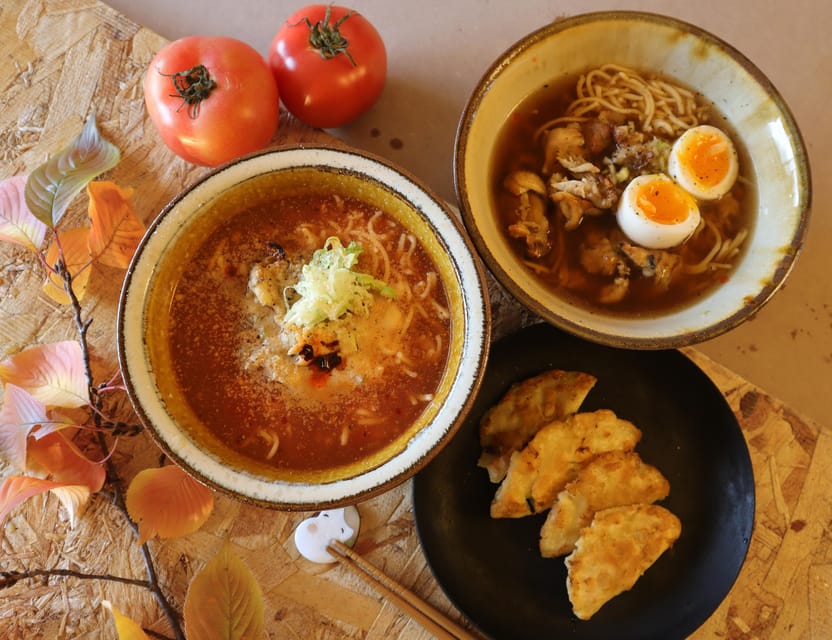
Osaka has no shortage of ramen shops. But this experience is different because you’re not ordering your way through the city’s flavors. You’re building the flavors yourself: gluten-free ramen noodles, gyoza wrappers, two ramen broths, gyoza filling, and then crisp dumplings you can actually describe and repeat at home.
The class is also designed around a very specific promise: you can make Japanese comfort food without wheat. That matters because gluten-free cooking often turns into a compromise. Here, the goal is to teach texture and technique, not just swap ingredients.
It helps that the class is run in an intimate setting with a single instructor. Reviews describe Yuki as patient, kind, and clear with step-by-step guidance, even for people without prior cooking experience. That’s a big deal in a kitchen where small mistakes can change dough behavior, folding shape, or how noodles and gyoza hold up in the pan.
And yes, you’ll leave with a meal. Not a snack. A full sit-down finish built from what you made during the session.
You can also read our reviews of more tours and experiences in Osaka.
The meeting point: easy walk from Nukata Station
You’ll meet at 4-19 Nukata-cho, Osaka, about a 5-minute walk from Nukata Station. The area is quieter and residential, and the venue is marked with a welcoming sign at the entrance.
What I’d do if you’re new to Osaka transit: give yourself a few extra minutes to walk the last stretch. Even with good directions, residential streets can feel same-y the first time. The good news is that the location is specifically described as easy to find once you’re on the right block.
Transportation to the venue is not included, so plan on arriving by train and walking the short final distance. If you’re staying near major stations, you’ll likely treat this as a quick local hop rather than a long cross-city trek.
How the 3-hour flow keeps you moving (and learning)
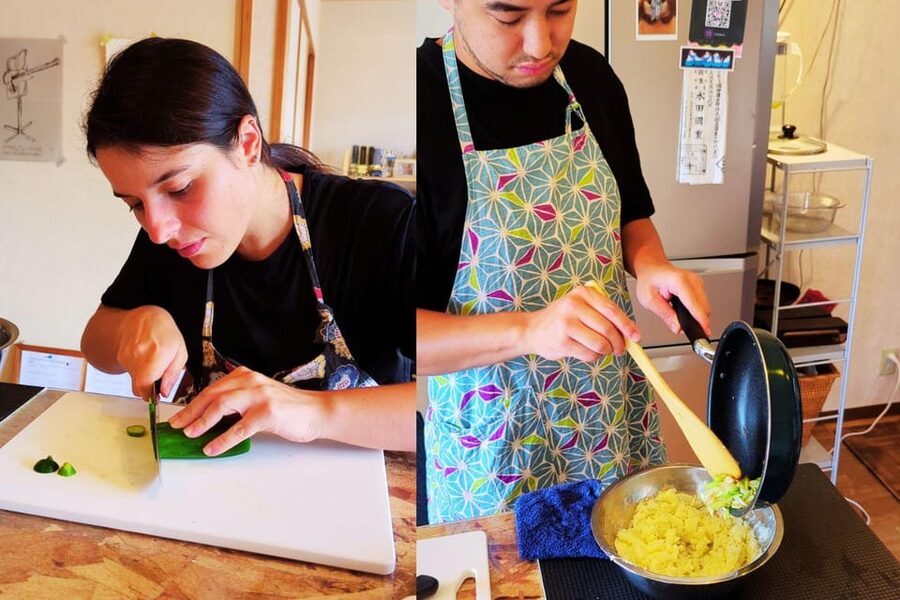
This is a 3-hour class, small-group, English instruction. With a limit of 4 participants, the timing is usually built so you get real hands-on time instead of rotating like a museum exhibit.
The overall rhythm is:
- Welcome and ingredient/tool intro
- Gluten-free ramen noodle making
- Soy sauce ramen steps
- Tomato ramen steps
- Gluten-free gyoza wrapper making
- Gyoza filling, folding, and pan-frying
- Optional sake pairing
- Eating the meal you made together
You’ll want to come ready to cook, not just watch. The class is set up for you to participate, and you’ll get more out of it if you treat each step like a skill to practice, not a recipe to memorize.
Step 1: ramen noodles using rice flour (how you get that chew)
Most people think ramen noodles are one thing: wheat plus skill. Here the class starts with rice flour noodles, and the whole point is texture.
You’ll learn step-by-step techniques to get a chewy result without gluten. That usually means you’re paying close attention to how the dough behaves, how it’s handled, and how you treat it during the cooking process. Rice flour can turn brittle or sticky depending on what you do and when. So the instruction is focused on process control, not just final flavor.
This part is the foundation for everything else:
- Your noodles affect how sauces cling
- Your noodles affect how the soup feels in the bowl
- Your noodles affect how well you can recreate the dish later
And because you’re making them yourself, you’ll understand why certain noodle textures work for ramen, and which common fixes help if your dough seems a little off.
Step 2: soy sauce ramen broth (classic depth, gluten-free built in)
Next comes the savory part: soy sauce ramen.
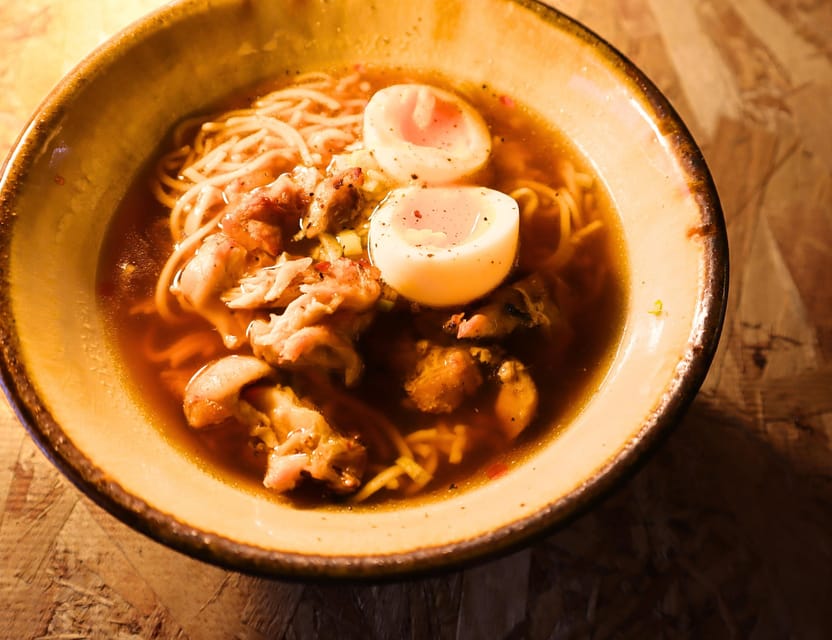
You’ll learn how to prepare a rich soy-based broth to pair with your handmade noodles. Soy sauce ramen is a classic for a reason: it’s bold, salty, and comforting, and it holds up well even when your noodles are gluten-free.
What makes this more valuable than a simple sauce lesson is that you’re pairing broth with noodles you made moments earlier. If your noodle texture is slightly different, the broth still needs to land right. You’ll get a feel for balance: salty, savory, and warm depth that coats and flavors every bite.
If you’ve only ever had ramen as a restaurant product, this is where the “how” becomes clear. You’re not just tasting; you’re understanding what components you can adjust when you cook later at home.


Step 3: tomato ramen (the twist you’ll actually remember)
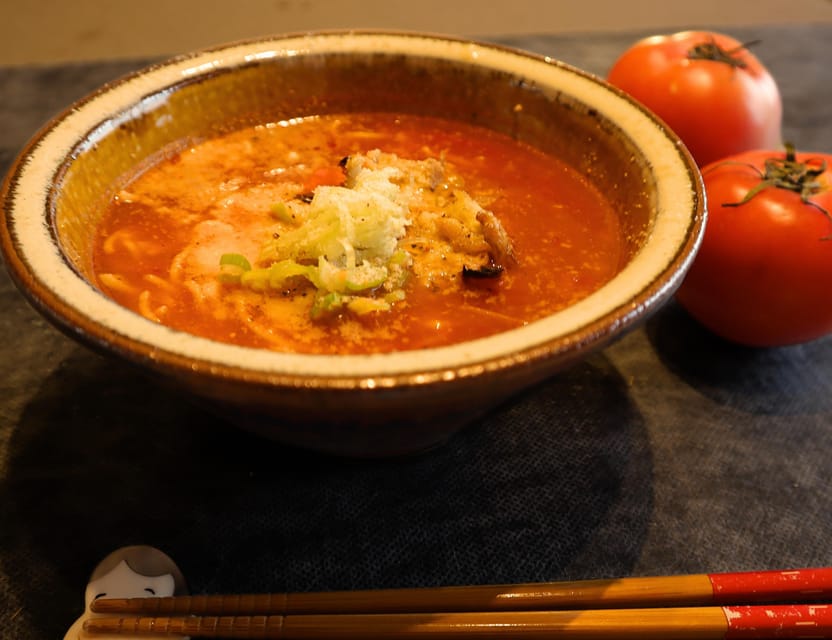
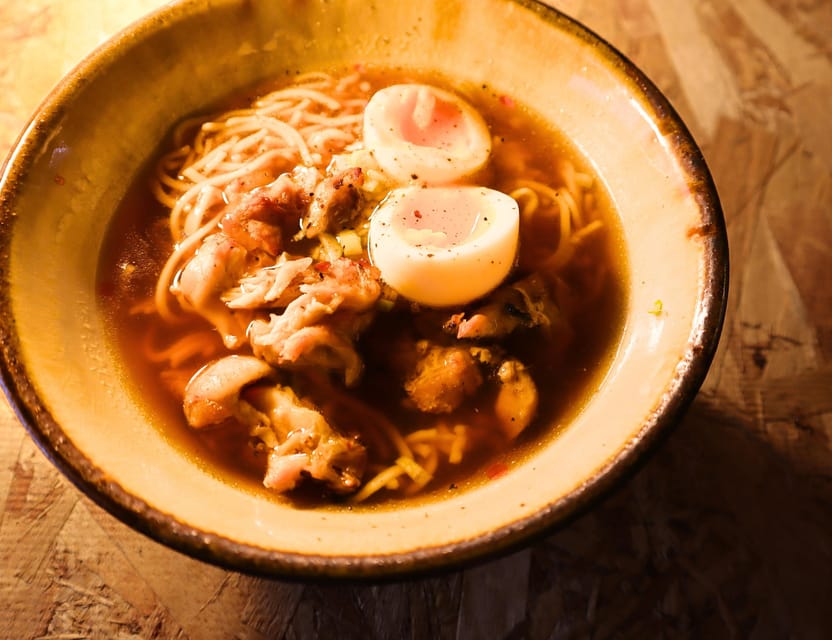
Then you’ll make tomato ramen, described as a refreshing and tangy variation that’s still rare in Japan.
That rarity is exactly why it sticks in your mind. Plenty of cuisines have tomato pasta sauce flavors. But turning tomato into a ramen experience takes different seasoning choices and a different balance between sourness, richness, and broth body.
In class, you’ll get to work the recipe style directly, then taste it with your own noodles. If you worry that “tomato ramen” might feel like a gimmick, don’t. The class frames it as an evolution of Japanese cooking—Japanese flavors adapting to creative inputs.
You’ll also be better at judging it later. Instead of asking whether tomato ramen is good, you’ll know what makes it work.
Step 4: gluten-free gyoza wrappers from rice flour
Now the dumpling chapter: gyoza wrappers made gluten-free using rice flour.
Making wrappers from scratch changes how you think about dumplings. You stop relying on store-bought skins, and you learn what wrapper behavior should feel like. You’ll practice the dough process and learn how to shape dough so it behaves during folding and cooking.
This is one of the most practical parts of the class for home cooks. Wrappers are often where gluten-free baking goes wrong. Too thin and they tear. Too thick and they feel heavy. The instruction here is built around getting a usable wrapper texture you can fold without panic.
And because you’re making wrappers, you’re learning a skill you can apply later to other gluten-free dumpling ideas.
Step 5: filling, folding, and crisp pan-frying
After wrappers, you’ll make the filling and then the real showpiece: folding gyoza.
You’ll learn the folding technique for dumplings and then cook them by pan-frying. The goal is that classic gyoza contrast: a crisp outside with a tender inside.
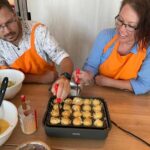
Folding is one of those skills that looks simple in a photo and then becomes technical when your hands are doing it for the first time. With a max group size of 4, you get the chance to correct technique as you go rather than waiting your turn.
Cooking is the other key. Pan-frying gyoza depends on heat control, timing, and how the dumpling sits in the pan. The class is built so you can learn those timing cues and see what “golden” looks like when the dumplings are ready.
When you eat the dumplings later, you’ll taste the difference between rushed cooking and good control. And you’ll also know why yours turned out the way it did.
Optional sake pairing: small servings, clear purpose
If the class includes the optional pairing, you’ll enjoy three 45 ml sake servings:
- two chilled sakes: Junmai and Junmai Ginjo
- one warm Junmai
This isn’t just alcohol for fun. It’s part of the flavor training. You’ll notice how the sake changes what you perceive in soy sauce ramen and in gyoza, especially when the dumplings bring fat and crispness to the table.
You’ll also learn something useful for real-life dining: how Japanese pairings often split the difference between matching flavors and balancing them.
Eating what you made: the payoff is the meal, not the demo
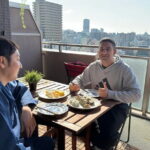
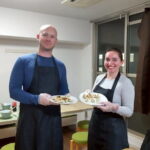
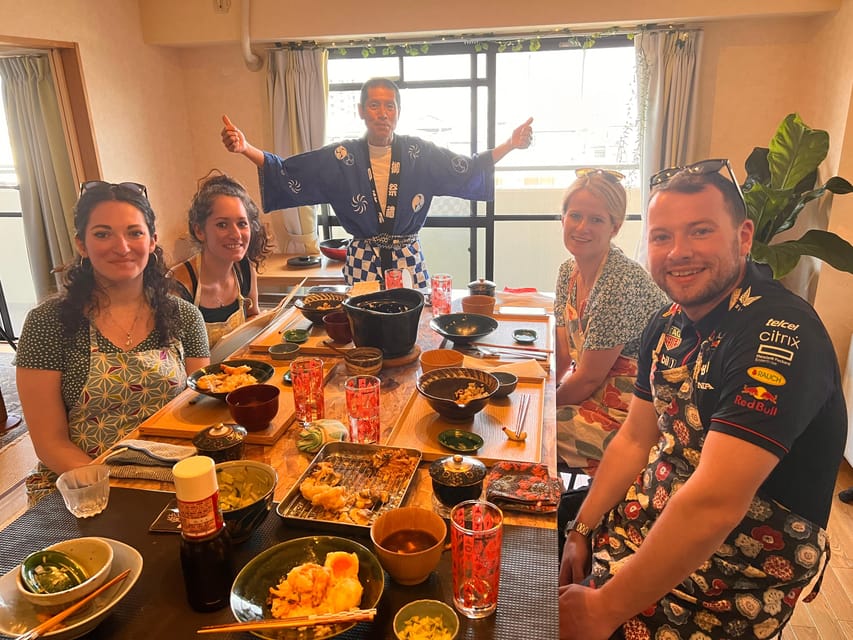
Once cooking is complete, you’ll gather in a cozy dining area and eat what you created. Yuki guides you through the flavors and how the sake pairing enhances each dish, which turns the meal into a tasting lesson.
The practical advantage here is that you’re not waiting until the end to understand whether your technique worked. You’ll taste everything you made while the experience is fresh, and you can connect results to each step you did earlier.
Also, because it’s a home setting, the vibe tends to feel like you’re learning inside someone’s everyday rhythm, not in a hotel classroom. That’s what makes the experience feel personal and relaxed.
Price and value: why $103 can make sense
At $103 per person for 3 hours, this isn’t a budget activity. But it can be good value for a couple of reasons.
First, you’re paying for hands-on instruction plus all the ingredients and full meal. You’re not just learning a recipe. You’re learning gluten-free techniques that would normally require trial-and-error at home.
Second, the class size is capped at 4 participants, which reduces the “mass class” feeling and helps you get attention when your dough, wrappers, or dumplings don’t cooperate.
Third, the meal includes multiple dishes you cook: two ramen styles and gyoza, plus the option of a sake pairing with specific types (Junmai and Junmai Ginjo). That’s a lot of output for one sitting.
If you’re someone who likes cooking and wants skills you’ll actually use again, this price starts looking reasonable. If you’re only after eating ramen, you can find cheaper meals in Osaka. This is for people who want the process.
Who this class suits best
You’ll likely love it if:
- you need or prefer gluten-free food and want real Japanese technique, not a sad substitute
- you’re curious about making noodles and wrappers from scratch
- you enjoy interactive cooking and want to leave with recipes and tips
- you want a small, structured activity that also delivers dinner
You might skip it if:
- you don’t want any cooking mess or active work during the session
- you’re looking for a big sightseeing schedule instead of one focused skill experience
- you need an option that’s easy for people over 95 years old (the class notes it isn’t suitable for those over 95)
What to wear and bring so you feel comfortable
Bring comfortable clothes suitable for cooking. You’ll be working with dough and cooking on a stove/pan setup, so loose restrictions and breathable items help.
You don’t need prior cooking experience. Just come with an appetite for learning and tasting.
Should you book this gluten-free ramen and gyoza class in Osaka?
If you want a memorable Osaka experience that goes beyond eating, I’d book it. You’re getting a full, hands-on cooking session built around gluten-free ramen noodles and gyoza you make yourself, plus two ramen flavors and a dumpling-frying skill you can practice later.
This is especially worth it if gluten-free options feel limited where you live, because the techniques here are the point, not just the final meal. If you’re comfortable cooking for three hours and you like learning in a small group, this class is a strong choice.
FAQ
How long is the Osaka gluten-free ramen and gyoza cooking class?
It lasts 3 hours.
How many people are in the class?
It’s a small group limited to 4 participants.
Is the class taught in English?
Yes, the instructor provides instruction in English.
Do I need experience cooking before I take the class?
No prior cooking experience is required.
What will I make during the class?
You’ll make gluten-free ramen noodles and learn soy sauce ramen plus tomato ramen, and you’ll also make gluten-free gyoza wrappers, then fill, fold, and pan-fry gyoza.
Is sake included?
Sake pairing is described as optional, with three 45 ml servings (Junmai, Junmai Ginjo, and a warm Junmai), if offered with your experience.
What’s included in the price?
Included are the hands-on cooking class, personal instructor time, recipes and tips, and a full meal made from your creations.
How do I get to the meeting point?
You’ll meet at 4-19 Nukata-cho, Osaka, about a 5-minute walk from Nukata Station. Transportation to the venue is not included.
What should I bring or wear?
Wear comfortable clothes suitable for cooking, and come hungry.
Is there a cancellation refund?
Yes. You can cancel up to 24 hours in advance for a full refund.