REVIEW · KYOTO
Kyoto Ramen Noodle Making Class
Book on Viator →Operated by byFood · Bookable on Viator
Kyoto is famous for ramen, but this is hands-on. You’ll make noodles from scratch at Musoshin in the historic Gion area, guided step-by-step as the broth simmers. The payoff is real: you sit down at the end with a bowl the chef prepares while your noodles are fresh, chewy, and made by you.
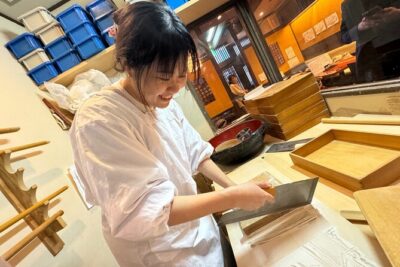
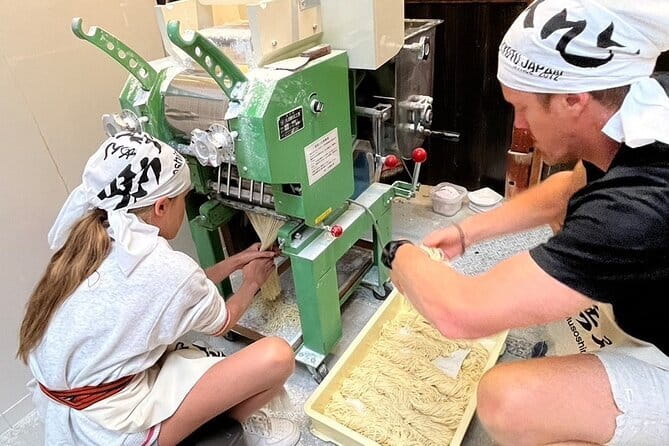
I especially love the hands-on noodle making part. You’re not just watching a demo; you roll, cut, and shape wheat-flour noodles using a professional machine. I also like that it comes with the full experience extras—your bowl of ramen, one soft drink, a rental apron, and a bandana souvenir you get to keep.
One possible drawback: this is mainly a noodle-making workshop, not a full ramen cooking class. If you’re hoping to control everything from broth to toppings, you may find the chef-led cooking side is more limited than a full kitchen session.
In This Review
- Key highlights before you go
- Gion Ramen Workshop: What Makes Musoshin’s Noodle Class Different
- Price and Value: Is $48.27 Worth It for One Hour?
- Your 1-Hour Flow in Gion: From Dough to a Bowl
- The Two-Flour Noodle Method and the Machine Technique
- Broth, Tasting, and Real Dietary Options (No Surprise Meals)
- Instructors and the Friendly Pace That Makes It Work
- Getting There in Gion: Location and Logistics Without Headaches
- Who This Is Best For (and Who Should Choose Something Else)
- Should You Book This Kyoto Ramen Noodle Making Class?
- FAQ
- Where does the class take place?
- How long is the Kyoto ramen noodle making class?
- What is the price?
- Is the ticket mobile?
- What’s included in the price?
- Is this hands-on noodle making or just watching?
- Are there vegetarian or vegan options?
- Do they accommodate pescetarian diets?
- How many people are in a group?
Key highlights before you go
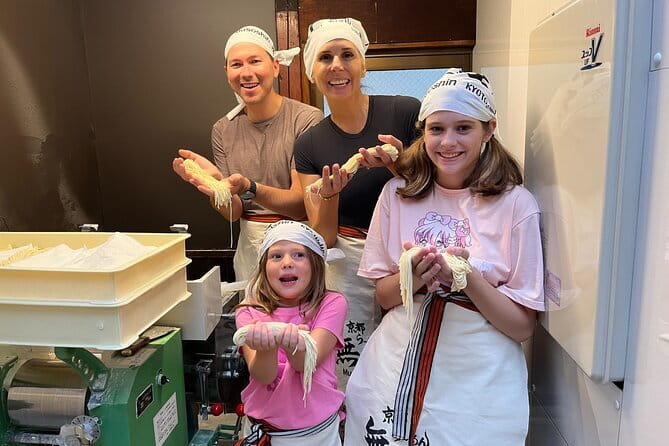
- Two-flour noodle technique explained and put into your hands
- Professional noodle-making machine used during the workshop
- English-speaking instructor who talks you through each step clearly
- Chef-made broth and ramen tasting included at the end
- Vegetarian/vegan/no meat or fish options available if you inform them in advance
Gion Ramen Workshop: What Makes Musoshin’s Noodle Class Different
This class happens in central Kyoto’s Gion area, inside Musoshin’s Gion ramen setting (not their academy). That matters because you’re doing your work in the same kind of real restaurant environment where the noodles and bowls are part of daily life. It feels less like a staged show and more like you’re stepping into how a serious ramen shop runs.
Musoshin is well known in Kyoto, with three stores in the city. The company also has an international footprint, including a location in Toronto that’s recognized in the Michelin Guide. You don’t need a Michelin badge to enjoy this workshop, but it helps explain why the training focuses on technique rather than just entertainment.
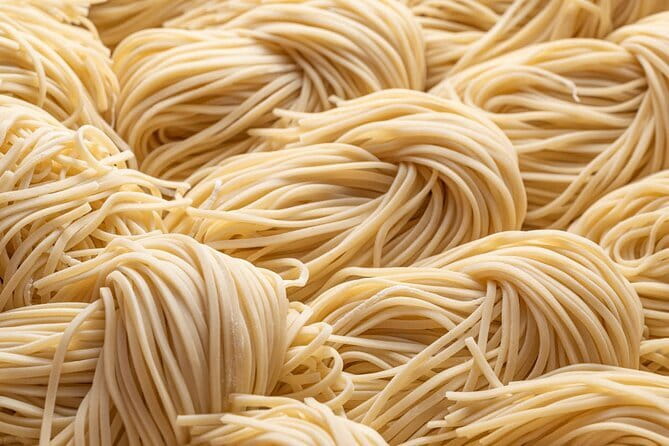
And yes, the noodles are made from wheat flour. You’ll work with dough made with two types of flour, then use a ramen noodle machine to roll and cut it into the right texture.
If your ideal Kyoto food moment includes learning a skill you can repeat later, this fits. If your ideal moment is only eating, you can still enjoy it—but the value here is the “do it yourself” part.
You can also read our reviews of more tours and experiences in Kyoto.
Price and Value: Is $48.27 Worth It for One Hour?
At $48.27 per person for about an hour, this isn’t the cheapest thing you can eat in Kyoto. But it’s also not just a quick meal.
What you’re paying for is:
- A hands-on instruction experience in noodle making (English-speaking)
- Ingredients and tools for making noodles
- A bowl of ramen plus one soft drink
- A rental apron (so you don’t have to worry about your clothes)
- A bandana souvenir used during the workshop
When I look at value like this, the cost starts to make sense. A sit-down ramen meal can be filling, but you typically don’t leave with a skill, materials, and guided technique. Here, the ramen is the reward, not the whole event.
Also, the group is capped at six travelers. Smaller groups usually mean more attention, fewer delays, and a calmer pace—especially important when everyone is working at the same time with dough and a machine.
Your 1-Hour Flow in Gion: From Dough to a Bowl
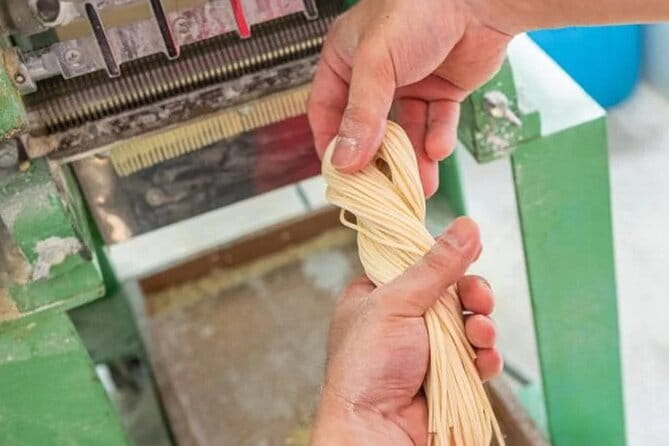
The workshop runs for about one hour, and it follows a logical sequence. Here’s how the experience typically moves, and what to watch for.
First, you meet at 558-2 Komatsuchō in Higashiyama Ward (near public transportation). You’ll use a mobile ticket, so have it ready on your phone. You’ll also get your apron rental and start the session with your instructor guiding the process.
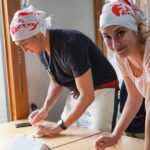
Next comes the dough work. You’ll be instructed on the core steps: you pour the water, knead the dough, then work on rolling and cutting. The goal is consistent thickness and clean cutting so the noodles cook evenly.
While you’re doing that, the chef’s work is happening in parallel. The ramen shop broth—made from a blend of vegetables—is prepared so it’s ready when you’re done. That split matters. Even though this is a hands-on activity, you’re not asked to manage everything from broth timing to serving temperature. The structure lets you focus on noodles while the kitchen team handles the ramen finish.
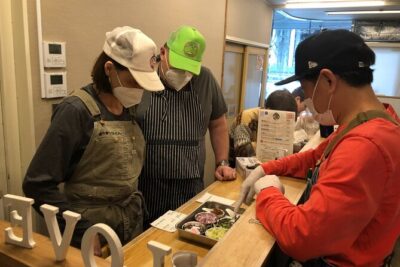
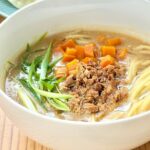
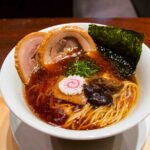
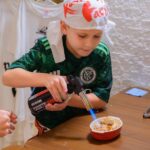
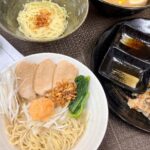
Finally, you sit down for your bowl of ramen the chef prepares. This is the moment where it clicks. You can taste how your noodle thickness and cut shape affect chew, and you’ll notice the broth’s savory vegetable base.
One helpful note: this is specifically a noodle-making workshop. It isn’t presented as a full ramen cooking class where you control toppings or broth steps. You’ll still learn a lot, just not everything.
The Two-Flour Noodle Method and the Machine Technique
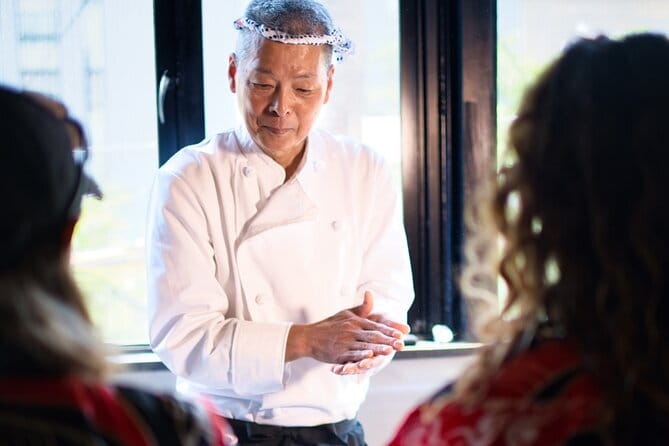
The most exciting part is the noodle machine. It’s one of those things you can’t really reproduce at home without equipment, so using a professional setup in real conditions is a big part of the value.
Here’s what you’re learning:
- Dough made from two types of flour
- Kneading for the right consistency
- Rolling and cutting to produce workable noodle strands
- Using the machine approach to get even thickness and proper texture
In practical terms, noodle making is mostly timing and pressure. Too much and your dough gets tough. Too little and it won’t roll right. Even if you don’t memorize every detail, you’ll start to understand the feel of dough that’s ready.
A big plus for beginners: the class format is guided. You don’t need to be a foodie engineer to get it right. The instructor helps you correct while you’re actively working, which is the easiest way to learn without wasting dough.
And you get to see how technique ties to the final bowl. The chef-made broth is ready, but the noodles are your contribution. That’s what makes this feel like an activity, not just a ticket to dinner.
Broth, Tasting, and Real Dietary Options (No Surprise Meals)
The included ramen comes from a broth made with a blend of vegetables. So even if you’re not strict vegetarian, you’ll likely find the flavor profile comforting and not overly heavy.
Dietary needs are handled thoughtfully. The tasting session offers vegetarian, vegan, and no meat or fish options. Pescetarian is also accommodated, but you need to inform them in advance about your specific restrictions.
This is important for planning. If you wait until the day of, you risk delays or miscommunication. If you already know you’re vegetarian, vegan, or pescetarian, message in advance and be clear. That’s the easiest way to get the meal you want.
Also, because noodles are made from wheat flour, you’ll want to note that gluten is part of the base ingredient. The class information doesn’t mention gluten-free substitutions, so if you need gluten-free food, you’ll want to check directly before booking.

Instructors and the Friendly Pace That Makes It Work
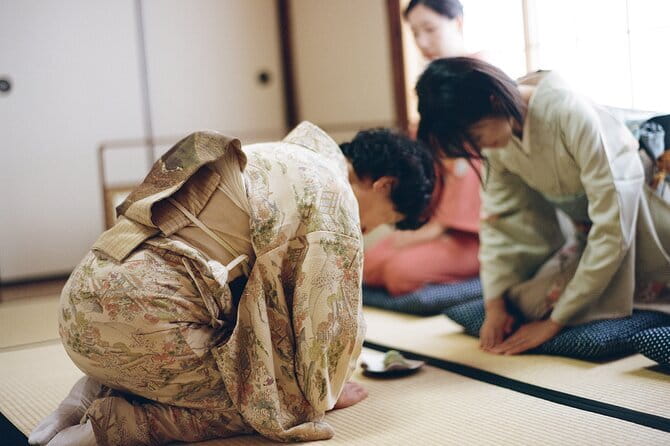
The workshop runs smoothly because the instructors teach in a way that makes a messy task feel doable.
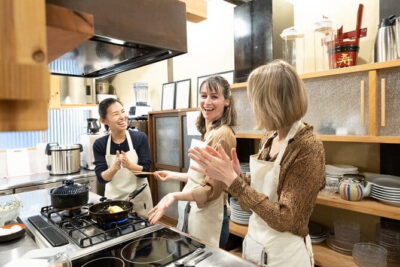
From what I’ve seen reflected in this experience, instructors like Kaz and Azu and Amiru keep things interactive and clear. The common thread is that you get step-by-step guidance while you’re actively doing the work, not just listening at a distance.
That matters because noodle making can be intimidating if you imagine it as a secret skill. Here, the approach is practical. You learn by doing, and you get corrections right away.
A nice detail: the tone stays comfortable. You aren’t asked to perform. You’re asked to participate. That’s especially helpful if you’re visiting as a couple, with friends, or as a family where kids might not have patience for a long lecture.
Getting There in Gion: Location and Logistics Without Headaches
The meeting point is 558-2 Komatsuchō, Higashiyama Ward, Kyoto, 605-0811. It’s near public transportation, which helps a lot in Kyoto where walking is great but heat and crowds can still get real.
Because the venue is Musoshin in Gion (central Kyoto), you’ll likely be able to combine this with other nearby food stops afterward. I like pairing this with an evening stroll through the area, because you’ll already be in the mood for Kyoto’s old-street vibe and smell of grilled snacks.
Group size is small—max six travelers—and the workshop is about one hour. That makes it easier to fit into a day without wrecking your schedule.
Practical tip: wear clothes you don’t mind getting flour dust on. Even with an apron, you’ll probably brush against a bit of dough residue at some point.
Who This Is Best For (and Who Should Choose Something Else)
This workshop is a strong match if you want:
- A hands-on Kyoto food experience
- Technique and a repeatable idea (even if you can’t replicate the machine at home)
- A chance to eat ramen right after you make the noodles
It’s also a great option if you’re with others who enjoy cooking or want an activity that isn’t only sightseeing.
You might want to choose a different style of class if you’re looking for:
- A full ramen cooking class where you manage broth, toppings, and final assembly yourself
- A purely sit-and-eat experience with no food prep element
Since this one is focused on noodle making, you’ll still get the ramen reward, but your main learning goal is noodles, not the entire bowl.
Should You Book This Kyoto Ramen Noodle Making Class?
I think this is worth booking if you like learning by doing and you want your Kyoto meal to feel personal. The price feels fair when you factor in that you get hands-on noodle instruction, equipment and ingredients, and a chef-prepared bowl plus a soft drink. Add the small group size and the English-speaking guidance, and you’ve got a format that works even if you’re not a confident cook.
Book it sooner rather than later if:
- You want a break from crowds and walking
- You’re traveling with people who enjoy interactive activities
- You care about dietary needs and want a clear, structured workshop with options
Skip or compare if:
- Your priority is only eating and you don’t want flour hands or machine time
- You’re expecting to make the broth yourself
If you’re on the fence, I’d choose this when your ideal Kyoto day includes one skill-based experience that ends with a great meal you helped create.
FAQ
Where does the class take place?
The workshop meets at 558-2 Komatsuchō, Higashiyama Ward, Kyoto, 605-0811, Japan. The cooking venue is in Musoshin Gion in central Kyoto, not Musoshin Ramen Academy.
How long is the Kyoto ramen noodle making class?
It runs for about 1 hour.
What is the price?
It costs $48.27 per person.
Is the ticket mobile?
Yes, it uses a mobile ticket.
What’s included in the price?
You get an English-speaking noodle-making instructor, ingredients and tools for noodle making, a bowl of ramen plus one soft drink, a rental apron, and a bandana souvenir used during the workshop.
Is this hands-on noodle making or just watching?
It’s hands-on. You help make the noodles by pouring water, kneading dough, rolling, and cutting the noodles with the professional ramen noodle-making machine.
Are there vegetarian or vegan options?
Yes. Vegetarian, vegan, and no meat or fish options are available for the tasting session. You should inform them in advance of your dietary restrictions.
Do they accommodate pescetarian diets?
Yes, pescetarian diets can be accommodated. You’ll need to inform them in advance of your dietary restrictions.
How many people are in a group?
The maximum group size is six travelers.