REVIEW · BEIJING
Online Cooking Class Hand Pulled Noodles by Sunflower Li
Book on GetYourGuide →Operated by Sunflower Tours China · Bookable on GetYourGuide
Making noodles over Zoom is easier than it sounds. I love the hands-on fun of pulling Biáng Biáng noodles at home, and I love that Chef Sunflower Li also connects the dish to Chinese culture and even the written language. The only drawback to plan around: you’ll need to prepare ingredients yourself, and timing is based on Beijing time.
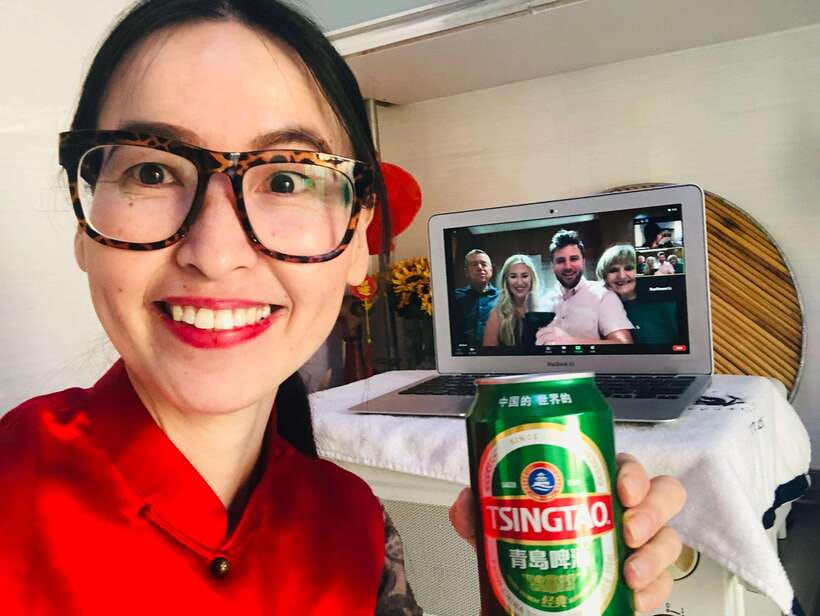
Chef Sunflower Li runs this as a private group online class, so it feels more like a chef-led party than a passive video. You’ll start with dough and learn the steps for very wide, slap-and-pull noodles that Xi’an is famous for. Scheduling is flexible too, including class times that can work for Europe or the US as lunch or dinner.
A final heads-up: since it’s Zoom, your success depends on having the right ingredients measured out and being ready on camera when Chef Miss Li demos the technique.
In This Review
- Key things that make this class worth your time
- Meet Chef Sunflower Li: a Zoom cooking class that actually feels personal
- The Xi’an connection: why Biáng Biáng noodles are different
- What you actually cook in a 2-hour Biáng Biáng class
- Ingredients you must prep before class (and how to avoid last-minute stress)
- The sauce and seasoning step: where the class really clicks
- Timing and time zones: the Beijing-time gotcha you should plan for
- Price and value: $99 per group up to 5
- Who this online noodle class fits best
- Tips to help your first batch come out better
- Should you book this hand-pulled noodle Zoom class?
- FAQ
- Is this cooking class online or in person?
- How long is the class?
- What language is the instruction in?
- Are vegan options available?
- What ingredients do I need to prepare?
- What time zone should I use when choosing a class time?
Key things that make this class worth your time
- Chef Sunflower Li in English: clear coaching plus a light, entertaining teaching style.
- Authentic Xi’an-style Biáng Biáng noodles: you’re learning the wide, belt-like shape and the signature pulling rhythm.
- From-scratch cooking: you don’t just assemble—your class recipes are made from the start.
- A sauce you can actually taste at home: the end-of-class sauce is a big highlight.
- Vegan option available: you can keep the class meat-free if you want.
- Flexible scheduling with time-zone planning: you can often adjust the class time, but you must think in Beijing time.
Meet Chef Sunflower Li: a Zoom cooking class that actually feels personal
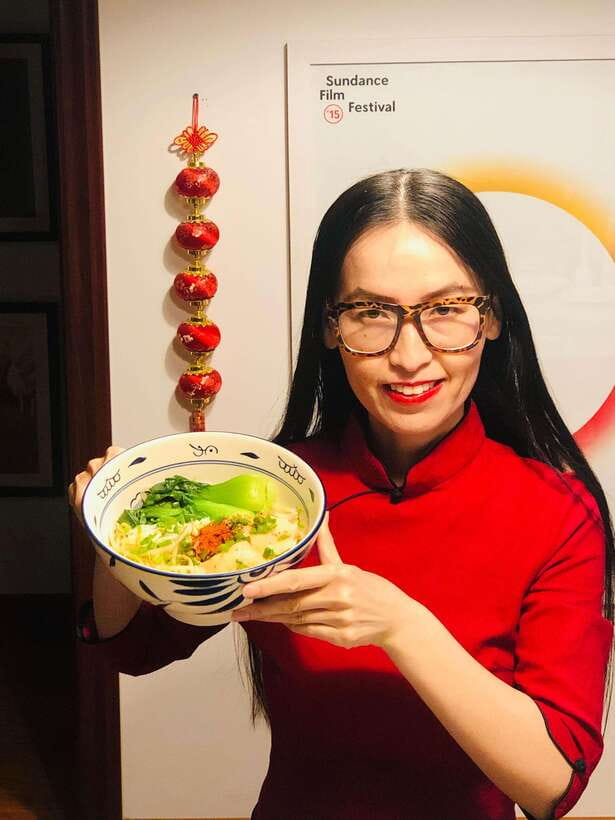
This is an online cooking class—no travel, no warehouse classroom, no awkward wait for other people to arrive. You meet Chef Sunflower Li virtually via Zoom, and once you book, you get the Zoom link plus an ingredients list so you can prep ahead.
What makes this format work is the way the class is structured for small groups. It’s priced per group (up to 5), and that private-group setup matters: you can follow along without feeling like you’re lost in a crowd. I also like that the instructor is English-speaking, which is huge if you want to focus on technique rather than translating instructions in your head.
In the past, some classes included extra teaching like Chinese culture and written language. That turns cooking from a one-off trick into something you can carry into future meals. You don’t just leave with noodles—you leave with context.
The Xi’an connection: why Biáng Biáng noodles are different
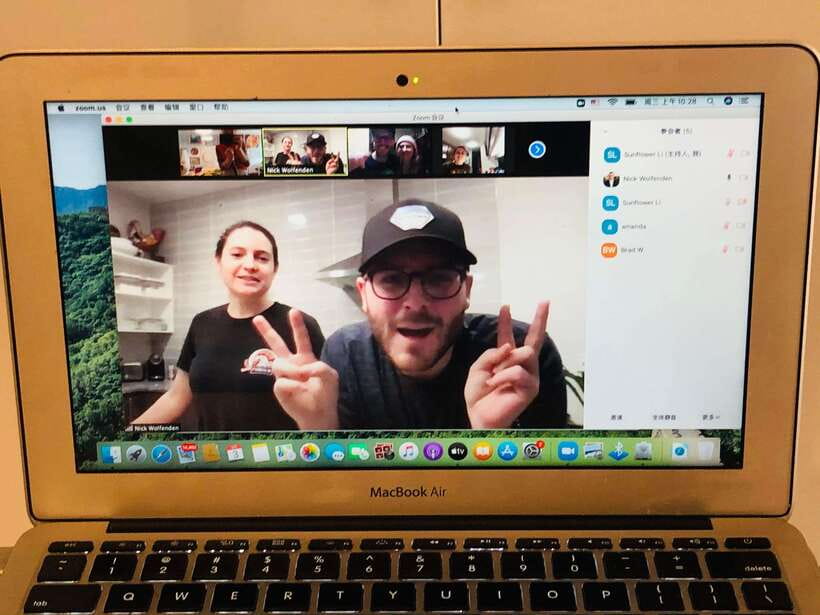
Hand-pulled noodles have deep roots in Northern China, with a history that’s often described as more than 1,800 years old. In this class, the focus is Xi’an—the kind of place most people connect with the Terracotta Army—and the noodles that are famous there.
The dish is called Biáng Biáng noodles, named for the sound that happens when you smack the dough while pulling. In everyday terms, people also call them belt noodles because the final noodles are so wide. That width is not a gimmick; it changes the whole eating experience. The noodles feel more substantial than thin noodles, and sauces cling differently.
Why this matters for you: if you’ve only ever had noodles that come from a packet or a restaurant bowl, learning the wide, slap-and-pull texture makes the dish feel real. It’s also a fun skill to show off later—because even if your first batch isn’t perfect, you’ll understand the process.
What you actually cook in a 2-hour Biáng Biáng class
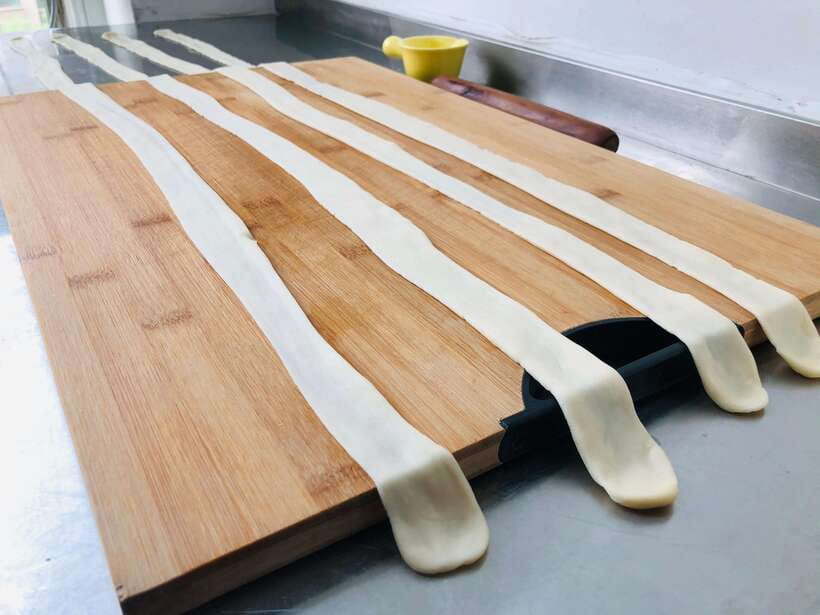
The class length is usually about 90 minutes to 2 hours, depending on how your group moves and how hands-on the lesson is that day. The plan stays simple: make the noodles from scratch, learn the pulling technique, then finish with a sauce that brings everything together.
Here’s the practical flow you can expect:
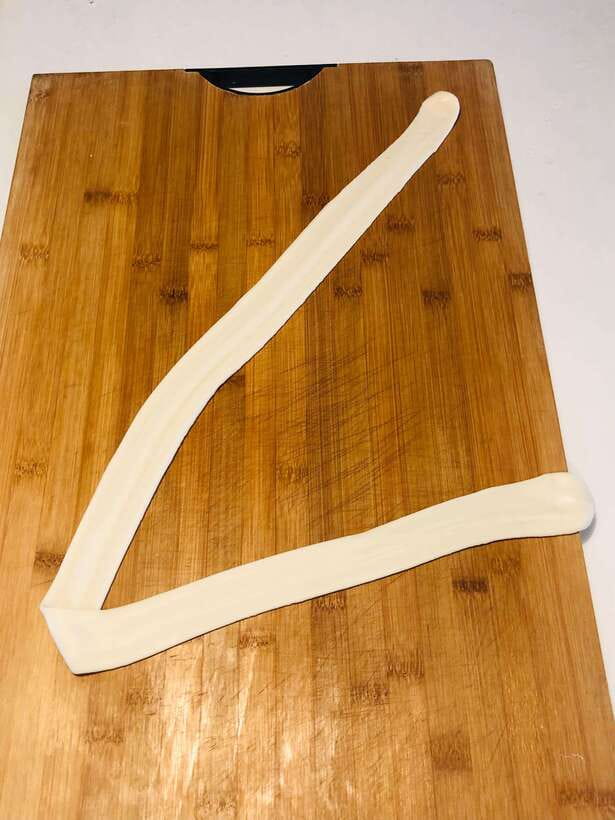
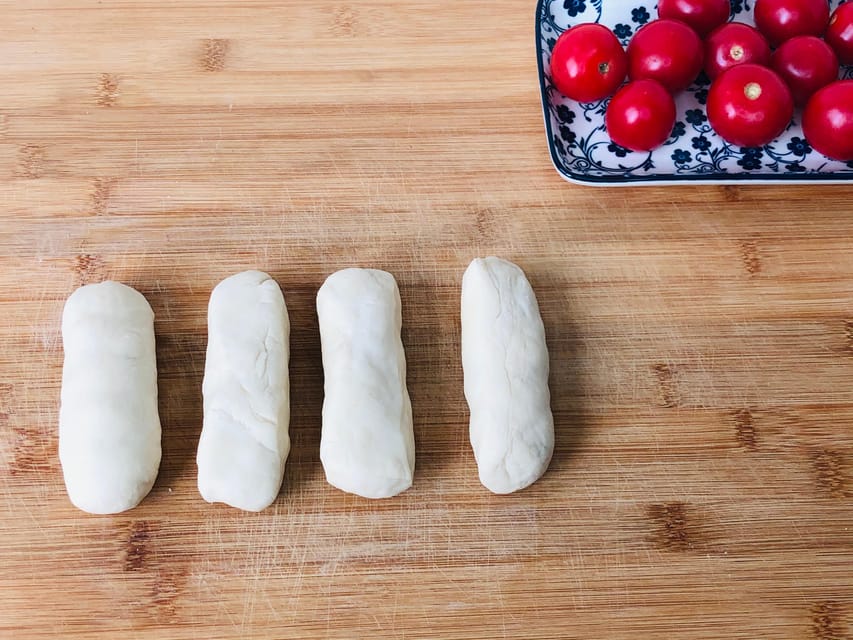
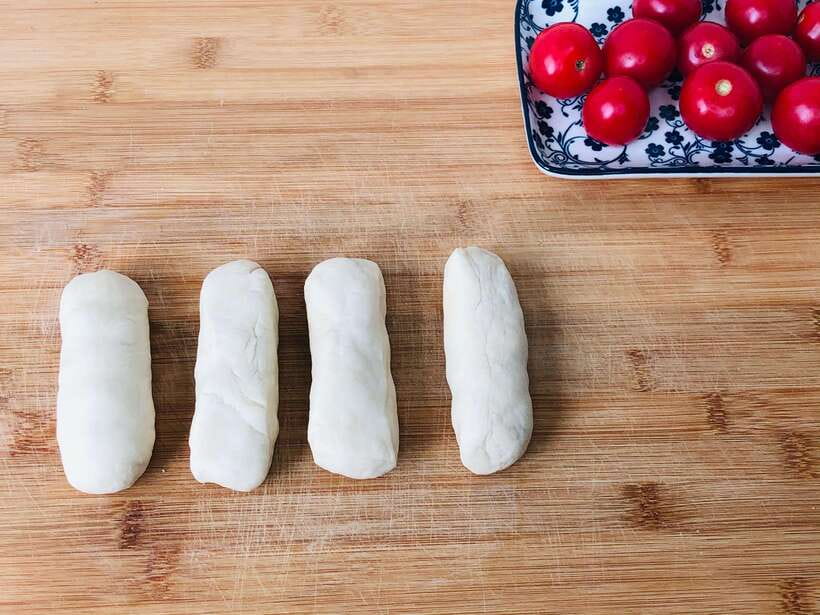
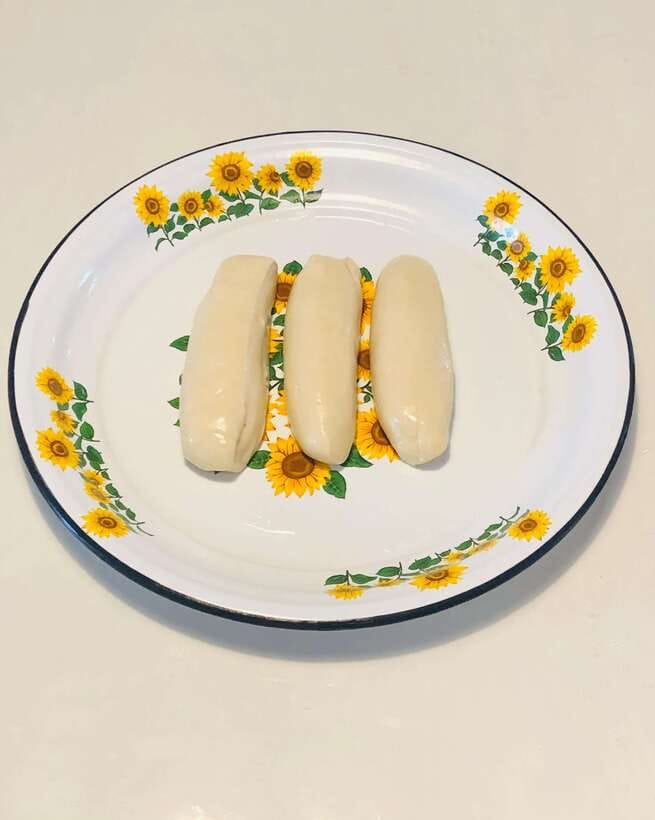
- You’ll start with dough and work through steps toward workable noodle strands.
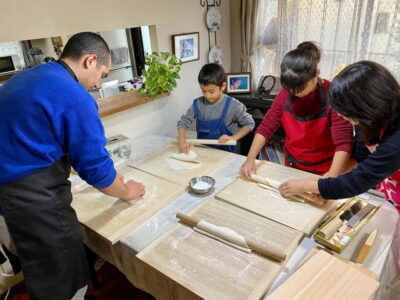
- Chef Sunflower Li guides you through hand pulling until the noodles reach their signature wide shape.
- You then prepare the components and seasoning for a Chinese-style finished plate.
- The class typically includes a sauce step near the end, made quickly so you can taste it as part of your meal.
You’ll also have the chance to learn what makes the dish refreshing, especially in warmer weather. That’s not just marketing language: the way these noodles are served and dressed changes how light the meal feels compared to heavier noodle dishes.
Kids and adults can both have a good time with this. Hand-pulling has a game-like quality, and the technique lends itself to group participation.
Ingredients you must prep before class (and how to avoid last-minute stress)
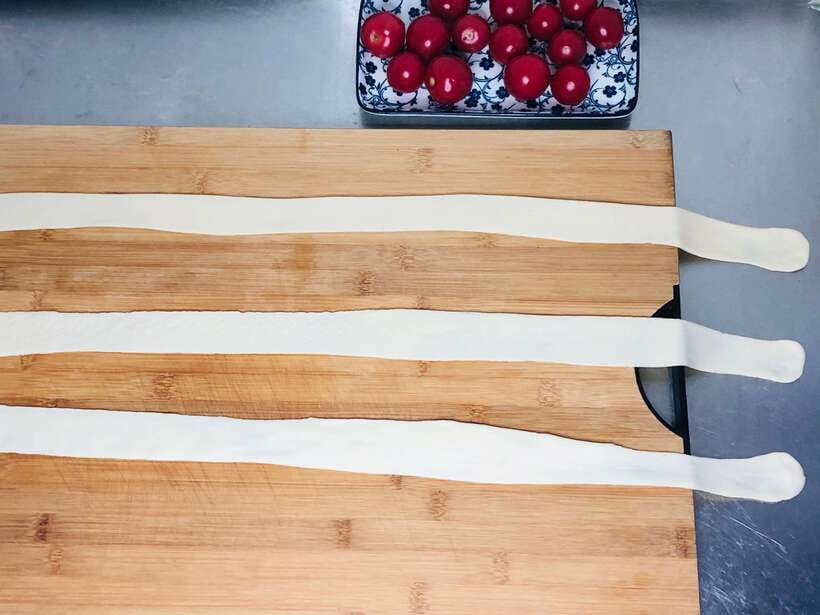
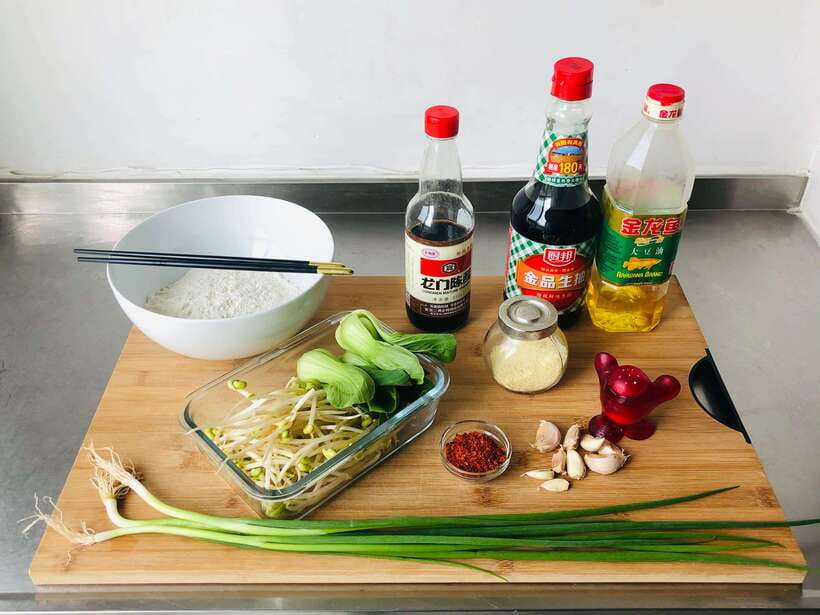
This class is very clear about one thing: ingredients aren’t included. After booking, you’ll receive a detailed ingredients list, and you should treat that list like your checklist for success.
Based on the supplied ingredient guidance, plan on having items like:
- Bean sprouts (about 4 oz / 112g)
- Bok-choy (about 4 oz / 112g)
- Diced green onion (about 5 tbsp)
- Minced garlic (about 4 tbsp)
- Chili powder (optional)
- Toasted sesame seeds
- Vinegar
- 13-spice (with a substitute suggested: 5 spice)
- Olive oil and salt
A practical tip: measure these before class starts. With Zoom cooking, you don’t want to pause mid-technique to hunt through drawers or adjust amounts. Having everything laid out also makes it easier to follow along when Chef Sunflower Li is explaining timing.
If you want the vegan version, the class says vegan options are available. Just be sure you request or confirm the vegan setup when you schedule.
The sauce and seasoning step: where the class really clicks
One of the most consistently praised parts of the experience is the finishing sauce. The idea is simple: you’ll make a Chinese-style sauce that’s meant to taste authentic, not like something you’d only recognize from a restaurant shortcut.
Why that matters for value: if you only learn noodle mechanics, you still might struggle to recreate the taste at home. The sauce step gives you the missing link—the flavor profile that makes the whole dish feel complete.
Also, the sauce is typically taught as part of the lesson near the end, so you’re not left guessing. You get a guided path from ingredients to bowl, and you can adjust after you’ve tasted it.
Timing and time zones: the Beijing-time gotcha you should plan for
This is where many people trip up with international online classes: time zone alignment.
The class scheduling is flexible, and the class is designed to fit Europe or US schedules for lunch or dinner. Still, you’ll be scheduling in relation to Beijing time, and that can shift your date too.
Here’s the smartest move: before you book a time, look up what that start time means in your local time zone. Then double-check the date, not just the clock time. In one confirmed booking example, it helped to know they were working off Beijing time, which landed on a different date locally.
If you’re organizing this for a group event—birthday, bridal shower, or a work team night—assign one person to do that time-zone conversion so nobody shows up late with a cold kitchen.
Price and value: $99 per group up to 5
At $99 per group (up to 5 people), the real question is how you’ll split the class cost and what you get for that price.
You’re paying for:
- A private, instructor-led Zoom session
- English-language coaching
- Recipes made from scratch (not a demo-style class)
- Vegan option availability
- A structured experience that includes the noodle technique and the sauce
If you have 3–5 people, this can be a very fair deal because the per-person cost drops fast. It’s also a good fit for teams and celebrations because you’re buying one shared activity instead of individual experiences.
If it’s just you, it might feel pricier than a group workshop. But it can still be good value if you’re serious about learning a specific technique and you’ll actually cook again afterward—because you’re walking away with a full method, not just a single snack.
Who this online noodle class fits best
This is a great match if you’re looking for something interactive, practical, and easy to organize without travel.
Best for:
- Team building nights (work groups love the shared activity angle)
- Birthdays and bridal showers where people want a hands-on twist
- Families with kids who can follow simple steps and enjoy the noodle-pulling game
- Food lovers who want a more authentic Chinese dish than generic takeout-style noodles
You’ll enjoy it most if you like learning by doing. Hand pulling is the star, and the class is built around getting you to try.
Tips to help your first batch come out better
Hand pulling is a technique, and technique improves with practice. Without inventing any shortcuts, a few grounded habits will help you:
- Set up your workspace before the Zoom starts so you can pull and move without chaos.
- Have your measured ingredients ready, especially aromatics like minced garlic and diced green onion.
- Expect the sauce step to be the payoff. Even if noodles aren’t perfect, you’ll likely still get a delicious plate.
- Plan for a fun tone. This class is taught in a way that’s entertaining, not stiff—so don’t be afraid to ask questions during the session.
And if you’re cooking with a group, decide in advance how you’ll share tasks. One person can handle prep, another can handle noodles, and someone else can handle the finish. That keeps the energy up and reduces confusion.
Should you book this hand-pulled noodle Zoom class?
I’d book it if you want a structured, chef-guided way to learn Biáng Biáng noodles at home, and you’re willing to do a little prep work in exchange for real technique plus a tasty sauce. The price is most compelling when you bring a group of friends or family, since it’s per group up to 5.
Skip it only if you don’t want to cook from scratch, hate ingredient prep, or you’re likely to forget the Beijing-time scheduling detail. The class can be adjusted for your time zone, but only if you start by getting the time right.
If you can handle a list, a Zoom link, and an energetic noodle-pulling lesson, this is a fun way to experience Xi’an comfort food without leaving home.
FAQ
Is this cooking class online or in person?
It’s online only. You meet Chef Sunflower Li virtually through Zoom, and you receive the Zoom meeting link after you book.
How long is the class?
The class runs for about 2 hours. Classes are usually in the 90-minute to 2-hour range.
What language is the instruction in?
The instructor teaches in English.
Are vegan options available?
Yes. Vegan options are available for the class.
What ingredients do I need to prepare?
The class requires you to prepare the ingredients listed in the provided ingredient list. The guidance includes items such as bean sprouts, bok-choy, diced green onion, minced garlic, toasted sesame seeds, vinegar, olive oil, salt, chili powder (optional), and 13 spice with a 5 spice substitute.
What time zone should I use when choosing a class time?
You should plan using Beijing time, then convert it to your local time zone to confirm the correct date and start time for you.