REVIEW · KYOTO
Kyoto Michelin Ramen Workshop or Painting Ramen Essentials
Book on GetYourGuide →Operated by Musoshin Fit inc. · Bookable on GetYourGuide
Michelin ramen meets hands-on noodle making. In Kyoto, Musoshin Ramen Academy walks you through real ramen craft with noodles made daily (rested overnight) and soup simmered for 12 hours, then you eat it afterward.
I love the personal, supportive teaching that keeps the process clear, even when you’re turning dough into noodles for the first time.
I also love the creative payoff. You can add painting ramen essentials, and if you design a bowl, you can get it baked in a kiln for free for pickup the next day. Vegetarian and vegan options are available too, and they’ve even handled gluten-free needs for a celiac guest.
One possible drawback: the workshop area can feel cramped, especially if you end up sharing the space with other people.
In This Review
- Key things I’d plan around
- Musoshin Ramen Academy in Kyoto: A ramen lesson with restaurant credibility
- What you actually do: Noodle making that teaches the whole workflow
- The ramen lesson behind the food
- Painting ramen essentials: A fun break that turns into a keepsake
- Timing tip for your Kyoto plans
- From class to dinner: Why the Musoshin restaurant meal matters
- Dietary needs and family dynamics: Where this class scores high
- Vegetarian and vegan options
- Gluten-free/celiac accommodation (tell them early)
- The one stress point: small space
- Price and value at $54: What you’re really paying for
- Practical tips so you enjoy it more
- Who should book this ramen workshop
- Should you book Musoshin’s Kyoto ramen workshop or painting essentials?
- FAQ
- How much does the Kyoto Musoshin ramen workshop cost?
- Where is this experience located?
- Is this workshop family friendly?
- What dietary options are available?
- Can I paint something, and is the kiln-baked bowl free?
- What languages are offered?
- Can I cancel if my plans change?
- Is there an option to reserve and pay later?
Key things I’d plan around
- In-house ramen standards: noodles rested overnight, soup cooked for 12 hours, and handmade soy sauce and roast pork.
- Two styles of fun: noodle making plus optional painting (spoons and bowls show up in many classes).
- Restaurant connection: the workshop links directly to Musoshin’s ramen restaurant meal.
- Custom keepsake with timing: kiln-baked bowl pickup is the next day.
- Family-friendly pace: guided, hands-on, and designed to work for kids and adults.
Musoshin Ramen Academy in Kyoto: A ramen lesson with restaurant credibility

This is not just a cooking demo where you stand back and watch. Musoshin Ramen started in Kyoto in 2022 and now runs six restaurants in Kyoto and Toronto, with the Toronto location nominated for Michelin for three consecutive years. That matters because the class is built around the same standards you’d expect from a serious kitchen, not just a themed activity.
You’re learning in a ramen-focused setting run by Musoshin. And they make a point that the ingredients are handled in-house: noodles are made every morning, left to rest overnight, then used the next day. The soup is cooked for 12 hours. Even the soy sauce and roast pork are handmade. When you hear those timelines, it’s easier to understand why the finished bowl tastes like more than “ramen you can get anywhere.”
You can also read our reviews of more tours and experiences in Kyoto.

What you actually do: Noodle making that teaches the whole workflow

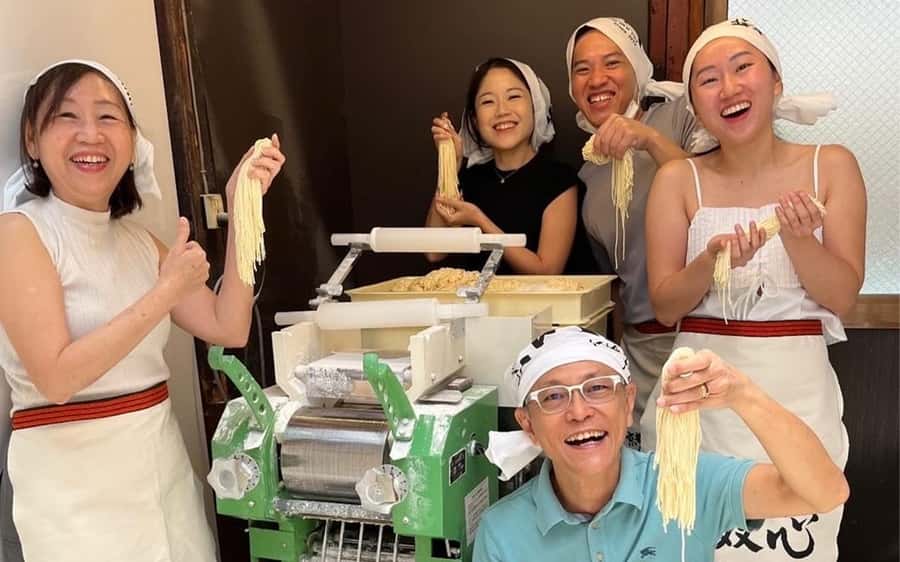
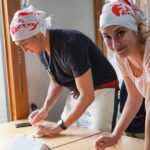
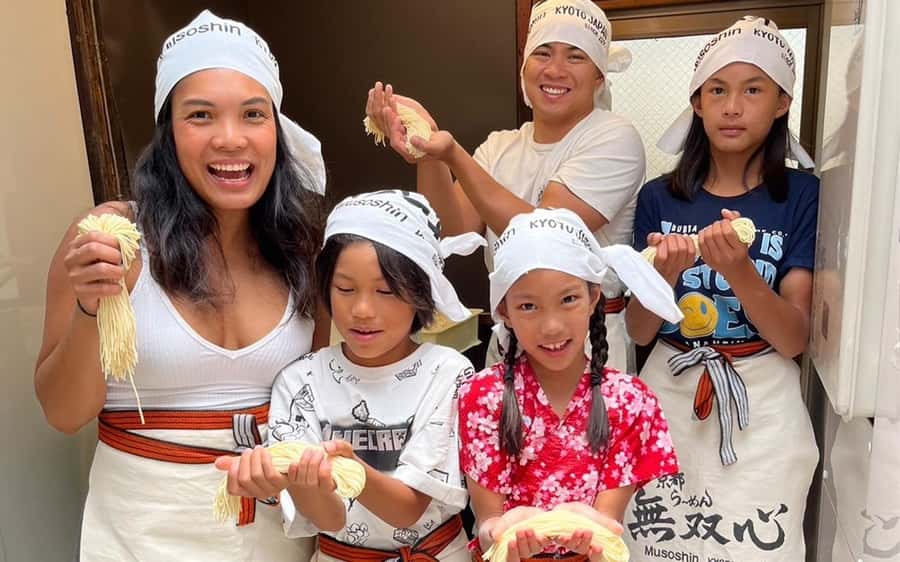
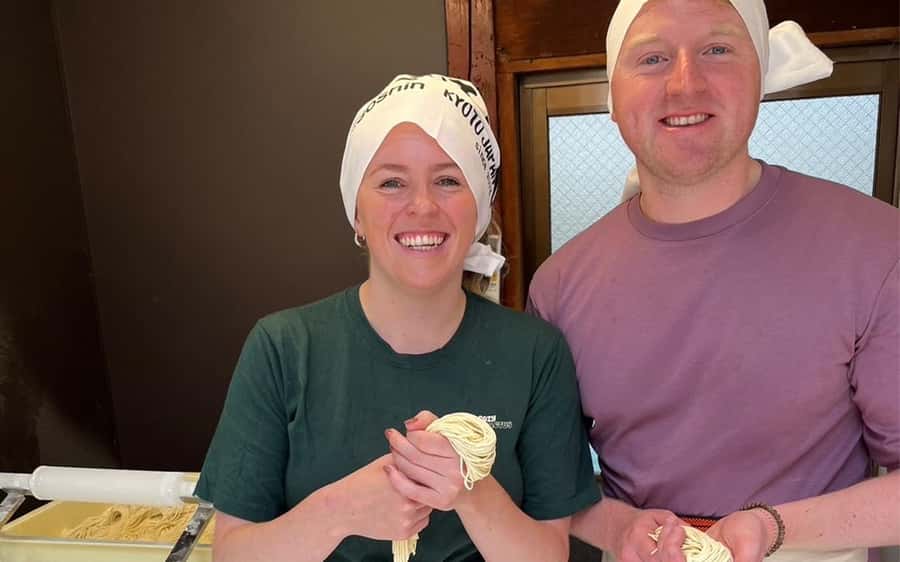
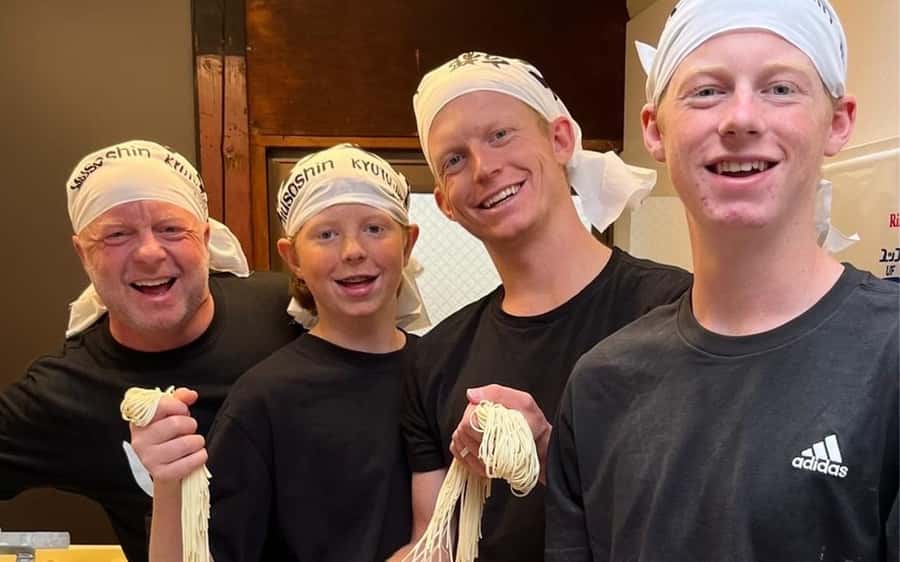
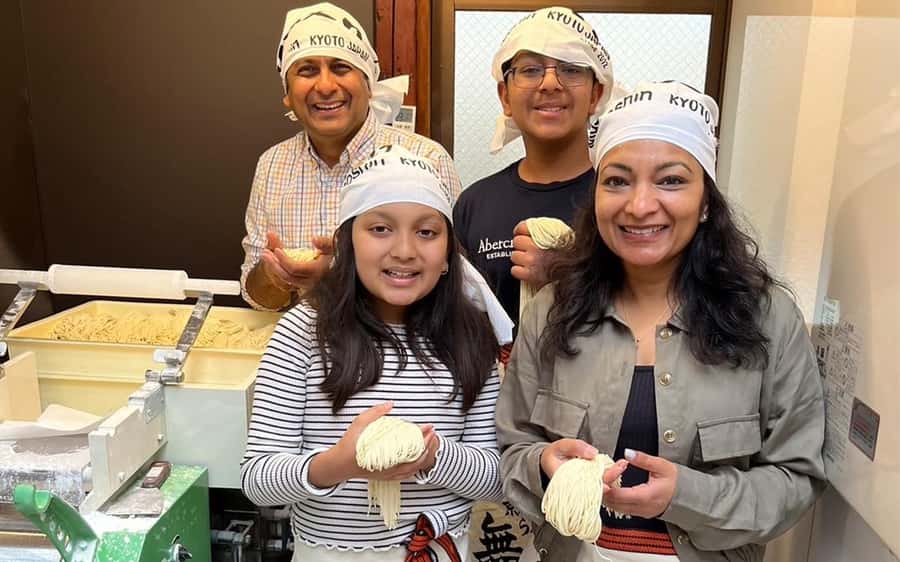
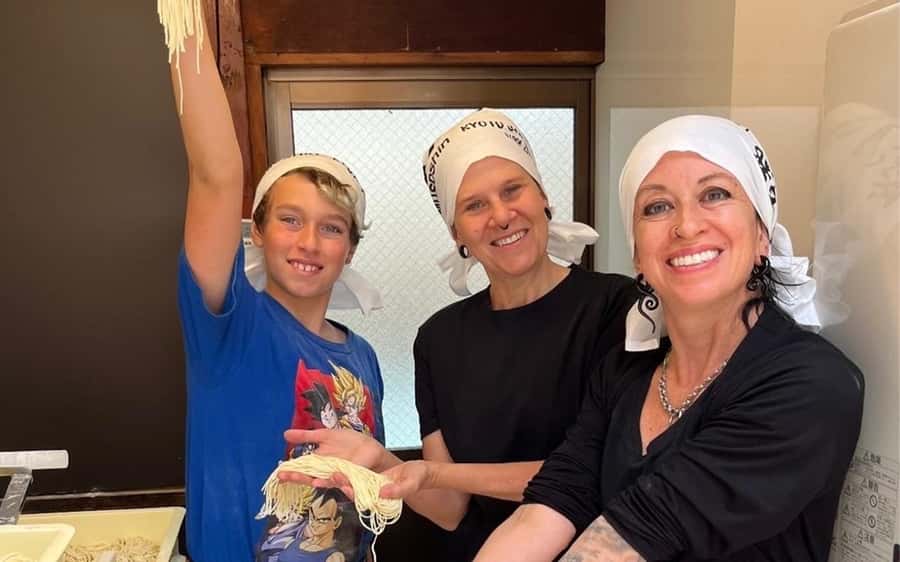
Most versions of this experience center on hands-on noodle making for about an hour. Expect to work through the steps—mixing, rolling, and using the noodle machine—while your instructor guides you through what to watch for as the dough changes texture.
The best part is the support. Multiple guides were praised for being patient and actively involved, not just giving instructions from across the room. In one class, people mentioned guides like Koki and Makoto leading the process with clear explanations. In another, Shin was highlighted for being both funny and focused on teaching the craft.
You’ll likely get more out of the class if you treat it like a skill-building session. Watch how the dough behaves, ask questions as you go, and don’t rush the parts that feel repetitive. That’s how you end up with noodles that actually hold up.
The ramen lesson behind the food
Even though you’re making noodles, the teaching naturally connects to the flavor. Musoshin’s method is designed around long-cook components—especially the soup, which takes 12 hours. That’s a big clue for what you’re tasting later: deep, slow-built savory notes rather than fast seasoning.
You’ll also get insight into how the soy sauce and roast pork factor into the bowl. In other words, the class gives you context. That makes it easier to recreate the feel of Kyoto-style ramen at home, even if you can’t match their exact production method.
Painting ramen essentials: A fun break that turns into a keepsake
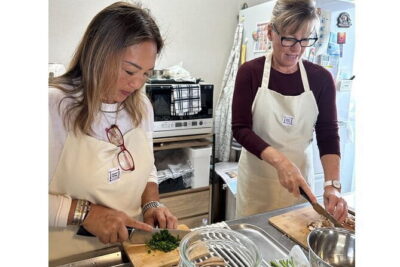
If you book the painting-style option, expect a creative, hands-on activity alongside ramen-related prep. People consistently described painting as relaxing and kid-friendly, with one class combining spoon painting and ramen assembly.
There’s also a practical detail worth knowing. One person noted a tip for painting with pink: if you use pink, apply it thicker so it shows properly. That small coaching tip can make your souvenir look dramatically better.
Then comes the cool part. You can design a bowl, and Musoshin bakes it in a kiln for free. You pick it up the next day. That’s a real “Japan souvenir with a purpose” move—you’re not just buying something pre-made. You’re shaping it.
Timing tip for your Kyoto plans
Because the kiln-baked bowl is pickup the next day, plan your schedule so you’re still in Kyoto. If your itinerary has you leaving the city the day after the class, this part may not fit as smoothly.

From class to dinner: Why the Musoshin restaurant meal matters
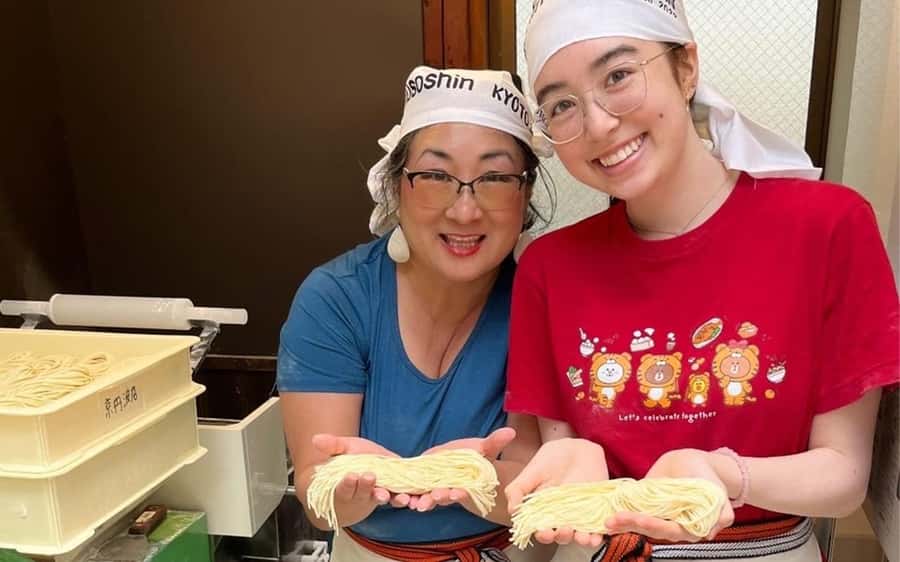
A key reason this experience lands well is the bridge between workshop and restaurant. This is described as the only ramen workshop in Kyoto that actually has a ramen restaurant attached to it, so you go from making to eating without losing context.
In practice, that can be simple and close by. One review mentioned walking a few metres to the little restaurant where ramen is served. You’ll also get a drink at the Musoshin Ramen restaurant as part of the included experience.
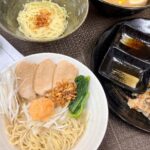
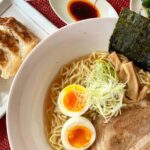
What should you expect to eat? Ramen dishes from Musoshin, and many people said it was the best ramen they had on their Japan trip. One guest even called it the best bowl they’ve ever had. That kind of praise is not just about comfort food—it’s about how all those long-cook elements translate into the cup.
If you’re the type who wants the full loop—learn how it’s made, then taste whether it worked—this structure does that well.
Dietary needs and family dynamics: Where this class scores high
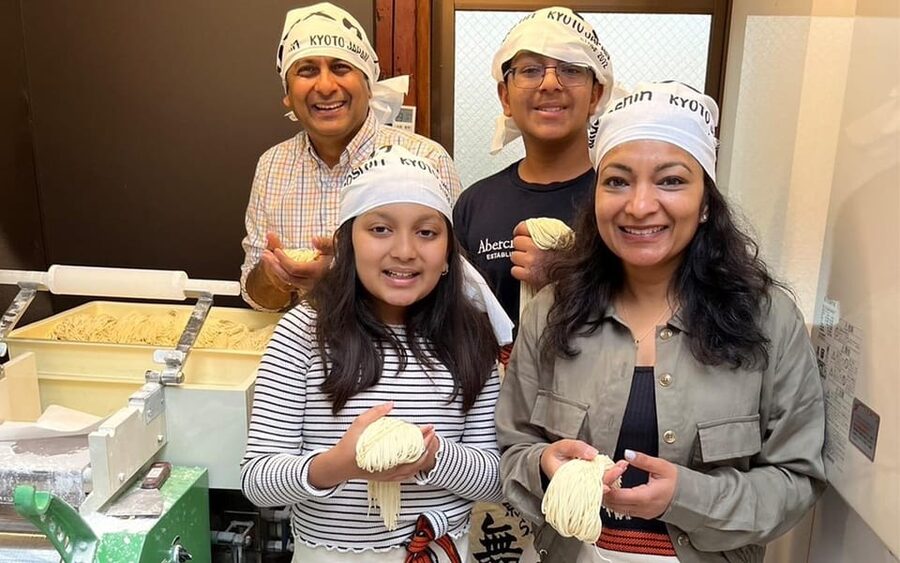
This is a strong option for families because the activity is built around hands-on involvement and a patient teaching approach. Reviews mentioned kids ranging from 4 years old up to teens enjoying the experience. The instructors weren’t just tolerating children—they were helping them participate.
Vegetarian and vegan options
Vegetarian and vegan ramen options are available. That’s valuable in Japan, where ramen can often be meat-forward by default. You can still get the full “make it, eat it” arc without feeling like you’re missing out.
Gluten-free/celiac accommodation (tell them early)
One important, real-world highlight: a guest who discovered right before class that their son has celiac disease said the team ensured he could still enjoy it. They used special gluten-free noodles and cooked his own gluten-free soup.
So if dietary restrictions are part of your plan, message ahead and be clear. This experience shows that they can respond creatively, but you’ll get the best result when they know your needs in advance.
The one stress point: small space
The main downside that came up was space. One person said it felt cramped when a group of two joined their family of four. If you’re sensitive to tight quarters, consider this factor when choosing your timing and group size.
Price and value at $54: What you’re really paying for
At $54 per person, the price sounds straightforward until you look at what’s included and how the experience is built.
You’re paying for:
- A Michelin-nominated Musoshin ramen connection (Michelin rating/nominations tied to their Toronto presence).
- Real ingredient craft: noodles made daily and rested overnight, soup cooked for 12 hours, and handmade soy sauce and roast pork.
- Hands-on time with guided noodle making focused for about an hour.
- A meal experience at the ramen restaurant, plus a drink.
- Workshop items like a bandana used during the class.
- Optional add-ons like kiln-baked custom bowls (free with the design option) and shop items such as spoons, bowls, and aprons.
When people only see the activity cost, they might compare it to a standard cooking class. But what makes this feel like good value is the restaurant-grade focus. You’re not just learning a technique—you’re tasting the end product from the same ramen brand and method. Add that the custom bowl pickup is free (when you choose that option), and the overall value gets easier to justify.
Practical tips so you enjoy it more
A few small things can make the difference between okay and awesome.
- Arrive ready to get hands-on. You’ll be working with dough and using machines, so expect mess and movement.
- Plan for next-day pickup if you paint a bowl. That kiln-baked bowl is one of the most memorable parts, and you’ll want to actually collect it.
- Ask questions during the noodle steps. The teaching style is supportive, and guides like Koki, Makoto, Shin, Yaya, and Pati were repeatedly praised for explaining and keeping people involved.
- Bring dietary info clearly. If you need vegetarian, vegan, or gluten-free support, make it part of your communication early so they can prepare properly.
- Don’t ignore color thickness if you paint. The pink-paint tip is a great example of how small coaching can improve the result.
Who should book this ramen workshop
This is a great fit if you want a Kyoto food experience that feels practical, not performative. You’ll especially enjoy it if you like:
- hands-on cooking
- food craft details (how noodles and soup are made)
- a memorable souvenir you create yourself
It’s also a strong family choice. Kids tend to enjoy the physical steps, and adults get the payoff of a proper restaurant bowl afterward.
If you hate tight spaces, you might prefer a different activity. The room can be compact, and that could affect comfort.
Should you book Musoshin’s Kyoto ramen workshop or painting essentials?
Yes, if you want the full ramen loop: learn the process, eat the result immediately, and leave with a personalized item if you choose the bowl option. The combination of long-cook ramen method, in-house ingredient standards, and patient guidance makes this feel like an experience with substance.
Book it sooner rather than later if you’re traveling with kids, because this kind of class can be easier when you’re not racing your schedule. And if dietary needs are part of your plan, reach out with details early so they can match you with the right noodles and soup.
If you’re mainly looking to sample ramen without learning anything, you may find a restaurant meal simpler. But if you want to understand ramen, make it, and taste it, this Kyoto workshop is a very solid bet.
FAQ
How much does the Kyoto Musoshin ramen workshop cost?
The price is $54 per person.
Where is this experience located?
It takes place in Honshu, Japan, in Kyoto as part of Musoshin Ramen Academy.
Is this workshop family friendly?
Yes. It’s described as family friendly and focused on fun, hands-on noodle making.
What dietary options are available?
Vegetarian and vegan ramen options are available. In at least one case, the team provided gluten-free noodles and cooked a separate gluten-free soup for a celiac guest.
Can I paint something, and is the kiln-baked bowl free?
Yes. You can paint ramen essentials, and if you design a bowl, it can be baked in a kiln for free. You pick it up the next day.
What languages are offered?
The workshop is offered in English and Japanese.
Can I cancel if my plans change?
You can cancel up to 24 hours in advance for a full refund.
Is there an option to reserve and pay later?
Yes. You can reserve your spot and pay nothing today.