REVIEW · XIAN
Biang Biang Noodles Cooking Experience
Book on Viator →Operated by Lily's Private Tours · Bookable on Viator
Biang biang noodles are a workout. In Xi’an, this 3.5-hour small-group class mixes a local market walk with hands-on cooking, so you’re not just eating noodles—you’re making them. I especially like two parts: meeting the day at the market with guide Michael for real ingredient ideas, and then slowing down in a private courtyard with green tea before you start pulling dough into long noodles.
You’ll also get one practical skill you can’t fake: the arm-and-wrist strength to pull those strips into thin noodles. If you’re hoping for a mostly sit-and-watch experience, this one asks you to participate.
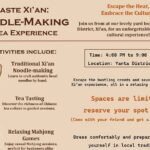
With a maximum of 8 travelers, the pace stays friendly. You’ll meet at Sa Jin Qiao Subway Station (Line 1), Exit B, then return there at the end—priced at $75 per person with lunch/dinner included depending on the option you choose.
In This Review
- Key highlights you should know before you go
- Finding your guide at Sa Jin Qiao, then heading straight to the market
- The private courtyard + green tea pause near the City Wall
- Learning Biang Biang dough: mix, shape, cut, then pull
- Boiling noodles, then assembling the sauce and hot oil bowl
- What you eat afterward: your bowl plus fruit or local snacks
- Price and value: why $75 works for a small, hands-on class
- Who this Biang Biang cooking experience fits best
- Tips to make your noodle day go smoothly
- Should you book Lily’s Private Tours for Biang Biang Noodles in Xi’an?
- FAQ
- How long is the Biang Biang Noodles cooking experience?
- Where do I meet the guide in Xi’an?
- Is there an English-speaking guide?
- What meals are included?
- Is there a limit on group size?
- Do I take anything home?
- Is transportation included?
- What is the cancellation policy?
Key highlights you should know before you go
- Market learning, not just sightseeing with a focus on spices, ingredients, and cooking utensils
- Green tea in a quiet courtyard near the City Wall to reset after the food market
- Hands-on Biang Biang noodle technique: mixing dough, cutting strips, and pulling noodles
- Sauce + hot oil assembly right before eating, so your bowl comes out fresh
- Small group size (up to 8) keeps the guide’s attention on your hands-on work
- You take home a recipe and a certificate, so you can try again later
Finding your guide at Sa Jin Qiao, then heading straight to the market
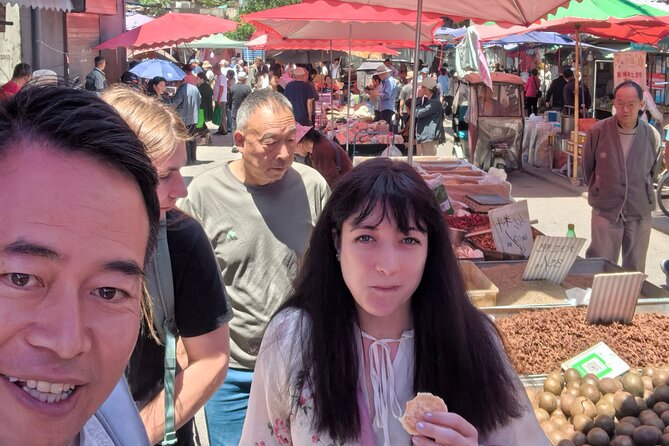
This tour starts with a simple, clear plan: meet your local expert at Sa Jin Qiao Subway Station, Exit B of Line 1, then head out to a local market. The point isn’t to admire shops from the sidewalk—it’s to understand what people buy and why, through the ingredients themselves.
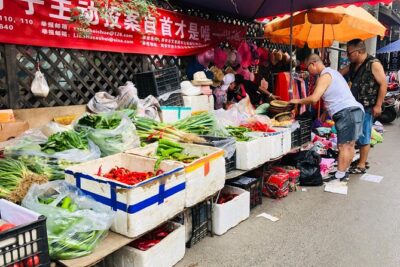
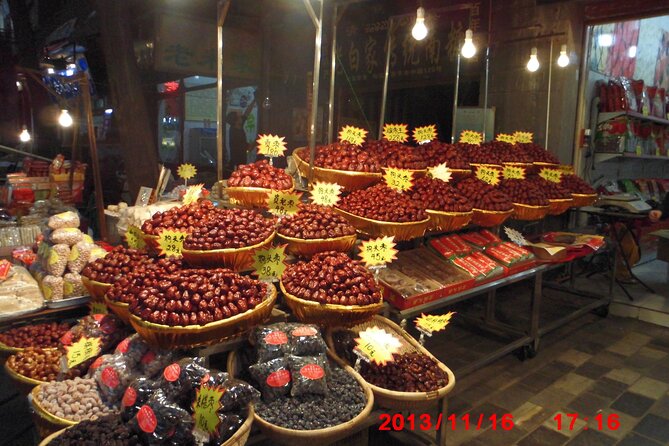
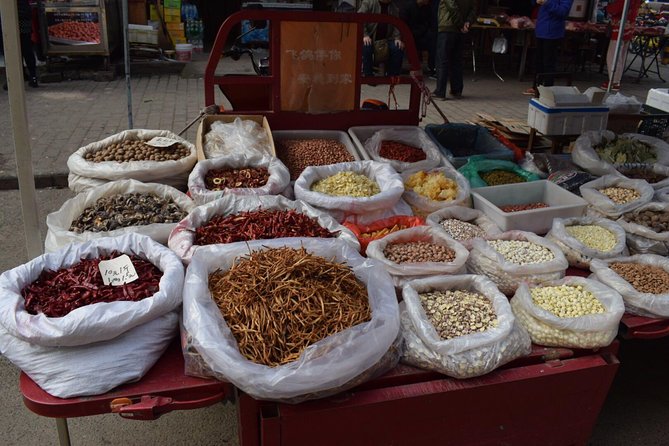
In the market area, you’ll see vegetables and seasoning fruits stacked in orderly ways, spices kept in older-style sacks, and fresh meats hung on walls. You’ll also get introduced to the kinds of utensils used for Chinese home cooking and noodle prep, which helps the class make sense when you’re back at your own kitchen.
One thing I like about this approach: you’re learning the ingredients at the moment you can still picture them in your bowl. If you’re a foodie who enjoys explanation, it lands well. If you’re someone who gets overwhelmed in crowded markets, go in with a calm mindset—your guide keeps you moving and focused.
You can also read our reviews of more tours and experiences in Xian.
The private courtyard + green tea pause near the City Wall
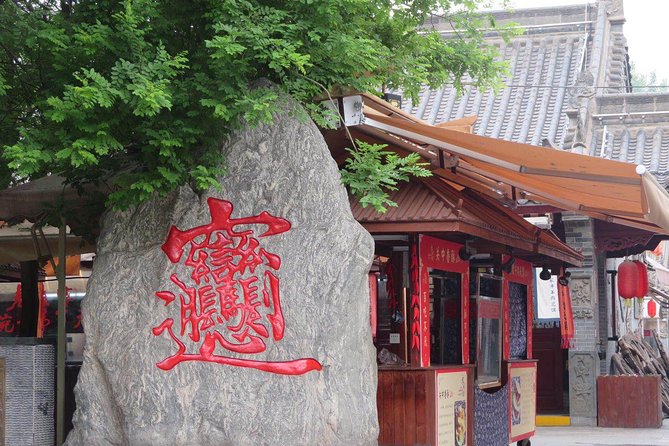
After the market, you’ll head to an off-the-beaten private courtyard nearby the City Wall. This is where the experience shifts gears. You’re welcomed by the staff, served with fresh green tea, and given a quieter moment to regroup.
I think this courtyard stop is more than a nice break. It’s a smart reset before the real work: flour dough, pulling noodles, and watching hot oil get poured. By the time you sit down to sip tea, you’re ready to pay attention to technique instead of just absorbing sensory overload from the market.
The setting also helps you understand the culture of the meal. In many cities, food teaching happens in homes or small private spaces, not in a lecture room. Here, you get that calm “kitchen moment” atmosphere.
Learning Biang Biang dough: mix, shape, cut, then pull
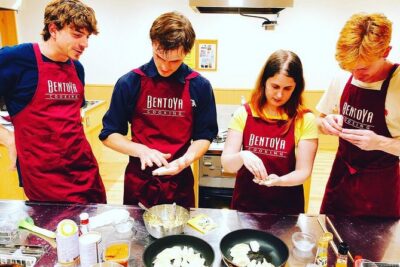
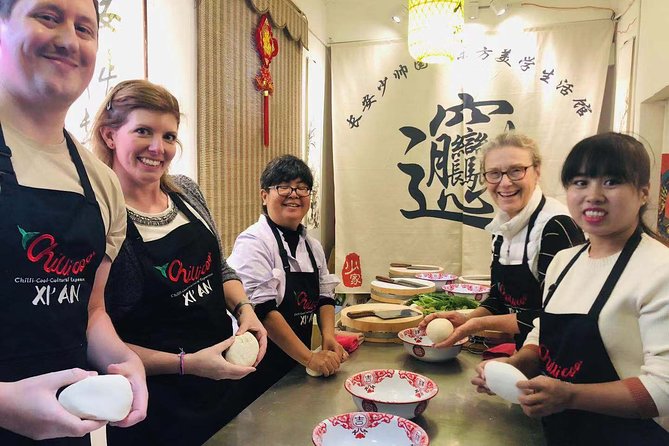
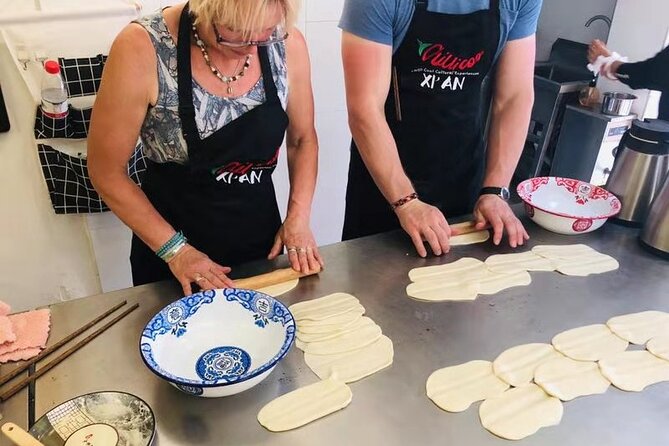
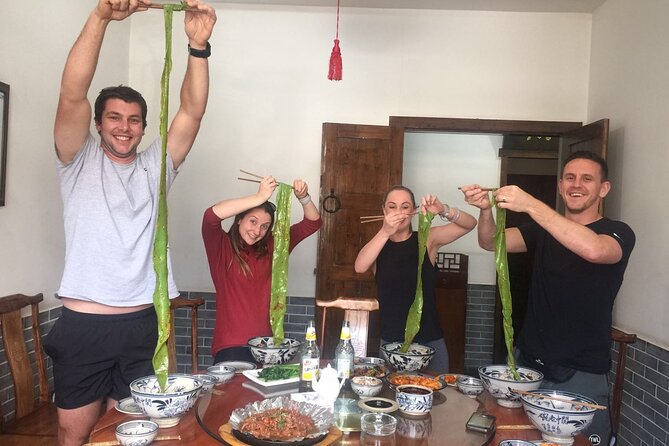
Now for the main event: making Biang Biang noodles step by step. You’ll start by preparing the flour dough by mixing water and flour in a certain ratio, then pressing it into a round, flat shape. From there, you cut the dough into strips.
This is where the technique starts to matter. Pulling those strips into long, thin noodles takes strength and coordination. Even if you’ve made noodles before, the “feel” of dough stretching can be different, and your guide’s hands-on direction matters.
What I like is that you’re not just told what to do—you actually do it. That turns the noodles from a food memory into a skill you can repeat. And because your goal is a finished bowl, you’ll stay motivated through the hands-on work.
Possible drawback: this is physical. Your arms will work. If you have wrist or grip issues, you might want to think twice, or ask the guide how much effort is expected before you commit.
Boiling noodles, then assembling the sauce and hot oil bowl
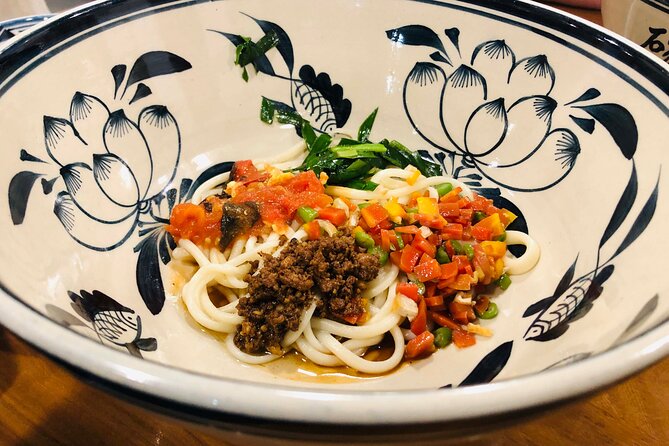
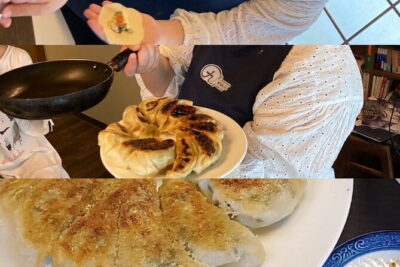
Once the noodles are pulled, they’re ready for boiling. After that, the method becomes all about timing and assembly: you cover the boiled noodles with prepared sauces, then pour hot oil on top.
This is the part that makes the bowl taste like Biang Biang should taste—warm noodles, sauce ready to cling, and hot oil added so everything comes together in the final moment. It’s not complicated, but it does benefit from attention. Hot oil goes quickly, and you’ll want to follow your guide’s cues.
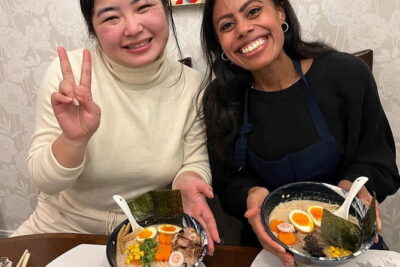
When you sit down to eat, you’re not tasting something you ordered—you’re tasting your process. That makes the meal feel more satisfying, especially if you’ve been paying attention during the dough stage.
What you eat afterward: your bowl plus fruit or local snacks
After your noodles are cooked and served, you’ll enjoy what you made. Depending on the option you selected, the tour includes lunch or dinner, plus snacks.
Then comes dessert-style closing: fruits or local snacks. This part is simple, but it matters if you’re doing the tour early in the day or planning to keep exploring afterward. You’ll finish full, not just “sample-fed.”
Price and value: why $75 works for a small, hands-on class
At $75 per person, this isn’t a cheap meal. But for what you get, it’s fairly priced—especially if you’re the type who learns best by doing.
Here’s the value math that matters:
- You get an English-speaking guide, not just a generic class with a timer.
- You get market time focused on ingredients and utensils, which many cooking classes skip.
- You get tea in a private courtyard and then a real cooking session.
- Lunch/dinner and snacks are included.
- You leave with a recipe and a certificate.
The only notable “not included” item is private transportation. So you’ll likely rely on public transit or local rideshare to get there and back. That’s not a dealbreaker—this starts near the subway—but it does mean you should plan your route ahead of time.
Also, the tour maximum is 8 travelers, which helps explain why this feels guided rather than assembly-line. With a bigger group, noodle pulling would get harder to manage. Here, it’s more personal.
Who this Biang Biang cooking experience fits best
This works well if:
- You like food experiences where you learn ingredients and technique, not only the final dish.
- You enjoy small-group guidance and don’t want a crowded classroom vibe.
- You’re curious about spices, everyday market shopping, and how Chinese noodles are actually made.
It may be less ideal if:
- You want a low-effort activity.
- You’re sensitive to being in lively market areas, even if your guide keeps things organized.
- You prefer a purely restaurant-style meal with minimal cooking.
In short: if you like turning knowledge into a bowl of food you can taste, you’ll probably enjoy this more than a typical “watch and eat” class.
Tips to make your noodle day go smoothly
You don’t need special gear, but a few practical choices help:
- Arrive a few minutes early at Sa Jin Qiao so you can start relaxed.
- Wear comfortable shoes and clothes you don’t mind getting a little dough dust during hands-on prep.
- Ask your guide to repeat any step that matters most to you, especially the dough shaping and pulling.
- When hot oil is involved, listen for instructions and move with care.
If you do these small things, you’ll spend your energy on the fun part: learning how to turn dough into those long Biang Biang noodles.
Should you book Lily’s Private Tours for Biang Biang Noodles in Xi’an?
If you’re in Xi’an and you want a memorable food skill—not just a photo-worthy lunch—this is a strong choice. The combination of market learning, a calm tea break in a courtyard near the City Wall, and then true noodle-pulling technique gives you a full experience with clear value in the included meal and guidance.
I’d book it if you’re excited to get your hands in dough and you want the recipe afterward so you can try again later. Skip it only if you want a mostly passive activity or you know you won’t enjoy the physical part of pulling noodles.
FAQ
How long is the Biang Biang Noodles cooking experience?
It runs for about 3 hours 30 minutes.
Where do I meet the guide in Xi’an?
Meet at Sa Jin Qiao Subway Station, Exit B of Line 1.
Is there an English-speaking guide?
Yes, the tour includes an English-speaking tour guide service fee.
What meals are included?
Lunch or dinner is included depending on which option you choose, and you’ll also have snacks.
Is there a limit on group size?
Yes. The maximum group size is 8 travelers.
Do I take anything home?
Yes. You’ll receive a recipe for the dish and a certificate issued by the tour.
Is transportation included?
Private transportation is not included.
What is the cancellation policy?
You can cancel for a full refund up to 24 hours before the experience starts, and you’ll receive confirmation at booking time. Free cancellation is available with that cutoff.