REVIEW · TOKYO
Exclusive Ramen Kitchen Experience
Book on Viator →Operated by Tokyo Ramen Tours · Bookable on Viator
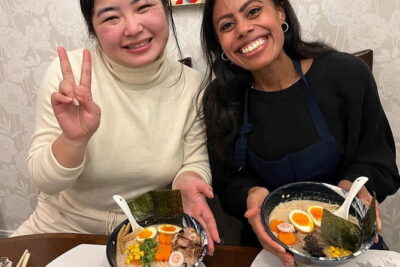
Tokyo ramen, but behind the scenes. This exclusive kitchen time in an award-winning ramen shop teaches you the noodle moves and how pros prep ingredients. You’ll end up with your own bowl—assembled to your taste—without spending hours waiting around.
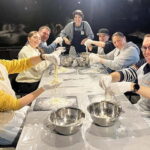
I particularly like the chance to learn temomi (massaging the noodles) and tebo (shaking water from the noodles) from people who do this every day. Second, I like that the session is structured as a tight, hands-on experience: you get the VIP look at how a real ramen shop works, then you actually eat what you made.
One thing to consider: this isn’t a full, from-scratch cooking class. The process is shortened, and the ramen isn’t made entirely by you from raw ingredients—so if you want that kind of deep cooking day, this may feel a bit brief.
In This Review
- Key highlights you’ll feel right away
- VIP access at Nakameguro Koukashita: what makes this kitchen special
- Temomi and tebo: the noodle techniques you’ll practice
- Temomi (massaging the noodles)
- Tebo (shaking water from the noodles)
- The real workflow: what happens during your 1-hour session
- What you’ll learn about ramen culture (beyond the bowl)
- Allergy and meat warning: what’s in the ramen
- Price and value: is $78.38 worth it?
- Who should book this (and who might skip it)
- Practical tips for a smooth, tasty visit
- Should you book the Exclusive Ramen Kitchen Experience?
- FAQ
- How long is the ramen kitchen experience?
- Where is the meeting point?
- What is the group size limit?
- What ramen techniques will I learn?
- Is this a full from-scratch cooking class?
- What kind of ramen is served, and does it include meat or fish?
- Can I get a full refund if I cancel?
Key highlights you’ll feel right away
- Exclusive access to an award-winning ramen kitchen, not a public workshop
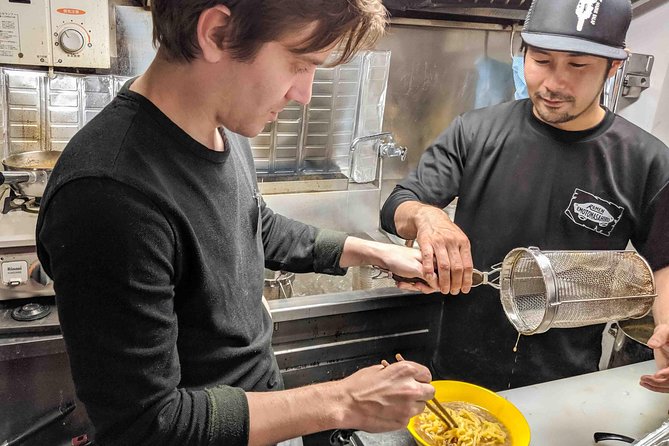
- Temomi practice: noodle massage technique that affects texture
- Tebo practice: shaking off noodle water for the right finish
- Prep + assembly focus: you’ll handle ingredients and build your own bowl
- Small group size with multiple guides and max 6 people
VIP access at Nakameguro Koukashita: what makes this kitchen special
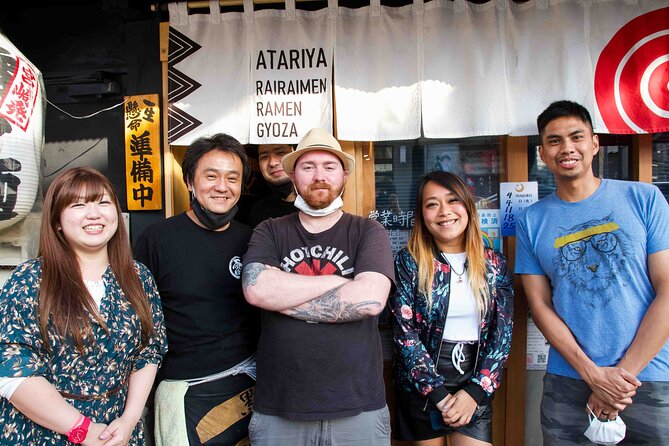
This experience centers on a top Tokyo ramen shop—one that’s won several awards—opening its kitchen doors for something most people never see. The whole point is to get you close to the workflow: how ingredients are handled, how stations are organized, and how the team thinks about each step. You’re not just ordering ramen and reading a menu. You’re getting the working view.
The setting matters too. You meet at 2-chōme-12-6 Nezu, Bunkyo City and the experience takes place at Nakameguro Koukashita. That location pairing is handy because it keeps the experience anchored in the Tokyo rhythm—you can tie it into a neighborhood day without feeling like you’re traveling across the whole city just for one meal moment.
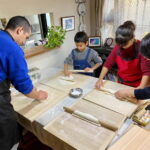
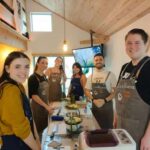
You’ll also appreciate the group size. With a maximum of 6 travelers and multiple guides, you’re not stuck in a big crowd watching from the back. It’s set up so you can ask questions, get feedback, and move through the steps at a human pace.
You can also read our reviews of more tours and experiences in Tokyo.


Temomi and tebo: the noodle techniques you’ll practice
If you’re a ramen fan, this is the part you’ll remember. Instead of focusing only on toppings or broth choices, the experience zooms in on noodle technique—because that’s where texture comes from.
Temomi (massaging the noodles)
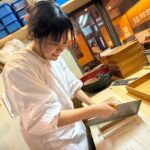
Temomi is the noodle massage step. Think of it as adjusting the noodles so they’re behaving the way the chef wants when they’re cooked and served. In practical terms, you’re learning how to handle the noodles so they don’t come out wrong—too soft, too stiff, or with the wrong bite.
What I like here is that you’re not just told a theory. You practice. That matters because noodle technique is one of those skills where a small change in handling can change the final feel in your bowl.
Tebo (shaking water from the noodles)
Then comes tebo: shaking water from the noodles. It sounds simple, but it’s important. Water remaining on the noodles can affect how they cook and how they pair with broth and toppings.
This step also helps you understand something chefs already know: ramen isn’t one ingredient. It’s a sequence. Each step affects the next one, and the kitchen timing is built around those small physical details.
The real workflow: what happens during your 1-hour session
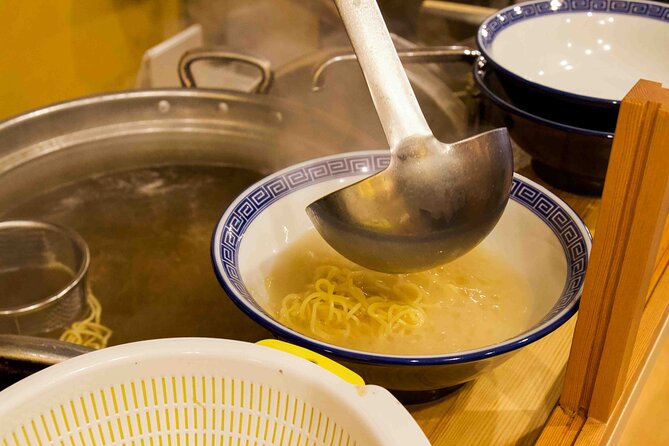
This experience is about about 1 hour, which is short—but not random. The pacing is designed to teach you the core ramen actions without turning it into a waiting game.
Here’s the practical idea of how it flows:
- Ramen prep instruction (ingredients and purpose): You learn what different ingredients do and where they come from. Even though the experience isn’t about making everything from zero, the teaching focuses on why each component matters.
- Noodle technique practice: You work through temomi and tebo as actual steps in the ramen process, not just demonstrations.
- Build your bowl: After the technique steps, you add your preferred toppings and finish your own creation.
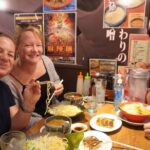
- Eat what you made: The final payoff is immediate. You don’t just watch chefs work. You sit down and taste the result.
One honest detail: the broth takes 10 hours to make, but you’re not spending that time watching it simmer. That’s why the experience is positioned as a VIP view plus a hands-on ramen build, rather than a full day of production cooking. For most people, that’s the right trade. You get technique, context, and a great meal—without burning half your day.


What you’ll learn about ramen culture (beyond the bowl)
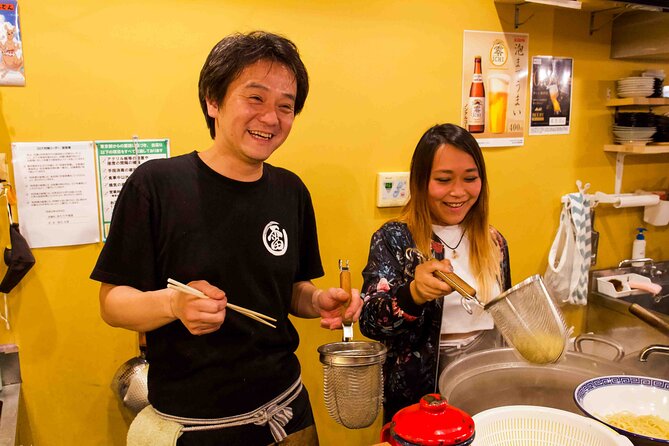
Ramen can seem simple on the outside: noodles, broth, toppings. In a good shop, it’s a whole system. This experience leans into that system.
You’ll get an understanding of the role ramen plays in Japanese cuisine, along with practical explanations connected to recipes and their background. The chef-style teaching tone is part of why this works so well: the focus stays on what matters in the kitchen—timing, ingredient purpose, and how ramen becomes a final product.
And you’ll notice how the teaching connects to your hands-on steps. When you practice temomi and tebo, it’s hard to treat ramen as generic comfort food. You start seeing it as craft.
Allergy and meat warning: what’s in the ramen
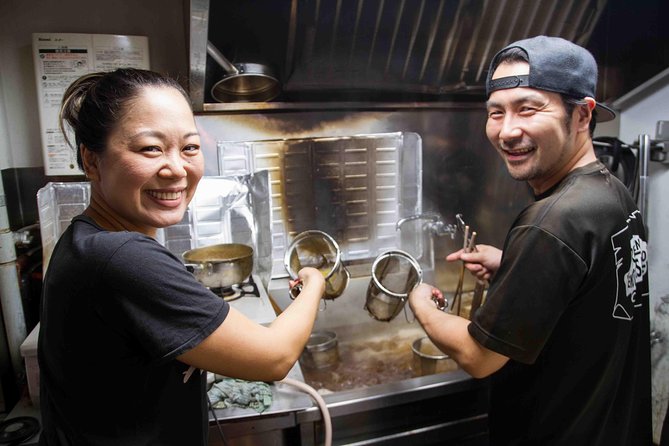
Important practical note: the ramen served contains chicken, pork, and fish.
If you avoid any of those for dietary reasons, check carefully before you book. This isn’t a fully customizable meat-free meal based on the information provided, so it’s best to plan ahead rather than hope substitutions are possible.
Also, since you’ll be in a working kitchen, it’s worth being mindful if you have severe allergies. The data you have doesn’t promise allergy-specific handling, so you’ll want to ask questions when you confirm.
Price and value: is $78.38 worth it?
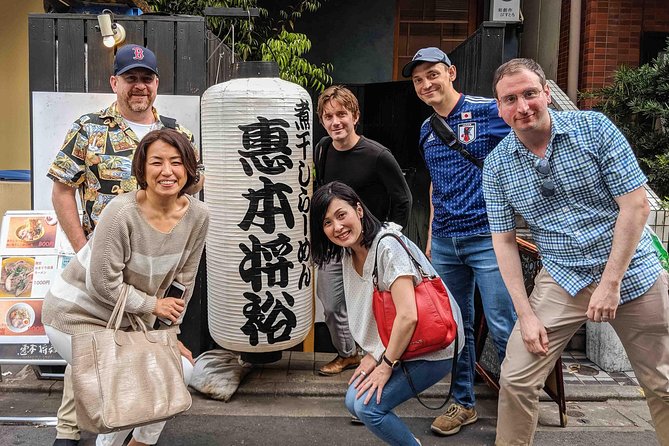
At $78.38 per person for about 1 hour, this isn’t the cheapest meal in Tokyo. But it’s also not just a meal ticket. You’re paying for:
- Exclusive kitchen access to an award-winning shop
- Small-group, hands-on practice with real noodle techniques
- Guided explanation of ingredient purpose and ramen workflow
- A meal you assemble and eat on the spot
So the value hinges on what you want from Tokyo food experiences. If you just want lunch, this may feel pricey. If you want a memorable food skill—temomi, tebo, and ramen assembly with pros—then the cost starts to make sense.
Another subtle value point: the experience is booked in advance on average about 16 days. That suggests demand for this kind of access. When something is that hard to get, it usually means you’re paying for exclusivity and limited capacity—not just the ingredients.
Who should book this (and who might skip it)

This experience fits best if you:
- Love ramen and want to understand it as technique, not just a menu item
- Enjoy hands-on food moments more than museum-style eating
- Like small groups where you can ask questions and get feedback
- Want a Tokyo food experience that feels authentic and specific to how a real shop operates
You might consider skipping if:
- You want a full, from-scratch cooking day where you make everything yourself
- You can’t eat chicken, pork, or fish
- You’re looking for a large sightseeing day instead of a focused food session
Practical tips for a smooth, tasty visit
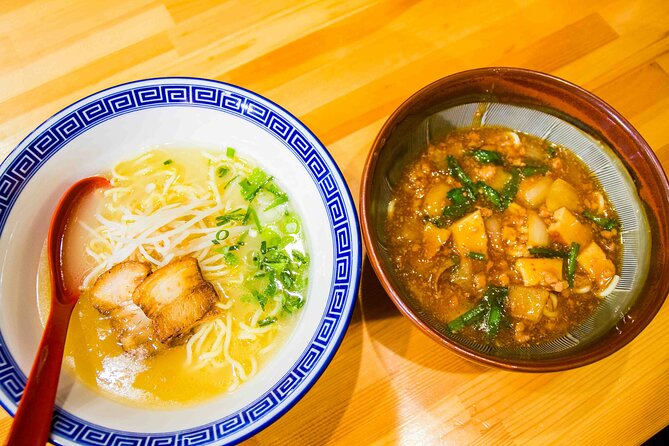
- Plan your timing so you’re hungry. This is a filling experience by design, and you’ll want to enjoy the bowl you build.
- Wear comfortable clothes. You’ll be working through noodle-handling steps, which means you’ll want easy movement.
- Come ready to learn the ramen logic. The experience is short, so listen for the ingredient purpose and the sequence—those details connect directly to your final bowl.
- Bring your curiosity about ramen history and recipes. The chef-style teaching includes questions and explanations tied to how recipes evolved and what they aim to do.
Should you book the Exclusive Ramen Kitchen Experience?
Yes, I’d book it if you’re a ramen person and you like learning by doing. The big win is exclusive access plus hands-on practice with the noodle techniques—temomi and tebo—that most visitors never get to touch. Add in a small group and the fact that you leave with your own bowl, and it becomes a smart food-focused use of time in Tokyo.
I’d hesitate only if you’re expecting a true from-scratch cooking class or you have restrictions around chicken, pork, or fish. Otherwise, this is one of the better ways to turn an ordinary ramen craving into something more skill-based and memorable.
FAQ
How long is the ramen kitchen experience?
It lasts about 1 hour.
Where is the meeting point?
The start location is 2-chōme-12-6 Nezu, Bunkyo City, Tokyo 113-0031, Japan, and the activity ends back at the meeting point.
What is the group size limit?
The experience has a maximum of 6 travelers.
What ramen techniques will I learn?
You’ll learn temomi (massaging the noodles) and tebo (shaking water from the noodles).
Is this a full from-scratch cooking class?
No. The process is shortened and focused on ramen prep and technique, while key elements like the broth are not made from scratch during the session.
What kind of ramen is served, and does it include meat or fish?
The ramen served contains chicken, pork, and fish.
Can I get a full refund if I cancel?
Yes. Free cancellation is available if you cancel at least 24 hours before the experience’s start time.